
Overview
This practical guide covers essential winter car preparation focusing on battery maintenance, winter tires, fluid checks, visibility improvements, emergency supplies, and heating system care to prevent breakdowns and ensure safety in cold weather. The article emphasizes that proper winter preparation should begin before temperatures drop and includes regular maintenance throughout the season, with specific recommendations based on the author’s 22 years of mechanical experience in cold climates.
Table of Contents
- Winter Driving Preparation: Why It Matters
- Check Your Battery Before the Cold Hits
- Winter Tires: Your Most Important Cold Weather Upgrade
- Essential Fluid Checks for Winter Performance
- Visibility Matters: Wipers, Lights, and Defrosters
- Build a Winter Emergency Kit That Could Save Your Life
- Heating System Maintenance: Stay Warm and Safe
- Preventative Maintenance to Avoid Winter Breakdowns
- Conclusion: Drive Confidently This Winter
- Frequently Asked Questions
Winter Driving Preparation: Why It Matters
Learning how to prepare your car for winter driving isn’t just about convenience—it’s about safety. After 22 years turning wrenches in Minnesota, I’ve seen what happens when folks skip winter prep: dead batteries, slide-offs, and stranded motorists in dangerous conditions.
Winter throws everything it has at your vehicle: frigid temperatures that thicken fluids and weaken batteries, icy roads that test your tires’ grip, and salt that accelerates corrosion. What might be a minor inconvenience in summer—like windshield wipers that streak a bit—becomes a serious hazard when visibility drops during a snowstorm.
The good news? A few hours of preparation can prevent most winter car troubles. Let’s break down exactly what you need to do, step by step, to keep your vehicle running smoothly when the temperature drops. These aren’t just suggestions—they’re essential procedures I’ve refined over decades of seeing which preparations actually keep people safe on winter roads.
Check Your Battery Before the Cold Hits
Your car’s battery works harder in cold weather—much harder. At 0°F, a battery loses about 60% of its strength, yet your engine requires nearly twice the power to start. This brutal equation explains why so many people end up stranded on those first truly cold mornings.
Start by testing your car battery voltage to ensure it’s holding a proper charge. A healthy battery should read about 12.6 volts when the engine is off and 13.7 to 14.7 volts when running. If yours shows below 12.4 volts at rest, it’s already struggling and may not survive the winter.
Next, inspect the battery terminals for corrosion—that white, powdery substance that builds up. This creates resistance that can prevent your car from starting, even with a good battery. Clean the terminals with a wire brush and a solution of baking soda and water, then rinse with clean water and dry thoroughly.
If your battery is more than three years old, consider replacing it before winter sets in. According to the American Automobile Association, battery failures are one of the top reasons for winter service calls. A new battery is far cheaper than a tow truck and lost time during a snowstorm.
Winter Tires: Your Most Important Cold Weather Upgrade
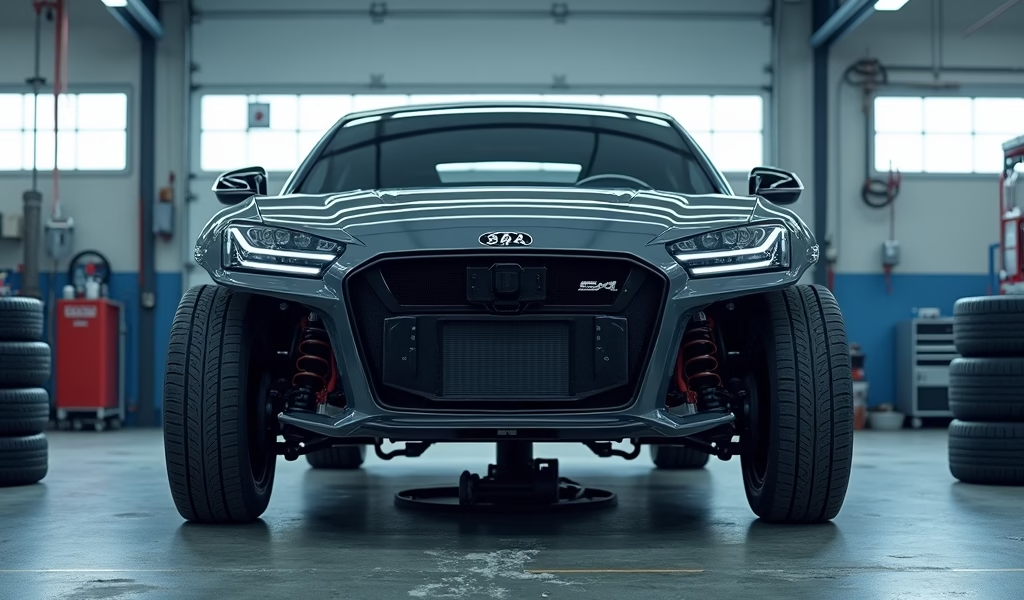
I can’t stress this enough: winter tires aren’t just for snow. The rubber compounds in all-season tires harden like hockey pucks when temperatures drop below 45°F, dramatically reducing traction even on dry pavement. Winter tires, by contrast, stay pliable in cold temperatures, giving you significantly better grip in all winter conditions.
The tread pattern matters too. Winter tires feature deeper treads with special sipes (tiny slits) that bite into snow and ice. These design elements can reduce your braking distance by up to 30% compared to all-seasons in winter conditions—the difference between stopping safely and sliding into an intersection.
Install a full set of winter tires rather than just two. Using different tire types front and rear creates dangerous handling imbalances. And don’t wait until the first snowfall—tire shops get swamped, and you’ll be driving on compromised traction during those critical transitional weeks.
Remember to check tire pressure weekly during winter. Pressure drops about 1 PSI for every 10°F temperature decrease, and underinflated tires wear faster, use more fuel, and handle poorly. The correct pressure is listed on the driver’s door jamb sticker, not the tire sidewall (which shows maximum pressure).
Research by the University of Michigan Transportation Research Institute found that winter tires provide 50% more traction than all-season tires in winter conditions—an investment that pays dividends in safety.
Essential Fluid Checks for Winter Performance
Winter demands more from your vehicle’s fluids—they need to flow smoothly at lower temperatures while protecting critical components. Start with your essential fluids every car owner must check before the mercury drops.
Antifreeze/coolant isn’t just about preventing freezing—it also prevents corrosion in your cooling system. Test your coolant with an inexpensive antifreeze tester from any auto parts store. It should protect down to at least -30°F in northern climates. If it’s time for a change (typically every 30,000-50,000 miles), do a complete flush rather than just topping off.
Switch to winter-grade oil if you live in a particularly cold climate. Modern synthetic oils generally perform well across temperature ranges, but in extreme cold, a 5W-30 might flow better at startup than a 10W-30. Check your owner’s manual for the manufacturer’s recommendations based on your local winter temperature range.
Don’t forget your windshield washer fluid—regular summer fluid freezes at around 32°F. Switch to a winter-specific formula rated to at least -20°F. Running out of washer fluid during slushy conditions creates dangerous visibility issues instantly. I keep an extra gallon in my trunk throughout winter.
Brake fluid is hygroscopic, meaning it absorbs moisture over time. This water content can freeze in brake lines, causing serious safety issues. If your brake fluid hasn’t been changed in two years, consider a flush before winter. You can test the fluid’s water content with test strips available at auto parts stores.
Visibility Matters: Wipers, Lights, and Defrosters
Winter driving demands perfect visibility, yet it’s precisely when conditions most compromise your ability to see. Prepare by replacing your windshield wipers with winter-specific blades that resist ice buildup. Standard wipers have exposed metal components that collect ice and snow, reducing contact with the windshield. Winter blades use a rubber boot to protect these components.
Check all exterior lights and replace any burned-out bulbs. Winter’s shorter days mean you’ll drive more in darkness, and snow reduces visibility further. Don’t forget to clean your headlight lenses—oxidation can reduce light output by up to 80%. A headlight restoration kit costs about $20 and makes a remarkable difference in night visibility.
Test your defrosters thoroughly before you need them. Both front and rear defrosters should clear condensation quickly. If your front defroster works poorly, you may have a heater core issue or a blend door problem in your HVAC system. Rear defrosters typically have visible heating elements—look for any breaks in the lines, which indicate repairs are needed.
Apply a rain-repellent treatment to your windshield. Products like Rain-X create a hydrophobic surface that helps water and snow sheet off rather than obscuring your view. This significantly improves visibility during active precipitation. Apply to all windows and your side mirrors too.
Keep your windshield washer nozzles clear. They can become blocked with ice or debris, leaving you without the ability to clear your windshield. A pin or needle can clear clogged nozzles, and adjusting them to spray properly before winter sets in prevents frustration later.
Build a Winter Emergency Kit That Could Save Your Life
Having essential parts to keep in your car emergency kit isn’t being paranoid—it’s being prepared. Even a brief breakdown in subfreezing temperatures can become dangerous quickly. After helping countless stranded motorists over the years, I’ve refined my recommendations for a winter emergency kit:
- Jumper cables or a portable jump starter (the latter doesn’t require another vehicle)
- Foldable shovel for digging out of snow
- Bag of sand, cat litter, or traction mats for regaining traction
- Warm blankets or sleeping bags
- Extra warm clothing, including hats, gloves, and boots
- Flashlight with extra batteries
- First aid kit
- Non-perishable, high-energy food
- Bottled water (store in the passenger area to prevent freezing)
- Basic tools: screwdrivers, pliers, adjustable wrench, tire pressure gauge
- Tire chains if legal in your area
- Hand warmers
- Phone charger or power bank
Store your emergency supplies in a waterproof container or bag. Check the kit at the beginning of each winter season, replacing expired items and batteries. Even short trips can turn into extended ordeals during winter storms, so don’t skip emergency preparation even for routine drives.
According to the National Highway Traffic Safety Administration, being properly prepared for winter emergencies significantly reduces the risk of hypothermia and other cold-weather injuries during vehicle breakdowns.
Heating System Maintenance: Stay Warm and Safe
Your car’s heating system isn’t just about comfort in winter—it’s a safety system that keeps windows clear and prevents hypothermia. The heart of this system is your heater core, essentially a small radiator inside your dashboard that transfers engine heat to the cabin air.
If your heater produces less heat than it used to, you likely have air in the cooling system or a partially clogged heater core. Flushing the cooling system often solves this. Pay attention to any sweet smells when the heater runs—this indicates a possible coolant leak inside the cabin, which requires immediate attention.
Check your HVAC fan operation across all speeds. If certain speeds don’t work, you likely have a faulty blower motor resistor, a relatively inexpensive fix. If the fan works but air doesn’t flow from certain vents, you may have blend door issues—mechanical flaps that direct airflow getting stuck.
Don’t overlook your seat heaters if equipped. Test them before cold weather arrives, as they can provide crucial warmth if your main heating system fails. Many modern vehicles also have heated steering wheels, which help maintain dexterity when driving in very cold conditions.
Remember that running your heater doesn’t use extra fuel in most cases—it’s using heat the engine produces anyway. However, the blower fan and rear defrosters do consume additional electrical power, which can place extra load on an already struggling charging system.
Preventative Maintenance to Avoid Winter Breakdowns
Winter is the worst time for car troubles, yet it’s when they’re most likely to occur. Before the cold sets in, take care of these often-overlooked maintenance items that become critical in winter:
Inspect your belts and hoses for cracks or wear. Cold temperatures make rubber components more brittle, and a belt that was “good enough” in summer might snap during a cold start. Look for cracks, fraying, or glazing on belts, and check hoses by squeezing them when cool—they should feel firm but not hard or squishy.
Check your exhaust system thoroughly. Leaks can allow deadly carbon monoxide into the cabin, a particular danger in winter when you’re driving with windows closed. Look for rust, holes, or loose connections in the exhaust pipes and muffler.
Test your alternator output. Winter puts extra demands on your electrical system with increased use of headlights, heater fans, and defrosters. Your alternator should produce 13.5-14.5 volts at idle with accessories running. Many auto parts stores will test this for free.
Inspect your suspension and steering components. Winter potholes and road debris can damage these systems, affecting your ability to control the vehicle on already-challenging roads. Look for excessive play in the steering wheel, unusual noises when turning, or a car that pulls to one side.
Consider a professional inspection if you’re not comfortable doing these checks yourself. Many repair shops offer winter preparation packages that cover these essentials. It’s money well spent compared to the cost and danger of a mid-winter breakdown.
Conclusion: Drive Confidently This Winter
Preparing your car for winter driving isn’t just a suggestion—it’s a necessity for anyone facing snow, ice, and freezing temperatures. The comprehensive steps we’ve covered—from battery care and winter tires to fluid checks and emergency kits—create layers of protection against winter’s challenges. Each preparation reduces your risk of becoming stranded or involved in an accident when conditions turn treacherous.
Remember that winter preparation isn’t a one-time event. Monitor tire pressure weekly, keep your gas tank at least half-full to prevent fuel line freezing, and regularly check fluid levels throughout the season. Adaptation to changing conditions is just as important as your initial preparation.
With proper preparation, winter driving becomes less stressful and significantly safer. You’ll have confidence knowing your vehicle is ready to handle whatever Mother Nature throws at it—and you’ll have the emergency supplies to manage unexpected situations.
Don’t wait until the first snowfall to get started. The best time to prepare your car for winter driving is before you need it. Your safety—and that of your passengers—depends on it.
Want to stay ahead of seasonal car maintenance and learn more expert automotive tips? Subscribe to our email list and never miss another helpful article. We’ll send you timely reminders for essential maintenance tasks and share professional tricks that can save you time and money on car care all year round. Just enter your email below to join our community of informed drivers!
Frequently Asked Questions
When should I start preparing my car for winter?
Ideally, begin preparations in early fall, about a month before temperatures typically drop below freezing in your area. This gives you time to address any issues without being caught in early winter weather unprepared.
Are winter tires really necessary if I have all-wheel drive?
Yes, absolutely. All-wheel drive helps you accelerate but doesn’t improve stopping distance or cornering grip. Winter tires improve traction in all aspects of driving, making them essential even for AWD vehicles.
How often should I check my tire pressure in winter?
Check tire pressure at least weekly during winter months. Pressure can drop significantly with temperature changes, affecting handling, traction, and fuel economy.
What’s the minimum battery voltage needed for reliable winter starting?
Your battery should read at least 12.4 volts when the engine is off. Anything below 12.2 volts indicates a battery that may fail in cold conditions.
Should I warm up my car before driving in winter?
Modern vehicles need only about 30 seconds of warm-up time before gentle driving. Excessive idling wastes fuel and increases engine wear, while driving gently helps the engine reach optimal temperature faster.