

Overview
This article outlines seven essential engine maintenance practices to extend your vehicle’s life: regular oil changes, maintaining proper fluid levels, replacing air filters, adopting gentle driving habits, following scheduled maintenance, addressing warning lights immediately, and using quality fuel. Proper engine care prevents expensive repairs, with routine maintenance costing a few hundred dollars annually versus thousands for major engine work, potentially keeping your engine running smoothly for 300,000+ miles.
Table of Contents
- Introduction
- Regular Oil Changes: The Lifeblood of Your Engine
- Keep All Fluids at Proper Levels
- Replace Air Filters Regularly
- Mind Your Driving Habits
- Follow Scheduled Maintenance
- Address Warning Lights Immediately
- Use Quality Fuel and Additives
- Conclusion
- Frequently Asked Questions
Introduction
Your car’s engine is its beating heart—a complex mechanical marvel that turns fuel into the power that moves you down the road. When this critical component fails, it doesn’t just leave you stranded; it empties your wallet too. Engine replacements typically cost between $3,000 and $7,000, and that’s on the conservative end for many vehicles.
Here’s the good news: with proper care, your engine can purr contentedly for hundreds of thousands of miles. I’ve seen engines running smooth as silk well past 300,000 miles when owners followed the right maintenance routines. As someone who’s spent decades with my hands covered in engine oil, I can tell you that these seven essential maintenance tips could save you thousands in preventable repair costs.
Think of this guide as your engine’s longevity blueprint—practical advice that protects both your vehicle and your budget. Let’s dive into how you can add years to your engine’s life without breaking a sweat (or the bank).
Regular Oil Changes: The Lifeblood of Your Engine
If your engine had a best friend, it would be clean oil. Oil serves three critical functions: it lubricates moving parts, cools engine components, and carries away harmful contaminants. Without fresh oil, metal surfaces grind against each other, creating heat and friction that can transform your precision-engineered engine into an expensive paperweight.
How often should you change your engine oil? For conventional oil, the old rule of thumb was every 3,000 miles. Today, many vehicles can safely go 5,000 to 7,500 miles between changes. If you’re using synthetic oil, you might stretch that to 10,000 or even 15,000 miles. But always check your owner’s manual—the engineers who built your engine know best.
Here are telltale signs your oil needs changing:
- Oil appears dark and gritty on the dipstick
- Your engine sounds louder than usual
- The check engine light won’t quit
- You smell oil inside your vehicle
- Your fuel economy has dropped
Quality matters too. Premium oils might cost a few dollars more, but they provide superior protection against extreme temperatures and break down more slowly. Think of good oil as preventive medicine—a small investment now prevents major surgery later.
And don’t forget to check your oil level regularly between changes. Low oil can cause catastrophic damage in just minutes of driving. It takes seconds to pull the dipstick, but can save you thousands in repair bills.
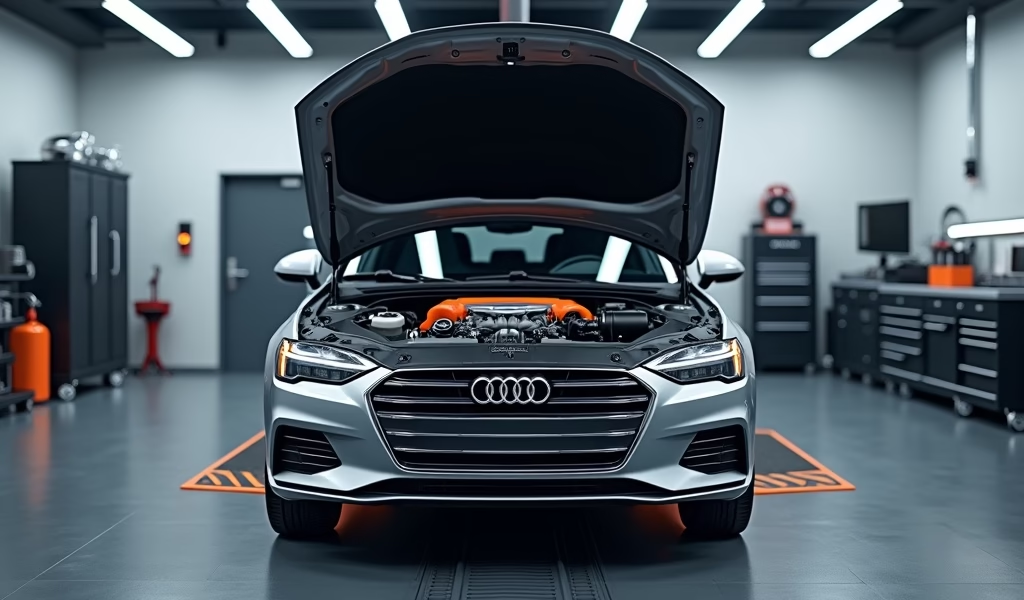
Keep All Fluids at Proper Levels
Your engine doesn’t work alone—it’s part of a complex system that relies on various fluids to function properly. Think of these fluids as the unsung heroes of your vehicle’s performance.
Coolant (also called antifreeze) prevents your engine from turning into a block of ice in winter or a puddle of molten metal in summer. Check the transparent coolant reservoir when the engine is cool—the fluid should sit between the “min” and “max” lines. That greenish or orange fluid isn’t just preventing freezes; it’s carrying heat away from your engine with every cycle.
Transmission fluid ensures smooth gear shifts and prevents excessive wear. Check it with the engine running and warmed up (follow your manual’s procedure). Fresh transmission fluid should be bright red and smell sweet, not burnt. When this fluid deteriorates, it’s like asking your transmission to work with sandpaper instead of silk.
While brake fluid doesn’t directly affect your engine, low levels can indicate problems that impact overall vehicle safety. Check the transparent reservoir near the brake master cylinder and top off as needed with the correct type specified in your manual.
Power steering fluid helps you turn the wheel effortlessly. Low levels can damage the power steering pump, creating a costly cascade of problems. A quick peek at the reservoir can prevent steering system failures.
Warning signs of low fluid levels include unusual noises, sluggish performance, warning lights, or puddles under your parked vehicle. Consider these symptoms your car’s desperate cries for help. Address them promptly, and your engine will thank you with years of faithful service.
Replace Air Filters Regularly
Your engine needs to breathe clean air just as much as it needs clean oil. A clogged air filter restricts airflow, forcing your engine to work harder while getting less oxygen—a recipe for poor performance and reduced fuel economy.
Most manufacturers recommend replacing your engine air filter every 15,000 to 30,000 miles, but this varies based on driving conditions. If you frequently drive on dusty roads or in heavy pollution, you’ll need more frequent replacements than someone cruising clean highways.
Want a simple test? Remove your air filter and hold it up to bright light. If light passes through easily, you’re good to go. If the light is significantly blocked, it’s replacement time. This 30-second check can prevent hours of engine trouble.
The benefits are immediate: according to U.S. Department of Energy studies, a clean air filter can improve fuel economy by up to 10% while reducing emissions. That’s money back in your pocket with every fill-up, not to mention a cleaner-running engine.
Don’t forget about the cabin air filter too—while it doesn’t directly affect engine performance, changing it along with your engine air filter creates a simple maintenance routine that’s easy to remember. Your lungs and your engine will both breathe easier.
Mind Your Driving Habits
Your right foot has more influence over your engine’s lifespan than you might realize. The enthusiastic driver who treats every stoplight like the starting line at the Indy 500 is putting tremendous stress on their engine components.
Aggressive acceleration forces your engine to work harder, pumping more fuel and air at higher pressures. The resulting stress increases wear on pistons, connecting rods, and crankshafts—all expensive parts to replace. Smooth, gradual acceleration lets your engine operate in its sweet spot, reducing wear while still getting you up to speed effectively.
In cold weather, give your vehicle a minute or two to warm up before demanding peak performance. Modern engines don’t need the extended warm-ups of yesteryear, but a brief idle period allows oil to circulate properly before you hit the road. Think of it as letting your engine wake up before asking it to run a marathon.
Highway driving, with its steady speeds, is generally easier on your engine than city driving with constant stopping and starting. However, maintaining very high speeds for extended periods can create excessive heat. As with most things in life, moderation is key.
If you regularly tow trailers or haul heavy loads, you’re asking more from your engine. Follow manufacturer guidelines for towing capacity and consider additional cooling measures for frequent heavy-duty use. Your owner’s manual isn’t just for filling shelf space—it contains valuable information about your vehicle’s capabilities and limitations.
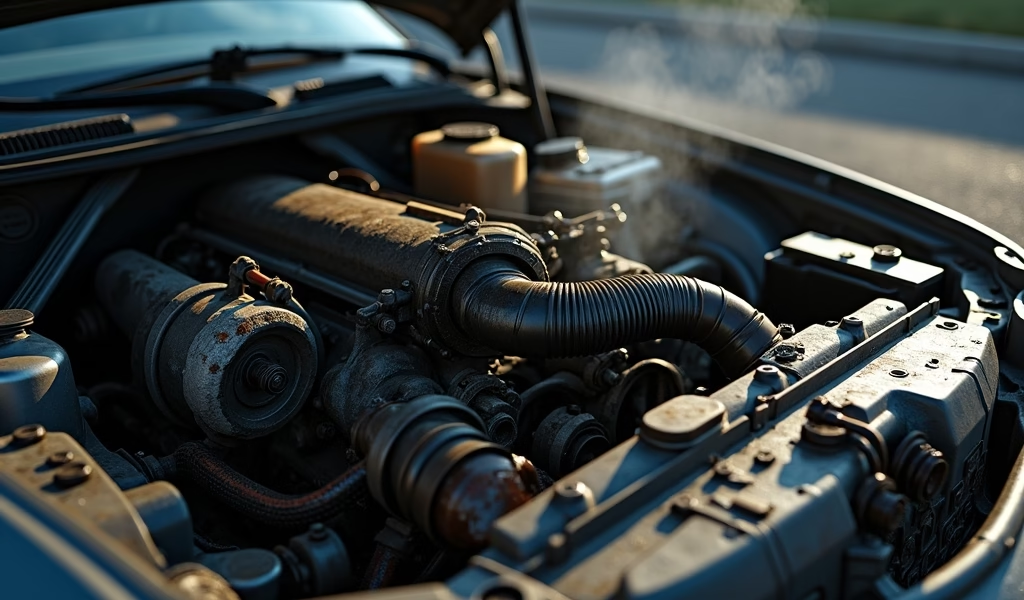
Follow Scheduled Maintenance
Your vehicle manufacturer spent millions developing a maintenance schedule that maximizes reliability and longevity. This isn’t a suggestion—it’s a carefully calibrated prescription for vehicle health, created by the same engineers who designed your engine.
Key engine-related maintenance items include:
- Timing belt replacement (typically every 60,000 to 100,000 miles)
- Spark plug replacement
- Fuel filter changes
- Oxygen sensor monitoring
- Throttle body cleaning
Finding reliable service providers is crucial. Look for shops with ASE-certified technicians who follow manufacturer specifications and use quality parts. The relationship between you, your vehicle, and your mechanic should be built on trust and expertise—like finding a good doctor, it pays dividends in the long run.
Consider the math: scheduled maintenance might cost a few hundred dollars annually, while major engine repairs can run into thousands. Prevention isn’t just better than cure—it’s vastly more affordable. According to AAA research, every dollar spent on routine maintenance saves an average of $100 in repair costs.
Keep a maintenance log—either on paper or using a smartphone app—to track service history and plan future maintenance. This record not only helps you stay on schedule but adds value when selling your vehicle.
Address Warning Lights Immediately
Modern vehicles are equipped with sophisticated sensors that monitor various engine parameters. When something goes awry, your dashboard becomes an illuminated messenger of potential trouble.
The check engine light is perhaps the most misunderstood warning. It doesn’t necessarily mean catastrophic failure is imminent—it could be something as simple as a loose gas cap or as serious as a failing catalytic converter. Either way, it deserves prompt attention.
Other critical engine-related warnings include:
- Oil pressure warning (red oil can icon)—Stop driving immediately!
- Temperature warning—Pull over safely before serious damage occurs
- Battery warning—Your charging system needs attention
Ignoring these warnings is like ignoring chest pain—what could be a minor issue addressed with simple intervention might develop into a critical and expensive problem. I’ve seen countless engines destroyed because owners drove “just a few more miles” with warning lights blazing.
Basic code readers that connect to your vehicle’s OBD-II port (typically under the dashboard) can provide insight into specific issues triggering warning lights. These affordable tools can help distinguish between minor and major problems, potentially saving you unnecessary trips to the mechanic.
While DIY diagnostics are valuable, professional help is essential for persistent warning lights or serious symptoms like overheating, unusual noises, or performance problems. Modern engines are complex systems—sometimes you need an expert’s trained eye.
Use Quality Fuel and Additives
Your engine’s diet directly affects its performance and longevity. Using the manufacturer’s recommended fuel octane rating ensures proper combustion timing and prevents engine knock—that pinging sound that signals potentially damaging premature combustion.
Higher octane isn’t always better. Unless your vehicle specifically requires premium fuel, you’re simply donating extra dollars to the oil companies without benefiting your engine. Check your owner’s manual or the inside of your fuel door for the recommended octane rating.
Periodic use of quality fuel system cleaners can prevent carbon buildup on valves and injectors, maintaining efficiency and power. Look for cleaners containing polyisobutylamine, which is particularly effective at removing deposits. A treatment every 3,000 miles or quarterly keeps your fuel system in top condition.
In colder regions, winter-blend fuels contain additives that prevent fuel line freezing and improve cold-weather starting. Similarly, summer blends are formulated to reduce evaporation in hot weather, improving efficiency and reducing emissions.
If you’ll be storing your vehicle for more than a month, fill the tank to reduce condensation and add a fuel stabilizer to prevent the gasoline from deteriorating. Stale fuel can create varnish and gum deposits that clog fuel injectors and carburetors.
Finally, be selective about where you buy fuel. Reputable stations with high volume turnover typically deliver cleaner fuel with fewer contaminants. Those few-cents-per-gallon savings at the questionable station might cost you much more in the long run.
Conclusion
Your car’s engine is a masterpiece of engineering that, with proper care, can provide reliable service for many years beyond what most owners expect. The seven tips we’ve outlined represent a comprehensive approach to engine maintenance that protects your investment and saves money in the long run.
Remember that these practices aren’t just about avoiding breakdowns—they’re about maximizing performance, efficiency, and resale value. A well-maintained engine uses less fuel, produces fewer emissions, and delivers more consistent power throughout its life.
The most successful engine maintenance strategy is one that becomes routine. Schedule regular check-ups, listen to your vehicle, and address small issues before they become major problems. Your mechanical companion will reward your attentiveness with years of trouble-free operation.
Whether you’re driving a brand-new vehicle or keeping a beloved older model on the road, these principles apply universally. Engines may have evolved, but the fundamentals of proper care remain constant: clean fluids, clean air, proper operating conditions, and prompt attention to warning signs.
Implement these practices consistently, and you’ll enjoy the peace of mind that comes with knowing you’re driving a well-maintained vehicle ready for whatever journey lies ahead—while your wallet stays pleasantly fuller than those of less attentive vehicle owners.
Frequently Asked Questions
How often should I really change my oil?
Follow your owner’s manual recommendations, typically every 5,000-7,500 miles for conventional oil and 10,000-15,000 miles for synthetic. Severe driving conditions like frequent short trips or extreme temperatures may require more frequent changes.
Can using the wrong type of fuel damage my engine?
Yes, using lower octane than recommended can cause engine knock and potential damage. However, using higher octane than required generally offers no benefit except to your fuel station’s profit margin.
What’s the single most important maintenance task for engine longevity?
Regular oil changes are the cornerstone of engine longevity. Clean oil properly lubricates critical components, removes contaminants, and helps maintain operating temperature.
How serious is it if my check engine light comes on?
A steady check engine light indicates an issue requiring attention but not necessarily an emergency. A flashing check engine light signals a severe problem that could cause immediate damage—reduce power and have the vehicle serviced immediately.
Is it bad to drive my car for short distances only?
Frequent short trips prevent your engine from reaching optimal operating temperature, which can lead to increased wear and oil contamination. Try to include a longer drive occasionally to fully warm the engine and evaporate moisture.