

Overview
This article provides five essential tips for checking and maintaining brake fluid: locating the reservoir, assessing fluid level, evaluating fluid color, checking for leaks, and following maintenance schedules. Proper brake fluid maintenance is critical for vehicle safety, with the article recommending monthly level checks and complete fluid replacement every 2-3 years.
Table of Contents
- Introduction: Why Brake Fluid Matters
- Tip 1: Locate Your Brake Fluid Reservoir
- Tip 2: Assess Fluid Level Properly
- Tip 3: Evaluate Fluid Color and Clarity
- Tip 4: Check for Leaks and System Integrity
- Tip 5: Follow Proper Maintenance Schedules
- Conclusion: Keeping Your Braking System in Prime Condition
- Frequently Asked Questions
Introduction: Why Brake Fluid Matters
Your car’s braking system is like the trusty parachute of a skydiver – not something you want to fail when you need it most. At the heart of this critical safety system lies brake fluid, the unsung hero that transforms your foot pressure into stopping power.
Despite its importance, brake fluid often gets overlooked during routine maintenance checks, potentially leaving you in a precarious situation when you least expect it. As a mechanic with 15 years under my belt, I’ve seen too many close calls that could have been avoided with simple fluid checks.
Low or contaminated brake fluid doesn’t just reduce braking efficiency; it can lead to complete brake failure – turning an everyday commute into a white-knuckle experience nobody wants to have. The good news? Checking your brake fluid is a straightforward maintenance task that anyone can master, regardless of mechanical expertise.
Let me walk you through how to check brake fluid properly, sharing the same techniques I use in my professional garage. These five proven tips will help ensure your vehicle’s most critical safety system remains in top condition. After all, knowing the state of your essential vehicle fluids is fundamental to safe driving.
Tip 1: Locate Your Brake Fluid Reservoir
Finding your brake fluid reservoir is like a mini treasure hunt under your hood, though fortunately, it’s usually in plain sight. In most vehicles, the reservoir sits near the firewall on the driver’s side of the engine compartment. It’s typically a translucent plastic container that allows you to see the fluid level without opening it.
The reservoir usually has clear “MIN” and “MAX” markings on the side, making it easy to assess the fluid level at a glance. It might also have a label that says “Brake Fluid” or display a brake symbol to help with identification.
Every vehicle has its quirks, so if you’re struggling with a game of “Where’s Waldo?” under the hood, your owner’s manual will provide the exact location for your specific make and model. It’s always the best reference point for your vehicle’s particular layout.
In older vehicles (typically pre-1990s), you might find a metal master cylinder with a metal cap instead of the translucent plastic reservoir found in modern vehicles. These require you to actually open the cap to check the fluid level, which I’ll cover in the next tip.

Tip 2: Assess Fluid Level Properly
Checking your brake fluid level is a bit like checking the water level in a pool – conditions matter. Always ensure your vehicle is parked on level ground with the engine off before assessing the fluid level. This gives you an accurate reading without any misleading angles or pump activity affecting what you see.
Take a look at the side of the reservoir and locate the “MIN” and “MAX” indicators. Ideally, your fluid level should sit comfortably between these two marks, preferably closer to the “MAX” line. Think of it as maintaining a healthy buffer zone – you don’t want to be running on the bare minimum when it comes to something as crucial as your braking system.
If the fluid level is at or below the “MIN” line, it’s like your car is waving a red flag at you. This could indicate normal pad wear, which lowers fluid levels gradually, or it might signal a leak in the system. Either way, it’s time to take action – either by adding fluid or having the system inspected by a professional.
For older vehicles with metal master cylinders, you’ll need to carefully remove the cap to check the level. Before doing so, ensure the cap area is clean to prevent dirt from falling into the system. The fluid should be within about 1/4 inch of the top of the reservoir. Always replace the cap promptly and securely after checking.
Remember, sudden drops in brake fluid level are never normal and warrant immediate attention from a mechanic. As NHTSA safety guidelines emphasize, your braking system is not something to take chances with.
Tip 3: Evaluate Fluid Color and Clarity
Brake fluid can tell its own story through its appearance, much like how the rings of a tree reveal its age and health. Fresh brake fluid typically has a clear amber to light brown color, similar to a nice cup of apple juice. This pristine appearance indicates fluid that’s still doing its job effectively.
Over time, however, brake fluid becomes the hardest working fluid in your vehicle, enduring extreme heat cycles and gradually absorbing moisture from the air. This aging process turns the fluid darker – moving from amber to dark brown or even black – and may make it cloudy rather than clear.
This transformation isn’t just cosmetic. Contaminated or darkened fluid is like an athlete past their prime – not performing at optimal levels when you need peak performance. Moisture in the fluid lowers its boiling point, which can lead to brake fade during heavy braking situations.
When your fluid resembles cold coffee rather than apple juice, it’s sending a clear message that replacement time has arrived. Even if the level is fine, discolored fluid requires changing during your next brake inspection to ensure optimal stopping power.
For the most accurate assessment, you can purchase inexpensive brake fluid test strips that measure the fluid’s moisture content. These work like pool testing kits and can give you a more definitive answer about your fluid’s condition beyond just visual inspection.
While checking fluid color, also look for any floating particles or debris in the reservoir. Clean brake fluid should be free from contaminants. If you spot any debris, it might indicate internal wear in the braking system that requires professional attention.
Tip 4: Check for Leaks and System Integrity
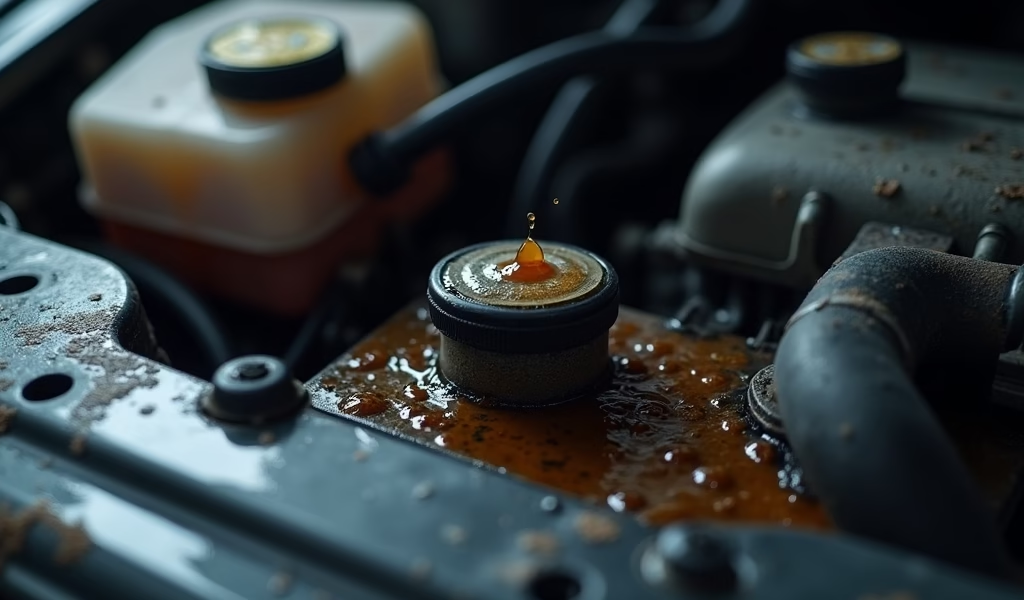
A brake fluid leak is like a slow-draining bank account – it might not seem urgent initially, but it eventually leads to a serious problem. Regular inspections can catch these issues before they become critical. Look for small puddles under your vehicle that have a clear to amber color and slippery, oily consistency.
While you’re checking fluid levels, take a moment to visually inspect visible brake lines and components for any signs of wetness or fluid trails. Pay particular attention to areas around the wheels and under the master cylinder. Any moisture or dampness in these areas suggests a leak that needs addressing.
Remember, brake fluid doesn’t get consumed during normal operation like engine oil or coolant might. If you notice your fluid level dropping consistently, it’s like having a hole in your pocket – something is allowing that vital fluid to escape.
A comprehensive check involves looking at these key areas:
- Around each wheel where brake calipers and wheel cylinders reside
- Along brake lines that run from the master cylinder to each wheel
- At connection points and fittings throughout the system
- Under the master cylinder and around the reservoir itself
- On the inside of tires where leaking fluid might spray during driving
If you spot any leaks, don’t attempt to drive the vehicle until it’s been properly repaired. Brake system leaks can worsen suddenly, leading to partial or complete brake failure. This is definitely a “better safe than sorry” scenario where professional intervention is warranted.
According to Car and Driver’s research, even small brake fluid leaks can quickly escalate into major safety hazards. When it comes to your braking system, proactive detection and repair of leaks isn’t just about maintenance – it’s about preserving your safety on the road.
Tip 5: Follow Proper Maintenance Schedules
Maintaining your brake fluid is like keeping up with dental checkups – regular attention prevents major problems down the road. Most automotive experts recommend checking your brake fluid level at least once a month, or whenever you check your oil. This frequent monitoring helps you catch potential issues before they affect your braking performance.
Complete fluid replacement is generally recommended every 2-3 years, regardless of mileage or appearance. This might seem excessive if the fluid still looks relatively clean, but brake fluid deteriorates from the inside out due to heat and moisture absorption – problems you can’t always see with the naked eye.
Your comprehensive car brake maintenance guide should include these fluid-related milestones:
- Monthly: Visual inspection of fluid level and color
- Every 6 months: Detailed check for leaks and system integrity
- Every 2-3 years: Complete brake fluid flush and replacement
- When brake work is performed: Fluid top-off or replacement
- Immediately: Address any noticeable changes in brake performance
Always use the correct type of brake fluid for your vehicle. Brake fluid comes in several varieties (DOT 3, DOT 4, DOT 5, DOT 5.1), and they’re not interchangeable like different brands of motor oil might be. Using the wrong type is like putting diesel in a gasoline engine – it creates more problems than it solves.
Your owner’s manual specifies exactly which type your vehicle requires. For instance, most modern vehicles use either DOT 3 or DOT 4 fluid, with performance vehicles often requiring the higher temperature tolerance of DOT 4. Mixing types can lead to fluid degradation, seal damage, or even braking system failure.
When adding fluid, always use a fresh, unopened container. Brake fluid absorbs moisture from the air even while sitting in an opened container, so that half-used bottle from two years ago in your garage might already be compromised. As Consumer Reports notes, using contaminated fluid can be just as harmful as not changing it at all.
Conclusion: Keeping Your Braking System in Prime Condition
Just as you wouldn’t ignore a persistent cough or concerning health symptom, don’t overlook the vital signs your brake system provides. Regular brake fluid checks form the cornerstone of a safe braking system, potentially saving you from costly repairs or dangerous driving situations.
While checking your brake fluid level and condition is within most car owners’ capabilities, remember that the braking system is complex and critical to your safety. If you notice any concerning signs or aren’t confident in your assessment, it’s always better to consult with professionals.
Make brake fluid checks part of your regular vehicle maintenance routine – perhaps while waiting for your windshield washer fluid to fill or your oil to drain during changes. This small investment of time provides significant returns in safety and peace of mind.
Have you discovered any tips that make regular maintenance checks easier to remember or perform? I’d love to hear about your brake maintenance experiences in the comments below. After all, in the grand race of vehicle maintenance, sometimes knowing when to stop is just as important as knowing how to move forward.
Frequently Asked Questions
How often should I check my brake fluid?
Check your brake fluid level monthly or during every oil change. This regular schedule helps catch potential issues before they become serious problems.
Can I just top off low brake fluid without investigating why it’s low?
No, you should always investigate the cause of low brake fluid before simply adding more. Low fluid typically indicates either brake pad wear or a leak that requires immediate attention.
What color should brake fluid be?
Fresh brake fluid should be clear amber or light brown, similar to apple juice. Darkened or cloudy fluid indicates contamination and should be replaced.
Can I mix different DOT types of brake fluid?
No, you should never mix different DOT types of brake fluid. Always use the specific type recommended in your vehicle’s owner manual to prevent potential system damage.
Is changing brake fluid something I can do myself?
While checking fluid is DIY-friendly, a complete brake fluid flush requires proper bleeding techniques and should typically be done by a professional. Improper bleeding can introduce air into the system, making brakes dangerously ineffective.