

Overview
This detailed guide outlines a professional 7-step car detailing process including proper washing techniques, clay bar treatment, paint protection, and interior cleaning methods that can save $150-$500 in professional costs. The article emphasizes using the right tools and techniques for each specific task, maintaining a regular cleaning schedule, and paying attention to often overlooked areas to achieve showroom-quality results at home.
Table of Contents
- Introduction
- Essential Supplies for Pro-Level Detailing
- Proper Washing Technique
- Perfect Drying Techniques
- Clay Bar: The Secret Weapon
- Paint Protection That Lasts
- Interior Detailing Excellence
- Final Touches and Maintenance
- Conclusion
- Frequently Asked Questions
Introduction
There’s something absolutely magical about sliding into a freshly detailed car. That gleaming dashboard, spotless upholstery, and intoxicating fresh scent create an experience that transforms your daily commute into something special. As a veteran automotive technician with over 15 years under my belt, I’ve seen countless vehicles revitalized through proper detailing techniques.
Professional detailing can cost anywhere from $150 to $500 depending on your vehicle size and service level. The fantastic news? You can achieve breathtaking results right in your own driveway with the right knowledge and tools. This comprehensive guide will walk you through my proven 7-step process for how to detail a car like a pro without breaking the bank.
Whether you’re preparing your vehicle for sale, getting ready for a special occasion, or simply take tremendous pride in your ride, these powerful techniques will transform your car from ordinary to showroom-worthy. Let’s dive into the essentials of professional-grade detailing that will have your neighbors asking for your secrets.
Essential Supplies for Pro-Level Detailing
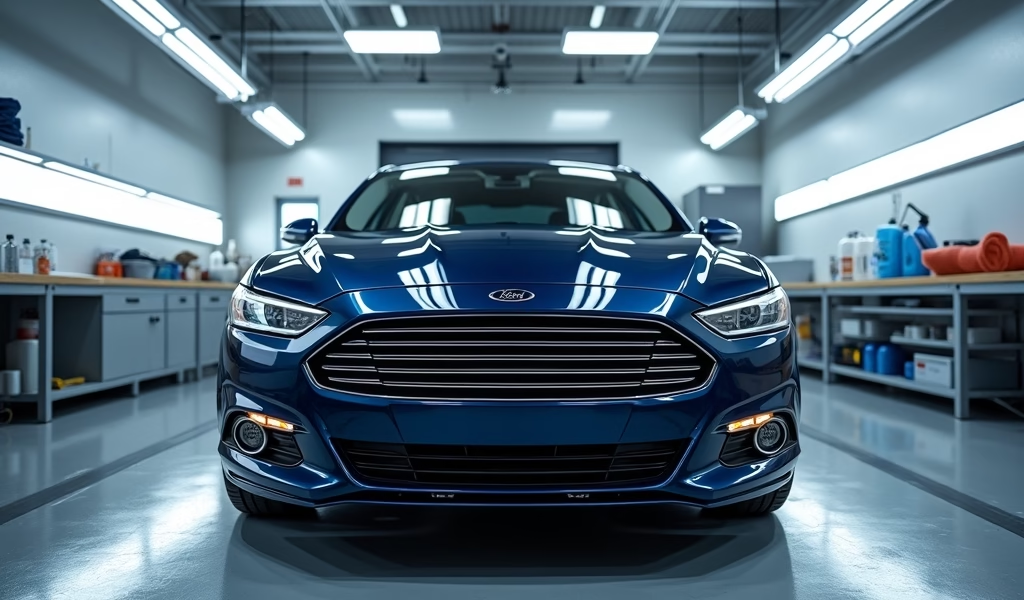
Every masterpiece begins with the right tools, and car detailing is no exception. Professional results require professional-grade supplies – not necessarily the most expensive options, but the right ones for each specific task.
First, let’s cover the absolute essentials you’ll need for a complete detail:
- Two high-quality wash buckets with grit guards
- pH-neutral car wash soap (never use dish soap!)
- Plush microfiber wash mitt
- Dedicated wheel cleaning brush
- Clay bar kit with lubricant
- At least 8-10 premium microfiber towels (separate ones for different areas)
- Car wax or sealant
- Glass cleaner (ammonia-free for tinted windows)
- Interior cleaner appropriate for your surfaces
- Vacuum with attachments
- Tire shine and applicator
The secret weapon in any detailer’s arsenal is microfiber technology. These revolutionary fabrics pick up and hold dirt rather than pushing it around. Invest in several high-quality microfiber towels with different colors for different zones – you absolutely don’t want to use the same cloth on your wheels and then your paint!
For spectacular results without breaking the bank, focus your investment on quality washing supplies and comprehensive detailing tools rather than fancy packaging or marketing gimmicks. According to Consumer Reports’ automotive testing, most specialty products perform similarly within their categories – the application technique makes the real difference.
Proper Washing Technique
The foundation of an extraordinary detail job is a proper wash. This critical first step removes surface contaminants before you get to the deep cleaning. Get this wrong, and you’ll be fighting an uphill battle with every subsequent step.
Always begin by rinsing your entire vehicle thoroughly with water to remove loose dirt and debris. This simple step dramatically reduces the risk of scratching your paint during washing. Next, prepare your two-bucket system – your first line of defense against swirl marks:
- Bucket #1: Soapy water with proper car wash soap
- Bucket #2: Clean rinse water with a grit guard at the bottom
The two-bucket method is absolutely revolutionary for preventing those frustrating swirl marks. Wash your car section by section, always working from the top down. After each section, rinse your mitt in the clean water bucket first to release dirt, then dip into your soap bucket. This prevents you from transferring contaminants back onto your clean paint.
Focus on gentle, straight-line motions rather than circular patterns. Circular washing is the primary culprit behind those unsightly swirl marks that appear in direct sunlight. Wash one panel at a time, rinsing thoroughly before moving to the next section.
For wheel cleaning, use dedicated brushes and cleaners designed specifically for your wheel type. Wheels require special attention as brake dust is highly corrosive and can permanently damage your expensive rims if left untreated. The spectacular transformation of clean wheels instantly elevates your car’s appearance with minimal effort.
Perfect Drying Techniques
Drying might seem straightforward, but it’s actually where many detailing disasters occur. Those innocent water droplets left to air-dry can leave stubborn mineral deposits that ruin your hard work. The right drying technique preserves your perfect finish and prevents water spots.
Start with a quality microfiber drying towel – those with a GSM (grams per square meter) rating of 350 or higher offer exceptional absorbency. The patting technique works best for initial drying: gently press the towel against the surface rather than dragging it across the paint.
For truly professional results, consider using a car-specific blower to force water out of crevices, mirrors, and other trap points. These powerful tools eliminate the need to wipe water from tight spaces, dramatically reducing the risk of scratching delicate surfaces.
A little-known professional secret is the drying aid spray. These remarkable products lubricate the surface as you dry, adding protection while virtually eliminating the possibility of marring your finish. Simply mist a small amount onto the panel before drying for an effortless, streak-free finish that will astound onlookers.
Remember those hard-to-reach areas like grilles, emblems, and door jambs that collect water. Use compressed air or a small microfiber towel to carefully dry these spots – they’re often the first to develop unsightly water spots and can ruin an otherwise flawless detailing job.
Clay Bar: The Secret Weapon
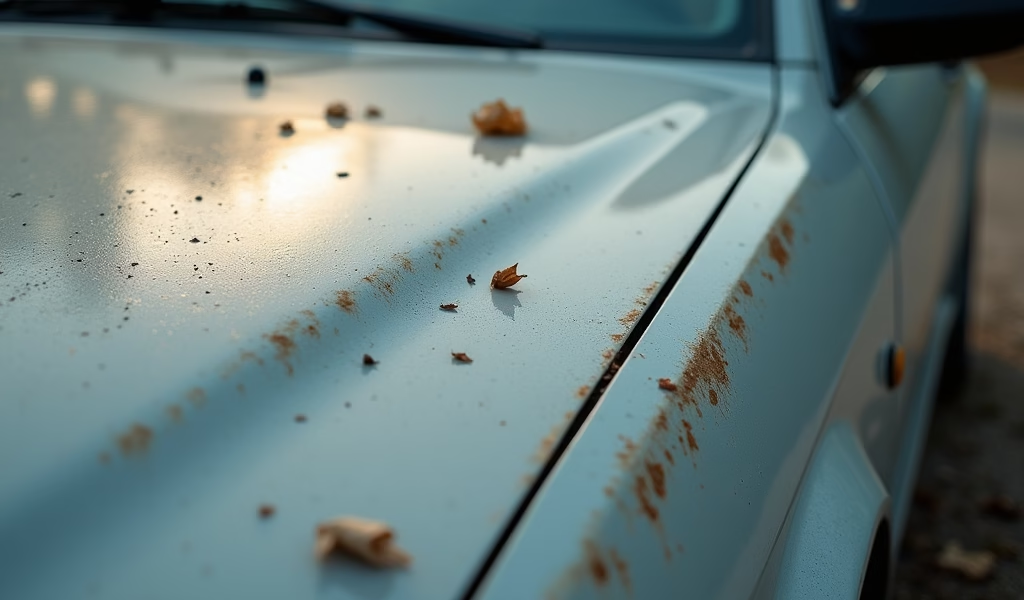
If you’ve never used a clay bar on your vehicle, prepare to be absolutely amazed by this game-changing technique. Even after a thorough wash, your paint likely harbors embedded contaminants that washing simply cannot remove – industrial fallout, tree sap, and airborne particles that bond to your paint.
The magic of clay bar treatment becomes instantly apparent when you feel your paint before and after. Before claying, run your clean hand across your freshly washed paint – you’ll likely feel slight roughness, almost like invisible sandpaper. After proper clay bar treatment, your paint will feel astonishingly smooth, like glass.
To clay bar effectively:
- Ensure your car is clean and cool to the touch
- Knead the clay until pliable
- Liberally spray clay lubricant on a small section (about 2×2 feet)
- Glide the clay across the surface with gentle pressure
- Wipe clean with a microfiber towel
- Refold the clay when it becomes dirty
You’ll be shocked by the visible contaminants that appear on your clay bar – these are the invisible enemies that were preventing your paint from reaching its full potential. This critical step creates the perfect canvas for your protection products and delivers that coveted glass-like finish.
Professional painting techniques always include clay bar treatment because it creates the ideal surface for protection. According to MotorTrend’s detailing experts, clay barring twice a year dramatically improves paint longevity and maintains that showroom shine.
Paint Protection That Lasts
Your freshly cleaned and clayed paint deserves premium protection. This crucial step not only creates that jaw-dropping shine but also shields your vehicle from environmental damage that can permanently degrade your paint.
You have three main options for paint protection, each with distinct advantages:
- Carnauba Wax: Delivers the warmest, deepest shine with moderate protection (2-3 months)
- Synthetic Sealant: Provides outstanding protection with brilliant reflectivity (6-12 months)
- Ceramic Coating: Offers exceptional hardness and longevity with stunning gloss (1-5 years)
For most enthusiasts, a quality synthetic sealant offers the perfect balance of protection, shine, and ease of application. Apply your chosen product in the shade on cool paint, working in small, manageable sections. The cardinal rule: less is more! A thin, even application cures properly and removes easily, while excessive product causes frustrating hazing and streaking.
Use straight, overlapping motions when removing product rather than circular patterns to prevent introducing swirls. Allow the product to fully cure according to the manufacturer’s instructions before exposing your vehicle to the elements – patience during this phase rewards you with superior protection and depth.
Don’t forget often-neglected areas like door jambs, trunk edges, and the fuel door. These vulnerable spots are particularly susceptible to corrosion and benefit tremendously from proper protection. This meticulous attention to detail distinguishes an amateur cleaning job from true professional-grade detailing.
Interior Detailing Excellence
While a gleaming exterior turns heads, the interior is where you actually experience your vehicle. A thorough interior detail transforms your daily driving experience from mundane to magnificent, creating a sanctuary that delights every time you open the door.
Begin by removing everything from your interior – floor mats, personal items, and trash. This critical step gives you unobstructed access to every surface. Next, vacuum thoroughly using appropriate attachments for different areas. The crevice tool is perfect for those frustrating tight spaces between seats and consoles.
For truly extraordinary results, use compressed air to blast dust from vents, switches, and other inaccessible areas before vacuuming. This professional technique captures dust that would otherwise simply relocate during cleaning.
Each interior surface requires specific treatment:
- Leather: Clean with pH-balanced cleaner, then apply leather conditioner to prevent cracking and maintain that supple feel
- Fabric: Use upholstery cleaner with a soft brush, working in sections and extracting with a clean microfiber
- Plastic/Vinyl: Apply specialized cleaner with UV protection to prevent fading and cracking
- Carpets: Use carpet cleaner with a stiff brush, followed by thorough extraction
Windows deserve special attention as streaks and residue can create dangerous glare and visibility issues. Clean interior glass with an ammonia-free cleaner and a waffle-weave microfiber towel for a streak-free finish. The pro tip? Clean in two directions – horizontal for the outside, vertical for the inside – so you can instantly identify which side has streaks if needed.
For that captivating new car smell, skip the chemical air fresheners and instead focus on thorough interior cleaning techniques that eliminate odor sources rather than masking them. A premium interior detailer sprayed on your air filter at the conclusion provides a subtle, clean scent that isn’t overwhelming.
Final Touches and Maintenance
The difference between a good detail and a spectacular one often comes down to those final touches that most people overlook. These seemingly small details create a cohesive, professional appearance that stands out dramatically.
Pay special attention to these often-neglected areas:
- Tire sidewalls (clean before applying tire shine)
- Door jambs and sills
- Engine bay (a clean engine is cooler and easier to service)
- Exhaust tips (metal polish works wonders here)
- Exterior trim and emblems
For tire dressing, less is absolutely more. Apply a small amount to an applicator rather than spraying directly on tires, focusing on the sidewalls and avoiding the tread. This prevents sling and creates that perfect satin finish that looks sophisticated rather than greasy.
To maintain your spectacular results, develop a regular maintenance schedule. A quick detail spray between washes can maintain your finish for weeks longer than otherwise possible. Keep a small detailing kit in your trunk for unexpected bird droppings or tree sap – these contaminants can etch permanently into your paint if left untreated.
Most professional detailers recommend a schedule of:
- Weekly: Quick wash and interior wipe-down
- Monthly: Full wash, vacuum, and quick detail
- Quarterly: Complete detailing process including clay and protection
This proactive approach prevents contaminants from bonding to your surfaces and maintains that showroom-fresh appearance with minimal effort. Remember, consistent maintenance is far easier than correcting neglect!
Conclusion
Mastering how to detail a car like a pro isn’t just about keeping your vehicle clean—it’s about preserving your investment, enhancing your driving experience, and taking tremendous pride in your ride. The techniques we’ve covered represent the collective wisdom of professional detailers who’ve spent decades perfecting these methods.
Remember that exceptional detailing is about patience and process rather than shortcuts. Each step builds upon the previous one, creating results that simply can’t be achieved by skipping ahead. From proper washing techniques to clay bar treatment and paint protection, each phase contributes to that head-turning finish that distinguishes a professionally detailed vehicle.
As you implement these powerful techniques, you’ll discover that professional-grade detailing becomes easier and faster with practice. Your eye will develop to spot areas that need attention, and your technique will refine with each detail session. Before long, you’ll be the neighborhood detailing expert, fielding questions about your secrets to that spectacular shine.
Now grab your supplies, set aside a weekend morning, and prepare to transform your vehicle into something truly special. Your car—and everyone who sees it—will thank you!
Frequently Asked Questions
How often should I detail my car?
For optimal results, perform a basic detail monthly and a complete detail quarterly. This schedule prevents contaminant buildup while maintaining your paint’s protection and shine.
Can I detail my car in direct sunlight?
Avoid detailing in direct sunlight whenever possible as products dry too quickly and may leave streaks or spots. Work in the shade or on overcast days for best results.
Is it worth using a clay bar on a new car?
Absolutely! Even brand new vehicles collect contaminants during transport and lot storage. Clay barring a new car creates the perfect surface for long-term protection.
How long does a complete detail take?
A thorough detail typically takes 4-6 hours for an average-sized vehicle. The investment of time delivers results that last for months with proper maintenance.
What’s the biggest mistake amateur detailers make?
Using incorrect products for surfaces, particularly dish soap on paint or ammonia-based cleaners on tinted windows. Always use products specifically formulated for automotive applications.
Pingback: Learn How to Polish Car Paint: 5 Steps - knowsyourcar.com