

Overview
This article details six essential fluids car owners must regularly check and maintain: engine oil, transmission fluid, coolant/antifreeze, brake fluid, power steering fluid, and windshield washer fluid. Regular monitoring of these fluids prevents expensive repairs, extends vehicle life, and ensures safety, with the article providing specific checking procedures, warning signs of problems, and a recommended maintenance schedule for DIY maintenance.
Table of Contents
- Understanding Car Fluids: Why They Matter
- Engine Oil: The Lifeblood of Your Vehicle
- Transmission Fluid: Keeping Your Gears Shifting Smoothly
- Coolant/Antifreeze: Your Engine’s Temperature Regulator
- Brake Fluid: Safety in a Bottle
- Power Steering Fluid: The Secret to Effortless Turning
- Windshield Washer Fluid: Clear Vision in All Conditions
- Creating a Fluid Check Schedule That Works
- DIY vs. Professional Fluid Checks: When to Call a Pro
- Warning Signs of Fluid Issues
- Conclusion
- Frequently Asked Questions
Understanding Car Fluids: Why They Matter
Let’s be honest – most of us don’t give our car fluids a second thought until something goes wrong. But these Essential Fluids Every Car Owner Must Check are the unsung heroes keeping your vehicle running smoothly day after day. Think of your car as a complex living organism, with these fluids serving as its vital bodily fluids. Without them, things start to break down fast.
In my 20+ years as a mechanic, I’ve seen countless preventable breakdowns and expensive repairs that could have been avoided with some basic fluid maintenance. The truth is, regularly checking your fluids is one of the simplest ways to extend your vehicle’s life and avoid those heart-stopping repair bills.
Whether you’re a seasoned car enthusiast or someone who sees vehicles as nothing more than a way to get from A to B, understanding these essential fluids will save you time, money, and roadside frustration. Let’s dive into the world of automotive fluids – I promise to keep things simple, practical, and maybe even a bit entertaining along the way.
Engine Oil: The Lifeblood of Your Vehicle
If your car had a hierarchy of important fluids, engine oil would sit proudly at the top. It’s quite literally the lifeblood of your engine, and for good reason. Engine oil lubricates all those metal parts that would otherwise grind against each other, creating friction and heat that can destroy an engine in minutes.
But that’s not all it does. Engine oil also helps cool your engine, clean internal components, and even helps improve fuel efficiency. Pretty impressive for something most folks only think about during oil changes!
To check your oil level properly, follow these steps:
- Make sure your car is parked on level ground with the engine off and cool (ideally after sitting for at least 10 minutes)
- Pop the hood and locate the dipstick – it usually has a brightly colored handle
- Pull it out, wipe it clean with a lint-free cloth, then reinsert it fully
- Pull it out again and check where the oil line falls between the minimum and maximum markers
The color and consistency tell you a lot about your engine’s health. Fresh oil is amber and transparent. If yours is dark black or has a gritty texture, it’s time for an oil change. And if you notice it’s milky or has a sweet smell, you might have coolant leaking into your oil – definitely get that checked out by a pro.
Ideally, you should be checking your engine oil level at least once a month. This simple five-minute check can save you thousands in engine repairs and give you peace of mind on those longer drives. According to a study by AAA, proper oil maintenance can extend engine life by up to 50%.
Transmission Fluid: Keeping Your Gears Shifting Smoothly
Next up in our fluid hierarchy is transmission fluid – the unsung hero that keeps your car shifting gears without drama. Whether you drive an automatic or manual transmission, this specialized fluid lubricates, cools, and cleans the internal components of your transmission system.
Checking transmission fluid is a bit trickier than engine oil, and the process differs between automatic and manual transmissions. For most automatics, you’ll need to:
- Start the engine and let it warm up to operating temperature
- With the parking brake on and your foot on the brake, cycle through all gears and then return to park
- Locate the transmission dipstick (often with a red handle, but check your owner’s manual if unsure)
- Pull it out, wipe it clean, reinsert fully, and check the level on the second pull
For manual transmissions, there’s typically no dipstick. Instead, there’s a fill plug on the side of the transmission case. Checking these levels often requires getting under the vehicle, so this might be one for your mechanic to handle during regular service.
Healthy transmission fluid should be red or pinkish and smell slightly sweet. If yours is brown or black, has a burnt smell, or contains particles, your transmission is crying out for attention. Don’t ignore these signs – transmission repairs are among the most expensive in the automotive world.
Most manufacturers recommend checking transmission fluid every month or two, though modern “lifetime” fluids may require less frequent checks. That said, I’ve yet to meet a transmission fluid that truly lasts a “lifetime,” so regular checks are still smart preventative maintenance.
Coolant/Antifreeze: Your Engine’s Temperature Regulator
Engines generate tremendous heat – we’re talking temperatures that could melt components if left unchecked. That’s where coolant (also called antifreeze) comes in. This bright-colored fluid circulates through your engine and radiator, absorbing heat and keeping operating temperatures in the safe zone.
Beyond cooling, modern antifreeze also prevents freezing in cold climates (hence the name), inhibits corrosion, and protects against scale buildup in your cooling system. It’s truly a multi-tasking marvel.
Checking your coolant level is straightforward but comes with an important safety warning: NEVER open your radiator cap or coolant reservoir when the engine is hot. The system is pressurized, and opening it can result in serious burns. Always wait until the engine is completely cool.
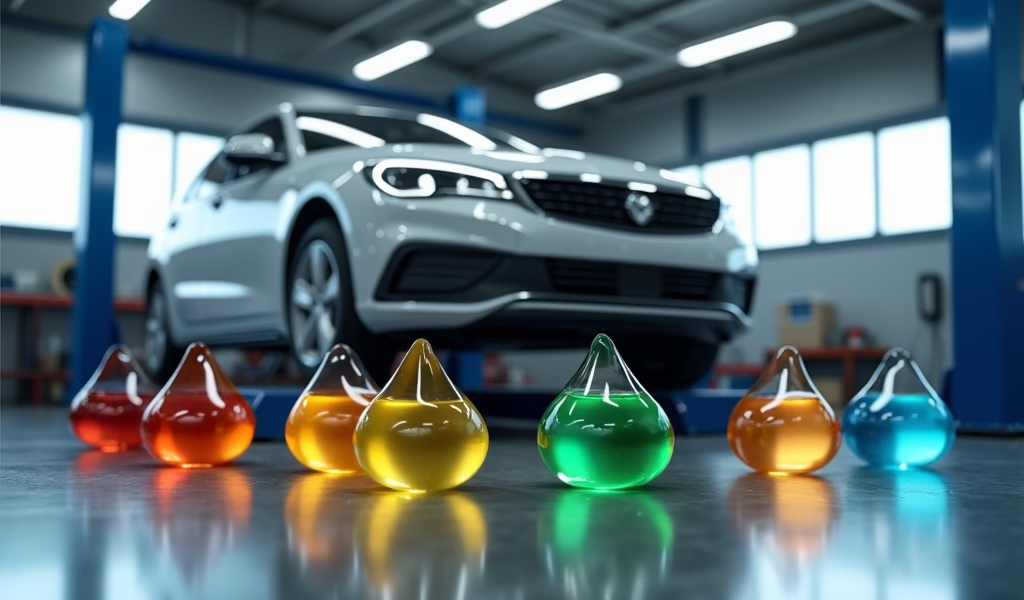
Most modern cars have a transparent coolant reservoir with “min” and “max” markings. When the engine is cool, the fluid level should be between these marks. The color varies by manufacturer – green, orange, pink, blue – but it should always be bright and clear. Rusty, cloudy coolant means trouble.
Unlike oil, coolant doesn’t need frequent replacement, but its level and condition should be checked monthly. Most manufacturers recommend complete coolant flushes every 2-5 years or 30,000-50,000 miles. This is one of those essential car maintenance tasks that prevents overheating – a common cause of roadside breakdowns in summer months.
If you notice your coolant level dropping consistently, you likely have a leak somewhere in the system. Don’t just keep topping it off – find and fix the leak before it leaves you stranded with an overheated engine.
Brake Fluid: Safety in a Bottle
If there’s one fluid you really don’t want to ignore, it’s brake fluid. This unassuming liquid is what transfers the force from your foot on the brake pedal to the brake calipers that actually stop your wheels. In other words, it’s what makes your car stop when you want it to.
Brake fluid works in a closed hydraulic system and is hygroscopic – fancy word meaning it absorbs moisture from the air over time. This moisture contamination lowers the fluid’s boiling point, which can lead to brake fade or complete brake failure under heavy braking conditions.
Checking your brake fluid is pretty simple:
- Locate the brake fluid reservoir – it’s usually near the back of the engine bay on the driver’s side
- The reservoir is typically transparent with “min” and “max” markings
- The fluid should be between these marks and should be clear with an amber tint
- If it’s dark brown or black, it’s time for a brake fluid flush
A common misconception is that low brake fluid just needs topping up. While this might sometimes be the case, brake fluid doesn’t get “used up” during normal operation. If your level is low, it usually indicates worn brake pads or a leak in the system – both of which require immediate attention.
According to the National Highway Traffic Safety Administration, brake system failures contribute to approximately 22% of vehicle mechanical failure crashes. Most manufacturers recommend checking brake fluid every oil change and replacing it every 2-3 years, regardless of mileage.
Power Steering Fluid: The Secret to Effortless Turning
Remember the last time you tried parallel parking? Thank your power steering fluid for making that maneuver manageable. This hydraulic fluid creates the pressure that helps you turn your steering wheel with minimal effort – something you’ll definitely notice if it ever runs low!
Not all vehicles use traditional hydraulic power steering – many newer models use electric systems that don’t require fluid at all. But if your car does have power steering fluid, checking it is relatively simple:
- Some cars have a transparent reservoir with level markings
- Others have a dipstick attached to the reservoir cap
- The fluid should be clear with a red or pinkish tint
- Brown or black fluid with a burnt smell indicates it’s time for a flush
One quick note: some manufacturers specify that power steering checks should be done with the engine running and others with it off. Your owner’s manual will tell you which is correct for your vehicle.
Unlike some other fluids, power steering fluid doesn’t have a universal service interval. Some cars never need it changed, while others recommend replacement every 50,000 miles or so. What you should definitely watch for are warning signs: whining noises when turning, difficulty steering, or fluid leaks under the car.
If you do notice steering becoming harder or hear strange noises when turning, don’t ignore it. Power steering problems tend to get worse over time, and they can make your vehicle dangerously difficult to control in emergency situations.
Windshield Washer Fluid: Clear Vision in All Conditions
I know what you’re thinking – “Really? You’re including windshield washer fluid as an essential fluid?” Absolutely! While it may not affect your engine’s performance, it’s critical for something equally important: your ability to see clearly while driving.
This one is dead simple to check and refill. Most cars have a translucent reservoir with a windshield or water symbol on the cap. You can typically see the fluid level without opening anything. When it gets low, just pop the cap and refill it.
But there are a few things worth knowing about washer fluid:
- Don’t use plain water – it freezes in winter, doesn’t clean as well, and can promote bacterial growth
- Choose the right formula for your climate – winter formulas contain antifreeze components for cold weather
- Some premium fluids include rain repellent properties or enhanced cleaning power for bug splatter
I recommend keeping your washer fluid reservoir full at all times and carrying an extra bottle in your trunk for long trips. Running out of washer fluid during a slushy highway drive or bug season can severely impact visibility and safety.
Unlike other fluids we’ve discussed, there’s no maintenance beyond keeping it filled. Just make sure you’re using the right type for your climate and driving conditions. Your windshield wipers will work better and last longer with proper washer fluid too!
Creating a Fluid Check Schedule That Works
Now that we’ve covered all the Essential Fluids Every Car Owner Must Check, let’s talk about creating a practical maintenance schedule. I’ve seen plenty of car owners with the best intentions who just never get around to these checks.
The key is making it simple and building it into your routine. Here’s what works for most people:
- Monthly checks: Engine oil, coolant level, washer fluid
- Quarterly checks: Transmission fluid, power steering fluid, brake fluid
- Every fill-up: Quick visual scan for leaks under the car
A smart approach is to tie these checks to another regular activity. For example, check your oil on the first Saturday of each month when you’re washing your car. Or make fluid checks part of your routine before any long road trip.
To make the process even easier, assemble a simple kit with paper towels, a funnel, and maybe even a dedicated notebook to track fluid levels and conditions over time. Patterns of consumption can reveal developing problems before they become serious.
Remember that these schedules are general guidelines – your specific vehicle might have different requirements. Modern cars with sealed systems might need less frequent checks, while older vehicles or those used in extreme conditions (towing, very hot or cold climates) might need more attention.
DIY vs. Professional Fluid Checks: When to Call a Pro
I’m a big advocate for car owners handling basic maintenance themselves. It saves money, helps you understand your vehicle better, and gives you a sense of satisfaction. But there are times when calling in a professional makes more sense.
For most drivers, these checks are perfectly reasonable DIY tasks:
- Engine oil level checks
- Coolant level checks
- Brake fluid level checks
- Windshield washer fluid
These might require professional help, especially for newer vehicles:
- Transmission fluid on vehicles without dipsticks
- Power steering fluid on complex systems
- Any fluid flush or replacement
- Diagnosing the cause of fluid leaks or consumption
If your vehicle is still under warranty, be aware that some manufacturers specify that fluid changes must be performed by certified technicians to maintain warranty coverage. Always check your warranty terms before diving into fluid maintenance yourself.
And of course, if you’re ever unsure about what you’re seeing during a fluid check – unusual colors, smells, or consistency – it’s better to consult a professional than guess. Most reputable shops will perform a basic fluid check for free or a nominal fee.
Warning Signs of Fluid Issues
Sometimes your car will tell you there’s a fluid problem before you even pop the hood. Learning to recognize these early warning signs can prevent small issues from becoming major repairs.
Here are some common symptoms and what they might mean:
- Dashboard warning lights: The most obvious indicators – never ignore these
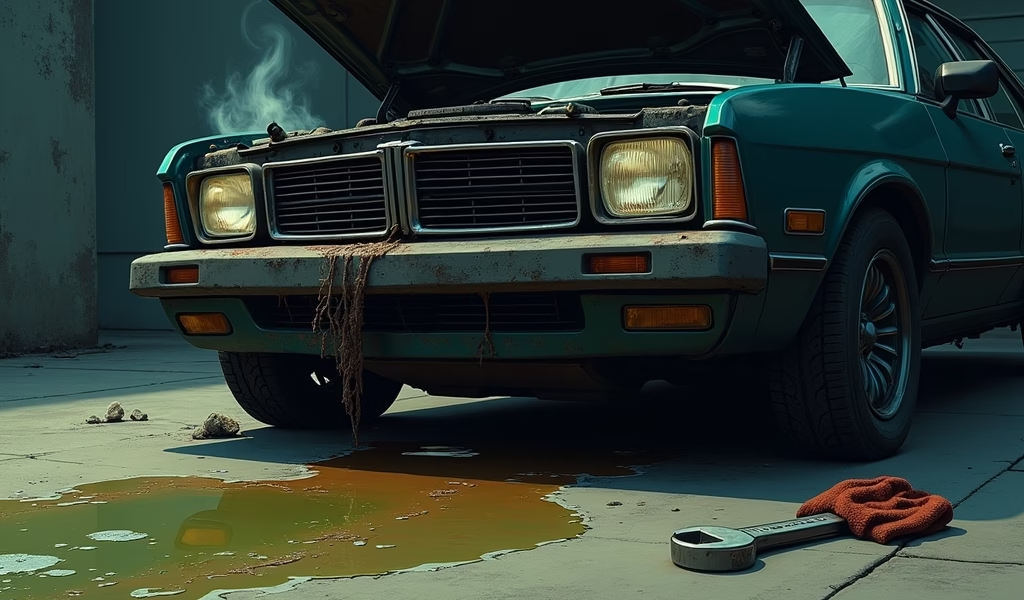
- Fluid puddles under your car: Different fluids have distinct colors that can help identify the source
- Burning smells: Often indicate overheating or fluid leaking onto hot engine parts
- Performance changes: Hard starting, rough idle, difficult steering, or soft brakes
- Unusual noises: Whining, grinding, or squealing can indicate fluid issues
If you notice fluid levels dropping consistently between checks, you’ve got a leak somewhere. Small leaks might just leave stains on your driveway, while larger ones will form puddles. The color can tell you a lot:
- Clear with a green, orange, or pink tint: Coolant
- Light to dark brown: Engine oil
- Red or pinkish: Transmission or power steering fluid
- Clear to light brown: Brake fluid
- Blue, green, or orange: Windshield washer fluid
Remember that modern vehicles are designed to warn you about critical fluid issues, but these warnings often come only after problems have become serious. Regular checks will catch issues in their early stages when they’re cheaper and easier to fix.
According to Car Care Council research, 23% of vehicles have low or dirty engine oil, and 22% have low or contaminated coolant. Don’t be part of those statistics!
Conclusion
Maintaining your vehicle’s essential fluids isn’t just about preventing breakdowns—it’s about safety, reliability, and protecting your investment. The few minutes you spend checking these Essential Fluids Every Car Owner Must Check each month can save you thousands in repair costs and extend your vehicle’s life significantly.
What I’ve found in my years as a mechanic is that the most expensive repairs often come from the most neglected maintenance. A $20 coolant top-up could prevent a $2,000 head gasket replacement. Five minutes checking your transmission fluid might save you from a $4,000 transmission rebuild.
Even if you’re not mechanically inclined, the basic fluid checks we’ve discussed are well within your capabilities. And if you’re ever unsure, don’t hesitate to ask for help – whether that’s from a knowledgeable friend or a trusted mechanic.
Your car takes care of you, faithfully getting you where you need to go day after day. By giving it this small amount of attention, you’re returning the favor and ensuring many more miles of trouble-free driving together. Here’s to smooth roads ahead!
Frequently Asked Questions
How often should I check my car’s fluids?
Engine oil, coolant, and washer fluid should be checked monthly, while transmission, brake, and power steering fluids can be checked quarterly. Increase the frequency for older vehicles or those driven in extreme conditions.
Can I mix different types of engine oil?
It’s best to stick with the same type and brand when topping up oil between changes. If necessary, mixing oils with different viscosities is less harmful than running your engine with low oil.
What happens if I drive with low brake fluid?
Low brake fluid can cause brake failure, putting you and others at serious risk. Never drive with a brake fluid warning light on or if you notice any change in brake performance.
Is it normal for my car to consume oil between changes?
Some oil consumption (about a quart per 1,000 miles) is normal, especially in older or high-performance engines. Excessive consumption could indicate worn seals, gaskets, or piston rings.
Can I just add more fluid when levels are low?
For engine oil and washer fluid, yes. For transmission, brake, power steering, and coolant, low levels often indicate leaks that should be addressed rather than just topping up.