
Overview
This article provides five essential tips for selecting the right car battery type based on climate conditions, vehicle power requirements, expected lifespan, when to upgrade, and proper maintenance techniques for different battery varieties. It explains the differences between common battery types (flooded lead-acid, AGM, EFB, gel cell, and lithium-ion) and emphasizes that choosing the appropriate battery can save money, prevent breakdowns, and ensure optimal vehicle performance.
Table of Contents
- Introduction to Car Battery Types
- Why Understanding Car Battery Types Matters
- Common Types of Car Batteries
- Tip 1: Match Your Battery to Your Climate
- Tip 2: Consider Your Vehicle’s Power Requirements
- Tip 3: Evaluate Battery Lifespan and Warranties
- Tip 4: Know When to Upgrade Your Battery Type
- Tip 5: Proper Maintenance for Different Battery Types
- Conclusion
- Frequently Asked Questions
Introduction to Car Battery Types
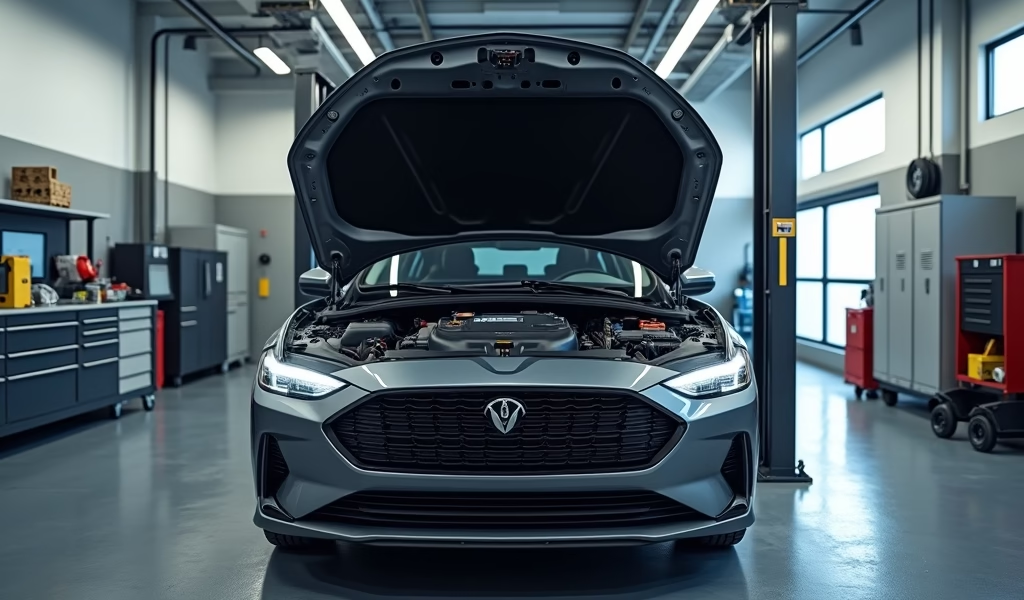
Ever popped your hood and wondered what that hefty rectangular box actually does? That’s your car battery – the unsung hero that brings your vehicle to life every morning. Understanding car battery types isn’t just mechanic talk; it’s essential knowledge for every driver who wants to avoid being stranded with a dead battery at the worst possible moment.
As a mechanic who’s replaced thousands of batteries over the years, I’ve seen firsthand how choosing the right battery can make or break your driving experience. The market offers various battery technologies, each with unique characteristics suited for different driving conditions, vehicles, and lifestyles.
In this guide, we’ll cut through the technical jargon and explore the world of car batteries in plain English. Whether you’re a first-time car owner or a seasoned driver looking to make smarter maintenance decisions, these five practical tips will help you navigate battery options with confidence.
Why Understanding Car Battery Types Matters
Think of your car battery as the heart of your vehicle’s electrical system. It provides the initial surge of electricity to start your engine and powers everything from your headlights to your radio when the engine isn’t running. Choosing the wrong type can lead to premature failure, leaving you stranded or facing costly replacements.
The right battery doesn’t just start your car reliably – it can save you money. Quality batteries typically last between 3-5 years, but selecting one ill-suited for your vehicle or driving conditions might cut that lifespan in half. That’s why knowing when to replace your car battery and which type to choose is crucial for preventative maintenance.
Climate plays a huge role too. If you live in Phoenix, your battery faces different challenges than someone driving in Alaska. Extreme temperatures—both hot and cold—affect battery performance and longevity, making climate considerations essential when selecting a battery type.
Finally, modern vehicles have increasingly complex electrical systems. From entertainment systems to advanced safety features, today’s cars demand more power than ever before. Understanding battery types helps ensure your vehicle gets the electrical support it needs for all its sophisticated components.
Common Types of Car Batteries
Let’s break down the main battery types you’ll encounter in today’s automotive world:
Flooded Lead-Acid Batteries (SLI)
These traditional batteries have been around for decades and remain the most common type. They’re called “flooded” because liquid electrolyte freely surrounds the lead plates inside. They’re affordable and reliable for standard vehicles with basic electrical demands.
Pros: Inexpensive, widely available, and good for conventional vehicles.
Cons: Require maintenance (checking water levels), can leak if tipped, and don’t perform well in extreme temperatures.
Absorbed Glass Mat (AGM) Batteries
A step up from traditional batteries, AGM designs use a fiberglass mat soaked in electrolyte solution to suspend the electrolyte next to the lead plates. This design prevents spillage and offers superior performance.
Pros: Maintenance-free, spill-proof, better cold-weather performance, longer lifespan, and capable of handling more demanding electrical systems.
Cons: More expensive than flooded batteries and may require special charging equipment.
Enhanced Flooded Batteries (EFB)
Think of EFBs as the middle ground between traditional flooded batteries and AGMs. They’re designed for modern vehicles with start-stop technology that frequently restarts the engine to save fuel.
Pros: Better cycling capability than traditional batteries, good value for money, and suitable for entry-level start-stop systems.
Cons: Not as durable as AGM batteries for vehicles with heavy electrical demands.
Gel Cell Batteries
In these batteries, the electrolyte is suspended in a gel-like substance. This design makes them extremely resistant to vibration and positioning issues.
Pros: Excellent deep-cycle capabilities, resistant to extreme temperatures, and can be mounted in almost any position.
Cons: Expensive, require specific charging procedures, and not widely available for everyday vehicles.
Lithium-Ion Batteries
The newest technology on the block, lithium-ion batteries are lightweight powerhouses that are becoming more common, especially in high-performance and electric vehicles.
Pros: Extremely lightweight (up to 80% lighter than lead-acid), long-lasting, excellent cold-weather performance, and maintain stable voltage levels.
Cons: Very expensive, require specialized charging and handling, and not directly compatible with all vehicles without modifications.
According to battery experts, the market is shifting toward AGM and lithium technologies as vehicles become more electrically complex, though traditional flooded batteries still dominate due to their affordability and availability.
Tip 1: Match Your Battery to Your Climate
Your geographic location should heavily influence your battery choice. Let me break this down by climate type:
Cold Weather Regions
If you live where winters bring freezing temperatures, cold cranking amps (CCA) become your best friend. This rating indicates how well a battery delivers current in cold conditions – the higher the CCA, the better your chances of starting on frosty mornings.
AGM batteries typically outperform flooded lead-acid in cold weather. Their sealed design resists freezing, and they generally maintain better performance when temperatures plummet. For extreme cold regions, consider batteries with CCA ratings of 650 or higher.
One Minnesota customer of mine switched from a standard battery to a high-CCA AGM and hasn’t had a single cold-start issue since – even during their notorious -30°F cold snaps.
Hot Weather Regions
Heat is actually more damaging to batteries than cold. In hot climates like the American Southwest, battery fluid evaporates faster, accelerating plate corrosion and reducing lifespan.
Look for batteries with good heat resistance, such as AGM or gel cell types. These sealed designs prevent evaporation and resist heat damage better than traditional flooded batteries. Some manufacturers also offer “tropical” formulations specifically designed for hot climates.
The Battery University research shows that a battery operating continuously at 92°F will last only half as long as one at 77°F, highlighting the importance of climate-appropriate selection.
Moderate or Variable Climates
For areas with moderate or changeable weather, versatility matters. Enhanced Flooded Batteries (EFB) often provide a good balance of cold-weather performance and heat resistance at a reasonable price point.
Remember that garaging your vehicle helps mitigate climate extremes, potentially extending the life of any battery type you choose.
Tip 2: Consider Your Vehicle’s Power Requirements
Not all vehicles are created equal when it comes to electrical demands. Understanding what your specific ride needs helps ensure you don’t underpower (or overspend on) your battery choice.
Basic Transportation
If you drive a simple commuter car without fancy electronics or modifications, a standard flooded lead-acid battery will likely serve you well. These vehicles typically have modest electrical demands that don’t require premium battery technology.
Look for a battery that matches your vehicle manufacturer’s recommended specifications for group size, terminal configuration, and reserve capacity.
Vehicles with Start-Stop Technology
Modern vehicles with fuel-saving start-stop systems place greater demands on batteries, as they may restart the engine thousands of times more often than traditional cars. These frequent cycling demands require specialized batteries.
At minimum, these vehicles need Enhanced Flooded Batteries (EFB), while more sophisticated systems require AGM batteries that can handle the constant discharge/recharge cycles without degrading.
High-Performance and Luxury Vehicles
Luxury and performance vehicles often come packed with power-hungry features – from heated seats to advanced infotainment systems and driver assistance technology. These vehicles demand batteries with higher reserve capacity.
AGM batteries are typically the go-to choice here, offering the stable voltage and higher capacity needed for feature-rich vehicles. Some high-end European models specifically require AGM batteries to function properly.
Modified Vehicles with Aftermarket Electronics
If you’ve added powerful audio systems, additional lighting, winches, or other accessories, your electrical system faces increased demands that factory batteries might not handle.
Consider dual-battery setups for serious modifications, with an AGM or deep-cycle battery dedicated to running accessories. This prevents draining your starting battery and leaving you stranded after enjoying your subwoofers in a parked car.
When installing aftermarket electronics, it’s worth consulting with a professional about proper battery installation to ensure your system can handle the additional load.

Tip 3: Evaluate Battery Lifespan and Warranties
Battery shopping isn’t just about finding the right type – it’s about making a smart investment. Understanding lifespan expectations and warranty terms helps you get the most value for your money.
Realistic Lifespan Expectations
Different battery types offer different lifespans under typical conditions:
- Conventional Flooded Batteries: 3-5 years
- Enhanced Flooded Batteries (EFB): 4-6 years
- AGM Batteries: 5-7 years
- Gel Cell Batteries: 5-8 years
- Lithium-Ion Batteries: 7-10+ years
Keep in mind that these are averages – actual performance varies based on climate, driving habits, and vehicle electrical demands. A battery regularly subjected to deep discharges (running accessories with the engine off) will typically have a shorter lifespan.
Understanding Warranty Coverage
Battery warranties typically come in two forms: full replacement periods and prorated periods. During the full replacement period, you’ll receive a new battery at no cost if yours fails. The prorated period offers partial credit toward a replacement, with coverage decreasing over time.
Premium batteries generally come with longer warranties – AGMs might offer 3-year full replacement warranties compared to 1-2 years for standard batteries. This difference reflects the manufacturer’s confidence in their product’s durability.
Don’t be fooled by warranties alone, though. A 7-year warranty with a short full replacement period and long prorated period may offer less value than a 5-year warranty with mostly full coverage.
Cost vs. Value Analysis
When comparing battery options, consider the annual cost rather than just the upfront price. A $200 AGM battery that lasts 6 years ($33/year) may be a better value than a $120 conventional battery lasting 3 years ($40/year).
For high-mileage drivers or those who rely heavily on their vehicles, the additional reliability of premium batteries often justifies the higher initial investment. Nothing’s more expensive than being stranded or missing important appointments due to battery failure.
Tip 4: Know When to Upgrade Your Battery Type
Sometimes, sticking with the same battery type your car came with isn’t the best strategy. Certain situations call for upgrading to a more advanced battery technology. Here’s when to consider making the switch:
After Experiencing Repeated Failures
If you’ve replaced your conventional battery multiple times within a short period, it’s a sign that your vehicle might need something more robust. Upgrading to an AGM battery can provide the additional resilience needed for vehicles that seem to “eat” standard batteries.
I’ve seen this frequently with vehicles that make many short trips, never allowing the battery to fully recharge. In these cases, AGM’s better cycling capability often solves the problem.
When Adding Electrical Accessories
Adding power-hungry accessories like dash cams, radar detectors, or amplifiers increases the load on your electrical system. If you’ve enhanced your vehicle with aftermarket electronics, upgrading your battery provides the additional reserve capacity needed to support these extras.
For serious audio enthusiasts, the stable voltage provided by AGM batteries can also prevent headlight dimming during bass drops – a common issue with powerful subwoofer systems running on standard batteries.
For Improved Cold Weather Performance
If winter starting has become a nail-biting experience, upgrading to an AGM battery with higher cold cranking amps can make a dramatic difference. AGM batteries typically maintain better performance in cold weather than their flooded counterparts.
This upgrade is particularly valuable for diesel engines, which require more cranking power in cold weather, or for vehicles parked outdoors in severe winter climates.
After Vehicle Computer or Electrical System Updates
Modern vehicles sometimes receive manufacturer updates to their engine control modules or other electronic systems. These updates can change the vehicle’s electrical demands, sometimes necessitating a more capable battery.
If your dealership recommends a battery upgrade after performing software updates, it’s generally wise to follow their advice to prevent potential issues with newer programming.
Tip 5: Proper Maintenance for Different Battery Types
Each battery type requires specific maintenance approaches to maximize lifespan and performance. Following these type-specific care guidelines can add years to your battery’s service life.
Flooded Lead-Acid Battery Maintenance
These traditional batteries require the most attention. Every 3-6 months (more often in hot climates), check the fluid levels in each cell and top off with distilled water if they’re low. Never use tap water, as minerals can damage the battery.
Regularly clean the terminals with a baking soda solution to prevent corrosion buildup. A wire brush works well for removing existing corrosion, followed by applying terminal protectant spray or petroleum jelly to prevent recurrence.
If your vehicle sits unused for extended periods, consider using a maintenance charger to prevent self-discharge, which can lead to sulfation and permanently damage the battery.
AGM and Gel Battery Maintenance
These sealed batteries require minimal maintenance, which is part of their appeal. You can’t (and shouldn’t try to) add water to these batteries. However, terminal cleaning remains important to ensure good electrical connections.
AGM and gel batteries are more sensitive to overcharging than flooded types. If using a battery charger, ensure it has an AGM-specific setting or “smart” charging capability that adjusts to battery type.
While these batteries resist self-discharge better than flooded types, they still benefit from a maintenance charger during storage longer than a month, especially in cold conditions.
All Battery Types: General Care Tips
Regardless of battery type, some maintenance practices apply universally:
- Keep batteries securely mounted to prevent vibration damage
- Ensure cables are tight but not overtightened
- Test your charging system annually to prevent over/undercharging
- Address parasitic drains promptly (lights staying on, etc.)
- Consider a battery insulation kit in extreme climates
Modern vehicles with sensitive electronics benefit from using a memory saver when disconnecting the battery for maintenance. These inexpensive devices maintain power to the vehicle’s computer, preventing loss of settings and learning adaptations.
Conclusion
Understanding car battery types isn’t just for mechanics or automotive enthusiasts – it’s practical knowledge that saves every driver time, money, and frustration. By matching your battery to your climate, vehicle requirements, and driving habits, you set yourself up for reliable starts and fewer roadside emergencies.
Remember that the cheapest battery rarely offers the best value in the long run. Consider the total cost of ownership, including expected lifespan and the potential cost of being stranded with a failed battery. Premium batteries like AGMs might cost more upfront but often deliver better reliability and longevity that justify their price.
As vehicles continue to evolve with more sophisticated electronics and power management systems, battery technology will keep advancing alongside them. Staying informed about these developments helps you make better choices when replacement time comes.
Whether you’re replacing a battery today or just preparing for future maintenance, these five tips provide a solid foundation for making smart battery decisions. Your vehicle’s electrical heart deserves the right care and feeding – give it what it needs, and it will reward you with years of trouble-free service.
Frequently Asked Questions
How do I know when my car battery needs replacement?
Look for warning signs like slow engine cranking, dim headlights, electrical issues, or a battery that’s more than 3-5 years old. A dashboard battery warning light or swollen battery case also indicates immediate replacement is needed.
Can I upgrade from a regular battery to an AGM battery?
Yes, most vehicles can be upgraded to an AGM battery for better performance and longevity. Just ensure the new battery matches your vehicle’s required group size and terminal configuration.
Do expensive batteries last longer than cheaper ones?
Generally, premium batteries (like AGMs) outlast standard batteries by 1-3 years under similar conditions. The higher quality materials and construction typically justify the price difference through extended service life.
What’s the difference between CCA and RC ratings on batteries?
Cold Cranking Amps (CCA) measures starting power in cold weather, while Reserve Capacity (RC) indicates how long a battery can run accessories if your charging system fails. CCA matters more for cold climates, while RC is important for vehicles with many electrical features.
Can I mix different battery types in a dual-battery setup?
It’s not recommended to mix battery types (like AGM with flooded) in connected systems as they have different charging requirements. For dual battery setups, use identical batteries or install an isolator to keep the systems separate.
Pingback: Car Battery Types Explained: Proven Tips - knowsyourcar.com