
Overview
This article provides specialized car care advice for Miami vehicle owners, focusing on protecting cars from the damaging effects of sun, salt, and sand through proper washing techniques, drying methods, protective coatings, and interior maintenance. It offers a detailed maintenance schedule ranging from weekly tasks to annual investments, emphasizing that consistent care is essential for preserving both appearance and resale value in Miami’s harsh tropical climate.
Table of Contents
- Miami’s Unique Car Care Challenges: Sun, Salt, and Sand
- Choosing the Right Car Wash: Options for Miami Vehicles
- DIY Washing Techniques: The Pro Approach to Home Cleaning
- Perfect Drying Methods: Preventing Water Spots in High Humidity
- Protection Strategies: Shields Against Miami’s Elements
- Interior Care: Combating Heat and Humidity Inside Your Vehicle
- Your Miami Car Maintenance Schedule
- Conclusion: Keeping Your Vehicle Miami-Beautiful
- Frequently Asked Questions
Miami’s Unique Car Care Challenges: Sun, Salt, and Sand
Finding the best car wash solutions in Miami isn’t just about keeping your ride looking pretty – it’s about defending your investment against a tropical assault. As a mechanic who’s spent years watching Miami’s unique climate wreak havoc on vehicles, I can tell you that our paradise comes with a price tag for your car’s finish.
Miami throws a triple threat at your vehicle daily: relentless sunshine, salt-laden air, and fine beach sand that seems to find its way everywhere. This combination isn’t just annoying – it’s downright destructive if left unchecked.
The sun beats down on Miami for an average of 248 days per year, bombarding your car’s paint with UV rays that break down the molecular structure of your finish. Think of it as a slow-cooking oven for your vehicle’s exterior. I’ve seen three-year-old cars with paint that looks decades old simply because their owners underestimated our sunshine.
Then there’s the salt. Even if you live miles inland, those ocean breezes carry microscopic salt particles that settle on your vehicle and begin their corrosive work immediately. Salt accelerates oxidation, eating through clear coats and paint until it reaches the vulnerable metal beneath. The process is silent but relentless.
Add in the fine sand and road grit that acts like sandpaper against your paint during improper washing, and you’ve got a recipe for a vehicle that ages in dog years compared to cars in milder climates.
The good news? With the right approach to washing and protecting your car in Miami, you can preserve its finish and value despite these challenges. I’ve developed these five proven shine tips through years of helping Miami drivers keep their vehicles looking showroom-fresh in our beautiful but challenging climate.
Choosing the Right Car Wash: Options for Miami Vehicles

When it comes to washing your car in Miami, not all options deliver equal results. Let me walk you through the choices like I would for a friend bringing their prized ride to my shop.
Touchless automatic washes have become increasingly popular, and for good reason in our sandy environment. These systems use high-pressure water jets and specialized detergents without physical contact with your paint. The major advantage? No risk of those abrasive sand particles getting trapped in wash mitts or brushes and creating those swirl marks that catch the Miami sun in all the wrong ways.
However, touchless washes sometimes struggle with removing stubborn contaminants like road tar, tree sap, or that layer of salt that builds up after a few days near the beach. They’re excellent for maintenance washes when your car isn’t heavily soiled, but they’re not a complete solution.
Traditional automatic washes with brushes or cloth strips are widely available in Miami, but I approach these with caution. These systems rarely clean their contact materials thoroughly between vehicles, meaning that grit from the car before yours might now be scrubbing against your paint. If you must use these, look for locations that visibly maintain their equipment and pre-rinse vehicles thoroughly.
For the absolute best results, professional hand washing services that understand Miami’s unique challenges deliver unmatched quality. The best establishments will:
- Use the two-bucket washing method to prevent cross-contamination
- Apply proper pre-rinse procedures to remove loose sand and salt
- Utilize pH-balanced soaps specifically formulated for vehicles in tropical climates
- Employ proper drying techniques that prevent water spotting in our high humidity
Some of Miami’s standout car wash operations include Prestige Car Wash in Coral Gables, which offers specialized salt-neutralizing treatments, and Wynwood Auto Spa, where technicians are trained specifically in proper South Florida car care procedures.
As a professional who’s seen the long-term effects of proper and improper washing, I recommend establishing a relationship with a quality hand wash service for monthly deep cleans, while supplementing with touchless automatic washes for weekly maintenance. This balanced approach provides thorough cleaning while minimizing risk to your finish.
Before choosing any car wash, ask them directly how they address Miami’s specific challenges like salt air exposure and high UV levels. Their answer will tell you volumes about whether they truly understand the needs of vehicles in our unique climate.
DIY Washing Techniques: The Pro Approach to Home Cleaning
If you’re like many of my clients who prefer the satisfaction of washing their own vehicles, I’m going to share the professional-grade techniques I’ve refined over decades of working with Miami’s finest cars. These methods might take a bit more time than a quick hose-down, but the results will speak for themselves.
First things first: timing matters in Miami. Wash your car either early morning or late afternoon, never in direct midday sun. When sunlight heats your paint, soap dries too quickly, leaving residue that can etch into your clear coat. I’ve seen countless DIY disasters from this simple mistake.
Now, let’s talk about the legendary two-bucket method that every professional worth their salt uses. You’ll need:
- Two 5-gallon buckets
- Grit guards for both buckets (crucial in our sandy environment)
- High-quality microfiber wash mitt (not sponges, which trap particles)
- pH-neutral car wash soap (not dish soap, which strips protective waxes)
Fill one bucket with your soap solution and the other with clean rinse water. The concept is simple but game-changing: after washing a section of your car with the soapy mitt, rinse it thoroughly in the clean water bucket before dipping back into the soap. This prevents you from reintroducing grit back onto your paint surface.
Before applying any soap, thoroughly rinse your entire vehicle to remove loose contaminants. Pay special attention to lower panels where road grime and salt accumulate. This pre-rinse step alone dramatically reduces the risk of scratching during the wash process.
When washing, always work top-down and in straight lines rather than circular motions (which can create visible swirl patterns). Use gentle pressure – let the soap and mitt do the work, not force. I tell my clients to imagine they’re washing a newborn baby – that’s how gentle you should be with your paint.
For especially stubborn areas like bug splatter on the front bumper or brake dust on wheels, use dedicated products designed for these contaminants. Never scrub harder – instead, use products with appropriate chemical action to dissolve these bonded particles safely.
In Miami’s environment, wheel cleaning deserves special attention. The combination of brake dust and road salt creates a particularly corrosive mixture that can damage even the toughest wheel finishes. Always use separate washing tools for wheels and paint to prevent cross-contamination.
One final pro tip that separates amateur washers from the experts: change your wash water frequently. Miami’s environment means your vehicle collects more contaminants than in most cities, and even with the two-bucket method, both buckets will become compromised faster than you might expect.
Perfect Drying Methods: Preventing Water Spots in High Humidity
In Miami’s climate, how you dry your car is just as important as how you wash it. Our high humidity means water doesn’t evaporate cleanly – it lingers, creating the perfect conditions for water spotting. These aren’t just temporary marks; they can actually etch into your clear coat as minerals in the water concentrate during evaporation.
Let me share the drying protocol I’ve developed after years of dealing with Miami’s unique challenges:
Start with the right tools. Quality microfiber drying towels are non-negotiable – and I don’t mean the cheap multipacks you find at discount stores. Look for automotive-specific towels with at least 350 GSM (grams per square meter) and a deep pile that can absorb substantial amounts of water. I recommend having at least 3-4 large drying towels on hand for a standard-sized vehicle.
The initial drying technique makes a tremendous difference. Instead of wiping in a back-and-forth motion, place the towel flat against the surface and gently pull it across in one direction. This “dragging” technique lifts water rather than pushing it around, dramatically reducing the chance of surface scratching.
For those serious about Miami car care, consider a quality drying aid spray. These products contain lubricants and hydrophobic agents that help water sheet off the surface while providing a layer of protection against mineral deposits. A few spritzes on each panel before drying can mean the difference between water spots and a perfectly clear finish.
Pay special attention to areas where water hides – around emblems, between body panels, behind mirrors, and along window seals. These spots will continue to drip long after you think you’re finished drying, creating surprise water marks that appear seemingly out of nowhere.
For the truly dedicated (or those with darker-colored vehicles where water spots show most prominently), consider a final “insurance” wipe-down about 15 minutes after your initial drying. This catches any water that has seeped from crevices or condensed in our humid environment.
If you’re dealing with persistent water spotting issues despite careful drying, you might consider a water filtration system for your final rinse. These attachments remove minerals from your water supply, significantly reducing spot formation. While they represent an additional investment, many of my clients with black or dark-colored vehicles consider them essential in Miami.
Protection Strategies: Shields Against Miami’s Elements
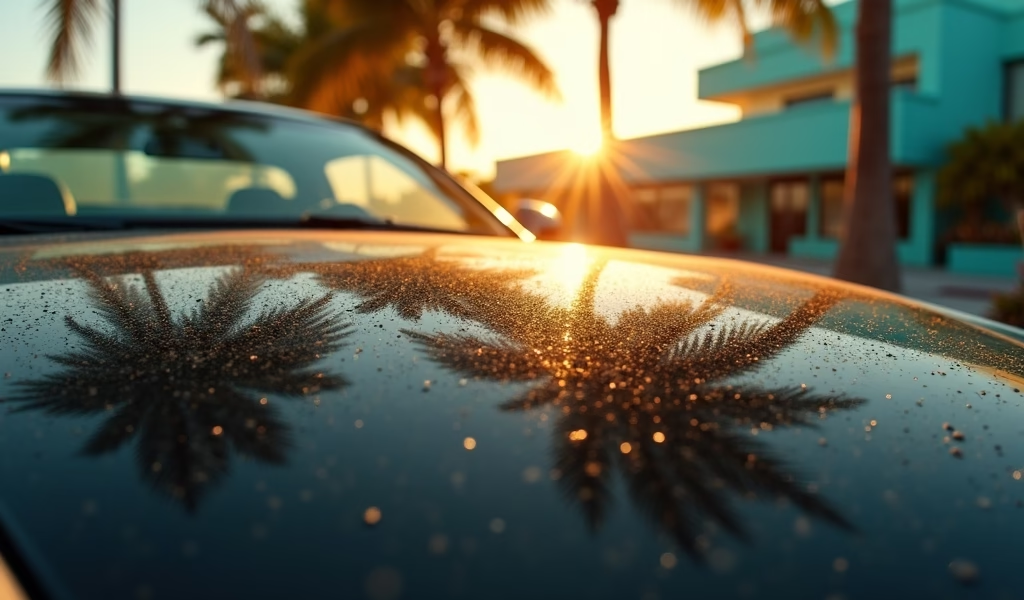
In Miami, washing alone isn’t enough – you need strategic protection to create a barrier between your paint and our harsh elements. I’ve tested countless products over the years, and I’ll share what actually works in our unique climate.
Waxing remains valuable, but Miami requires more frequent application than the standard recommendations. While manufacturers might suggest waxing every 3 months, our intense UV exposure and salt air mean you should apply wax every 4-6 weeks for meaningful protection. Traditional carnauba waxes provide excellent depth and gloss but break down quickly in our climate. Synthetic waxes and sealants generally offer longer protection periods.
For applying wax, temperature and humidity make a significant difference in results. Choose early morning or evening when surfaces are cool, and work in small sections. Most importantly, less is more – applying wax too thickly creates a nightmare to remove and doesn’t provide additional protection. A thin, even coat is always best.
For those seeking next-level protection, ceramic coatings have revolutionized car care in tropical environments like ours. These silicon dioxide-based products create a semi-permanent bond with your paint that can last 1-5 years with proper maintenance. The benefits are substantial:
- Superior UV protection that prevents oxidation and fading
- Extreme hydrophobic properties that shed water and reduce spotting
- Enhanced resistance to environmental contaminants including salt
- Easier cleaning as dirt and grime have difficulty bonding to the surface
While professional ceramic coating application typically costs between $500-1500 depending on your vehicle size and the specific product used, DIY consumer versions have improved dramatically. Products like Gtechniq and CarPro offer accessible options for enthusiasts willing to learn proper application techniques.
For specific areas that face the harshest conditions – front bumpers, hoods, and mirror caps – paint protection film (PPF) provides physical shielding against debris, insects, and minor abrasions. Modern films are virtually invisible when properly installed and many feature self-healing properties that eliminate minor scratches when exposed to heat.
Don’t forget about your headlights! Miami’s UV intensity causes headlight lenses to oxidize and yellow much faster than in northern climates. A quality UV sealant specifically designed for headlights can prevent this degradation, maintaining both appearance and nighttime visibility.
For everyday protection between major treatments, quick detailers and spray waxes provide a valuable defensive boost. Keep one in your trunk for after unexpected rain showers – a quick application can prevent water spots and remove fresh contaminants before they bond to your finish.
Interior Care: Combating Heat and Humidity Inside Your Vehicle
While we’ve focused primarily on exterior care, Miami’s climate affects your vehicle’s interior just as dramatically. I’ve seen dashboards crack, leather seats fade, and mold grow in carpets – all preventable with the right approach to interior care.
Heat is your interior’s greatest enemy in Miami. When parked in direct sunlight, your vehicle’s cabin can reach temperatures exceeding 150°F, accelerating the breakdown of virtually every interior material. A quality windshield sunshade is perhaps the most cost-effective interior protection you can buy, reducing dashboard temperatures by up to 40 degrees.
Window tinting isn’t just about privacy or looking cool – it’s essential protection for your interior. Florida law allows tinting with a visible light transmission of at least 28% for front side windows and 15% for rear windows. Quality ceramic tints reject significant heat while blocking over 99% of UV rays that cause fading and material degradation.
Leather seats require special attention in Miami. The combination of heat and the oils from your skin create perfect conditions for premature aging and cracking. I recommend cleaning leather monthly with a pH-balanced cleaner, followed immediately with a quality conditioner containing UV inhibitors. This one-two approach removes contaminants while replacing natural oils lost to heat exposure.
For cloth interiors, humidity creates the risk of mold and mildew, especially in floor carpets where water from rain or beach visits can penetrate. Beyond regular vacuuming, consider these Miami-specific approaches:
- Use moisture-absorbing products like Damp Rid under seats during humid summer months
- Apply fabric protectants that repel water and resist staining from sudden downpours
- Schedule professional hot-water extraction cleaning annually to remove deep contaminants
- Keep AC vents open slightly when parking to promote air circulation
Your dashboard and plastic trim pieces deserve dedicated protection against Miami’s sun. Avoid silicone-heavy “shiny” protectants that can actually accelerate heat damage. Instead, choose water-based protectants with UV inhibitors that maintain a factory-fresh appearance without creating glare or attracting dust.
One interior aspect often overlooked is your vehicle’s air conditioning system. Miami’s humidity makes AC systems work overtime, and the evaporator can become a breeding ground for bacteria and mold. Schedule annual AC system cleaning to maintain efficient cooling and prevent the musty odors that often develop in tropical climates.
The effort you put into regular interior maintenance doesn’t just make your daily drive more pleasant – it significantly impacts your vehicle’s resale value. In my experience, a well-maintained interior can add hundreds or even thousands to your car’s value when it’s time to sell or trade.
Your Miami Car Maintenance Schedule
Let me provide you with a practical Miami-specific maintenance schedule that accounts for our unique environmental challenges. This calendar approach has helped countless clients maintain vehicles that look years newer than their actual age.
Weekly Tasks (15-20 minutes)
- Quick rinse to remove surface salt and contaminants
- Wipe down interior surfaces, focusing on high-touch areas
- Empty trash and remove items that could damage in heat
Bi-Weekly Tasks (45-60 minutes)
- Full wash using proper two-bucket method
- Apply quick detailer or spray wax for interim protection
- Vacuum interior thoroughly including under mats
- Clean glass surfaces inside and out
Monthly Tasks (2-3 hours)
- Deep clean wheels and wheel wells to remove salt buildup
- Apply quality wax or sealant
- Clean and condition leather/vinyl surfaces
- Check for and address any early signs of oxidation
Quarterly Tasks (Half-day project)
- Clay bar treatment to remove bonded contaminants
- Apply premium protection (high-grade wax or ceramic boost)
- Deep clean upholstery and carpets
- Treat rubber seals and plastic trim with protectants
Annual Investments
- Professional paint correction to address any swirl marks or fine scratches
- Headlight restoration if beginning to yellow
- Consider refreshing ceramic coating or upgrading protection
- Complete interior deep cleaning including AC system
This schedule might seem intensive compared to maintenance in less challenging climates, but it represents the reality of preserving a vehicle in Miami’s environment. The good news? Following this regimen means your car will maintain both its appearance and value substantially better than those subjected to less attentive care.
Remember that consistency trumps intensity – a vehicle that receives regular basic care will typically outlast one that gets occasional elaborate detailing but neglect in between. Build these habits into your routine, and your car will thank you with years of beautiful service.
Conclusion: Keeping Your Vehicle Miami-Beautiful
Miami’s stunning beaches, vibrant culture, and year-round sunshine make it a paradise for residents and visitors – but a challenging environment for your vehicle. The combination of intense UV radiation, salt-laden air, and high humidity creates a perfect storm that can rapidly deteriorate even the finest automotive finishes.
By implementing these five proven shine tips – choosing the right washing method, mastering proper washing techniques, perfecting your drying approach, applying strategic protection, and maintaining your interior – you’ll transform your vehicle’s longevity in this tropical climate.
Remember that in Miami, car care isn’t just about aesthetics – it’s about preserving your investment against uniquely aggressive elements. The extra attention you provide will pay dividends not only in daily pride of ownership but in tangible resale value when it’s time to move on to your next vehicle.
Start by evaluating your current routine against the recommendations in this guide. Identify the gaps, prioritize improvements based on your vehicle’s specific needs, and gradually build a maintenance rhythm that works for your schedule. Even implementing just one or two of these professional-grade techniques will yield noticeable improvements in your car’s appearance and durability.
Your vehicle deserves care as special as the city we call home. With these Miami-specific strategies, you’ll be well on your way to maintaining that showroom shine despite everything our beautiful but demanding climate can throw at it.
Frequently Asked Questions
How often should I wash my car in Miami?
In Miami’s salt-air environment, washing your vehicle weekly is ideal. Increase frequency to twice weekly if you live within a mile of the ocean or after major rain events that can leave corrosive residue on your paint.
Are automatic car washes safe for my vehicle in Miami?
Touchless automatic washes are generally safe for maintenance cleaning, but avoid brush/cloth automatics that can trap sand particles. For best results, alternate between touchless washes and professional hand washing services that understand Miami’s unique challenges.
What’s the best time of day to wash my car in Miami?
Early morning or evening is ideal when surfaces are cool and out of direct sunlight. Washing in midday heat causes soap to dry too quickly on surfaces, potentially leaving residue that can damage your clear coat.
Is ceramic coating worth the investment for Miami vehicles?
Ceramic coating is particularly valuable in Miami’s harsh environment, providing 1-5 years of enhanced protection against UV damage and salt. The investment typically pays for itself in reduced maintenance requirements and preserved resale value.
How can I prevent water spots after washing in Miami’s humidity?
Use high-quality microfiber drying towels, dry in a shaded area, and consider a drying aid spray with hydrophobic properties. For persistent problems, a final rinse with filtered or deionized water dramatically reduces spotting potential.