
Overview
Just like your Italian shoes need proper care to avoid blisters, your Fiat 500L transmission requires regular maintenance to prevent costly repairs—with routine fluid changes, proper driving habits, and prompt attention to warning signs being essential for its longevity. Understanding the unique characteristics of both manual and dual-clutch transmission systems empowers owners to identify early symptoms of trouble, perform basic DIY maintenance, and know when to seek professional help before small issues escalate into transmission failures costing thousands to repair.
Table of Contents
- Understanding Fiat 500L Transmission Systems
- Common Warning Signs of Fiat 500L Transmission Issues
- Diagnosing Fiat 500L Transmission Problems
- Preventative Maintenance for Your Fiat 500L Transmission
- DIY Maintenance Tips for Fiat 500L Owners
- When to Seek Professional Help for Your Fiat 500L Transmission
- Cost Considerations for Fiat 500L Transmission Repairs
- Conclusion
- Frequently Asked Questions
Understanding Fiat 500L Transmission Systems
The Fiat 500L transmission system is the heart of your vehicle’s drivetrain, responsible for transferring power from the engine to the wheels. As a mechanic who’s worked on countless Fiat models over the years, I’ve seen firsthand how these compact Italian vehicles can deliver a delightful driving experience—when their transmissions are properly maintained.
Fiat 500L models typically come equipped with either a 6-speed manual transmission or a 6-speed dual-clutch automatic transmission (also known as DDCT—Dual Dry Clutch Transmission). Each has its unique characteristics and potential trouble spots that owners should be aware of.
The dual-clutch transmission, in particular, uses two separate clutches for odd and even gear sets, providing faster shifting than conventional automatics. While innovative, this design has been known to develop specific issues that, if caught early, can save you from expensive repairs down the road.
Understanding how your transmission functions helps you recognize when something doesn’t feel quite right. The Fiat 500L’s transmission should shift smoothly between gears, without hesitation or unusual sounds. When operating correctly, you shouldn’t even notice its operation—it should be that seamless.
Many transmission problems begin with neglected transmission service intervals, which can lead to fluid degradation and component wear. Regular maintenance is your first line of defense against costly transmission failures.
Common Warning Signs of Fiat 500L Transmission Issues
Your Fiat 500L will often communicate transmission problems before a complete failure occurs. Learning to recognize these early warning signs can be the difference between a minor repair and a complete transmission rebuild.
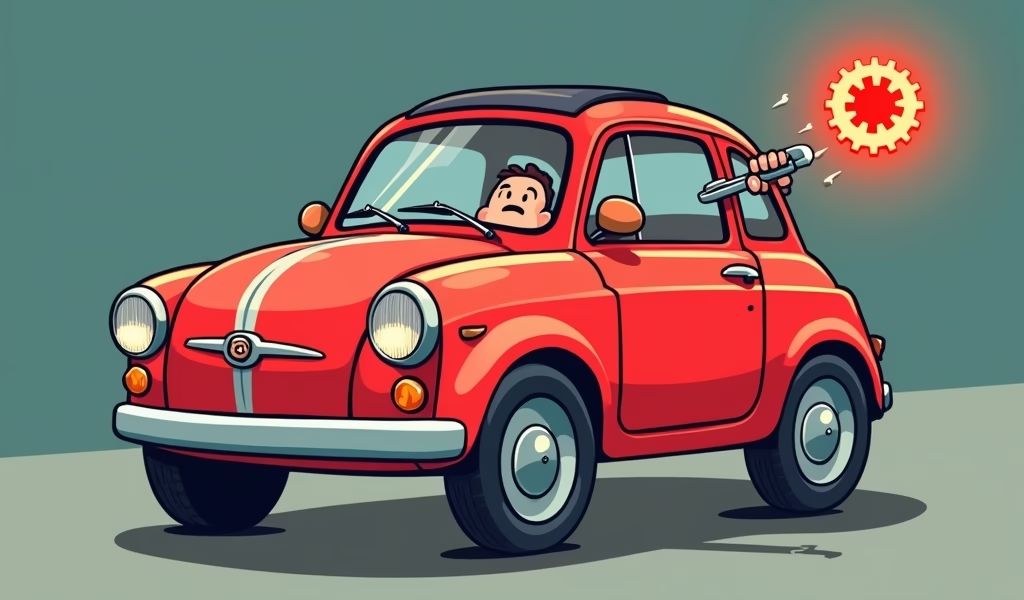
The most obvious indicator is the illumination of the transmission warning light on your dashboard. This amber warning should never be ignored, as it’s your vehicle’s computer telling you it’s detected an abnormality in the transmission system. When this light appears, consider it an urgent matter requiring attention.
Unusual noises are another telltale sign. Listen for grinding, whining, or buzzing sounds that increase with vehicle speed. These noises often indicate internal components that are wearing or have already failed.
Many Fiat 500L owners report experiencing hesitation or jerking during gear changes. This is particularly common in the dual-clutch models, where you might feel a momentary loss of power or an abrupt jerk when the transmission shifts. While some hesitation can be normal in dual-clutch transmissions, excessive or worsening symptoms warrant investigation.
Difficulty engaging gears is a significant red flag. If you find your manual transmission grinding when shifting, or your automatic hesitating before engaging Drive or Reverse, the clutch components or shift mechanisms may be failing.
Fluid leaks or burning smells also indicate potential problems. Transmission fluid should be clear red, not brown or black, and should never have a burnt odor. If you notice fluid puddles under your parked vehicle or detect a burning smell after driving, have your Fiat inspected promptly.
Diagnosing Fiat 500L Transmission Problems
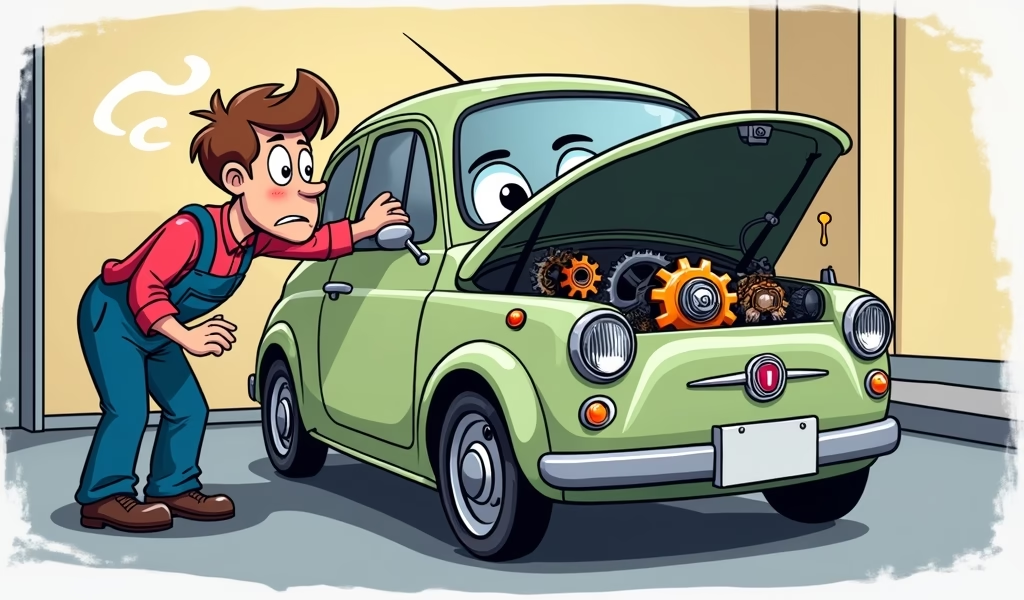
When your Fiat 500L exhibits transmission symptoms, proper diagnosis is essential before proceeding with repairs. As a professional, I recommend starting with the simplest checks before moving to more complex diagnostics.
First, check your transmission fluid level and condition. In many Fiat 500L models, this requires a special procedure as they don’t have traditional dipsticks. The fluid should be at the proper level and appear clear with a reddish tint. Dark, cloudy, or burnt-smelling fluid suggests internal damage.
Modern Fiat 500L vehicles utilize sophisticated electronic control units that monitor transmission performance. Using an OBD-II scanner capable of accessing transmission data can reveal stored trouble codes that point to specific issues. These diagnostic codes can provide valuable clues about what’s happening inside your transmission.
Pay attention to when problems occur. Do issues happen when the transmission is cold or after it warms up? Are problems more noticeable during acceleration or at highway speeds? These contextual details help narrow down potential causes.
For dual-clutch transmissions, many issues stem from the electrohydraulic control unit or the clutch pack itself. These components work together to manage gear shifts, and failures often manifest as jerky shifts or hesitation.
Some common diagnostic findings in Fiat 500L transmissions include:
- Faulty shift solenoids causing erratic shifting
- Clutch pack wear resulting in slipping gears
- Control module software issues requiring reprogramming
- Internal seal failures leading to fluid leaks and pressure loss
- Worn synchronizers in manual transmissions causing grinding between gears
A thorough diagnosis might require a test drive with a professional who knows what to feel for in these specific vehicles. Sometimes, the difference between normal operation and a developing problem is subtle and requires experienced interpretation, according to Car and Driver’s transmission research.
Preventative Maintenance for Your Fiat 500L Transmission
The best way to avoid costly Fiat 500L transmission repairs is through diligent preventative maintenance. Think of it as health care for your vehicle—regular check-ups prevent serious illness.
Following the manufacturer’s recommended service schedule is crucial. For most Fiat 500L models, transmission fluid should be changed every 30,000 to 60,000 miles, though this can vary based on driving conditions. If you frequently drive in stop-and-go traffic or hilly terrain, consider servicing your transmission more frequently.
Always use the correct transmission fluid specified by Fiat. These transmissions are engineered for specific fluid viscosities and friction characteristics. Using incorrect fluid can accelerate wear even with the best intentions.
The clutch adjustment frequency for manual Fiat 500L models should be checked during regular service intervals. A properly adjusted clutch prevents premature wear and extends the life of your transmission components.
For dual-clutch transmissions, software updates can sometimes resolve shifting issues. Periodically check with your dealer or a specialized Fiat service center to ensure your vehicle’s transmission control module has the latest programming.
Driving habits significantly impact transmission longevity. Avoid these transmission-straining practices:
- Shifting into drive while the vehicle is still rolling backward
- “Riding” the clutch in manual transmissions
- Accelerating hard from a stop (especially in dual-clutch models)
- Shifting into park before the vehicle is completely stopped
- Overloading the vehicle beyond its recommended capacity
Consider a transmission cooling system flush and inspection if you live in extremely hot climates or frequently tow with your Fiat 500L. Heat is the number one enemy of transmission components, and maintaining proper cooling helps prevent fluid breakdown.
DIY Maintenance Tips for Fiat 500L Owners
While some transmission work requires professional tools and expertise, there are several maintenance tasks Fiat 500L owners can perform themselves to keep their transmissions healthy.
Regularly checking transmission fluid level and condition is something most owners can handle. For models with a dipstick, check the fluid when the engine is warm and running, with the transmission in park or neutral. The fluid should be between the “min” and “max” marks and appear clear red—not brown or black.
For Fiat 500L models without a traditional dipstick, you’ll need to check the level through the fill plug. This is slightly more involved but still manageable for a DIY enthusiast with basic tools. Remember to always have the vehicle level when checking fluid.
Listen for unusual noises from your transmission. A healthy transmission operates quietly. Take time occasionally to drive with the radio off, paying attention to sounds that might indicate developing issues.
Performing a transmission filter and fluid change is within reach of moderately skilled DIYers. You’ll need a drain pan, transmission fluid funnel, filter kit, and the correct specification fluid. Follow these basic steps:
- Locate and remove the transmission drain plug, allowing fluid to drain completely
- Remove the transmission pan and replace the filter
- Clean the pan and replace the gasket
- Reinstall the pan and refill with the correct amount of specified transmission fluid
- Check for leaks and proper operation
For manual transmissions, adjusting the clutch free play can help maintain smooth shifting. This typically involves adjusting the clutch pedal’s free play according to specifications in your owner’s manual.
Remember that differential service schedule maintenance is also important, as the differential works in concert with your transmission to deliver power to the wheels. Most Fiat 500L models should have their differential fluid changed every 30,000 to 50,000 miles.
When to Seek Professional Help for Your Fiat 500L Transmission
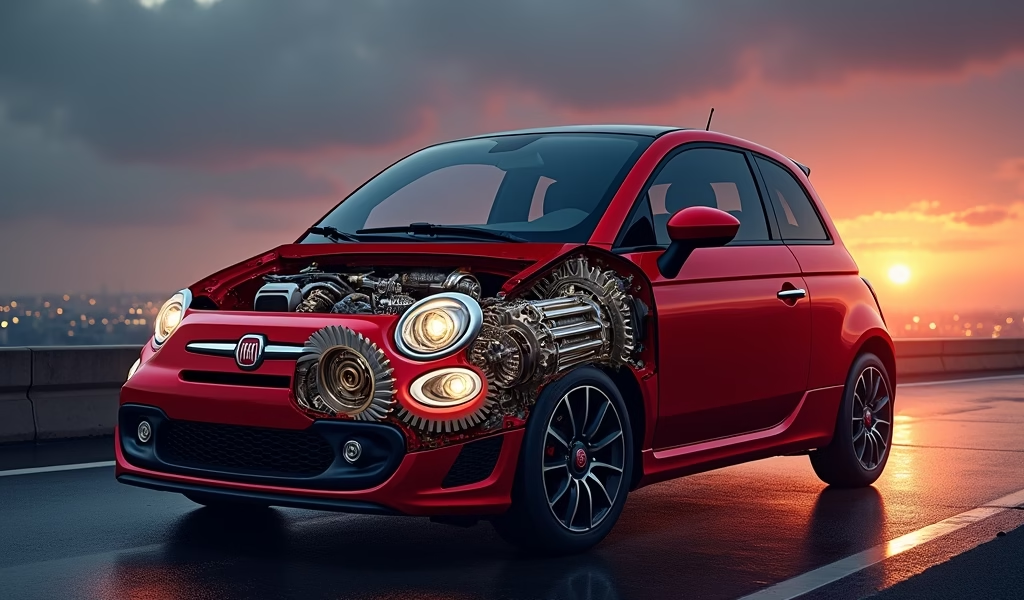
While DIY maintenance has its place, certain transmission issues require professional expertise. Knowing when to hand over the keys to a specialist can prevent further damage and potentially save you money in the long run.
If your Fiat 500L’s transmission warning light illuminates, seeking professional diagnosis should be your immediate response. The warning light indicates that the vehicle’s computer has detected an issue that requires attention from someone with the proper diagnostic equipment.
Complete fluid replacement and system flushes are best left to professionals. The Fiat 500L transmission requires precise fluid levels and proper bleeding procedures that typically need specialized equipment to perform correctly.
Any internal transmission repairs should be handled by experienced technicians. Opening a transmission requires specialized knowledge, tools, and a clean working environment to prevent contamination of sensitive components.
Software updates for the transmission control module must be performed by technicians with access to Fiat’s proprietary programming. These updates can sometimes resolve shifting issues without mechanical repairs, but they require specific dealer-level equipment.
When selecting a shop for Fiat 500L transmission work, consider these factors:
- Experience specifically with Fiat vehicles, especially the 500L model
- Access to genuine Fiat parts and fluids
- Proper diagnostic equipment compatible with Fiat’s systems
- Warranty coverage for parts and labor
- Positive reviews from other Fiat owners
According to Transmission Repair Cost Guide, specialty shops that focus on European vehicles often have more experience with the unique aspects of Fiat transmissions compared to general repair facilities.
Cost Considerations for Fiat 500L Transmission Repairs
Understanding potential costs helps you make informed decisions when facing Fiat 500L transmission issues. Repair expenses vary widely depending on the specific problem and repair approach.
Routine maintenance costs are relatively modest. A basic transmission fluid and filter change typically ranges from $150 to $300 at independent shops, while dealer services may cost slightly more. This preventative maintenance is a small price compared to repair costs.
Minor repairs such as replacing shift solenoids or external seals generally fall in the $300 to $700 range. These repairs address specific components without requiring complete transmission disassembly.
Major repairs involving internal components like clutch packs or valve bodies can range from $1,200 to $2,500. These more invasive repairs require significant labor hours and specialized parts, especially for the dual-clutch transmission models.
Complete transmission replacement represents the most significant expense, typically ranging from $3,000 to $5,000 for a remanufactured unit, or $4,000 to $6,000 for a new transmission. Labor costs make up a substantial portion of this expense.
When weighing repair options, consider the following factors:
- Vehicle age and overall condition
- Current mileage and expected future use
- Availability of warranty coverage (factory or aftermarket)
- Long-term plans for keeping the vehicle
- Repair costs relative to the vehicle’s current value
Sometimes, a transmission rebuild offers the best value, costing approximately 60-75% of a complete replacement while restoring functionality. Experienced Fiat specialists can often rebuild a transmission with improved components that address known weak points in the original design.
If you’re facing substantial repair costs, it’s worth getting multiple estimates and asking about remanufactured or quality aftermarket options that might offer significant savings without compromising quality, as noted by Consumer Reports’ guide on saving on car repairs.
Conclusion
Your Fiat 500L’s transmission is a sophisticated component that requires proper attention to deliver years of trouble-free service. By recognizing early warning signs, following maintenance schedules, and knowing when to seek professional help, you can avoid the frustration and expense of major transmission failures.
Remember that preventative maintenance is always less expensive than reactive repairs. Regular fluid changes, attention to unusual symptoms, and addressing minor issues promptly will pay dividends in extended transmission life and improved driving experience.
When maintenance or repairs are necessary, choose qualified professionals who understand the unique characteristics of Fiat 500L transmissions. The right expertise can make the difference between a quick, effective repair and a recurring problem.
By combining vigilant attention to your vehicle’s needs with timely professional service when required, you’ll keep your Fiat 500L’s transmission shifting smoothly for many miles to come, ensuring your Italian compact continues to deliver the driving enjoyment it was designed for.
Frequently Asked Questions
How long does a Fiat 500L transmission typically last?
With proper maintenance, a Fiat 500L transmission can last 120,000-150,000 miles. Regular fluid changes and addressing issues promptly can extend this lifespan significantly.
What is the average cost to replace a Fiat 500L transmission?
Complete transmission replacement typically costs between $3,000-$6,000 depending on whether you choose remanufactured or new. Labor costs represent about 40% of this total.
Can I drive with the transmission warning light on?
It’s not recommended to drive with the transmission warning light illuminated. Continuing to drive could cause additional damage and potentially lead to complete transmission failure.
How often should I change the transmission fluid in my Fiat 500L?
Fiat recommends changing transmission fluid every 30,000-60,000 miles depending on driving conditions. Those who drive in stop-and-go traffic or hilly areas should service more frequently.
Are Fiat 500L dual-clutch transmissions reliable?
The dual-clutch transmissions have experienced more issues than traditional automatics, particularly in earlier models. Software updates have improved reliability, and proper maintenance significantly enhances longevity.