
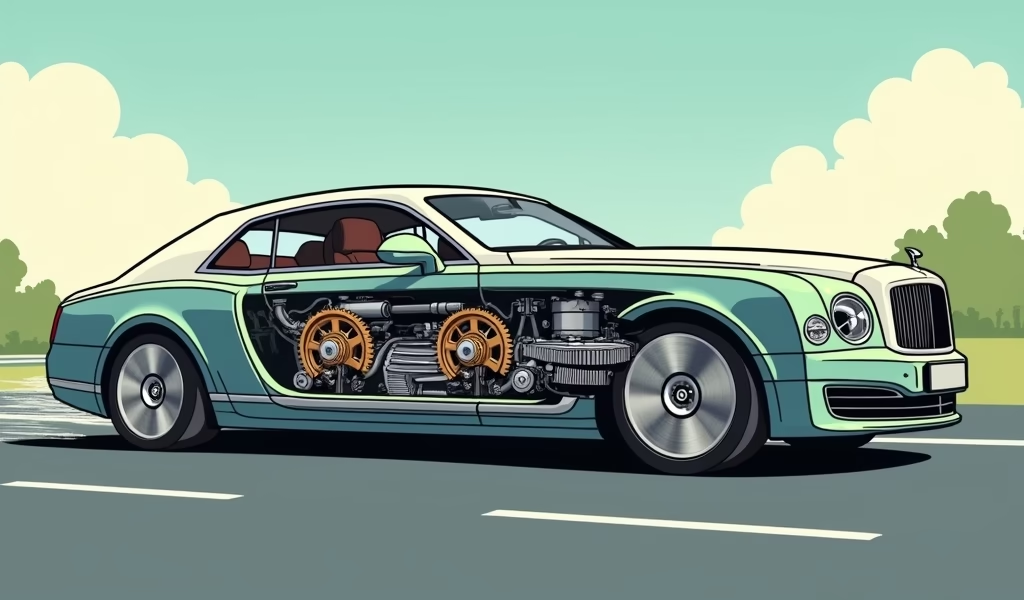
Overview
The Bentley Speed transmission is a sophisticated 8-speed automatic system designed to handle up to 750 lb-ft of torque while delivering seamless shifts, though failures can lead to repair costs exceeding $20,000. Proper maintenance—including regular fluid changes every 25,000-30,000 miles, using only specified ZF Lifeguard fluid, and promptly addressing warning signs like unusual noises or shifting behavior—can help prevent catastrophic failures and extend the transmission’s lifespan to 100,000-120,000 miles.
Table of Contents
- Understanding the Bentley Speed Transmission
- How the Bentley Speed Transmission Works
- Warning Signs of Transmission Issues
- Common Causes of Transmission Failures
- Maintenance Tips to Prevent Breakdowns
- Repair Options and Costs
- When to Seek Professional Help
- Conclusion
- Frequently Asked Questions
Understanding the Bentley Speed Transmission
Picture this: you’re cruising down the highway in your magnificent Bentley, enjoying that signature smooth ride, when suddenly there’s a jolt, followed by a concerning clunk. Your heart sinks as you realize something’s wrong with your transmission. I’ve seen this scenario play out more times than I can count in my workshop.
The Bentley Speed transmission isn’t just any gearbox – it’s a sophisticated piece of engineering designed specifically for high-performance luxury vehicles. This ZF 8-speed automatic transmission has been meticulously calibrated to handle the immense power and torque that Bentley engines produce.
What makes the Speed transmission special is its ability to deliver lightning-fast gear changes while maintaining the buttery-smooth transitions Bentley owners expect. It’s found primarily in models like the Continental GT Speed, Bentayga Speed, and Flying Spur Speed – basically, any Bentley with “Speed” in its name has this beefed-up transmission.
The transmission is designed to handle up to 750 lb-ft of torque, which is no small feat. To put that in perspective, that’s about three times the torque of an average family sedan! This impressive capability comes from strengthened internal components and specialized cooling systems that keep everything running smoothly even under extreme conditions.
Unfortunately, when these complex transmissions fail, the repair bill can easily exceed $20,000. That’s why understanding your Bentley’s transmission isn’t just about mechanical curiosity – it’s about protecting your investment.
How the Bentley Speed Transmission Works

Let me break down how this mechanical marvel actually works. At its heart, the Bentley Speed transmission is an 8-speed automatic that uses a complex system of planetary gears, clutches, and hydraulic controls to change gears seamlessly.
When you press the accelerator, the transmission’s computer (called the TCM or Transmission Control Module) makes thousands of calculations per second. It considers factors like engine load, vehicle speed, throttle position, and even how aggressively you’re driving. Based on this data, it selects the perfect gear for maximum performance or efficiency.
The magic happens when the transmission shifts gears. Unlike older automatics that had noticeable pauses between shifts, the Speed transmission uses a torque converter and overlapping clutch engagement to ensure power delivery is never interrupted. This is what gives you that sensation of endless, relentless acceleration in your Bentley.
What truly sets the Speed transmission apart is its service interval requirements and adaptive learning capabilities. The transmission actually learns your driving style over time and adjusts shift points accordingly. Drive more aggressively, and it’ll hold gears longer; cruise gently, and it’ll shift earlier for better fuel economy.
The transmission also features multiple driving modes, from comfort to sport to even a manual mode where you can use the paddle shifters. Each mode dramatically changes how the transmission behaves, essentially giving you several different cars in one.
According to ZF, the manufacturer of these transmissions, their design reduces fuel consumption by up to 6% compared to their previous generation transmissions while improving acceleration times.
Warning Signs of Transmission Issues
After working on hundreds of Bentleys, I’ve noticed some telltale signs that indicate transmission trouble is brewing. Catching these early can save you thousands in repair costs.
Unusual noises are your first warning. If you hear whining, grinding, or clunking sounds, especially during gear changes, your transmission is trying to tell you something’s wrong. These sounds often indicate wear on internal components like bearings or planetary gears.
Pay attention to how your Bentley shifts. Delays in engagement when selecting drive or reverse, hesitation between gear changes, or harsh, jolting shifts are all signs of trouble. In a properly functioning Bentley Speed transmission, gear changes should be virtually imperceptible.
Another red flag is slipping gears. If you notice the engine revving higher than normal before shifting, or if the transmission unexpectedly drops into neutral while driving, schedule service immediately. This indicates clutch wear or hydraulic pressure problems.
Dashboard warning lights are your electronic early warning system. Modern Bentleys have sophisticated diagnostics that can detect issues before they become catastrophic failures. Never ignore a transmission warning light, even if the car seems to be driving normally.
Check under your car occasionally. Transmission fluid leaks appear as red or brown spots on your garage floor. The fluid should be clear with a reddish tint; if it looks dark brown or smells burnt, internal overheating has occurred.
Finally, be alert to any vibrations or shuddering, particularly when the vehicle is under load or accelerating. These sensations often indicate transmission mount issues or internal damage that needs immediate attention.
Common Causes of Transmission Failures
In my years working on high-end vehicles, I’ve identified several common culprits behind Bentley transmission failures. Understanding these can help you avoid the same fate.
Insufficient maintenance tops the list. Bentley recommends transmission fluid changes at specific intervals (typically every 25,000-30,000 miles for Speed models), but many owners extend these intervals, leading to fluid degradation. Fresh fluid is crucial for proper lubrication and cooling of internal components.
Thermal issues are another frequent problem. The Speed transmission works hard handling the enormous torque of Bentley’s powerful engines. If the cooling system becomes compromised or if you consistently drive hard without allowing the transmission to cool down, internal damage becomes inevitable.
Electrical and electronic problems plague modern transmissions. The solenoids that control gear shifts are sophisticated components that can fail over time. Similarly, the transmission control module can develop software glitches or sensor failures that cause erratic shifting.
The torque converter – that disc-shaped component connecting your engine to your transmission – is another common failure point. Its lockup clutch can wear prematurely, especially in vehicles frequently driven in stop-and-go traffic.
Your driving habits play a major role in transmission longevity. Frequent hard acceleration, using launch control regularly, and insufficient warm-up time can accelerate wear on transmission components designed for occasional rather than constant high-performance use.
According to transmission specialists, using incorrect fluid is another common issue. Always use the exact transmission fluid specified by Bentley – typically a specific ZF Lifeguard fluid formulation. Using incorrect fluid, even high-quality alternatives, can cause shift quality deterioration and accelerated wear.
Maintenance Tips to Prevent Breakdowns

Keeping your Bentley’s transmission healthy doesn’t have to be complicated. Follow these straightforward maintenance tips, and you’ll likely avoid most serious issues.
First and foremost, stick to the recommended service schedule. Have your transmission fluid and filter changed every 25,000-30,000 miles – or more frequently if you drive spiritedly or in extreme conditions. This simple step alone prevents most catastrophic failures.
Always use the factory-specified transmission fluid. For Bentley Speed models, this is typically a specific ZF Lifeguard fluid formulation. Using anything else is like putting regular gasoline in a race car – it might run, but not optimally.
Allow proper warm-up time before demanding performance. When you first start your Bentley, especially in cold weather, give it a few minutes of gentle driving before using full throttle. This allows the transmission fluid to reach operating temperature and provide optimal protection.
Pay attention to how your transmission behaves after service. If you notice any changes in shift quality after a fluid change, return to your service center immediately. This could indicate improper fluid filling or the need for a transmission adaptation procedure.
Keep an eye on your transmission’s cooling system. Ensure radiator fins are clean and free from debris, and check for any fluid leaks from cooler lines. Overheating is a transmission’s worst enemy.
Consider having your transmission’s electronic system checked during regular service intervals. Software updates are often available that improve shift logic and can resolve minor issues before they develop into major problems.
If you frequently drive in heavy traffic, try to minimize situations where you’re constantly creeping forward. This “riding the brake” behavior creates excessive heat in the torque converter. When possible, either come to a complete stop or maintain a steady speed with some distance between you and the vehicle ahead.
The labor time required for preventative maintenance is much less than for a full rebuild, making regular servicing not just mechanically sound but also economically wise.
Repair Options and Costs
When transmission trouble strikes, you have several repair options, each with different costs and benefits. Let me walk you through them so you can make an informed decision.
For minor issues like solenoid replacements or electronic problems, expect to pay between $2,500-$5,000 at a dealership. Independent specialists might charge 20-30% less for the same repair, but ensure they have experience with Bentley vehicles.
If you’re facing more significant issues like torque converter problems or valve body failures, costs typically range from $7,000-$12,000. At this price point, it’s worth getting multiple opinions from qualified specialists.
When internal mechanical damage occurs, you’re looking at complete transmission replacement or rebuild. This is where costs skyrocket to $18,000-$25,000 at dealerships. Independent shops might offer rebuilds for less, but quality can vary significantly.
You generally have three options for replacement:
- New factory transmission (most expensive but comes with full warranty)
- Factory-remanufactured unit (good balance of reliability and cost)
- Independently rebuilt transmission (most affordable but variable quality)
When evaluating repair options, consider your vehicle’s age and value. For newer Bentleys, factory parts make sense. For older models, a quality independent rebuild might be more economical. The parts availability timeline can also impact your decision, as factory components sometimes have lengthy backorder periods.
Don’t forget to check if your vehicle is still under warranty. Factory warranties typically cover transmission issues for 3-5 years, and extended warranties might provide coverage beyond that. Just be aware that warranty claims can be denied if improper maintenance is discovered.
For those considering keeping their Bentley long-term, investing in a quality repair from a specialist who understands these complex transmissions is usually the wisest choice. Cutting corners on a transmission repair almost always leads to repeated failures and higher costs in the long run.
When to Seek Professional Help
Knowing when to call in the pros can save you both money and headaches. Here’s my advice on when DIY ends and professional expertise becomes essential.
At the first sign of unusual shifting behavior, make an appointment with a qualified specialist. Early intervention often prevents minor issues from becoming major rebuilds. Don’t wait until your Bentley is undrivable – by then, the damage is usually extensive.
If warning lights appear on your dashboard, seek professional diagnosis immediately. Modern Bentleys have sophisticated self-diagnostic systems that can detect problems before they become catastrophic, but only if you heed their warnings.
When selecting a service provider, don’t simply choose the lowest bidder. Ask specific questions about their experience with Bentley transmissions, whether they use factory diagnostic equipment, and what parts they intend to use. A specialist with specific Bentley experience will likely save you money in the long run by getting the diagnosis right the first time.
If you’re experiencing a combination of symptoms – unusual noises, rough shifting, and fluid leaks – stop driving the vehicle and arrange for transport to a service facility. Continuing to drive can transform a repairable issue into catastrophic damage requiring complete replacement.
While some basic checks like fluid level inspection (on models with dipsticks) can be performed by owners, leave fluid changes, internal repairs, and programming to qualified professionals. Bentley transmissions require specialized tools and procedures that most home mechanics simply don’t have.
Always request a detailed estimate before authorizing repairs. This should include parts, labor, and any peripheral components that might need replacement. Reputable shops will explain exactly what they’re fixing and why.
Remember that transmission work requires both mechanical expertise and electronic knowledge. Even skilled general mechanics might not have the specialized training required for these complex systems. When it comes to your Bentley’s transmission, specialist knowledge isn’t a luxury – it’s a necessity.
Conclusion
Your Bentley’s Speed transmission is truly a marvel of modern engineering – a precision instrument that delivers both blistering performance and sublime comfort when properly maintained. By understanding how it works and recognizing the early warning signs of trouble, you can avoid most catastrophic failures and their eye-watering repair costs.
Remember that preventative maintenance is always less expensive than emergency repairs. Sticking to factory-recommended service intervals, using the correct fluids, and allowing proper warm-up time will help ensure your transmission delivers years of trouble-free operation.
When issues do arise, early intervention is key. Don’t ignore unusual noises, shifting behavior, or warning lights – these are your transmission’s way of asking for help before major damage occurs.
Choosing the right specialist for service and repairs can make all the difference. Whether you opt for dealership service or an independent expert, ensure they have specific experience with Bentley transmissions and use proper diagnostic procedures and quality parts.
Ultimately, your Bentley is more than just transportation – it’s a masterpiece of engineering designed to deliver an unparalleled driving experience. With proper care and attention, its sophisticated transmission will continue to deliver the performance and refinement that made you choose a Bentley in the first place.
Frequently Asked Questions
How often should I change the transmission fluid in my Bentley Speed model?
Every 25,000-30,000 miles under normal conditions. If you drive aggressively or in extreme climates, consider shortening that interval to 20,000 miles.
What are the first signs of transmission problems in a Bentley?
Watch for delayed engagement when selecting gears, unusual noises during shifting, or harsh transitions between gears. Any warning lights or vibrations should also prompt immediate attention.
Can I use any high-quality transmission fluid in my Bentley?
Absolutely not – only use the specific ZF Lifeguard fluid specified by Bentley. Using incorrect fluid, even premium brands, can cause shift quality deterioration and accelerated wear.
How long should a Bentley Speed transmission last?
With proper maintenance, expect 100,000-120,000 miles of reliable service. Some well-maintained transmissions last considerably longer, while neglected ones often fail much earlier.
Is it worth repairing a failing Bentley transmission or better to replace it?
For minor issues like solenoid failures, repairs make sense. When internal mechanical damage occurs, a factory-remanufactured unit often provides the best balance of reliability and cost.