
Overview
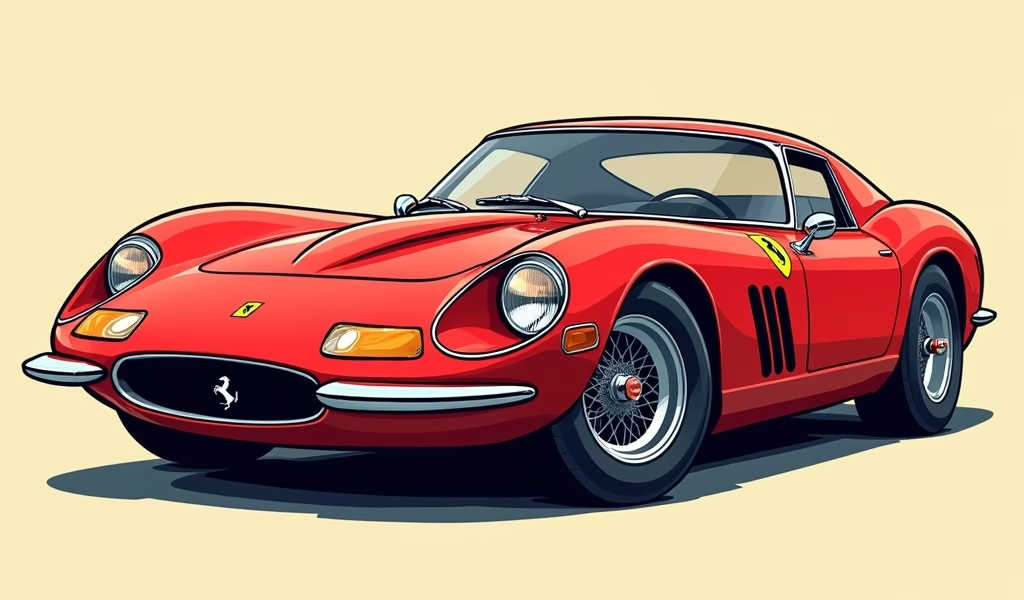
Like a precision Swiss watch that happens to speak Italian, the Ferrari Roma’s 8-speed dual-clutch transmission delivers lightning-fast gear changes but requires meticulous maintenance to avoid repairs that can cost more than a family sedan. Regular fluid changes every 12,000 miles, proper warm-up/cool-down periods, and attention to warning signs can help Roma owners avoid transmission issues and preserve both their driving experience and their investment.
Table of Contents
- Understanding the Ferrari Roma Transmission System
- Common Transmission Issues in the Ferrari Roma
- Warning Signs of Transmission Problems
- Preventative Maintenance to Avoid Costly Repairs
- Recommended Service Intervals
- DIY vs Professional Maintenance
- Understanding Repair Costs
- Tips for Extending Your Transmission’s Lifespan
- Conclusion
- Frequently Asked Questions
Understanding the Ferrari Roma Transmission System
The Ferrari Roma features an 8-speed dual-clutch transmission (DCT) that’s truly a marvel of Italian engineering. This sophisticated system is designed to deliver lightning-fast gear changes while maintaining the smooth, refined driving experience expected from a grand touring Ferrari.
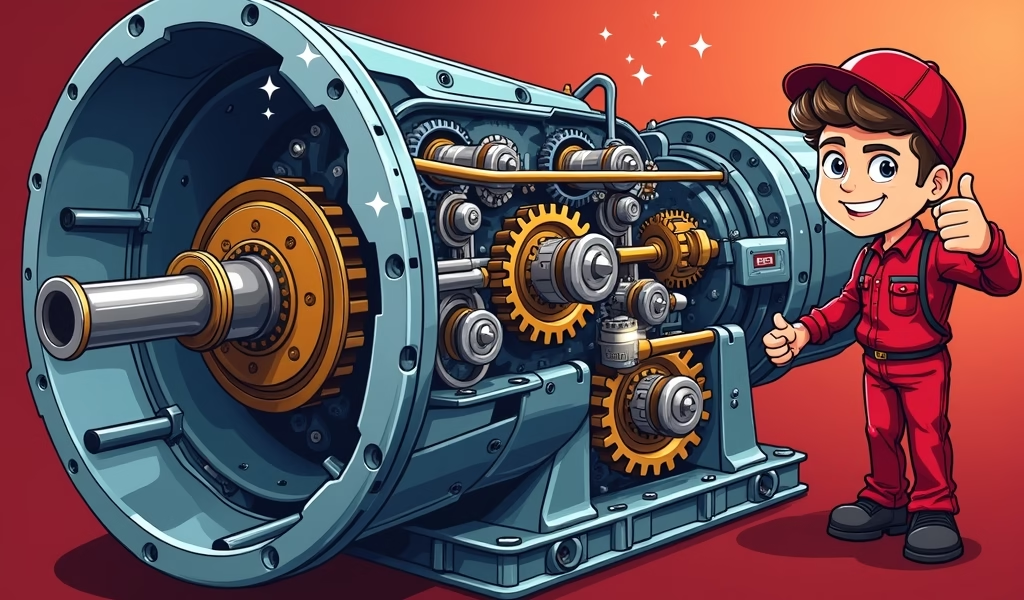
Unlike conventional automatics, the Roma’s transmission uses two separate clutches – one for odd-numbered gears and one for even-numbered gears. This clever design allows the next gear to be pre-selected while you’re still driving in the current one, eliminating the power interruption typically experienced during shifts.
What makes the Roma’s transmission special is how it balances everyday usability with high-performance capability. In normal driving, shifts are silky smooth and barely perceptible. Switch to Sport or Race mode, and those same shifts become crisp and instantaneous, happening in less than 200 milliseconds – faster than you can blink!
The system also integrates with the Roma’s electronic differential and stability control systems to optimize traction and handling. This integration is what gives the Roma its remarkable balance between comfort and performance, but it also adds complexity that requires proper understanding and maintenance.
Common Transmission Issues in the Ferrari Roma
Even with Ferrari’s meticulous engineering, the Roma’s transmission can develop issues that owners should be aware of. The most frequently reported problem involves the clutch packs, which can wear prematurely if subjected to aggressive driving styles or inadequate maintenance.
Overheating is another common culprit behind transmission failures. The Roma’s compact design means there’s limited space for cooling systems, and during spirited driving, transmission temperatures can climb rapidly. Once fluid temperatures exceed 120°C (248°F), degradation accelerates dramatically, potentially causing damage to internal components.
Electronic control issues account for roughly 30% of Roma transmission complaints. The sophisticated software managing the transmission can sometimes develop glitches, particularly after software updates or when interfacing with aftermarket components. These electronic gremlins can manifest as hesitation, harsh shifts, or failure to engage gears properly.
Hydraulic system failures, though less common, can be particularly troublesome. The Roma uses a high-pressure hydraulic system to actuate the clutches and shift mechanisms. Leaks or pressure regulation problems in this system often require extensive disassembly to address.
Early production models (2020-2021) sometimes experienced calibration issues that Ferrari has addressed through software updates and technical service bulletins. If you own one of these early examples, checking with your dealer about available updates could prevent future headaches.
Warning Signs of Transmission Problems
Catching transmission issues early can save you thousands in repair bills. The most obvious warning sign is any change in shift quality. Your Roma should deliver consistently smooth shifts in comfort mode and quick, precise shifts in sport modes. Any hesitation, clunking, or grinding during gear changes warrants immediate attention.
Pay close attention to how the transmission behaves when cold. Many Roma transmission problems first appear during cold operation before becoming apparent at normal operating temperatures. If you notice rough shifting for the first few minutes of driving that then “sorts itself out” as the car warms up, don’t ignore it – this is often the first hint of developing clutch issues.
Unusual noises are telling indicators of transmission trouble. While dual-clutch transmissions naturally make some mechanical sounds, you shouldn’t hear grinding, whining, or clunking during operation. A high-pitched whine that changes with speed often indicates bearing wear within the transmission.
Dashboard warning lights should never be ignored. The Roma’s sophisticated electronics will often detect issues before they become apparent to the driver. Any illumination of the yellow transmission warning light or messages like “Transmission Performance Reduced” requires immediate professional assessment.
Fluid leaks are particularly concerning. Look for reddish fluid beneath the center of the car after it’s been parked overnight. Even small transmission fluid leaks can indicate failing seals that could lead to more serious issues if not addressed promptly.
Perhaps most subtle but equally important is any change in the car’s performance. If acceleration feels sluggish, if you notice increased fuel consumption, or if the car hesitates when pressing the accelerator, the transmission may need servicing.
Preventative Maintenance to Avoid Costly Repairs
The best way to avoid expensive transmission repairs is through diligent preventative maintenance. Regular fluid changes are absolutely crucial for the Roma’s transmission health. The specialized fluid used in Ferrari transmissions breaks down over time, particularly when subjected to high temperatures during spirited driving.
Cooling system maintenance is often overlooked but vitally important. The transmission cooler should be inspected regularly for debris and damage. Ensure radiator fans are functioning properly, as they play a key role in keeping transmission temperatures in check during stop-and-go driving.
Software updates can significantly improve transmission performance and longevity. Ferrari periodically releases updates that refine shift strategies and address potential issues before they develop. Make sure your Roma receives every available transmission software update, even if everything seems to be working perfectly.
If you occasionally enjoy track days or spirited mountain drives, consider installing an aftermarket transmission temperature gauge. Monitoring temperatures during demanding driving can help you develop a feel for when to back off and allow the system to cool, potentially saving thousands in repair costs.
Proper warm-up is essential before demanding performance from your Roma. Allow at least 5-7 minutes of gentle driving before using launch control or aggressive acceleration. This gives the transmission fluid time to reach optimal temperature and viscosity, protecting clutches and bearings from premature wear.
Similarly important is a proper cool-down period after spirited driving. Before shutting the engine off after a hard run, drive gently for 3-5 minutes to allow transmission temperatures to normalize. This prevents heat soak that can damage seals and fluid when circulation stops.
Recommended Service Intervals
Ferrari recommends changing the Roma’s transmission fluid every 12,000 miles or 24 months, whichever comes first. However, if you drive your Roma enthusiastically or participate in track events, shortening this interval to 8,000-10,000 miles is a wise investment in longevity.
Beyond fluid changes, a more comprehensive transmission service should be performed every 24,000 miles. This typically includes replacing the transmission filter, inspecting clutch wear electronically, checking mounting hardware, and performing a full electronic adaptation procedure to recalibrate shift points.
DIY vs Professional Maintenance
When it comes to the Ferrari Roma’s sophisticated transmission, there’s a clear line between what owners can handle themselves and what requires specialist expertise.
DIY-friendly tasks include visual inspections for leaks, monitoring transmission temperatures through the onboard computer, and maintaining detailed records of any unusual behavior. More mechanically inclined owners might perform external cooling system inspections and ensure transmission mounts remain secure.
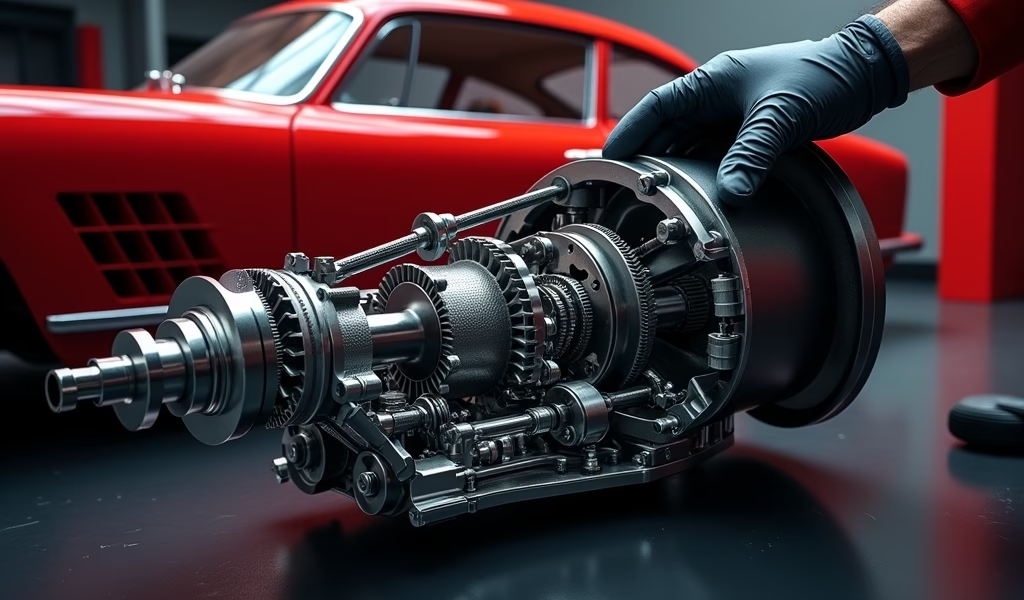
However, actual fluid changes require specialized equipment and procedures that put them firmly in professional territory. The Roma’s transmission requires precise pressure cycling during fluid replacement and a specific electronic adaptation procedure afterward. Attempting these services without proper equipment risks expensive damage.
When choosing a service provider, don’t automatically assume the Ferrari dealership is your only option. While authorized service centers offer factory-trained technicians and direct access to Ferrari technical support, qualified independent specialists can also provide excellent service, often at lower cost.
The key is finding technicians with specific experience on Ferrari’s 8-speed dual-clutch transmission. Ask pointed questions: How many Roma transmissions have they serviced? Do they have the latest diagnostic software? Can they provide references from other Roma owners? The answers will quickly separate qualified shops from those to avoid.
Regardless of where you take your Roma for service, ensure they use only genuine Ferrari transmission fluid and parts. The specialized fluid has unique friction modifiers and temperature stability properties that aftermarket substitutes often lack, even those claiming OEM equivalence.
Understanding Repair Costs
When budgeting for Ferrari Roma ownership, it’s wise to understand potential transmission-related expenses you might face. Routine transmission maintenance falls at the lower end of the cost spectrum, with standard fluid changes typically costing between $1,200-1,800 at authorized dealers. Independent specialists might offer this service for 15-20% less.
Minor repairs address isolated issues without requiring complete disassembly. Clutch actuator replacements typically cost $3,500-5,000, while valve body repairs or replacements range from $4,800-7,500 installed. Cooling system components generally fall between $1,800-4,000 depending on the specific part.
Major overhauls involve substantial disassembly and component replacement. Complete clutch pack replacement typically costs $12,000-18,000, while bearing and seal replacement packages range from $8,000-14,000. These significant services often require the transmission to be removed from the vehicle, adding labor costs.
In the most extreme cases, complete transmission replacement represents the most substantial financial commitment. Factory-new transmissions installed by Ferrari dealers range from $42,000-55,000 including labor and programming. Remanufactured units reduce this to approximately $30,000-40,000 installed.
These figures might seem eye-watering compared to conventional vehicles, but they reflect the specialized nature and limited production volumes of Ferrari components. The good news is that with proper maintenance, your Roma’s transmission should provide many years of trouble-free service without requiring these major repairs.
Tips for Extending Your Transmission’s Lifespan
How you drive your Roma has perhaps the greatest impact on transmission longevity. While the car certainly invites spirited driving, a few simple habits can dramatically extend your transmission’s life without sacrificing enjoyment.
Avoid using launch control repeatedly in short succession. The extreme heat generated during launch control starts can quickly overwhelm the cooling system if performed multiple times without adequate cool-down periods. Reserve this feature for occasional use rather than regular entertainment.
In daily driving, let the transmission work for you. While manual shifting via the paddles is engaging, the Roma’s computer actually manages shifts more efficiently in automatic mode during normal driving. Save manual shifting for those special roads where you want complete control.
Parking on level surfaces whenever possible reduces stress on the parking mechanism. When parking on hills, use the parking brake first, then engage Park – this transfers weight from the transmission components to the dedicated parking brake system designed for holding the vehicle stationary.
Consider servicing the differential alongside your transmission maintenance. The two systems work in harmony, and issues with one can place additional strain on the other. Coordinating these services ensures both systems operate optimally.
If you’re purchasing a used Roma, a comprehensive pre-purchase inspection focusing on the transmission is worth every penny. Having a qualified technician perform a transmission scan before purchase can reveal early warning signs of issues and potentially save you from inheriting an expensive problem.
For track enthusiasts, investing in additional transmission cooling is worth considering. Aftermarket solutions can help maintain safe operating temperatures during extended high-performance driving. Regular clutch adjustment checks after track sessions can also identify potential issues before they develop into failures.
Conclusion
The Ferrari Roma’s transmission is a remarkable piece of engineering that delivers an exceptional driving experience when properly maintained. By understanding the warning signs of potential issues and following a diligent maintenance schedule, you can enjoy thousands of miles of trouble-free driving while avoiding the significant expense of major transmission repairs.
Remember that prevention is infinitely more affordable than cure when it comes to exotic car ownership. The modest investment in regular fluid changes and professional inspections pays dividends by protecting your substantial investment in Ferrari ownership.
Whether you’re a new Roma owner or considering a purchase, approaching transmission care with knowledge and foresight will enhance both your ownership experience and your car’s long-term value. After all, a well-maintained Roma delivers exactly what Ferrari intended – the perfect balance of exhilarating performance and grand touring refinement.
Frequently Asked Questions
How much does it cost to replace a Ferrari Roma transmission?
A complete factory-new transmission replacement typically costs between $42,000-$55,000 installed at a Ferrari dealership. Remanufactured units can reduce this to approximately $30,000-$40,000 installed.
Can I use aftermarket transmission fluid in my Ferrari Roma?
No, only use genuine Ferrari-approved transmission fluid. Aftermarket substitutes lack the specific friction modifiers and temperature stability properties required for proper operation of the Roma’s dual-clutch transmission.
How often should I change the transmission fluid in my Ferrari Roma?
Ferrari recommends changing the transmission fluid every 12,000 miles or 24 months, whichever comes first. For cars driven spiritedly or on track, shortening this to 8,000-10,000 miles is advisable.
What’s the most common cause of Ferrari Roma transmission failures?
Overheating is the most frequent cause of serious transmission issues. The compact design leaves limited space for cooling systems, and transmission temperatures can quickly reach harmful levels during aggressive driving or track use.
Does the Ferrari warranty cover transmission repairs?
Ferrari’s standard 3-year warranty covers transmission failures that aren’t attributed to abuse, racing, or maintenance neglect. Extended warranties are available, but coverage requires strict adherence to the factory maintenance schedule using approved parts and service providers.