
Overview
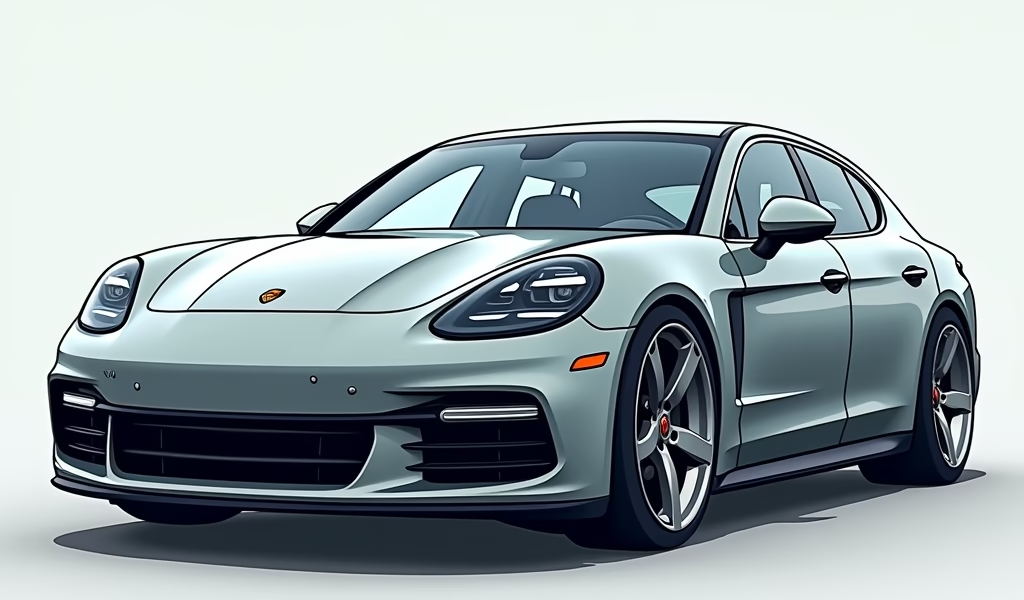
Like a finely tuned orchestra that occasionally hits a sour note, the Porsche Panamera’s sophisticated air suspension system delivers exceptional performance but requires vigilant maintenance to avoid costly repairs. Understanding common issues such as air leaks and compressor failures, recognizing warning signs like uneven ride height, and implementing preventative maintenance can save owners thousands while preserving the vehicle’s signature driving experience.
Table of Contents
- Understanding Porsche Panamera Air Suspension
- Common Air Suspension Issues
- Warning Signs of Suspension Problems
- Preventative Maintenance Tips
- DIY Troubleshooting Steps
- When to Seek Professional Help
- Cost-Saving Strategies
- Aftermarket vs. OEM Parts
- Conclusion
- Frequently Asked Questions
Understanding Porsche Panamera Air Suspension
The Porsche Panamera air suspension system is a marvel of German engineering that contributes significantly to the vehicle’s exceptional ride quality and handling characteristics. As someone who’s been working on these systems for over a decade, I can tell you they’re both impressive and complex. This pneumatic suspension replaces traditional steel springs with air-filled bellows that can be adjusted on the fly, allowing the Panamera to transform from a comfortable cruiser to a corner-carving sports car at the push of a button.
At its core, the Porsche Panamera air suspension consists of several key components: air struts at each wheel, an air compressor, electronic control unit (ECU), level sensors, and a network of air lines connecting everything together. The system monitors road conditions and driving style continuously, making micro-adjustments to maintain optimal ride height and comfort. What makes it special is how seamlessly it integrates with Porsche’s Adaptive Suspension Management (PASM) to deliver that signature Porsche driving experience.
While this technology delivers unparalleled performance, it also introduces complexity that can lead to expensive repairs down the road. Unlike conventional suspensions, air systems have additional failure points that aren’t found in simpler spring setups. The most vulnerable components include the air compressor, which works hard to maintain system pressure, and the air struts themselves, which are exposed to road debris and weather conditions. Understanding these components is your first step toward avoiding costly repairs.
Common Air Suspension Issues
After servicing hundreds of Panameras, I’ve noticed several recurring problems that owners typically encounter. Air leaks rank as the most common issue by far. These insidious problems can develop at connection points, in the air struts themselves, or in the distribution block where air is routed to different corners of the vehicle. Even a pinhole leak will eventually overwork your compressor and lead to system failure.
Compressor failure is another frequent headache. The air compressor works overtime in these systems, especially if you enjoy the sport suspension setting or frequently adjust ride height. Eventually, these units wear out from the constant cycling. The good news is that proper air compressor connection maintenance can extend its lifespan considerably.
Warning Signs of Suspension Problems
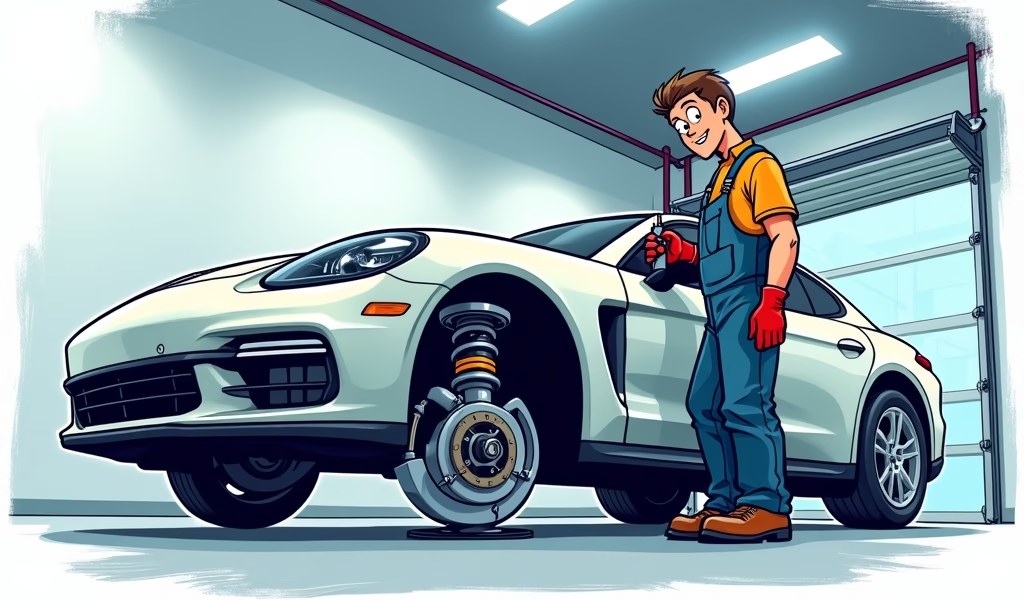
Your Panamera will typically give you several warning signs before a catastrophic (and expensive) air suspension failure occurs. The most obvious symptom is uneven ride height – you might notice one corner sagging lower than the others, particularly after the vehicle has been parked overnight. This is the automotive equivalent of waking up with a stiff neck; it’s your car telling you something’s not right.
Warning lights on your dashboard provide another clear indication of trouble. The Panamera’s sophisticated onboard diagnostics can detect pressure irregularities, compressor issues, or electrical faults. When that yellow suspension warning illuminates, don’t ignore it! Acting quickly on these warnings can often prevent a small issue from becoming a four-figure repair bill.
Unusual noises deserve your immediate attention too. A healthy air suspension should operate almost silently. If you hear the compressor running for extended periods or making grinding noises, that’s a telltale sign of a system struggling to maintain pressure. Some owners describe hearing a “wheezing” sound, which typically indicates air escaping from a compromised component.
Poor ride quality or handling characteristics represent more subtle but equally important warning signs. If your once-smooth Panamera suddenly feels harsh over bumps or wallows excessively in corners, the air suspension may not be maintaining proper pressure. This degradation in performance often happens gradually, making it easy to miss until it becomes pronounced. Regular sensor calibration intervals are crucial for maintaining optimal suspension performance.
Preventative Maintenance Tips
An ounce of prevention is worth a pound of cure, especially when it comes to your Porsche’s sophisticated air suspension. I’ve seen owners save thousands through simple preventative measures. Regular inspection of air lines and connections should top your maintenance checklist. These components can degrade over time, particularly in regions with harsh winters where road salt accelerates corrosion.
Here are my top preventative maintenance recommendations:
- Perform visual inspections of air struts and lines every 10,000 miles or annually, looking for signs of physical damage or corrosion
- Listen for the compressor running excessively when starting the vehicle (it should only run briefly)
- Check for moisture in the system during routine service intervals (moisture is the enemy of pneumatic components)
- Keep the air suspension relay and control module connections clean and protected from the elements
- Consider a protective coating for underbody components if you live in areas with harsh winters
One often overlooked aspect of maintenance is software updates. Porsche occasionally releases module programming updates that improve system efficiency and resolve known issues. These updates can significantly extend component lifespan and are typically available through your dealer’s service department.
Driving habits also play a crucial role in suspension longevity. While it might be tempting to constantly adjust ride height or switch between comfort and sport settings, each adjustment cycle puts wear on the compressor and valves. Try to minimize unnecessary mode switching during short trips. Additionally, if you’re storing your Panamera for extended periods, consider leaving it in the normal ride height position rather than the lowered position to reduce stress on components.
DIY Troubleshooting Steps
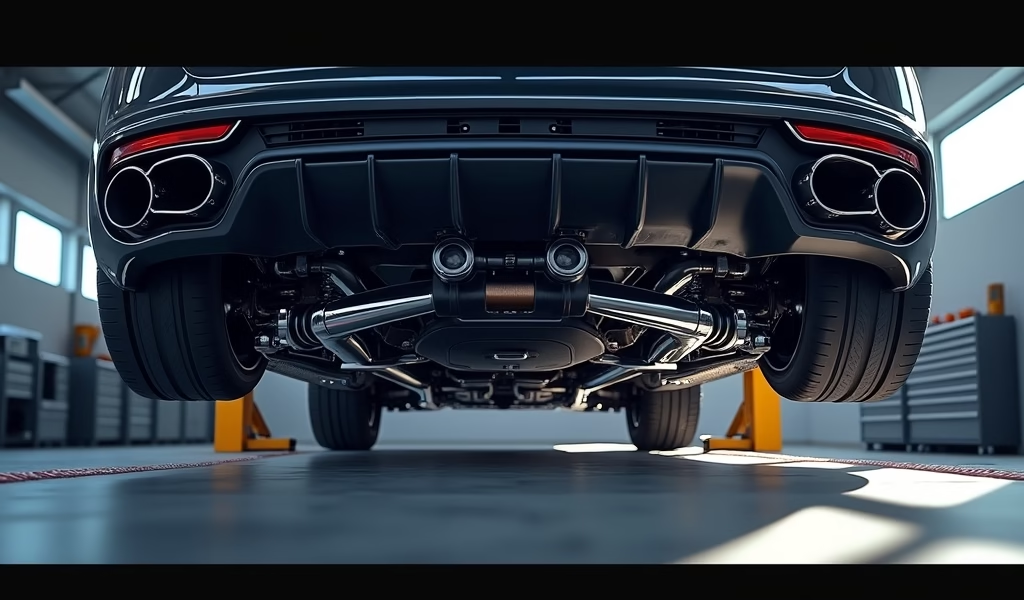
Before rushing to a dealer service department, there are several diagnostic steps you can perform yourself. A basic visual inspection can identify many issues before they become serious. Start by checking for obvious signs of damage to air struts, air lines, and connections when the car is safely raised on jack stands. Look particularly for rubbing or chafing where air lines may contact other components.
For the moderately handy owner, checking for leaks can be done using a simple soap and water solution applied to connections while the system is pressurized. Bubbles will form at the site of any leaks. This old-school technique has saved many of my customers from unnecessary parts replacement. Focus particularly on connection points and the air distribution block, which are common failure points.
Using an OBD-II scanner capable of reading Porsche-specific codes can provide valuable insights into what’s happening with your air suspension. Many affordable scanners now offer advanced functions that can display real-time data from suspension sensors and identify communication issues between components. According to a comprehensive study on air suspension systems, nearly 30% of issues can be identified through proper code reading.
Resetting the air suspension system can sometimes resolve electronic glitches. With the engine running, cycle through the different suspension settings (from lowest to highest) to help recalibrate the system. This simple procedure forces the control module to reestablish proper ride height parameters and can clear minor faults. However, persistent warning lights after a reset indicate a legitimate issue requiring further investigation.
When to Seek Professional Help
While DIY troubleshooting has its place, certain situations warrant immediate professional attention. Persistent warning lights that don’t clear after system resets typically indicate underlying issues that require specialized diagnostic equipment. Most independent shops don’t possess the Porsche-specific tools needed for comprehensive system diagnosis.
Complete system failure – where the vehicle sits significantly lower than normal or displays a “suspension fault” message – requires prompt professional assessment. Continuing to drive in this condition can damage other components, turning a manageable repair into something much more costly. Research from MotorTrend’s reliability analysis suggests that addressing air suspension issues promptly can reduce repair costs by up to 40%.
Unusual noises from the compressor area deserve expert attention. A healthy compressor should operate relatively quietly and only run periodically to maintain system pressure. Grinding, squealing, or continuous operation indicates impending failure. When selecting a repair facility, prioritize those with Porsche-certified technicians who understand the nuances of these sophisticated systems.
Cost-Saving Strategies
Air suspension repairs can be expensive, but there are legitimate ways to reduce costs without compromising quality. Independent Porsche specialists often offer significant savings compared to dealerships while maintaining high service standards. Many former dealership technicians establish independent shops where they can provide dealer-level expertise at more competitive rates.
Consider remanufactured components for significant savings. Quality remanufactured air struts undergo rigorous testing and often come with warranties comparable to new parts. Companies specializing in air suspension rebuilds can provide components that meet or exceed OEM specifications at 40-60% of the cost of new parts.
For the mechanically inclined, repair kits are available for certain components. Air strut rebuild kits include the wear items most prone to failure and can extend the life of your existing components at a fraction of replacement cost. However, these repairs require specialized tools and a comfortable understanding of pneumatic systems.
Preventative maintenance remains your best cost-saving strategy. Regular inspections and addressing minor issues before they cascade into system-wide failures will save thousands over your ownership period. Consider budgeting for an annual air suspension check by a qualified technician as cheap insurance against major failures.
Aftermarket vs. OEM Parts
The debate between OEM (Original Equipment Manufacturer) and aftermarket parts deserves careful consideration. OEM parts offer perfect fitment and original specifications, giving peace of mind that your Panamera will perform exactly as Porsche intended. However, this assurance comes with premium pricing that can be 30-50% higher than quality aftermarket alternatives.
Premium aftermarket manufacturers like Arnott and Bilstein have invested heavily in engineering high-quality alternatives that often incorporate improvements over original designs. Many of these companies employ former automotive engineers who understand the failure points of OEM systems and design solutions to address these weaknesses. Some aftermarket components even offer extended warranties beyond what Porsche provides.
When considering aftermarket parts, research is essential. Look for companies with established reputations and positive reviews from Porsche owners’ forums. Avoid generic “universal” components that haven’t been specifically engineered for the Panamera’s unique requirements. The difference in quality between premium and budget aftermarket parts can be substantial.
For critical components like control modules and sensors, OEM parts often represent the safest choice due to their integration with the vehicle’s complex electronics. However, for mechanical components like air struts and compressors, high-quality aftermarket parts from reputable manufacturers offer excellent value without compromising performance.
Conclusion
The Porsche Panamera’s air suspension represents a pinnacle of automotive engineering, delivering exceptional performance and comfort when properly maintained. By understanding common failure points, recognizing early warning signs, and implementing preventative maintenance strategies, you can enjoy the benefits of this sophisticated system while avoiding unnecessarily expensive repairs.
Remember that proactive care is your best defense against costly failures. Regular inspections, addressing minor issues promptly, and choosing the right parts and service providers will help ensure your Panamera delivers the driving experience Porsche engineers intended. Whether you choose OEM components or high-quality aftermarket alternatives, prioritizing maintenance over crisis repairs will always be the more economical approach in the long run.
With the right knowledge and care strategy, your Porsche Panamera’s air suspension can provide years of trouble-free performance. The combination of comfort, handling, and adjustability it offers remains unmatched in the automotive world – and well worth preserving through thoughtful ownership practices.
Frequently Asked Questions
How long does Porsche Panamera air suspension typically last?
With proper maintenance, the system typically lasts 60,000-80,000 miles before needing significant repairs. Regular inspections and addressing minor issues promptly can extend this lifespan considerably.
Can I drive my Panamera if the air suspension warning light is on?
It’s not recommended to drive for extended periods with the warning light illuminated. Short drives to a service facility are generally acceptable, but continued driving risks additional damage.
How much does it cost to replace all four air struts on a Panamera?
Dealer replacement of all four struts typically costs between $4,000-$6,000 including parts and labor. Independent shops or quality aftermarket parts can reduce this cost by 30-40%.
Is it possible to convert Panamera air suspension to conventional springs?
Conversion kits do exist but aren’t recommended as they compromise the vehicle’s intended performance characteristics. These conversions may also trigger persistent warning lights and affect other vehicle systems.
How often should air suspension components be inspected?
Professional inspection is recommended annually or every 10,000 miles, whichever comes first. Visual checks for leaks or uneven ride height should be performed monthly by owners.