
Overview
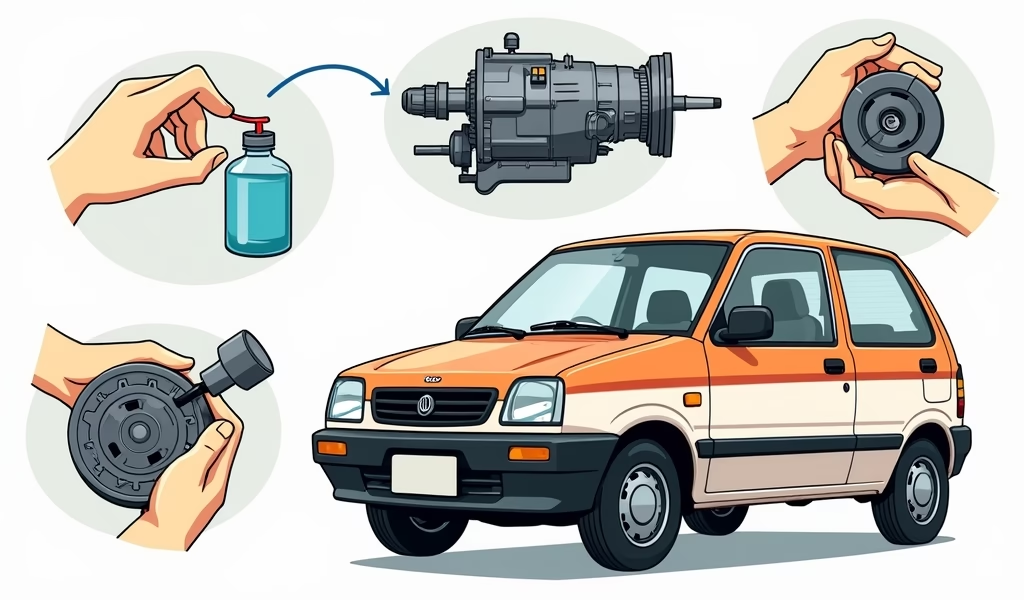
Just like that check engine light you’ve been ignoring, your Daewoo Lanos transmission deserves attention before grinding noises turn into a $2,000 repair bill. This guide outlines common transmission issues for both manual and automatic Lanos models, offering specific maintenance schedules, fluid check procedures, warning signs to watch for, and practical driving habits that can extend transmission life beyond 200,000 miles.
Table of Contents
- Understanding Daewoo Lanos Transmissions
- Warning Signs of Transmission Trouble
- Common Transmission Issues
- Maintenance Tips
- Fluid Check and Change Procedures
- DIY vs. Professional Service
- Extending Transmission Life
- Conclusion
- Frequently Asked Questions
Understanding Daewoo Lanos Transmissions
The Daewoo Lanos transmission system is one of those components that doesn’t get much attention until something goes wrong. I’ve worked on hundreds of these compact cars over my career, and their transmissions have some quirks worth knowing about. The Lanos was produced between 1997 and 2002 (longer in some international markets), offering both manual and automatic transmission options.
Manual transmissions in the Lanos are typically 5-speed units, while automatics are 4-speed. What many owners don’t realize is that these transmissions, while generally reliable, have several common weak points that can lead to expensive repairs if ignored. At our shop, we’ve seen too many customers facing $2,000+ replacement bills that could have been avoided with proper knowledge and maintenance.
The manual transmission in these vehicles uses a cable-operated shifting mechanism rather than direct linkage. This creates a smoother shifting experience but adds components that can wear out over time. The automatic transmission uses hydraulic pressure and solenoids to control shifting, with a torque converter that can be particularly vulnerable to wear.
Warning Signs of Transmission Trouble
Your Daewoo Lanos will typically give you several warning signs before a catastrophic transmission failure. Paying attention to these signals can save you hundreds, if not thousands, of dollars in repair costs.
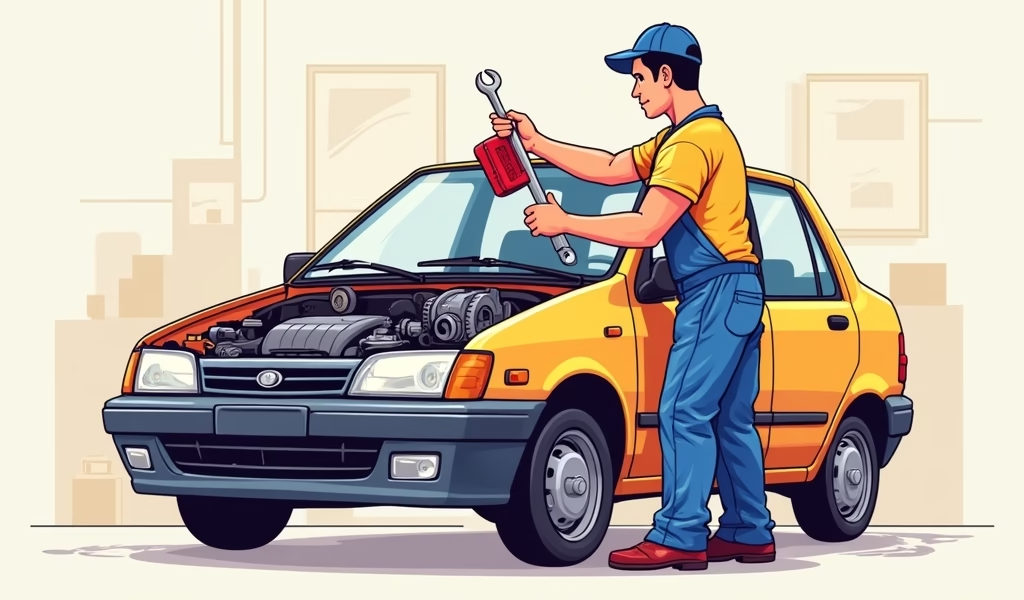
The most common warning signs include:
- Delayed or rough shifting between gears
- Unusual noises like grinding, whining, or clunking
- Transmission fluid leaks (look for reddish fluid under your parked car)
- Burning smell during or after driving
- Vehicle surging or hesitating during acceleration
- Check engine light illumination (particularly codes P0700-P0770)
If your Lanos exhibits any of these symptoms, don’t wait. In my experience, transmission problems only worsen with time. What might be a simple fix today could become a complete transmission rebuild in a few weeks if ignored.
One customer brought in their Lanos after noticing a slight delay when shifting from park to drive. Upon inspection, we found low transmission fluid due to a minor seal leak. The repair cost just $180, whereas waiting until the transmission failed completely would have cost over $2,000.
Common Transmission Issues
After working on countless Daewoo Lanos transmissions, I’ve identified several recurring issues that affect these vehicles. Understanding these common failure points can help you prevent them or catch them early.
For manual transmissions, the most common problems include:
- Worn shift cables leading to sloppy shifting
- Clutch hydraulic system failures (master and slave cylinders)
- Synchro ring wear causing grinding when shifting into specific gears
- Input shaft bearing failure signaled by noise when the clutch is depressed
For automatic transmissions, watch out for:
- Solenoid failures resulting in erratic shifting
- Torque converter lock-up issues causing shuddering at highway speeds
- Valve body problems leading to delayed engagement
- Internal seal deterioration resulting in fluid pressure loss
One of the most preventable issues we see at the shop is transmission damage from neglected fluid service intervals. The factory recommendation for fluid changes might be 60,000 miles, but in real-world conditions, especially with city driving, I strongly recommend service every 30,000 miles instead.
According to a study by AAA, regular transmission fluid changes can extend transmission life by up to 50% – something we’ve confirmed through years of servicing these vehicles.
Maintenance Tips
Keeping your Daewoo Lanos transmission healthy doesn’t require automotive expertise—just consistent attention to a few key maintenance points. The following practices will dramatically extend your transmission’s lifespan:
- Check transmission fluid level monthly (automatic transmissions)
- Inspect for leaks regularly by looking under the parked vehicle
- Listen for changes in transmission sound or behavior
- Allow the car to warm up properly before driving, especially in cold weather
- Don’t “ride” the clutch in manual transmission vehicles
- Come to a complete stop before shifting between Drive and Reverse
For manual transmission owners, proper clutch usage is crucial. We’ve rebuilt countless transmissions that were damaged by improper driving habits. Always fully depress the clutch when shifting gears, avoid resting your hand on the shift lever while driving, and don’t use the clutch to hold the car on hills instead of the brake.
Automatic transmission owners should pay particular attention to fluid condition. The fluid should be bright red to pink and smell sweet rather than burnt. Dark brown or black fluid with a burnt smell indicates overheating and requires immediate attention. We’ve saved many transmissions by catching fluid degradation before it caused internal damage.
Fluid Check and Change Procedures
Proper fluid maintenance is the single most effective way to prolong your Daewoo Lanos transmission life. Here’s how to check and change your transmission fluid correctly:
For checking automatic transmission fluid:
- Run the engine until it reaches normal operating temperature
- Shift through all gears with your foot on the brake, then leave it in Park
- With the engine still running, pull the dipstick, wipe it clean, reinsert it fully
- Remove again and check both level and condition
- The fluid should be between the “MIN” and “MAX” marks and have a reddish color
For manual transmission fluid checks:
- Park on level ground and ensure the engine is cool
- Locate the fill plug on the side of the transmission case
- Remove the plug – fluid should be level with the bottom of the hole
- The fluid should have a light amber color and not smell burnt
For changing automatic transmission fluid, I recommend the “drain and fill” method rather than a complete flush for vehicles over 100,000 miles. Complete flushes can sometimes dislodge debris that ends up causing more harm than good in high-mileage transmissions. We’ve seen this happen dozens of times at our shop.
Use only the recommended fluid types: Dexron III/Mercon for automatics and 75W-90 GL-4 gear oil for manuals. Using incorrect fluids is a common and costly mistake we see frequently.
DIY vs. Professional Service
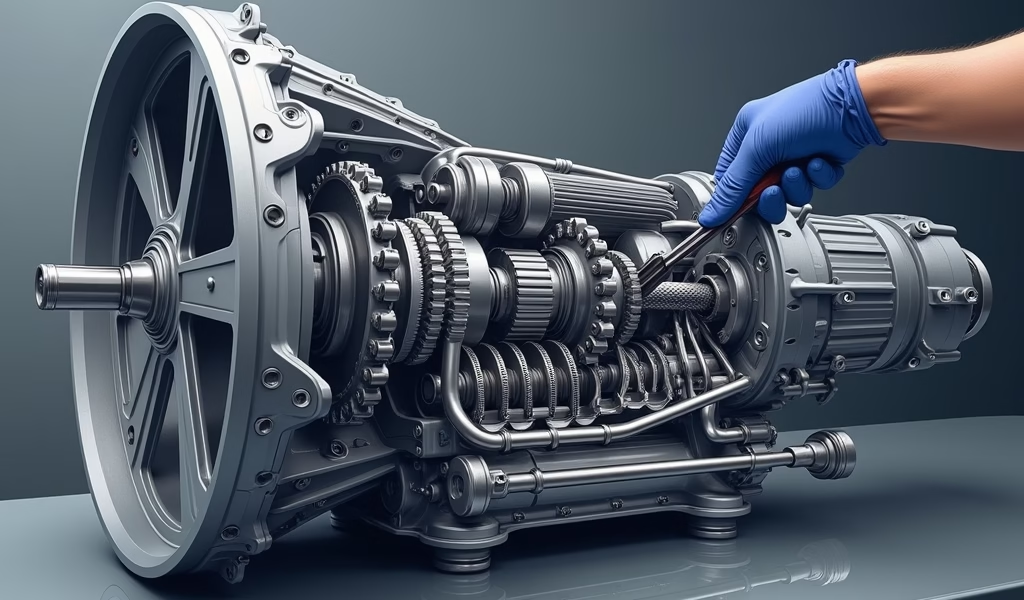
Many Daewoo Lanos owners ask me what transmission maintenance they can handle themselves and what should be left to professionals. Here’s my honest breakdown:
Tasks suitable for DIY enthusiasts:
- Checking transmission fluid levels
- Basic external inspections for leaks
- Manual transmission fluid changes (with proper tools)
- Shift linkage lubrication
- Clutch pedal free play adjustment
Tasks best left to professionals:
- Automatic transmission fluid changes (requires proper disposal of hazardous materials)
- Clutch replacement (requires transmission removal)
- Internal transmission repairs of any kind
- Diagnostic work requiring specialized tools
- Transmission mount replacement
If you’re mechanically inclined and want to tackle your own fluid change, make sure you have the proper tools: a catch basin, socket set, torque wrench, and fresh fluid. You’ll also need to properly dispose of used transmission fluid, which is considered hazardous waste in most areas.
When selecting a professional shop, look for one with specific experience with Daewoo vehicles. Since Daewoo exited many markets years ago, not all mechanics are familiar with their specific requirements. Ask potential shops if they’ve worked specifically on Lanos transmissions before entrusting them with your vehicle.
The ASE Certified shop finder can help you locate qualified professionals in your area who have the expertise to properly service your transmission.
Extending Transmission Life
Beyond regular maintenance, there are several practices that can significantly extend your Daewoo Lanos transmission’s lifespan. These habits cost nothing but can save you thousands in repair bills:
- Warm up your vehicle properly before driving, especially in cold weather
- Avoid aggressive driving with rapid acceleration and hard braking
- Don’t overload the vehicle beyond its rated capacity
- Use engine braking (downshifting) on long downhill stretches rather than riding the brakes
- Address minor transmission issues promptly before they become major problems
One practice that dramatically affects clutch adjustment frequency and longevity is how you drive in traffic. Avoid “riding” the clutch by keeping your foot on the pedal when not actively shifting. This habit alone can double clutch life in manual transmission vehicles.
For automatic transmissions, be mindful of the temperature. These units operate best within a specific temperature range, and overheating is their biggest enemy. If you regularly drive in stop-and-go traffic or tow anything with your Lanos, consider installing an auxiliary transmission cooler. For about $150-200 installed, it can extend transmission life by years.
We once had a customer who delivered pizza with his Lanos. After installing an auxiliary cooler, his transmission lasted over 100,000 additional miles despite the harsh duty cycle of constant stop-and-go driving.
Conclusion
Maintaining your Daewoo Lanos transmission doesn’t require specialized knowledge or expensive tools—just consistent attention and prompt action when problems arise. Regular fluid checks and changes, proper driving habits, and addressing minor issues before they become major ones will keep your transmission shifting smoothly for years to come.
Remember that transmission replacement on a Daewoo Lanos typically costs between $1,800-$2,500—a significant investment for a vehicle in this price range. Preventative maintenance, by comparison, costs just a few hundred dollars spread over the life of your car.
Through my years working with these vehicles, I’ve seen well-maintained Lanos transmissions exceed 200,000 miles, while neglected ones often fail before 100,000. The difference almost always comes down to owner attention and maintenance rather than luck or manufacturing quality.
Your Daewoo Lanos can provide reliable, economical transportation for many years if you listen to what it’s telling you and provide the basic care it needs. Don’t wait until you hear grinding or experience shifting problems—by then, the damage is often already significant.
Frequently Asked Questions
How often should I change my Daewoo Lanos transmission fluid?
For automatic transmissions, every 30,000 miles or 2 years. For manual transmissions, every 45,000 miles or 3 years.
What type of fluid does a Daewoo Lanos automatic transmission use?
Daewoo Lanos automatic transmissions require Dexron III/Mercon fluid. Never use universal “fits all” transmission fluids as they can damage seals.
Why is my Lanos manual transmission grinding when I shift into second gear?
Grinding when shifting into a specific gear typically indicates worn synchronizers in that gear. Early intervention can prevent more extensive damage to the transmission.
Is it worth fixing the transmission in my high-mileage Lanos?
This depends on the vehicle’s overall condition and your attachment to it. If the car has under 150,000 miles and is otherwise solid, transmission repair is usually worthwhile.
Can I drive with a transmission fluid leak?
No, even small transmission fluid leaks should be repaired immediately. Driving with insufficient fluid will cause rapid and often catastrophic transmission damage.