

Overview
Just like its futuristic exterior, the Isuzu VehiCROSS’s 4L30-E transmission is a sophisticated system requiring attentive care to avoid costly repairs that can reach $3,000+. Through proper maintenance including regular fluid changes, addressing early warning signs, and potential upgrades like an auxiliary cooler, owners can extend their transmission’s lifespan to 150,000-200,000 miles while preserving a distinctive piece of automotive history.
Table of Contents
- Understanding the Isuzu VehiCROSS Transmission
- Common Transmission Issues in the VehiCROSS
- Warning Signs of Transmission Problems
- Preventive Maintenance Tips
- DIY vs. Professional Repair: What You Can Handle
- Understanding Repair Costs
- How to Extend Your Transmission’s Lifespan
- Conclusion
- Frequently Asked Questions
Understanding the Isuzu VehiCROSS Transmission
The Isuzu VehiCROSS is something special – a futuristic-looking SUV that turned heads when it debuted and still does today. At the heart of this unique vehicle sits the 4L30-E four-speed automatic transmission, a crucial component that deserves your attention if you own one of these collectible SUVs.
This transmission isn’t just any automatic – it’s a sophisticated system designed to work with the VehiCROSS’s innovative Torque-on-Demand 4WD system. What makes it special is how it continuously adjusts power distribution between the front and rear wheels, giving you impressive off-road capability that was ahead of its time when introduced.
The 4L30-E was manufactured by General Motors and features four forward gears with electronic controls. It’s robust for normal driving, but like any complex mechanical system, it has its vulnerabilities – especially now that these vehicles are aging into their 20+ year mark.
As a mechanic who’s worked on dozens of these transmissions, I can tell you that understanding this system is your first step toward avoiding those heart-stopping repair bills that can reach $3,000 or more. The good news? With proper care, this transmission can be remarkably durable.
Common Transmission Issues in the VehiCROSS
After years working on these unique vehicles, I’ve noticed several recurring problems that plague the VehiCROSS transmission. Identifying these common issues early can save you thousands in repair costs.
Torque converter problems top the list of failures. The lockup clutch inside the converter tends to wear out, creating a shuddering sensation during light acceleration or highway cruising. When this happens, you’re looking at either a converter replacement or a complete rebuild.
Valve body issues are another frequent culprit. The valve body controls the flow of transmission fluid, and over time, tiny passages can become clogged with debris or worn. This leads to erratic shifting, delayed engagement, or slipping between gears.
The electronic control solenoids also tend to fail with age. These solenoids regulate fluid pressure and flow, and when they malfunction, you’ll experience unpredictable shifting patterns or complete failure to engage certain gears.
Overheating is perhaps the most damaging issue. The VehiCROSS’s stock cooling system is adequate for street driving but can be overwhelmed during off-road adventures. Once transmission fluid overheats, it breaks down rapidly, leading to accelerated wear of internal components.
Warning Signs of Transmission Problems
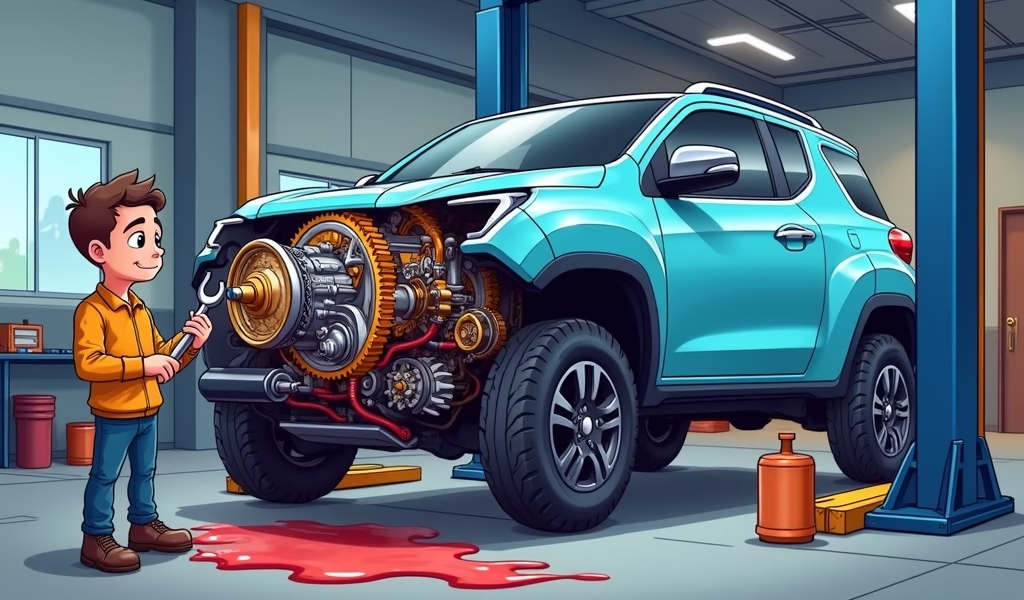
Your VehiCROSS will usually tell you when transmission troubles are brewing – if you know what to listen for. Catching these warning signs early can mean the difference between a minor repair and a complete rebuild.
Delayed engagement is often the first symptom you’ll notice. When you shift from Park to Drive, the vehicle hesitates before moving. This isn’t normal, and it’s your transmission’s way of saying something’s wrong. The delay usually worsens over time if ignored.
Unusual noises are reliable indicators of transmission issues. Listen for whining during acceleration, buzzing during deceleration, or clunking when shifting gears. A healthy VehiCROSS transmission operates quietly, so new noises deserve immediate attention.
Fluid leaks shouldn’t be ignored. If you spot reddish-brown fluid beneath your parked vehicle, especially near the center, you likely have a transmission fluid leak. Even small leaks can lead to catastrophic failure if the fluid level drops too low.
Rough shifting is another telltale sign. If gear changes feel jerky or harsh, or if the RPMs surge before the shift completes, your transmission’s control systems may be failing. This symptom often appears first during cold starts and gradually worsens.
The check engine light can also indicate transmission problems. While many drivers ignore this warning, modern transmission control systems trigger specific diagnostic codes when they detect abnormal operation. Common codes include P0700 (transmission control system malfunction) and P0730 (incorrect gear ratio).
Preventive Maintenance Tips
The key to avoiding costly transmission repairs is consistent preventive maintenance. I’ve saved VehiCROSS owners thousands by helping them establish proper maintenance routines. Here’s what works:
Regular fluid changes are essential, despite what you might have heard about “lifetime” transmission fluid. For the VehiCROSS, I recommend changing the fluid every 30,000 miles under normal conditions, and more frequently (every 20,000 miles) if you take it off-road or live in extreme climates.
Always use the correct fluid specification – Dexron III or equivalent as specified by Isuzu. Using incorrect fluid can cause seal damage, improper shifting, and accelerated wear. This isn’t an area to cut corners or use “universal” alternatives.
Installing an auxiliary transmission cooler is one of the smartest upgrades for VehiCROSS owners, especially if you enjoy off-roading. For around $150 in parts, you can significantly reduce transmission operating temperatures and extend component life. It’s one of the most cost-effective preventive measures you can take.
Don’t forget about the filter. The internal transmission filter traps debris that could damage sensitive components. This should be replaced during transmission service, which requires dropping the transmission pan. While you’re there, inspect the pan for metal particles – the presence of “metal confetti” indicates internal damage is already occurring.
Regular transmission service intervals are crucial to catching problems early. Beyond fluid changes, a comprehensive service should include checking the electronic control systems, inspecting mounts, and testing shift patterns. Keeping to these schedules can dramatically extend your transmission’s life.
DIY vs. Professional Repair: What You Can Handle
As someone who’s guided many VehiCROSS owners through repairs, I want to be clear about what you can realistically tackle yourself versus when to call in the professionals.
Fluid level checks are definitely DIY-friendly. The process is straightforward: With the engine running at operating temperature, cycle through all gear positions before returning to Park, then check the dipstick. The fluid should be clear reddish color without a burnt smell.
Basic fluid and filter changes can be handled by moderately experienced DIYers with the right tools. You’ll need a transmission pan gasket, filter, about 8 quarts of the correct fluid, and basic hand tools. Just be prepared for some mess – transmission pans rarely drain neatly!
External cooler installation is another approachable project for someone comfortable working on their vehicle. The job requires basic hand tools, some knowledge of the cooling system, and about 3-4 hours of work. The payoff in extended transmission life makes this well worth the effort.
However, internal transmission repairs should be left to professionals. The 4L30-E is a complex unit with precisely calibrated components. Even experienced mechanics use specialized tools and manufacturer specifications when rebuilding these transmissions. A mistake during reassembly can lead to immediate failure or shortened lifespan.
When seeking professional help, look for shops specializing in either Isuzu vehicles or transmission work. Before committing, ask if they’ve worked specifically on 4L30-E transmissions before and whether they’re familiar with the VehiCROSS’s Torque-on-Demand system. The right expertise makes all the difference in repair quality and longevity.
Understanding Repair Costs
Let’s talk money – specifically, what you might expect to pay if your VehiCROSS transmission needs serious attention. Being prepared for these costs helps avoid sticker shock and lets you make informed decisions.
For a complete transmission rebuild, expect to pay between $2,200-$3,500. This typically includes disassembly, inspection, replacement of worn components, and reassembly with new gaskets and seals. The price varies depending on the extent of internal damage and parts availability.
A remanufactured transmission runs $3,000-$4,500 installed. These units have been completely disassembled, inspected, and rebuilt with new parts where needed, and they usually come with a warranty. This option offers convenience and peace of mind, though at a higher price point.
Used transmission installation might cost $1,800-$2,800. While this is the most affordable option, it carries the highest risk, as the condition and remaining lifespan of a used unit are unknown. I generally don’t recommend this route unless budget constraints leave no alternative.
For preventive maintenance, you’re looking at much more reasonable figures: a transmission fluid and filter service runs $150-$300 at most shops, while an auxiliary cooler installation might cost $250-$400 including parts. These preventive measures can save thousands by extending transmission life.
Remember that proper transfer case maintenance and differential service are also essential for the overall health of your drivetrain. These often-neglected components work in conjunction with your transmission and should be included in your maintenance budget.
How to Extend Your Transmission’s Lifespan
Beyond regular maintenance, how you drive and care for your VehiCROSS significantly impacts transmission longevity. Here are my top tips from years of working with these vehicles:
Warm up your vehicle properly before driving, especially in cold weather. Allow the engine and transmission to reach operating temperature before demanding hard acceleration or tackling difficult terrain. This ensures proper lubrication of all components.
Modify your driving habits to reduce transmission stress. Avoid lugging the engine in high gears at low speeds. When off-roading, use low-range gearing appropriately to reduce strain. Allow the transmission to fully engage before accelerating from a stop.
Pay attention to towing capacity limits. The VehiCROSS wasn’t designed as a heavy-duty towing vehicle, and exceeding its rated capacity places enormous strain on the transmission. If you must tow, ensure you have adequate transmission cooling and drive conservatively.
Address small problems before they become big ones. That slight hesitation when shifting into drive might seem minor, but addressing it early could prevent a complete failure. Transmission problems rarely self-resolve and typically worsen over time.
Consider a transmission fluid analysis if your VehiCROSS has unknown maintenance history. For about $50, specialized labs can analyze a sample of your transmission fluid to identify wear metals and contaminants, giving you valuable insight into the internal condition of your transmission.
Conclusion
Your Isuzu VehiCROSS is more than just transportation—it’s a distinctive piece of automotive history that continues to turn heads decades after production ended. Its sophisticated transmission system deserves special care to avoid the significant expense and heartache of major repairs.
By recognizing early warning signs, maintaining proper fluid levels and quality, and addressing minor issues promptly, you can dramatically extend your transmission’s lifespan. The investment in preventive maintenance is minimal compared to the cost of rebuilds or replacements.
Whether you’re a dedicated off-roader or a collector preserving this unique SUV, understanding your VehiCROSS’s transmission needs empowers you to make informed decisions about maintenance and repairs. With proper care, your VehiCROSS can continue to deliver its distinctive blend of futuristic styling and capable performance for many years to come.
Remember that each properly maintained VehiCROSS helps preserve an increasingly rare and valuable part of automotive history. The effort you put into caring for your vehicle’s transmission not only saves you money but contributes to keeping these remarkable machines on the road for future generations to appreciate.
Frequently Asked Questions
How often should I change the transmission fluid in my VehiCROSS?
Every 30,000 miles under normal driving conditions, or every 20,000 miles if you frequently drive off-road or in extreme temperatures. Never subscribe to the “lifetime fluid” myth—regular fluid changes are essential for transmission longevity.
What are the first signs of transmission problems in a VehiCROSS?
The earliest warning signs include delayed engagement when shifting from Park to Drive, unusual noises during shifting, and fluid leaks underneath the vehicle. Address these symptoms immediately to prevent more serious damage.
Can I still find parts for the VehiCROSS transmission?
Yes, though they’re becoming increasingly difficult to source. Since the 4L30-E was used in several GM applications, many internal components remain available through transmission specialty suppliers.
Is it worth adding an auxiliary transmission cooler to my VehiCROSS?
Absolutely, especially if you drive off-road or in hot climates. An auxiliary cooler is one of the most cost-effective ways to extend transmission life and prevent overheating-related failures.
What’s the expected lifespan of a VehiCROSS transmission?
With proper maintenance, the 4L30-E transmission should last 150,000-200,000 miles. Many factors affect longevity, including driving habits, maintenance history, and operating conditions.