
Overview
That mysterious clunking from your Plymouth Neon’s transmission isn’t just your car’s way of saying hello—it’s a cry for the regular maintenance that can extend its lifespan from the typical 100,000-150,000 miles to much longer. From fluid changes every 30,000-50,000 miles (not the factory-recommended 100,000) to recognizing early warning signs like delayed engagement and unusual noises, this guide offers practical tips for maintaining your Neon’s transmission and making informed repair-versus-replace decisions when problems arise.
Table of Contents
- Understanding Your Plymouth Neon Transmission
- Common Transmission Problems and Warning Signs
- What Causes Neon Transmission Failures
- Essential Maintenance Practices
- Fluid Facts: The Lifeblood of Your Transmission
- Driving Habits That Save Transmissions
- When to Repair vs. Replace
- DIY Transmission Maintenance Tips
- Choosing a Transmission Specialist
- Cost Breakdown: What to Expect
- Conclusion
- Frequently Asked Questions
Understanding Your Plymouth Neon Transmission
The Plymouth Neon, produced from 1994 to 2005, came equipped with either a 5-speed manual transmission or a 3-speed automatic (later upgraded to a 4-speed in second-generation models). While these compact cars delivered excellent fuel economy and peppy performance for their time, their transmissions—particularly the automatics—developed a reputation that makes many owners nervous.
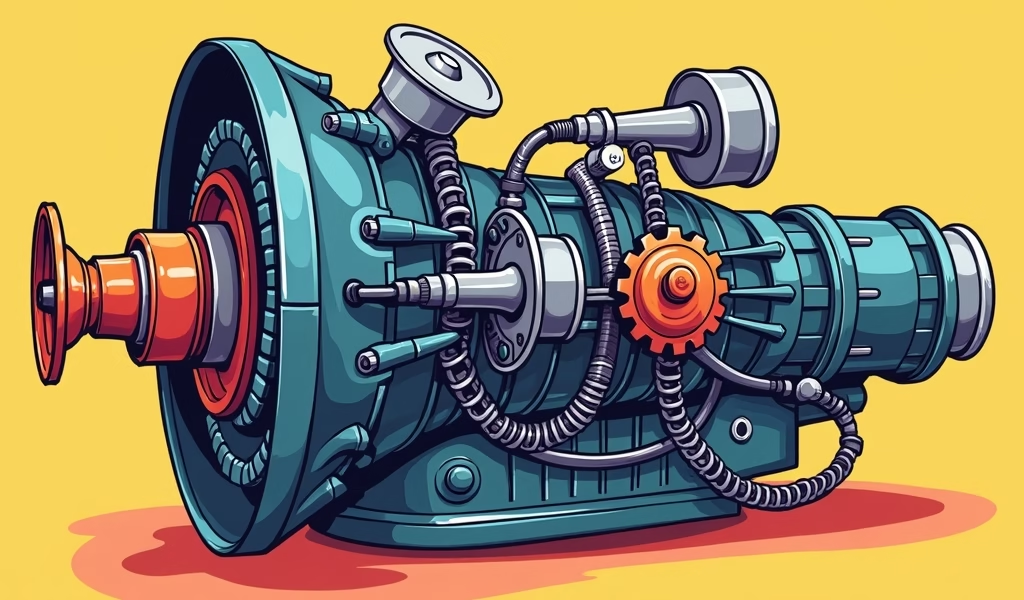
At the heart of your Neon’s automatic transmission is the 41TE (A604) unit, an electronically controlled system that relies on solenoids, sensors, and hydraulic pressure to function properly. This transmission holds approximately 6-7 quarts of fluid, which is relatively small compared to larger vehicles, making proper fluid maintenance absolutely critical.
Manual transmission Neons feature a more straightforward design with an input shaft, output shaft, synchronizers, and gear sets. These tend to be more durable than their automatic counterparts, often lasting 150,000-200,000 miles with proper care, while automatics typically manage 100,000-130,000 miles before requiring major service.
What makes the Neon transmission unique is its combination of electronic and hydraulic systems in a compact package. The relatively small fluid capacity makes it susceptible to overheating, especially during demanding conditions like stop-and-go traffic or towing (though towing with a Neon is generally not recommended by manufacturers).
Common Transmission Problems and Warning Signs
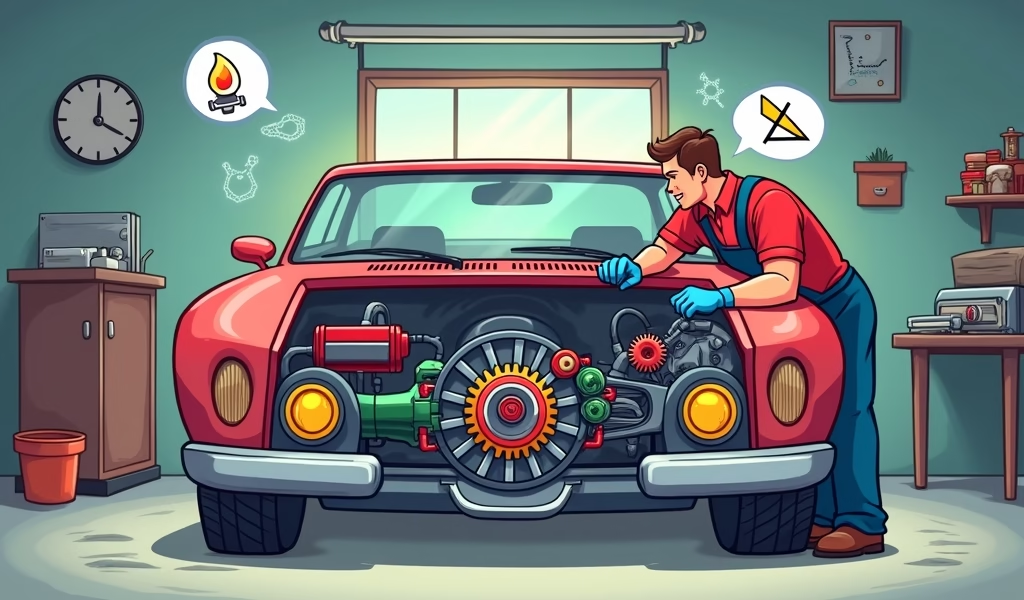
Your Neon will typically give you several warning signs before a catastrophic transmission failure. Learning to recognize these early symptoms can save you thousands in repair costs.
Delayed engagement is often the first noticeable issue. You shift into Drive or Reverse, and there’s a noticeable pause before the car actually moves. This hesitation usually indicates worn clutch packs, low fluid, or electronic control issues.
Rough shifting presents as jerky movements or a “clunk” feeling when changing gears. Instead of smooth transitions between gears, you might feel a jolt or notice your engine RPMs fluctuating wildly before the next gear engages.
Unusual noises tell a story about what’s happening inside your transmission. A whining noise, especially during acceleration, often points to pump problems or low fluid levels. Grinding sounds typically suggest mechanical wear in the gear sets, while buzzing sounds frequently indicate electrical control issues with solenoids.
Fluid leaks are obvious red flags. Fresh transmission fluid is bright red, while older fluid darkens to brown or even black. Check under your parked Neon for suspicious spots, paying special attention to the area beneath the transmission pan and around the front seal where the transmission meets the engine.
The check engine light can illuminate for transmission-related issues. Common Neon transmission codes include P0700 (general transmission system fault), P0730 (incorrect gear ratio), and P0740 (torque converter clutch circuit issues). An inexpensive code scanner can help you diagnose these problems early.
Complete failure symptoms include slipping gears (where the engine revs but speed doesn’t increase), inability to engage certain gears, or the transmission remaining stuck in one gear regardless of shifter position. If you experience these severe symptoms, have your Neon towed rather than risk further damage.
What Causes Neon Transmission Failures
Understanding why Neon transmissions fail helps you prevent problems before they start. The most common culprits include:
- Low or degraded transmission fluid is the leading preventable cause of transmission damage. Fluid not only lubricates moving parts but also cools the transmission and provides hydraulic pressure needed for operation.
- Overheating accelerates fluid breakdown and damages internal components. The Neon’s compact transmission can reach damaging temperatures (above 200°F) during stop-and-go traffic or extended highway driving, especially in hot weather.
- Electronic control issues become more common as Neons age. Sensors degrade, wiring develops shorts, and solenoids stick or fail. Given the highly electronic nature of the 41TE transmission, electrical problems can mimic mechanical failures.
- Worn clutch plates and bands are inevitable with age and mileage, but premature wear occurs when fluid is compromised or the transmission is subjected to harsh shifting.
- Torque converter lockup problems, particularly with the lockup clutch, can manifest as shuddering during light acceleration or difficulty maintaining highway speeds.
The Neon’s transmission design has several inherent weaknesses. The relatively small fluid capacity makes overheating more likely during demanding conditions. Electronic sensors were prone to failure over time, and internal components like clutch packs and bands could wear prematurely if maintenance was neglected.
The transmission pump, particularly in 1995-1999 models, developed a reputation for failure at higher mileages, often presenting as a whining noise that worsens during acceleration. Once this pump begins to fail, the transmission’s days are numbered without intervention.
Essential Maintenance Practices
Preventive maintenance is your best defense against costly Plymouth Neon transmission failures. The factory service interval for transmission fluid changes was originally suggested at 100,000 miles – an optimistic figure that real-world experience has proven inadequate.
For Neon owners seeking maximum transmission life, changing your transmission fluid every 30,000-50,000 miles provides substantially better protection. This should include dropping the pan, replacing the filter, and refilling with fresh fluid.
Always use the correct specification fluid. Most Neons require ATF+4 (Automatic Transmission Fluid type 4), though earlier models used ATF+3. Using the wrong fluid type can cause shift problems, accelerated wear, and even complete failure.
Regular cooling system maintenance indirectly protects your transmission. Your engine’s cooling system also cools the transmission through a heat exchanger. When your engine runs hot, your transmission suffers. Replace coolant at recommended intervals and address any overheating promptly.
Addressing minor issues before they escalate is crucial. Transmission problems rarely resolve themselves, and minor symptoms can quickly progress to major failures. When you notice a change in shifting behavior, unusual noises, or fluid leaks, have them diagnosed promptly.
Consider installing an auxiliary transmission cooler if you live in a hot climate, frequently drive in stop-and-go traffic, or plan to keep your Neon for many years. These affordable additions (typically $100-200 plus installation) can significantly extend transmission life by keeping operating temperatures in the optimal range.
Fluid Facts: The Lifeblood of Your Transmission
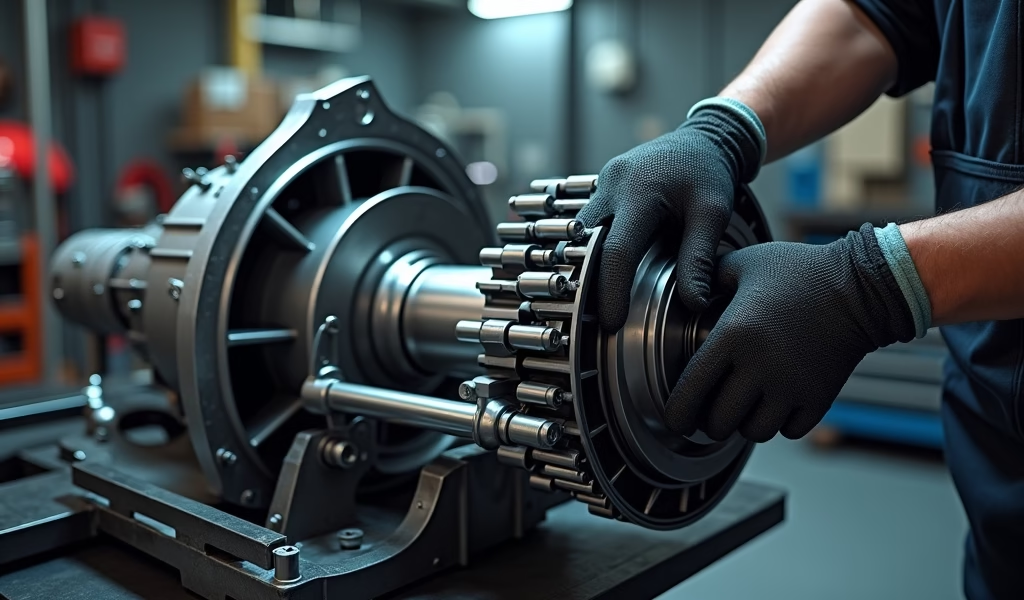
Transmission fluid performs several critical functions in your Neon’s transmission: it lubricates moving parts, cools internal components, transmits hydraulic pressure, and helps clean the system by carrying away wear particles.
Unlike engine oil, transmission fluid doesn’t burn off, but it does break down over time. Heat is the primary enemy, causing the fluid to oxidize, lose viscosity, and form harmful deposits on internal components.
Checking your transmission fluid level and condition is a simple yet valuable maintenance task. With the engine running and warmed up, shift through all gears, then pull the transmission dipstick. The fluid should be at the “FULL HOT” mark and should be clear red or red-brown in color.
If your fluid appears dark brown or black, smells burnt, or contains visible particles, it’s overdue for replacement. Similarly, if the level is below the “ADD” mark, you should top it off immediately and check for leaks.
When adding fluid, use only the manufacturer-specified type. For most Neons, this is Mopar ATF+4 fluid, though some earlier models used ATF+3. Using universal or incorrect fluid can cause shifting problems, accelerated wear, and even complete failure.
Be wary of transmission additives and “miracle fixes.” Products claiming to stop leaks or restore shifting often contain chemicals that swell seals temporarily but accelerate their deterioration. Address the root cause rather than masking symptoms.
Driving Habits That Save Transmissions
Your driving style directly impacts your Neon’s transmission longevity. Adopting these habits costs nothing yet can add thousands of miles to your transmission’s life:
- Allow your Neon to warm up for 30-60 seconds before driving in cold weather. This gives the transmission fluid time to circulate and reach operating temperature.
- Avoid “power braking” – holding the brake while pressing the accelerator. This generates excessive heat in the transmission.
- Come to a complete stop before shifting from Drive to Reverse or vice versa. Shifting while the car is still moving forces the transmission to absorb the kinetic energy, wearing clutches prematurely.
- Don’t “creep” forward at lights by balancing the brake and accelerator. This causes unnecessary wear on the transmission’s friction materials.
- Avoid holding your car on hills using just the transmission (riding the clutch in manuals or staying in Drive with your foot on the brake in automatics). Use the parking brake or hold the brake firmly instead.
For manual transmission Neons, proper clutch adjustment frequency and technique significantly extend transmission life. Avoid riding the clutch or dropping it abruptly from high RPMs. These habits quickly wear the clutch disc and pressure plate.
When towing or carrying heavy loads (within manufacturer limits), consider using the overdrive lockout feature if your Neon has one. This prevents the transmission from hunting between gears and reduces heat buildup.
During stop-and-go traffic, try to maintain a consistent slow speed rather than repeatedly accelerating and braking. This reduces the number of shifts and minimizes heat generation in the transmission.
When to Repair vs. Replace
When your Neon’s transmission starts acting up, you’ll face the critical repair-or-replace decision. Here’s how to make an informed choice:
Minor issues like sensor failures, solenoid problems, or fluid leaks can usually be repaired without removing the transmission. These typically cost $200-500 and are generally worth fixing regardless of the car’s age or value.
If internal components have failed, you’ll need to choose between rebuilding your existing transmission or replacing it entirely. A rebuild involves disassembling your transmission, replacing worn parts, and reassembling it. This typically costs $1,200-1,800 plus labor.
Replacement options include used transmissions from salvage yards ($500-800), remanufactured units ($1,200-1,800), or new transmissions ($2,000-3,000). The best choice depends on your Neon’s overall condition and how long you plan to keep it.
Consider your Neon’s total value when making this decision. If your car is worth $1,500, investing $2,500 in a new transmission rarely makes financial sense unless the vehicle has sentimental value or is otherwise in exceptional condition.
For high-mileage Neons (over 150,000 miles), evaluate the engine and other major components before investing in transmission work. If the engine consumes oil, the suspension is worn out, or rust is becoming serious, it might be time to consider alternatives.
Warranty considerations matter too. Remanufactured transmissions typically come with 1-3 year warranties, while used units may offer 30-90 days if anything at all. Factor this protection into your decision, especially if you depend on your Neon for daily transportation.
DIY Transmission Maintenance Tips
Many transmission maintenance tasks fall within the capabilities of a motivated DIYer with basic tools. Here’s what you can tackle yourself:
Checking fluid level and condition requires just a clean rag and about five minutes. With the engine running and warmed up, shift through all gears, then check the dipstick. The fluid should be clear red to light brown and at the “FULL HOT” mark.
Changing transmission fluid and filter is moderately challenging but very doable. You’ll need a drain pan, filter kit, gasket, transmission fluid, and basic hand tools. The process involves removing the pan bolts, draining fluid, replacing the filter, reinstalling the pan with a new gasket, and refilling with the correct fluid amount.
When working under your Neon, always use proper jack stands – never rely solely on a jack. Position stands on the designated lift points and shake the car gently to ensure it’s stable before crawling underneath.
Adjusting shift linkage can sometimes resolve rough shifting. Look for the adjustment point where the shifter cable connects to the transmission and ensure there’s no excessive play. Consult your service manual for the specific procedure for your model year.
Installing a transmission cooler is within reach of DIYers comfortable with basic automotive work. Aftermarket kits include the cooler, hoses, fittings, and detailed instructions. Mount the cooler in front of the radiator but behind the air conditioning condenser for optimal airflow.
Know your limits. Internal transmission repairs require specialized knowledge, tools, and a clean workspace. Similarly, diagnosing complex electronic issues often requires dealer-level scan tools. Don’t hesitate to seek professional help when needed.
Choosing a Transmission Specialist
When DIY isn’t an option, finding the right transmission specialist becomes crucial. Here’s how to select someone you can trust:
Look beyond general repair shops to transmission specialists. Dedicated transmission shops work with these complex components daily and typically have more experience with Neon-specific issues than general mechanics.
Ask about their experience specifically with Chrysler/Plymouth transmissions. The 41TE (A604) transmission in many Neons has unique characteristics, and you want someone familiar with its quirks and common failure points.
Request detailed estimates that break down parts versus labor costs. Reputable shops will explain exactly what they’re replacing and why. Be wary of vague estimates or shops that pressure you to make immediate decisions.
Warranty terms matter significantly. A quality transmission rebuild or replacement should come with at least a 12-month/12,000-mile warranty. Some shops offer up to 36 months, which reflects confidence in their work.
Check online reviews, focusing specifically on transmission work. A shop might excel at brakes or engine repairs but struggle with transmissions. Look for feedback from other Neon or Chrysler product owners when possible.
Ask whether they perform their own rebuilds or outsource them. Many shops send transmissions to specialized rebuilders, which isn’t necessarily bad but adds a middleman to the process.
A good transmission specialist will take time to explain the problem, outline your options without pressure, and respect your decision whether to repair, replace, or even decline service. Trust your instincts about their professionalism and transparency.
Cost Breakdown: What to Expect
Understanding potential costs helps you budget appropriately for your Neon’s transmission needs:
Routine maintenance remains your best value. A DIY transmission fluid and filter change costs $50-$80 in parts. Professional service runs $150-$250, which represents excellent preventative value compared to major repairs.
Minor repairs like replacing shift solenoids ($200-400), speed sensors ($150-250), or transmission mounts ($100-200) can often resolve specific symptoms without major disassembly. These represent good value when they address the root cause rather than just symptoms.
Major repairs involving internal components typically range from $800-1,500 plus labor. These include replacing clutch packs, bands, or the valve body, and usually require transmission removal.
Complete replacement costs vary based on your choice of replacement unit:
- Used transmissions: $500-800 plus $500-700 labor
- Remanufactured transmissions: $1,200-1,800 plus $500-700 labor
- New transmissions: $2,000-3,000 plus $500-700 labor
Additional costs might include fluid ($20-40), transmission cooler installation ($150-300), or updated electronic components if you’re upgrading from an earlier model transmission.
Some shops offer payment plans or financing for major transmission work. If your budget is tight but you need your Neon operational quickly, ask about these options before automatically resorting to credit cards with high interest rates.
Don’t forget to check for any applicable warranty coverage. Some Neons qualified for extended warranty coverage on transmissions, particularly 2001-2002 models. Additionally, if your car has aftermarket warranty coverage, transmission work may be partially covered.
Conclusion
Your Plymouth Neon’s transmission doesn’t have to be a source of anxiety or financial strain. With proper maintenance, attentive driving, and prompt attention to minor issues, you can significantly extend its lifespan and avoid costly catastrophic failures.
Regular fluid changes remain the single most effective preventive measure, costing just a fraction of major repairs. Paying attention to warning signs and addressing them promptly turns potential disasters into manageable repairs. And when major work becomes necessary, making informed decisions about repair versus replacement protects both your wallet and your mobility.
Remember that transmission health doesn’t exist in isolation. Keep your engine tuned, cooling system functioning properly, and electrical system in good repair to protect your transmission indirectly.
The Plymouth Neon, despite its transmission reputation, can be a reliable, economical vehicle when properly maintained. By following the guidance in this article, you’re well-equipped to maximize your transmission’s lifespan and avoid the financial sting of preventable failures.
Frequently Asked Questions
How long should a Plymouth Neon transmission last?
With proper maintenance, manual transmissions typically last 150,000-200,000 miles, while automatics generally reach 100,000-150,000 miles. Regular fluid changes and careful driving habits can significantly extend these ranges.
What transmission fluid does a Plymouth Neon use?
Most Neons require ATF+4 (Automatic Transmission Fluid type 4), though earlier models (pre-2000) used ATF+3. Always check your owner’s manual for the specific recommendation for your model year.
How much does it cost to replace a Neon transmission?
Total replacement costs typically range from $1,000-1,500 (used transmission) to $2,500-3,700 (new transmission with warranty). Labor usually accounts for $500-700 of these totals.
What are the first signs of Neon transmission failure?
Early warning signs include delayed engagement when shifting into Drive or Reverse, rough or jerky shifting between gears, unusual noises (whining, grinding, buzzing), and transmission fluid leaks. Address these symptoms promptly to prevent catastrophic failure.
Is it worth fixing a Plymouth Neon transmission?
For minor issues under $500, repairs are usually worthwhile regardless of the car’s age. For major repairs exceeding $1,500, compare the cost against your Neon’s overall condition and market value before proceeding.