

Overview
The Buick Lucerne’s air suspension system delivers that signature cloud-like ride when working properly, but commonly develops issues after 80,000-100,000 miles that manifest as uneven ride height, warning lights, or unusual compressor noise. Owners facing repairs have three main options: replacing individual components ($250-700 per part plus labor), completely overhauling the system ($1,200-3,000), or converting to conventional springs ($300-900 installed)—with the latter being a popular reliability-focused solution for higher-mileage vehicles despite sacrificing some of that floating Buick ride quality.
Table of Contents
- Understanding the Buick Lucerne Air Suspension System
- Warning Signs of Air Suspension Failure
- Common Causes of Air Suspension Problems
- How to Diagnose Air Suspension Issues
- Repair Options and Cost Considerations
- Preventative Maintenance Tips
- DIY vs. Professional Repairs
- Conversion Options: When to Consider Conventional Springs
- Conclusion
- Frequently Asked Questions
Understanding the Buick Lucerne Air Suspension System
Let’s talk about your Buick Lucerne’s fancy air suspension – that magical system that gives you that smooth, floating-on-clouds ride quality. When it works properly, it’s a thing of beauty. When it doesn’t…well, that’s why we’re here today.
Buick equipped certain Lucerne models (particularly the CXS and Super trims from 2006-2011) with an electronic air suspension system. Unlike traditional coil springs, this system uses air-filled rubber bellows (air springs) that can be inflated or deflated to adjust ride height and comfort on the fly.
The system consists of several key components working together:
- Air springs (typically in the rear)
- An electric air compressor
- Height sensors
- Control module
- Air lines and connections
When you start your Lucerne, the system checks the vehicle’s height. If it’s too low, the compressor kicks on, pumping air into those springs until the proper ride height is achieved. While driving, the sensors monitor vehicle height and make constant adjustments to keep you level and comfortable.
It’s a sophisticated setup that provides that signature Buick float – but as with any complex system, there are plenty of things that can go wrong. And when they do, it can get expensive fast if you don’t know what to look for.
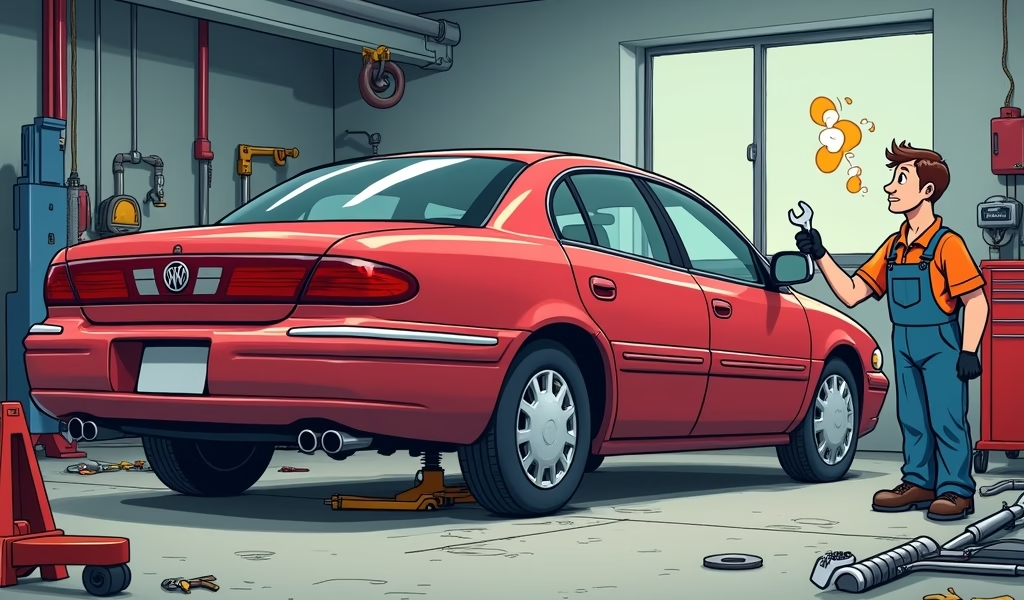
Warning Signs of Air Suspension Failure
Your Lucerne will usually give you some pretty clear hints when the air suspension is beginning to fail. The earlier you catch these warning signs, the better chance you have of avoiding a complete system failure (and the hefty repair bill that comes with it).
The most obvious sign is the illuminated air suspension warning light on your dashboard. This little icon looks like a car with wavy lines underneath it. When this lights up, your Lucerne is essentially saying, “Hey friend, we need to talk about my suspension.”
Another telltale sign is uneven ride height. Does your Lucerne look like it’s perpetually hauling a heavy load, with the rear end sitting noticeably lower than the front? Or maybe it’s sagging on just one side? This uneven stance is a classic symptom of failing air springs or leaks in the system.
Listen for unusual noises, too. A compressor that runs longer than normal (more than a minute) or cycles on and off repeatedly is working overtime to compensate for a leak somewhere in the system. You might also hear hissing sounds near the air springs – that’s the sound of your air (and money) escaping.
Pay attention to how your Lucerne handles. A failing air suspension transforms that smooth, floating ride into something decidedly less luxurious. You’ll notice increased bouncing over bumps, excessive body roll during cornering, and a generally harsh ride quality.
Some owners also report their Lucerne sits at normal height when first started but gradually sinks as the day goes on. This usually indicates a slow leak that the compressor can temporarily overcome but can’t maintain over time.
Common Causes of Air Suspension Problems
Air suspension systems don’t typically fail suddenly without reason. Understanding the common culprits can help you address issues before they leave you stranded with a sagging Lucerne.
Age and natural wear is the most common cause. Those air springs are basically rubber balloons that flex constantly with every bump and turn. Over time – typically around 80,000-100,000 miles – the rubber naturally deteriorates, develops micro-cracks, and loses elasticity. It’s not a question of if they’ll leak, but when.
Extreme temperatures accelerate this deterioration. Bitter cold makes rubber components brittle and prone to cracking, while excessive heat and UV exposure can dry out and degrade the rubber faster. If you live in areas with harsh winters or scorching summers, your system might fail earlier than expected.
The compressor itself can fail after years of service, especially if it’s been working overtime to compensate for small leaks. These compressors aren’t designed for continuous operation, and they’ll eventually burn out if forced to run too frequently or for too long.
Electrical issues are another common culprit. The system relies on proper electrical connections, and problems with corroded wires, faulty sensors, or the control module can cause system failures that mimic mechanical issues. According to Car Talk’s analysis, electrical gremlins account for about 30% of air suspension issues in luxury vehicles like the Lucerne.
Road hazards and environmental damage can’t be overlooked either. Impact damage from potholes, speed bumps, or debris can physically damage air springs or air lines. Road salt and moisture can accelerate corrosion of metal components and connections. Even a tiny pinhole leak from a piece of road debris can eventually bring down the entire system.
How to Diagnose Air Suspension Issues
Before you start throwing parts at the problem (and money out the window), it’s worth taking some time to properly diagnose what’s actually wrong with your Lucerne’s air suspension.
Start with a visual inspection. Park on level ground and check if your Lucerne is sitting evenly. Look for obvious sagging at any corner. Then get down and examine the air springs themselves – look for any visible cracks, tears, or unusual wear patterns in the rubber.
Listen to your compressor when you first start the vehicle. It should run briefly (20-40 seconds) and then shut off once proper pressure is achieved. If it runs continuously or cycles on and off repeatedly, you likely have a leak in the system.
One simple test is the “soap bubble test” for finding air leaks. Mix some dish soap with water, and with the system pressurized (engine running), apply the soapy water to air line connections and around the air springs. Bubbles will form where air is escaping.
For more advanced diagnosis, you’ll need a scan tool that can communicate with your Lucerne’s suspension control module. This can retrieve specific error codes that point to exactly which component is malfunctioning. Many auto parts stores offer free code scanning, but they might not have equipment that reads suspension-specific codes.
Don’t forget to check for technical service bulletins related to your Lucerne’s model year. GM issued several TSBs addressing air suspension concerns, and your specific issue might be a known problem with a prescribed fix.
If the vehicle maintains proper height when first started but gradually sinks, you likely have a slow leak. If it won’t maintain height at all, you might be dealing with a compressor issue or a major leak. If only one side is affected, the problem is likely isolated to that specific air spring or height sensor.
Repair Options and Cost Considerations
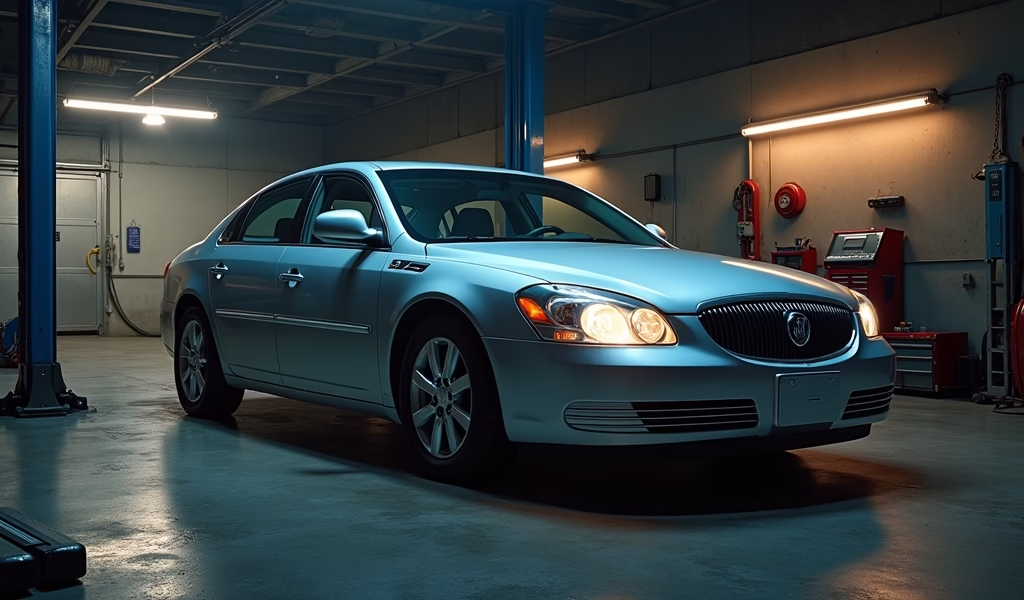
Once you’ve diagnosed the issue, you’re faced with several repair options – and each comes with different costs and considerations.
The most straightforward option is replacing the failing component. If you’ve identified a leaky air spring or failed compressor, replacing just that part might solve your immediate problem. However, it’s worth considering that if one component has failed due to age, others might not be far behind.
For a failing air spring, expect to pay $250-400 for the part alone from a dealer, or $150-250 for quality aftermarket options. The labor typically runs 1-2 hours per spring. Many mechanics recommend replacing air springs in pairs (both rear springs together) for even ride height and consistent handling.
If your compressor has failed, a new OEM unit will set you back $400-700, with aftermarket options available for $250-450. Labor is typically 1-2 hours. Make sure any air compressor connections are properly sealed during installation to prevent future leaks.
When multiple components have failed, or if your Lucerne is getting up there in miles, you might consider a complete system overhaul. This typically includes all air springs, the compressor, and sometimes the height sensors and control module. Expect to pay $1,800-3,000 for a complete dealer repair, or $1,200-2,000 with quality aftermarket parts.
Another popular option among higher-mileage Lucerne owners is converting to conventional coil springs. Conversion kits from companies like Strutmasters cost $300-600 plus 2-3 hours of labor. While you’ll lose the self-leveling feature and some ride quality, you’ll eliminate the possibility of future air suspension headaches.
Keep in mind that some repairs might not be worth it on very high-mileage vehicles. If your Lucerne has over 150,000 miles and needs a complete air suspension overhaul, the conversion to conventional springs might make more financial sense in the long run.
Preventative Maintenance Tips
The best way to avoid costly air suspension repairs is to prevent problems before they start. A little preventative care goes a long way toward extending the life of your Lucerne’s air suspension system.
First and foremost, keep an eye on your ride height. Make it a habit to occasionally walk around your parked Lucerne and check that it’s sitting level. Catching a slight sag early can mean the difference between replacing just an air line versus burning out your compressor.
Listen to your compressor. You should become familiar with how long it typically runs when you start your vehicle. If it suddenly starts running longer than usual, that’s your first clue something might be leaking.
Protect your Lucerne from extreme temperatures when possible. If you have access to garage parking, use it – especially in very hot or cold weather. Temperature extremes are tough on those rubber components.
Regular undercarriage cleaning is crucial, particularly if you drive in areas where road salt is used. Salt accelerates corrosion of metal components and can damage the rubber parts over time. A thorough underbody wash several times during winter months can significantly extend component life.
Consider applying a rubber conditioner to your air springs annually. Products designed for automotive rubber (not tire shine) can help prevent the rubber from drying out and cracking prematurely. Just be sure the springs are clean and dry before application.
If you’re planning to store your Lucerne for an extended period, research has shown that maintaining proper inflation during storage significantly extends the life of air suspension components. Consider investing in a trickle charger to keep the battery healthy and the system properly pressurized.
DIY vs. Professional Repairs
So your Lucerne’s air suspension needs attention – should you tackle it yourself or head to a professional? It largely depends on your mechanical aptitude, tools, and comfort level.
For the moderately skilled DIYer with basic tools, replacing air springs is actually quite doable. The process typically involves supporting the vehicle safely, removing a few bolts, disconnecting the air line, and swapping in the new component. The parts are generally the most expensive aspect, not the labor.
However, there are some important considerations before you dive in. You’ll need:
- Jack and jack stands rated for your vehicle’s weight
- Basic hand tools and torque wrench
- A clean, level workspace
- The ability to safely support the vehicle while working underneath
- A way to discharge the system before working on it
Safety is paramount – never work under a vehicle supported only by a jack, and always discharge the air system before disconnecting components. Many DIYers make the dangerous mistake of attempting to remove pressurized components.
Some jobs are better left to professionals, particularly those involving the electrical components or control module. Diagnostics requiring specialized scan tools are also best handled by pros who have the right equipment and experience interpreting the results.
If you decide to hire a professional, consider shopping around. Dealerships will have the most experience with your specific vehicle but charge premium rates. Independent shops that specialize in domestic luxury vehicles often offer a good balance of expertise and value. Expect to pay $90-140 per hour for labor, with most suspension jobs taking 1-4 hours depending on the components being replaced.
Remember that even if you hire a pro for the repair, understanding the system helps you be an informed consumer. You’ll be better equipped to discuss the issues, understand the proposed solutions, and evaluate whether you’re getting a fair price.
Conversion Options: When to Consider Conventional Springs
There comes a point in many Lucerne owners’ journeys where they contemplate saying goodbye to the air suspension system altogether. Converting to conventional coil springs isn’t giving up – it’s making a practical choice that many owners swear by.
The most compelling reason to convert is reliability. Conventional springs don’t leak, don’t require a compressor, and generally last the lifetime of the vehicle without maintenance. They’re the “set it and forget it” option that many high-mileage Lucerne owners eventually embrace.
Cost is another major factor. A quality conversion kit typically costs $300-600, plus 2-3 hours of labor. Compare that to replacing the entire air system at $1,800-3,000, and the math starts to make sense – especially if you’ve already sunk money into previous air suspension repairs.
The primary downside is ride quality. Let’s be honest – your Lucerne won’t ride quite the same on conventional springs. The signature Buick float will be replaced with a more traditional ride that some describe as firmer but more predictable. You’ll also lose the self-leveling feature that keeps the car level regardless of load.
When considering conversion, look for kits specifically engineered for the Lucerne. Generic “one size fits all” conversion kits often result in improper ride height and handling characteristics. Companies like Arnott, Strutmasters, and Unity make model-specific kits designed to maintain as much of the original ride quality as possible.
The ideal candidates for conversion are Lucernes with 100,000+ miles that have already experienced air suspension issues or those owned by people who plan to keep their vehicle long-term and value reliability over the original ride characteristics.
Some owners report being surprisingly pleased with the conversion, noting that modern spring technology has come a long way, and the ride difference is less dramatic than they feared. Others find themselves missing that magic carpet ride and ultimately revert to repairing the air system.
Conclusion
Living with a Buick Lucerne equipped with air suspension is a bit like having a sophisticated but temperamental friend – when everything’s going well, it’s a joy, but when problems arise, patience and understanding are required.
The air suspension system is a marvel of engineering that delivers that signature Buick floating-on-clouds ride quality. But like all complex systems, it has a finite lifespan, and eventually, you’ll face decisions about repair, replacement, or conversion.
The key to minimizing headaches and expenses is vigilance. Pay attention to how your Lucerne sits, listen for unusual compressor behavior, and address small issues before they become big problems. A little preventative maintenance goes a long way toward extending the life of these components.
When repairs become necessary, weigh your options carefully. Consider the age and mileage of your vehicle, how long you plan to keep it, and what aspects of the driving experience matter most to you. There’s no one-size-fits-all answer – the best choice depends on your specific circumstances, budget, and preferences.
Whether you choose to maintain the original air suspension system, convert to conventional springs, or trade in for a newer model, being an informed owner puts you in the driver’s seat when it comes to these decisions. Your Lucerne has served you well – returning the favor with thoughtful care and maintenance seems only fair.
Frequently Asked Questions
How much does it cost to fix Buick Lucerne air suspension?
Repairs range from $300-600 for a single component to $1,800-3,000 for a complete system overhaul. Conversion to conventional springs costs approximately $500-900 installed.
Can I drive with the air suspension warning light on?
You can drive short distances at reduced speeds, but continued driving risks damaging other components and compromises handling safety. Find a repair solution as soon as possible to avoid additional damage.
How long do air suspension components typically last?
Most Lucerne air springs last 6-10 years or 80,000-100,000 miles under normal conditions. Compressors typically last slightly longer but will fail prematurely if forced to compensate for leaks.
Will my insurance cover air suspension repairs?
Standard auto insurance typically doesn’t cover suspension failures due to normal wear and tear. Extended warranties might cover these repairs if your vehicle is still within the coverage period and mileage limitations.
Is it worth converting to conventional springs?
Conversion makes financial sense for higher-mileage vehicles (100,000+ miles) or if you value reliability over the original ride quality. The conversion offers a permanent solution that eliminates future air suspension issues.