
Overview
Just like that Italian sports car of your dreams, your Alfa Romeo Tonale’s sophisticated 7-speed dual-clutch transmission requires attentive care to avoid turning into a costly nightmare. Understanding the warning signs of transmission trouble, following proper maintenance intervals, and adopting transmission-friendly driving habits can extend your DCT’s lifespan well beyond 100,000 miles while preserving the spirited performance that makes driving an Alfa Romeo so special.
Table of Contents
- Understanding Your Alfa Romeo Tonale Transmission
- Why Your Transmission Matters
- Warning Signs: When Your Tonale’s Transmission Is Struggling
- Common Causes of Transmission Problems
- Lifespan and Factors That Affect Your Transmission
- Preventative Maintenance: Keeping Your Transmission Healthy
- Repair vs. Replace: Making the Tough Decision
- What to Expect: Transmission Repair Costs
- DIY vs. Professional Service: Know Your Limits
- Common Mistakes Tonale Owners Make
- Safety Tips: When Things Go Wrong
- Conclusion
- Frequently Asked Questions
Understanding Your Alfa Romeo Tonale Transmission
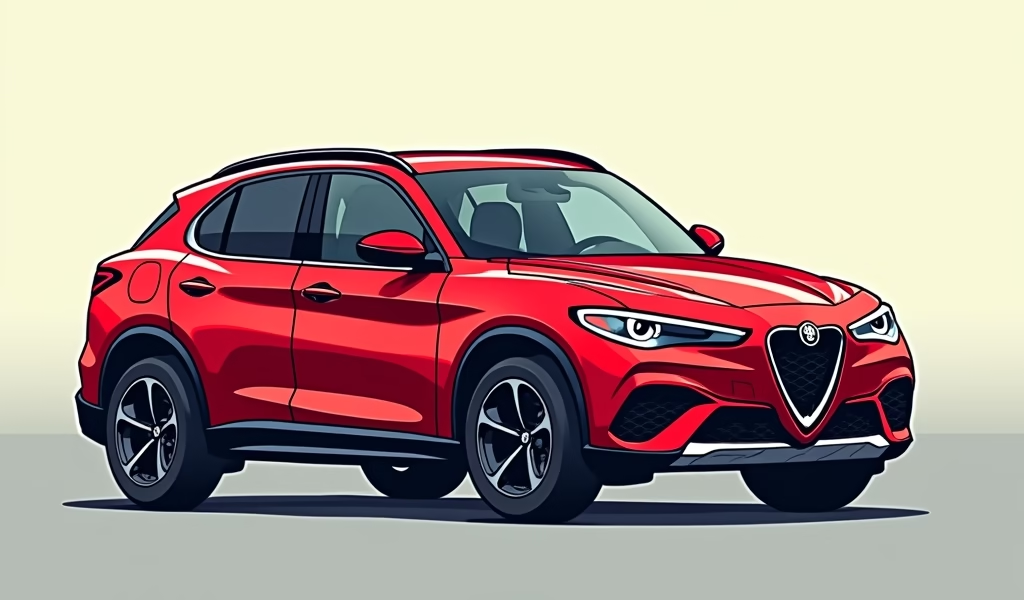
That sleek Alfa Romeo Tonale sitting in your driveway is a marvel of Italian engineering, but like any sophisticated machine, it has components that need particular attention. Your transmission is one of those critical systems that can either provide years of trouble-free service or become an expensive headache if neglected.
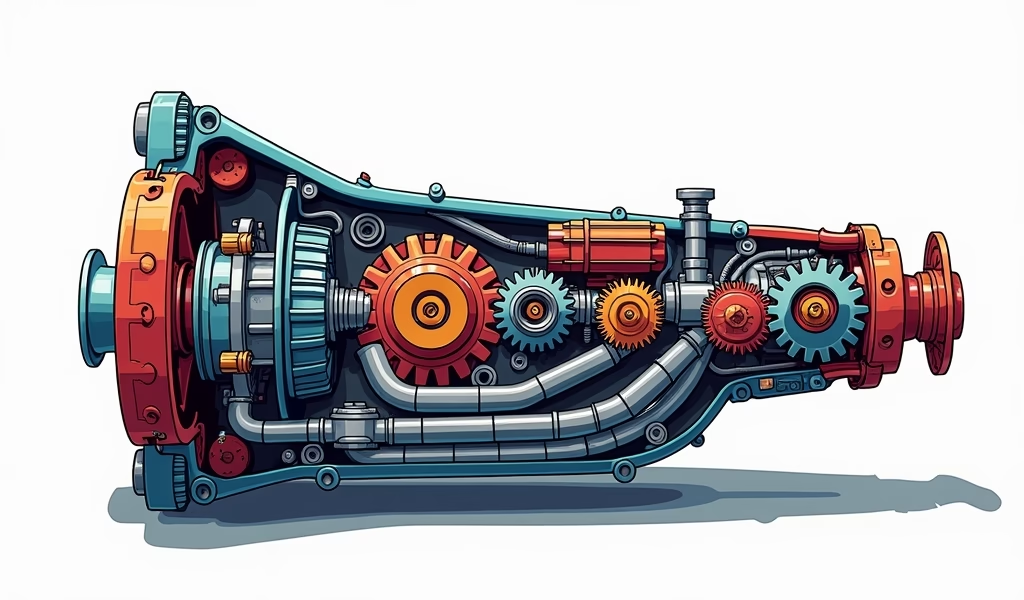
The Tonale comes equipped with a sophisticated 7-speed dual-clutch transmission (DCT). Unlike traditional automatics with torque converters, the DCT uses two separate clutch assemblies – one for odd-numbered gears and one for even-numbered gears. This clever design allows for lightning-quick shifts and improved fuel economy, giving you that sporty feel Alfa Romeos are known for.
At its core, your Tonale’s transmission includes:
- Dual wet-clutch assembly
- Electronic transmission control unit (TCU)
- Sophisticated hydraulic control system
- Precision gear selector mechanism
- Dedicated cooling system
This setup differs significantly from other Alfa Romeo models like the Giulia and Stelvio, which use the well-regarded ZF 8-speed automatic. The Tonale’s DCT was specifically designed for this compact crossover platform, balancing performance and efficiency in a smaller package.
Why Your Transmission Matters
Your transmission isn’t just another component—it’s the critical middleman between your engine’s power and the wheels. Think of it as the orchestra conductor, ensuring everything works in harmony.
When your DCT is performing properly, you’ll enjoy crisp, immediate gear changes that let you experience the full potential of the Tonale’s turbocharged engine. The moment transmission issues develop, you’ll notice sluggish acceleration, compromised handling, and that Italian driving passion quickly fades.
The precise gear management of a healthy DCT improves fuel economy by 5-15% compared to traditional automatics. That’s not just good for your wallet—it’s better for the environment too. Once transmission problems begin, that efficiency advantage disappears.
Beyond performance and efficiency, your transmission’s health affects your vehicle’s overall longevity. Transmission stress can cascade into other vehicle systems. Excessive heat from a struggling transmission can damage nearby components, while erratic power delivery places additional strain on engine mounts, differentials that require regular maintenance, and axles.
If you’re ever planning to sell your Tonale, know that transmission problems can significantly impact resale value. A vehicle with documented transmission issues can lose 15-25% of its market value, even after repairs. That’s thousands of dollars potentially lost.
Warning Signs: When Your Tonale’s Transmission Is Struggling
Catching transmission issues early can save you from a world of heartache (and an empty wallet). Here are the tell-tale signs your Tonale’s transmission might be crying out for help:
Unusual Noises: Your Tonale’s transmission should operate almost silently. If you’re hearing grinding, whining, or clunking—especially during gear changes—something’s not right. Don’t dismiss these sounds as “normal break-in noises.” They’re usually your first warning.
Delayed or Rough Shifting: Dual-clutch transmissions are celebrated for quick, seamless shifts. If your Tonale hesitates before engaging a gear or lurches during shifts, your DCT could be developing problems. That moment of “nothing happening” when you press the accelerator is particularly telling.
Fluid Leaks: The Tonale uses specialized transmission fluid that appears reddish-brown. Any puddles beneath your vehicle need immediate attention. Unlike some vehicles where small leaks might be tolerable, even minor leaks in a DCT can quickly become catastrophic as fluid levels are critical for proper operation.
Warning Lights: The Tonale’s sophisticated onboard diagnostics constantly monitor transmission performance. A transmission warning light, check engine light, or “Transmission Service Required” message isn’t a suggestion—it’s an urgent call to action.
Burning Smell: Notice a distinctive burning odor after driving in heavy traffic or hilly terrain? That often indicates overheating transmission fluid, which is a serious concern for any DCT. Transmission fluid that overheats begins to break down, losing its lubricating and cooling properties.
Vehicle Surging: Random forward surges or power drops while maintaining steady speed almost always point to transmission control issues. Your Tonale should deliver power smoothly without unexpected jerks or hesitations.
Common Causes of Transmission Problems
Understanding what leads to transmission failure can help you avoid these expensive pitfalls:
Low Transmission Fluid: The Tonale’s DCT relies on precise fluid levels for proper clutch engagement and cooling. Even minor leaks can lead to increased friction and heat damage. Unlike engines that might give you warning signs when oil is low, transmissions often fail suddenly when fluid levels drop below critical thresholds.
Overheating: Dual-clutch transmissions generate significant heat, especially during performance driving or when towing. The Tonale’s cooling system must function perfectly to prevent heat-related damage. Driving in stop-and-go traffic on hot days puts particular stress on the system.
Software Issues: As a highly computerized vehicle, the Tonale’s transmission behavior is governed by complex software. Outdated programming can cause erratic shifting patterns and premature wear. Manufacturer software updates often address these concerns.
Manufacturing Variations: First-year production Tonale models (particularly those manufactured before mid-2022) experienced higher rates of transmission-related issues, primarily related to clutch engagement and control module calibration. Later models incorporated several improvements based on early feedback.
Driving Habits: I’ve seen many premature transmission failures caused by aggressive driving—including rapid acceleration, “launch control” starts, and failure to allow proper warm-up in cold weather. Your driving style has a direct impact on transmission longevity.
Lifespan and Factors That Affect Your Transmission
When properly maintained, the Alfa Romeo Tonale’s transmission should provide reliable service for 120,000-150,000 miles. However, several factors influence actual longevity.
Most owners report trouble-free operation through the 100,000-mile mark, with the majority of issues appearing between 110,000-130,000 miles when wear components reach the end of their service life. Some transmissions exceed these expectations, while others fall short—largely depending on how they’re treated.
Want to maximize your transmission’s lifespan? Focus on these factors:
- Following the manufacturer’s transmission service interval religiously
- Using only Alfa Romeo-approved transmission fluid
- Allowing the transmission to warm up properly before aggressive driving
- Installing all available software updates
- Avoiding excessive idling in traffic
It’s worth noting that Tonales manufactured after late 2022 incorporate several transmission refinements, including improved clutch materials, enhanced cooling capacity, and updated control software. These later-production vehicles typically demonstrate better long-term reliability, so if you’re shopping for a used model, manufacture date matters.
Preventative Maintenance: Keeping Your Transmission Healthy
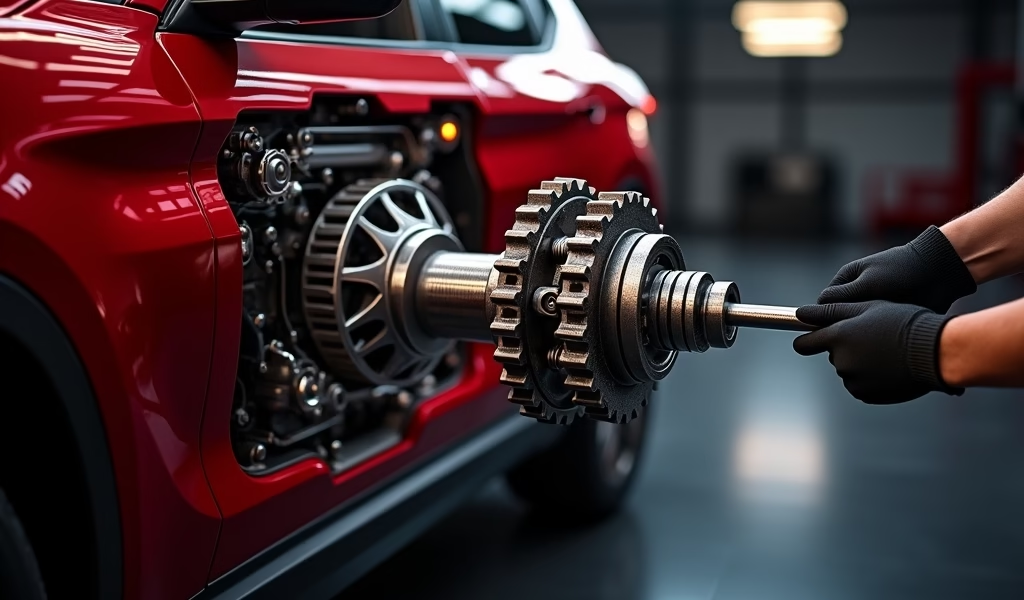
An ounce of prevention is worth a pound of cure—especially with complex systems like your Tonale’s transmission. Here’s a maintenance regimen that will help you avoid costly repairs:
Fluid Changes: Alfa Romeo specifies transmission fluid changes every 40,000 miles under normal driving conditions. However, I strongly recommend 30,000-mile intervals if you frequently drive in high-heat environments, heavy traffic, or mountainous terrain. Fresh fluid provides better lubrication, cooling, and hydraulic pressure—all critical for DCT health.
Software Updates: Periodically check with your dealer for transmission control module updates. These updates often address shifting behavior and clutch engagement parameters that can prevent premature wear. Some updates are performed silently during regular service, so specifically ask if your transmission software is current.
Regular Inspections: During regular service visits, ensure these points are checked:
- Transmission fluid level and condition
- Cooling system integrity and performance
- Shift linkage adjustment
- Mount condition and security
- External seals and gaskets for signs of leakage
Driving Habits to Adopt: How you drive matters enormously. Make these practices part of your routine:
- Allow 5-10 minutes of gentle driving before demanding full performance
- Avoid holding the vehicle on hills using the throttle rather than the brake
- Minimize prolonged creeping in stop-and-go traffic
- Come to a complete stop before switching between Drive and Reverse
Cold Weather Procedures: The Tonale’s transmission is particularly vulnerable in sub-freezing temperatures. Allow 3-5 minutes of operation before demanding full power, and avoid rapid acceleration until the transmission temperature has normalized. This patience adds years to your transmission’s life in colder climates.
Remember that your transfer case maintenance schedule is also important for AWD Tonale models, as this component works in conjunction with your transmission.
Repair vs. Replace: Making the Tough Decision
Despite your best efforts, you may eventually face the decision between major repair and replacement. Here’s guidance for that difficult moment:
When repair might no longer make financial sense:
- Your transmission is slipping between multiple gears
- Technicians find metal particles in the transmission fluid
- Repair quotes exceed 40% of replacement cost
- You’ve already had three or more previous repairs for the same issue
Before making any expensive decisions, check your warranty status. Alfa Romeo’s 4-year/50,000-mile powertrain warranty covers most transmission issues. Certified Pre-Owned vehicles typically receive extended coverage. Always review warranty documentation before authorizing costly repairs.
Unlike traditional automatics, DCTs rarely make good candidates for rebuilding. Factory remanufactured units typically offer the best balance of reliability and cost, though they command a premium over aftermarket options. In my experience, saving a few hundred dollars on an aftermarket unit often leads to additional problems down the road—the factory reman is usually worth the extra cost.
If you’re facing major transmission work, this might also be the time to evaluate your long-term plans for the vehicle. If you’re planning to keep your Tonale for many more years, investing in quality repair makes sense. If you were already considering an upgrade in the next year or two, the repair costs might tip the scales toward trading it in sooner.
What to Expect: Transmission Repair Costs
Transmission work is never inexpensive, but knowing what to expect can help you prepare financially:
Minor Issues and Maintenance:
- Fluid service and flush: $350-$450
- Control module reprogramming: $200-$300
- External sensor replacement: $300-$600
- Shift selector mechanism: $600-$800
Major Component Repairs:
- Clutch assembly replacement: $2,200-$3,000
- Valve body rebuild/replacement: $1,800-$2,500
- Mechatronic unit: $2,000-$2,800
Complete Replacement:
- Factory remanufactured transmission: $5,500-$7,000
- Dealer installation with programming: $7,500-$9,000
Standard warranty covers most transmission components for 4 years/50,000 miles. Some components may have longer coverage under emissions warranty provisions, so always check before paying out of pocket.
Several third-party providers offer specific coverage for the Tonale’s transmission. If you’re purchasing extended protection, look for plans with explicit DCT coverage and no exclusions for electronics or control systems. Beware of plans with fine print excluding “wear items” as many include clutches in this category.
For unexpected repairs, many dealerships and independent shops offer financing options. Some credit cards specifically designed for automotive repairs offer introductory 0% interest periods, which can help spread out a large repair bill over time.
DIY vs. Professional Service: Know Your Limits
As someone who’s worked on transmissions for decades, I can tell you there’s a clear line between DIY-friendly tasks and those requiring professional expertise.
What Owners Can Safely Do:
- Visual inspections for leaks and loose connections
- Basic diagnostic code reading with OBD-II scanner
- Fluid level checks (when equipped with dipstick)
- Routine fluid changes (with proper equipment and knowledge)
When to Call a Professional:
- Any internal transmission repairs
- Control module programming
- Clutch replacement or adjustment
- Addressing persistent warning lights
- Diagnosing intermittent shifting issues
If you enjoy DIY maintenance, invest in a quality OBD-II scanner with transmission-specific capabilities. The ability to read and clear codes can save diagnostic fees, and monitoring transmission temperature during extreme conditions provides valuable information.
Finding the right shop is crucial for specialized vehicles like the Tonale. Due to its sophisticated transmission, seek service centers with documented experience with Alfa Romeo DCTs. Independent shops with factory training often provide dealer-quality service at lower rates. Ask potential shops about their experience specifically with dual-clutch transmissions, not just automatics in general.
When taking your vehicle in for service, be precise and detailed when describing symptoms. Note exactly when problems occur (cold start, highway speeds, etc.) and any patterns you’ve observed. This information can dramatically reduce diagnostic time and costs.
Common Mistakes Tonale Owners Make
In my years working with European vehicles, I’ve seen Alfa owners make these costly errors that you can easily avoid:
Ignoring Early Warning Signs: That occasional shift hesitation won’t magically fix itself. Early intervention typically costs a fraction of waiting until complete failure occurs. I’ve seen $300 sensor replacements turn into $3,000 repairs because owners hoped the problem would go away.
Using Incorrect Fluid: The Tonale’s DCT requires specific fluid meeting Alfa Romeo’s technical specifications. Using generic “multi-vehicle” fluid will accelerate wear and may cause immediate damage. This is one area where saving a few dollars can cost thousands.
Skipping Software Updates: Transmission-related software updates aren’t just about improving driving experience—they often address operational parameters that protect components from excessive wear. Some updates specifically manage heat generation and clutch engagement to extend component life.
Aggressive Driving Impact: While the DCT can handle spirited driving (it’s an Alfa, after all!), constant abuse—particularly “launch control” starts and aggressive shifting at redline—dramatically shortens service life. Save the race car driving for special occasions, not daily commuting.
DIY Repairs Gone Wrong: The Tonale’s transmission requires specialized tools and knowledge. Improper fluid filling procedures alone can introduce air into the system, causing erratic operation and potential damage. Know your limits and leave complex work to specialists with proper equipment.
Neglecting Related Systems: Transmission problems can sometimes originate from elsewhere. Cooling system issues often impact transmission performance, while electrical problems can affect shift quality. Taking a holistic approach to vehicle maintenance prevents cascading failures.
Safety Tips: When Things Go Wrong
Even with perfect maintenance, unexpected issues can arise. Here’s how to handle transmission emergencies safely:
Emergency Procedures When Driving:
- If you experience sudden loss of power or grinding noises, pull over as soon as safely possible
- Avoid continuing to drive, even short distances, with a malfunctioning transmission
- Turn on hazard lights and position emergency reflectors if on a highway
- Call for flatbed towing rather than attempting to “limp home”
Towing Best Practices:
- Always request flatbed towing for transmission issues
- Specify “no dragging” of drive wheels if flatbed is unavailable
- Have driveshaft disconnected if tow truck operator insists on wheel-lift towing
Documentation for Warranty Claims:
- Keep all service records, including fluid changes and inspections
- Save diagnostic reports from any check engine or warning light incidents
- Note when symptoms first appeared and how they progressed
- Maintain records of any previous transmission-related repairs or software updates
If you experience transmission issues while far from home, contact the nearest Alfa Romeo dealer first. Many manufacturers have courtesy policies for stranded customers, even if you didn’t purchase from that specific dealer. Explain that you’re traveling and experiencing a potential transmission failure—they’re often more accommodating than with routine issues.
Conclusion
Your Alfa Romeo Tonale’s sophisticated transmission is the unsung hero that delivers the performance and driving experience you fell in love with. While it may seem complex, maintaining transmission health really comes down to a few key practices: following the proper maintenance schedule, addressing small issues before they become big ones, and treating your vehicle with care.
By recognizing early warning signs and understanding what your transmission needs, you can avoid those heart-stopping repair bills and enjoy your Tonale for many years to come. Remember that proactive maintenance is always less expensive than reactive repairs.
The DCT in your Tonale represents cutting-edge automotive technology that balances performance and efficiency. Treat it with respect, give it the care it deserves, and it will reward you with the distinctive Alfa Romeo driving experience that makes every commute a pleasure.
Frequently Asked Questions
How often should I change the Alfa Romeo Tonale transmission fluid?
The factory recommendation is every 40,000 miles under normal conditions. If you drive in extreme temperatures, heavy traffic, or mountainous areas, consider 30,000-mile intervals instead.
What are the first signs of transmission problems in a Tonale?
Early warning signs include delayed or hesitant shifting, unusual noises during gear changes, and jerky acceleration. Don’t ignore these symptoms, as they rarely resolve themselves.
Can I tow with my Alfa Romeo Tonale?
The Tonale has limited towing capacity, and excessive towing can stress the transmission. Check your owner’s manual for specific weight limits and always use the vehicle’s towing mode if equipped.
Is the Alfa Romeo Tonale transmission reliable?
Models produced after late 2022 show improved reliability compared to early production runs. With proper maintenance, most owners report good longevity from their transmissions.
What does a transmission fluid flush cost for a Tonale?
A proper transmission fluid service typically costs between $350-$450 at dealerships. Independent specialists may charge slightly less, but ensure they use the correct factory-specified fluid.