
Overview
Just when you thought owning an EV meant freedom from maintenance headaches, the Volvo EX90’s complex charging system introduces a new set of challenges—from slow charging rates to connection failures—that require both preventative care and timely intervention. Understanding the vehicle’s Battery Management System, implementing proper charging habits (keeping between 20-80% charge when possible), maintaining software updates, and knowing when to seek professional help can significantly extend battery life while avoiding costly repairs, ultimately ensuring the most reliable charging experience for your luxury electric SUV.
Table of Contents
- Understanding Volvo EX90 Charging Systems
- Common Charging Problems with the Volvo EX90
- Diagnosing Charging Issues: Error Messages and Symptoms
- Preventing Charging Problems: Best Practices
- Warranty Considerations for EX90 Charging Issues
- DIY Solutions vs. Professional Repairs
- Cost-Saving Tips for EX90 Charging Maintenance
- Future-Proofing Your Volvo EX90 Charging Experience
- Conclusion
- Frequently Asked Questions
Understanding Volvo EX90 Charging Systems
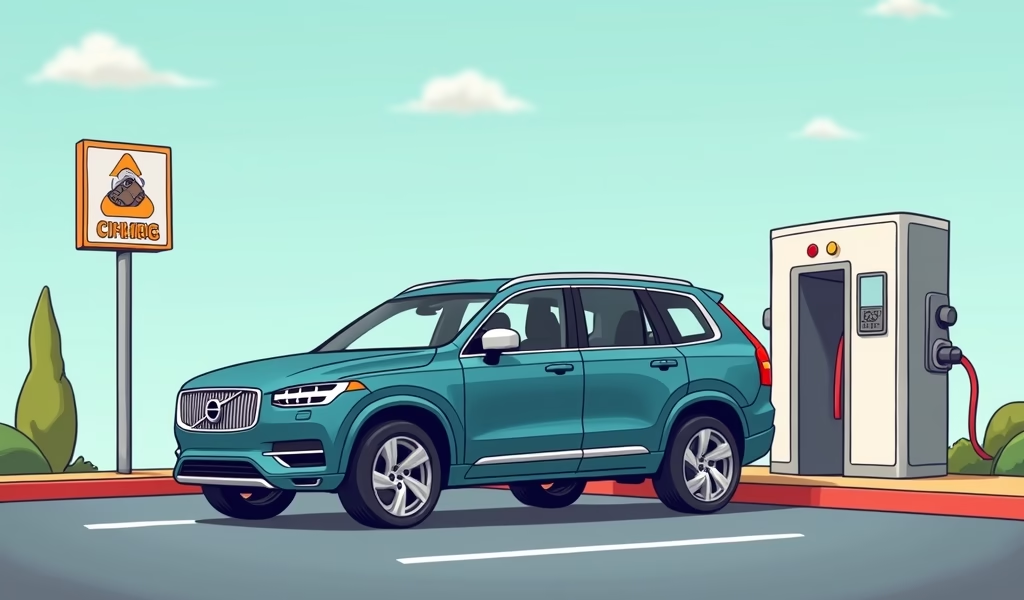
The Volvo EX90 represents Volvo’s commitment to an all-electric future, but like any sophisticated EV, it can experience charging problems that owners should understand. The EX90’s electrical system is built around a high-capacity battery pack designed for both everyday commuting and longer journeys. At the heart of this system is the Battery Management System (BMS), which monitors everything from cell temperature to charge rates.
When functioning properly, the EX90 supports fast charging capabilities that can take the battery from 10% to 80% in approximately 30 minutes under optimal conditions. However, this complex system has multiple potential failure points that owners should be aware of to avoid unexpected breakdowns.
Sarah, a new EX90 owner from Colorado, discovered this complexity firsthand when she planned a cross-country trip only to find her vehicle displaying persistent error messages at charging stations, limiting her to slower charging speeds and adding hours to her journey.
Understanding the difference between normal charging behavior and actual problems requires some basic knowledge. The EX90’s charging architecture includes the charge port, onboard charger, battery cooling system, and the main battery pack itself. Each component plays a crucial role in the charging process, and issues with any one can cascade into noticeable charging problems.
Let’s explore the most common charging issues EX90 owners face and how to address them effectively before they lead to costly repairs or leave you stranded.
Common Charging Problems with the Volvo EX90
Volvo EX90 charging problems typically fall into several categories, each with distinct causes and solutions. Being able to identify these issues early can save you both frustration and repair costs.
Slow charging rates are perhaps the most common complaint among EX90 owners. While many factors can influence charging speed, persistent slow charging often indicates either software issues or early signs of battery degradation. The EX90’s sophisticated BMS should maintain optimal charging rates, but software bugs or calibration issues can artificially limit charging speed.
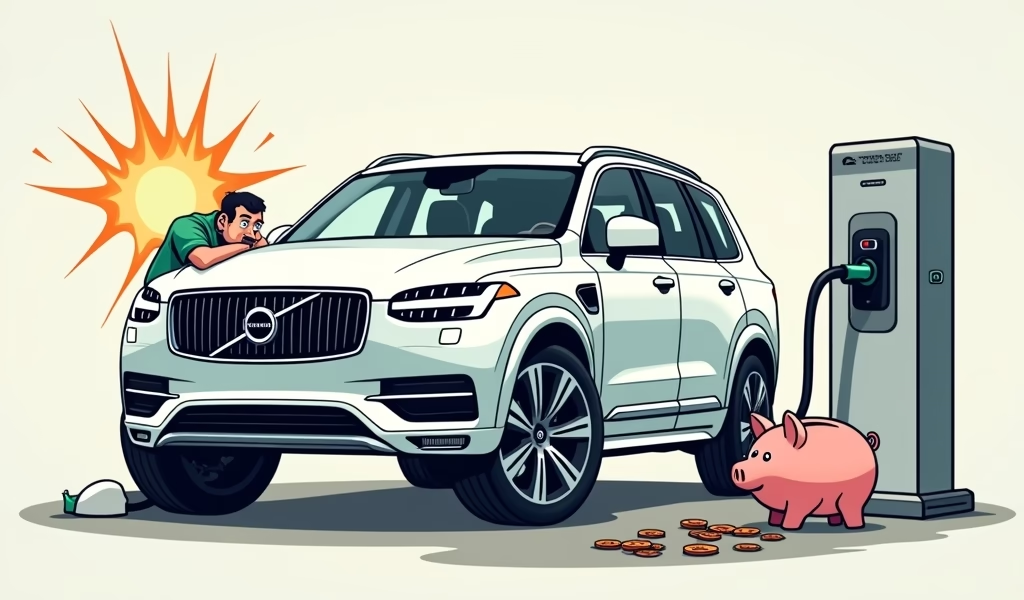
Connection failures represent another frequent headache. These occur when the vehicle fails to establish or maintain a connection with charging stations. The problem might stem from charge port damage, connector pin issues, or communication faults within the electrical system. Even minor physical damage to the charge port can lead to inconsistent connections.
Diagnosing Charging Issues: Error Messages and Symptoms
Decoding the error messages on your Volvo EX90 is the first step toward resolving charging problems. The vehicle’s sophisticated onboard diagnostics can provide valuable clues through specific error codes and warnings displayed on the central screen.
Common error messages include “Charging Interrupted,” “Reduced Charging Rate,” and “Battery System Service Required.” Each message provides insight into what might be happening with your vehicle’s charging system. For example, “Charging Interrupted” often indicates connection problems, while “Battery System Service Required” may point to more serious issues requiring attention from qualified technicians.
Beyond error messages, pay attention to these warning signs:
- Unexpected variations in charging time (significantly longer than usual)
- The vehicle accepting charge initially but stopping prematurely
- Unusual noises during charging (clicking, buzzing, or fan sounds that differ from normal operation)
- Excessive heat around the charging port
- Declining range despite full charging sessions, potentially indicating battery degradation
Using the Volvo Cars app can provide additional diagnostic information about your charging sessions. The app logs charging history and can help identify patterns that might not be obvious from isolated charging events. For instance, if fast charging consistently fails at multiple locations but Level 2 charging works fine, this suggests an issue with the vehicle’s DC fast charging capability rather than a station-specific problem.
Volvo’s technical service bulletins often address emerging charging issues before they become widespread. Checking for these updates can provide early solutions for known problems affecting the EX90’s electrical system.
Preventing Charging Problems: Best Practices
Prevention is always better than cure, especially when dealing with sophisticated electric systems like those in the Volvo EX90. Implementing good charging habits can significantly reduce the risk of problems developing.
First, maintain software currency. Volvo regularly releases software updates that address charging issues and optimize battery performance. These updates can be delivered over-the-air or during service visits, depending on their complexity. According to Consumer Reports’ research on EV longevity, keeping software updated is one of the most impactful ways to maintain battery health.
Use quality charging equipment that meets Volvo’s specifications. Inexpensive aftermarket chargers may save money initially but can cause long-term damage to the EX90’s sensitive electrical system. Volvo-approved home charging solutions provide the optimal balance of charging speed and battery preservation.
Avoid these common mistakes that accelerate battery degradation:
- Routinely charging to 100% when unnecessary (80% is ideal for daily use)
- Allowing the battery to regularly drop below 10% charge
- Using fast charging for every charging session when slower charging is available
- Charging immediately after high-performance driving without allowing cooling time
Inspect your charging equipment regularly for signs of wear or damage. The charging cable, particularly the connector ends, can develop issues that might damage your vehicle’s charge port. Look for bent pins, cracks, or discoloration that might indicate overheating.
Lastly, establish a relationship with a service center familiar with Volvo EVs. Scheduled maintenance by qualified technicians can catch potential charging problems before they develop into major issues, particularly those related to the BMS or cooling systems.
Warranty Considerations for EX90 Charging Issues
Understanding your warranty coverage is essential when dealing with Volvo EX90 charging problems. The vehicle comes with comprehensive warranty protection specifically designed for electric components, but there are important limitations to be aware of.
Volvo’s battery warranty typically covers 8 years or 100,000 miles for defects and excessive battery degradation. This warranty specifically protects against battery capacity loss exceeding the normal degradation curve. However, not all charging-related issues fall under warranty protection, and understanding the boundaries can save you from unexpected expenses.
Conditions that might void warranty coverage for charging components include:
- Using non-approved charging equipment that causes electrical system damage
- Physical damage to the charge port from improper connection or external impacts
- Modifications to the vehicle’s electrical systems or charging components
- Failure to perform recommended software updates related to battery management
DIY Solutions vs. Professional Repairs
When facing Volvo EX90 charging problems, determining whether to attempt DIY fixes or seek professional help is crucial. While some issues can be resolved without a service visit, others require specialized equipment and expertise only available to qualified technicians.
DIY-appropriate solutions include:
- Basic software resets by powering down the vehicle completely for several minutes
- Cleaning the charge port (using only compressed air and never inserting objects)
- Inspecting and replacing charging cables if damaged
- Downloading and installing over-the-air software updates
- Monitoring and documenting charging behavior to assist technicians
However, many EX90 charging issues require professional intervention. BMS repairs, internal electrical system diagnostics, and charge port replacement should always be performed by certified technicians. The high-voltage systems in the EX90 present serious safety risks if mishandled.
When selecting a service provider, prioritize facilities with specific Volvo EV certification. These technicians have access to proprietary diagnostic tools and the latest module programming updates essential for resolving complex charging issues. Independent shops may offer lower labor rates, but without proper training and equipment, they might miss underlying problems or create new ones.
Volvo’s specialized diagnostic equipment can identify subtle electrical issues that generic OBD scanners will miss. For example, cell balancing problems within the battery pack can cause charging inconsistencies but may not trigger generic error codes detectable by standard equipment. According to J.D. Power’s research on EV reliability, dealer service departments identify the root cause of charging problems more accurately than general repair shops.
Cost-Saving Tips for EX90 Charging Maintenance
Maintaining your Volvo EX90’s charging system doesn’t have to break the bank. With strategic planning and preventative care, you can minimize both immediate costs and long-term expenses related to charging issues.
First, leverage your warranty coverage effectively. Document all charging problems meticulously, including dates, error messages, and circumstances. This documentation strengthens warranty claims if more serious issues develop. Don’t hesitate to request warranty service for persistent charging problems, even if they seem minor.
Consider these budget-friendly strategies:
- Schedule regular system diagnostics during routine maintenance rather than as separate visits
- Join Volvo owner forums to learn about common issues and their most cost-effective solutions
- Invest in a quality home charging station that includes surge protection for the electrical system
- Address small issues immediately before they cascade into more expensive problems
- Request firmware update notifications from your dealer to stay current with battery optimization improvements
For ongoing maintenance, establish a charging schedule that minimizes battery stress. Primarily charge between 20% and 80% capacity during normal use, reserving full charges for long trips. This practice alone can significantly extend battery life and postpone expensive battery-related repairs.
If you frequently use public fast charging, alternate with slower home charging when possible. Exclusive reliance on fast charging accelerates battery degradation by creating heat stress on the battery cells. By mixing charging methods, you can extend the lifespan of your EX90’s expensive battery pack.
Finally, consider joining Volvo’s maintenance package if offered for your region. These packages often include regular electrical system checks that can catch potential charging issues before they develop into expensive failures.
Future-Proofing Your Volvo EX90 Charging Experience
As EV technology rapidly evolves, future-proofing your Volvo EX90 charging experience requires staying ahead of developments that might affect your vehicle’s charging capabilities and overall electric performance.
First, keep abreast of Volvo’s software development roadmap. The company regularly enhances charging algorithms through software updates that can improve charging speed, efficiency, and battery longevity. Setting your vehicle to automatically download and install these updates ensures you benefit from continual improvements to the charging system.
Consider investing in charging infrastructure with upgrade paths. Home charging stations with modular designs allow for component upgrades rather than complete replacements as technology advances. Some newer units even support bidirectional charging, which may become a valuable feature as vehicle-to-grid systems mature.
Establish a relationship with a dealer service department that specializes in Volvo’s electric vehicles. As the EX90 ages, having technicians familiar with your specific vehicle’s history becomes increasingly valuable for addressing complex electrical system issues efficiently.
Finally, consider joining Volvo’s connected services program, which provides remote diagnostics and predictive maintenance alerts specifically for charging components. These services can identify potential issues before they become noticeable in everyday driving, allowing for preemptive maintenance that extends system life and reduces expensive emergency repairs.
Conclusion
Volvo EX90 charging problems, while frustrating, don’t have to derail your electric driving experience. By understanding the vehicle’s sophisticated electrical system, recognizing common issues, and implementing preventative maintenance, you can minimize disruptions and expenses related to charging.
Remember that many charging issues stem from software rather than hardware problems, making regular updates essential to optimal performance. When hardware issues do arise, addressing them promptly with qualified technicians prevents cascading failures that might affect the entire electrical system.
The relationship between driving habits, charging practices, and battery longevity is direct and significant. By adopting charging habits that reduce stress on the battery, you not only avoid immediate charging problems but also extend the useful life of the most expensive component in your EX90.
As Volvo continues to refine its electric vehicle technology, EX90 owners who stay informed about updates and maintenance best practices will enjoy the most reliable charging experience and the best return on their substantial investment. When problems do arise, the combination of warranty coverage, skilled technicians, and your own informed advocacy creates the most cost-effective path to resolution.
The transition to electric driving brings new maintenance considerations, but the principles remain familiar: prevention, early intervention, and qualified service lead to the most reliable and economical ownership experience.
Frequently Asked Questions
How can I tell if my Volvo EX90 is experiencing battery degradation versus temporary charging issues?
Battery degradation typically appears as a consistent decline in maximum range over time, while temporary charging issues usually affect individual charging sessions. Use the vehicle’s range history in the infotainment system to track long-term trends separate from daily variations.
Will using third-party fast chargers damage my Volvo EX90’s battery?
Reputable third-party fast chargers (like Electrify America or EVgo) won’t damage your battery when used occasionally. However, exclusive reliance on fast charging can accelerate battery degradation compared to a mix of home charging and occasional fast charging.
What should I do if my Volvo EX90 suddenly stops accepting a charge?
First, try a different charging cable and station to rule out equipment issues. If the problem persists, perform a vehicle restart by turning it completely off for 10 minutes, then contact your dealer as this could indicate a BMS problem requiring professional diagnosis.
Are charging issues covered under the Volvo EX90 warranty?
Most charging system components are covered under the vehicle’s electrical system warranty, typically 4 years/50,000 miles, with the battery pack having extended coverage of 8 years/100,000 miles. Physical damage to charging ports or damage from using non-approved equipment is usually excluded from warranty coverage.
How often should the EX90’s charging system be inspected by professionals?
Have the charging system inspected during regular service intervals (typically every 10,000 miles or annually). Additional inspections are recommended after experiencing repeated charging errors or if you notice significant changes in charging performance or battery range.