
Overview
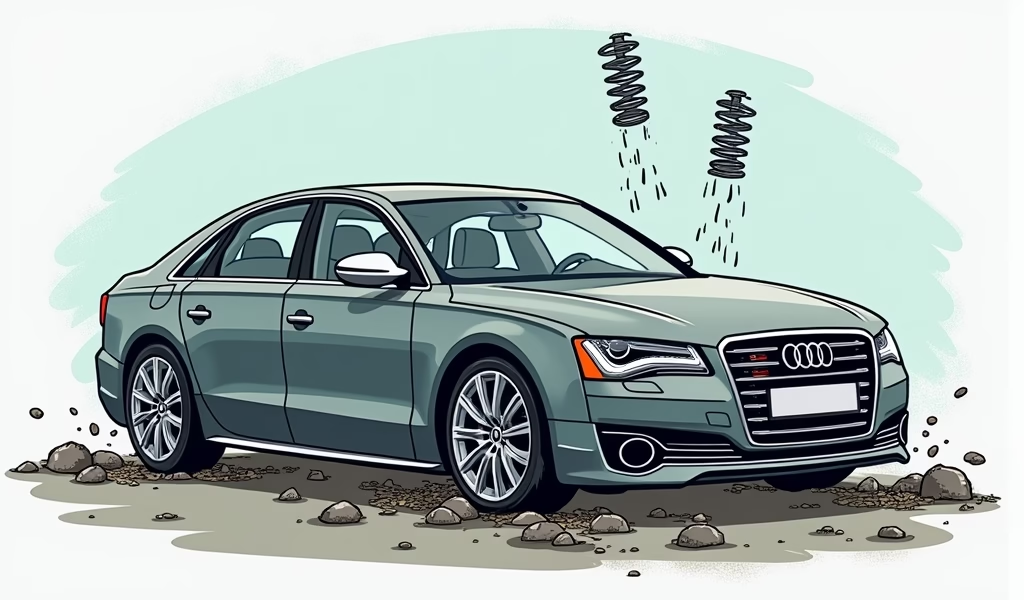
Even the most sophisticated engineering has its weak spots, and the Audi A8’s luxurious air suspension system inevitably develops leaks after 6-10 years, showing telltale signs like uneven ride height, extended compressor runtime, and that dreaded “morning sag.” Understanding the causes, recognizing early warning signs, and weighing repair options (from individual component replacement to full conversion) can transform this inevitable maintenance challenge from a financial emergency into a manageable ownership expense.
Table of Contents
- Understanding Audi A8 Air Suspension Systems
- Warning Signs of Air Suspension Leaks
- Common Causes of Audi A8 Air Suspension Leaks
- Diagnostic Steps to Locate Air Leaks
- Repair Options and Cost Considerations
- DIY vs. Professional Repairs: What to Know
- Preventative Maintenance Tips
- Conclusion
- Frequently Asked Questions
Understanding Audi A8 Air Suspension Systems
When you invest in an Audi A8, you’re buying more than just a luxury sedan – you’re getting sophisticated engineering that delivers exceptional ride comfort. At the heart of this experience is the adaptive air suspension system, a marvel of modern automotive technology.
Unlike conventional spring suspensions, the Audi A8 air suspension uses compressed air-filled bellows (air springs) to support vehicle weight and absorb road imperfections. This system automatically adjusts ride height based on speed, road conditions, and driver preferences.
The main components include:
- Air struts/springs at each wheel
- Compressor unit that pressurizes the system
- Air lines and fittings that distribute air
- Electronic control module
- Height sensors
- Valve block that manages air distribution
When functioning properly, this system delivers a ride that’s remarkably smooth yet responsive. The vehicle maintains proper height regardless of passenger load or cargo weight, and it can even lower at highway speeds to improve aerodynamics.
However, this sophisticated system has an Achilles’ heel – air leaks. As these components age, the potential for leaks increases dramatically, leading to performance issues and potentially expensive repairs.
Warning Signs of Air Suspension Leaks
Your Audi A8 will typically give you several warning signs before a minor air suspension leak turns into a major (and expensive) repair situation. Being attentive to these early symptoms can save you thousands in repair costs.
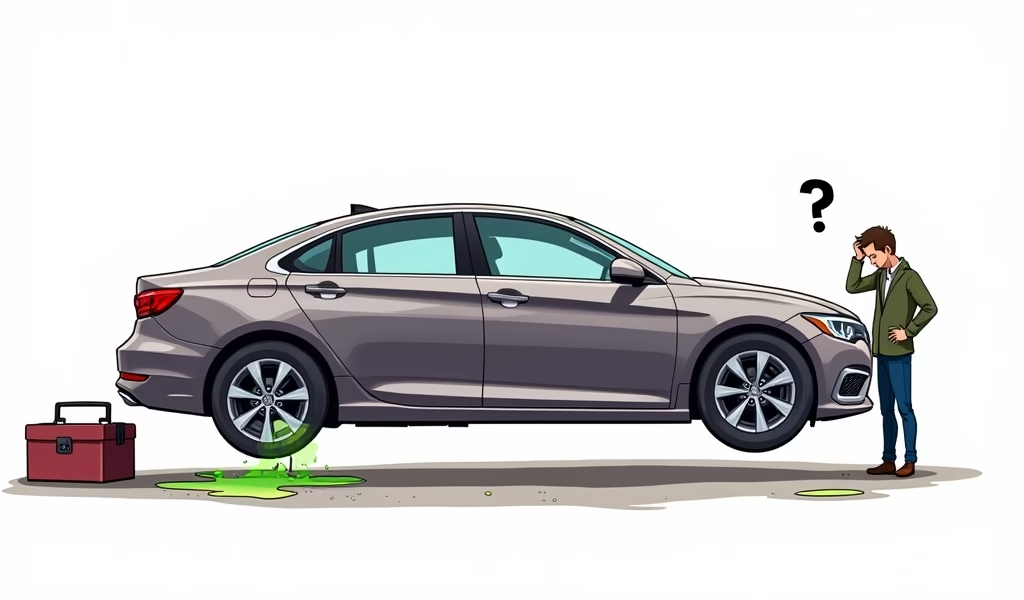
The most obvious sign is uneven ride height. If you notice one corner of your vehicle sitting lower than the others, or if the entire car appears to be “squatting,” you’re likely dealing with a leak. This symptom is especially noticeable after the vehicle has been parked overnight.
Listen for your compressor running longer than normal. A healthy system pressurizes quickly (usually under 30 seconds), but a leaking system forces the compressor to work overtime, which can lead to premature compressor failure.
You might also notice dashboard warning messages such as “Suspension Fault” or “Vehicle Height Too Low.” Never ignore these electronic alerts – they’re your vehicle’s way of communicating that something needs attention.
Changes in ride quality provide another clear indicator. If your once cloud-like ride suddenly feels harsh or bouncy, or if you notice increased body roll during cornering, your air suspension isn’t functioning properly.
Many owners also report unusual noises – hissing sounds from air leaks or knocking/clunking from struts that aren’t properly pressurized. These acoustic warnings shouldn’t be ignored.
Finally, watch for the “sagging overnight” syndrome. If your A8 sits noticeably lower in the morning than when you parked it, air is escaping from the system during periods of non-use – a classic sign of leaking components.
Common Causes of Audi A8 Air Suspension Leaks
Air suspension leaks in your Audi A8 aren’t random failures – they typically follow predictable patterns related to age, use, and environmental conditions.
Age-related deterioration is the primary culprit. The rubber air springs naturally harden and develop micro-cracks over time, typically beginning around 6-8 years or 70,000-100,000 miles. This degradation process is inevitable, though proper maintenance can sometimes extend component life.
Temperature extremes accelerate deterioration dramatically. Owners in regions with severe winters or scorching summers often experience earlier failures as the rubber components become brittle from repeated thermal cycling. The constant expansion and contraction eventually lead to tiny cracks that grow into leaks.
The air lines and connectors that run throughout the system represent another common failure point. These small-diameter tubes are vulnerable to abrasion, particularly where they pass through or near metal components. A seemingly minor rub-through can create a leak that gradually depletes system pressure.
Moisture contamination within the system accelerates corrosion of metal components and degrades rubber seals. The air suspension control module attempts to compensate for minor leaks by running the compressor more frequently, which introduces more moisture into the system, creating a problematic cycle.
Certain model years exhibit higher failure rates. The 2004-2010 D3 platform A8s are particularly notorious for air suspension issues, with design improvements appearing in later generations. However, even the newest models will eventually face these challenges as they age.
Road hazards and environmental exposure can’t be overlooked either. Salt, road chemicals, small debris impacts, and even normal vibration all contribute to the gradual breakdown of air suspension components.
Diagnostic Steps to Locate Air Leaks
Before rushing to a repair shop, you can perform some basic diagnostic steps to pinpoint where your air suspension system is leaking. This information will help you make informed decisions about repairs and might even save you from unnecessary part replacements.
Start with a thorough visual inspection. Examine each air spring for visible cracks, tears, or signs of rubbing. Pay special attention to the flexible bellows section, which is most prone to developing leaks. Also check all air lines for any signs of damage or disconnection.
The “soapy water test” remains one of the most effective DIY methods for finding air leaks. Mix dish soap with water, apply the solution to suspected leak areas using a spray bottle or sponge, and watch for bubbles forming as air escapes. Focus on connection points, fittings, and seams in the air springs.
Listen carefully for the distinctive hissing sound of escaping air, especially around components that appear to be sagging. Sometimes leaks are more audible than visible.
If your vehicle has access to diagnostic sensors, monitor pressure readings using a scan tool. Significant pressure drops in specific circuits can help isolate which corner of the vehicle is experiencing problems.
Park your Audi on level ground and measure the height of each wheel well. Compare these measurements to manufacturer specifications to identify which corner(s) are sitting too low. This simple step can save diagnostic time by directing your attention to the most affected areas.
For those with access to specialized equipment, a smoke test can reveal even tiny leaks. This professional-grade test introduces harmless smoke into the system under low pressure, making leak points immediately visible.
Remember to check the compressor’s operation and listen for unusual noises during its run cycle. A healthy compressor should operate relatively quietly and cycle off once proper pressure is reached.
Repair Options and Cost Considerations
When facing air suspension issues with your Audi A8, you generally have three repair paths: replace individual components, rebuild the entire system, or convert to conventional coil springs. Each option has distinct cost implications and benefits.
Replacing individual components makes sense when the failure is isolated and the remaining parts are in good condition. A single air strut typically costs $700-1,100 for OEM parts plus 2-3 hours of labor ($250-450). High-quality aftermarket options from respected manufacturers like Arnott Industries can reduce parts cost by 30-40% while maintaining reliability.
The compressor assembly is another commonly replaced component, running $600-900 for OEM parts plus 1-2 hours of labor. When replacing the compressor, it’s wise to install a new dryer unit simultaneously to prevent moisture contamination.
Air lines and fittings are relatively inexpensive ($20-150 depending on location), but labor costs can add up if they’re difficult to access. Some shops offer complete system testing that can pinpoint exactly which lines need replacement.
For vehicles with multiple failing components, complete system rebuilds might be more economical. Expect to pay $3,000-4,500 at an independent shop or $4,500-7,000 at the dealership for a full system overhaul using OEM components.
The third option, conversion to conventional springs, eliminates air suspension entirely. Conversion kits typically cost $1,200-2,000 plus 4-6 hours of labor. While this option offers long-term reliability, it permanently sacrifices the adjustable ride height and self-leveling features.
When weighing these options, consider your ownership timeline. If you plan to keep the vehicle for 3+ years, investing in quality components makes sense. For shorter ownership periods, more economical repairs might be sufficient.
DIY vs. Professional Repairs: What to Know
While the DIY approach is tempting to save on labor costs, air suspension work presents unique challenges that often require professional expertise.
For the mechanically inclined, certain air suspension repairs are manageable at home. Air line replacements and some compressor installations fall within the capabilities of experienced home mechanics with proper tools. These jobs typically require basic hand tools, plus specialized air suspension disconnect tools to safely depressurize the system.
However, strut replacements are considerably more complex. You’ll need not just mechanical aptitude but also proper spring compressors, torque wrenches, and ideally a diagnostic tool to reset the system afterward. The risk of improper installation is significant – incorrect alignment or torque specifications can lead to accelerated wear or even dangerous driving conditions.
If you’re considering the DIY route, factor in these requirements:
- A complete factory service manual (not just a Haynes or Chilton guide)
- Specialized air suspension tools
- A safe working environment with proper vehicle supports
- Diagnostic equipment to reset systems and clear codes
- Significant experience with sophisticated automotive systems
For professional repairs, seek shops specializing in European luxury vehicles. General repair shops often lack the specialized knowledge and equipment needed for these sophisticated systems. Ask potential shops about their specific experience with Audi air suspension before committing.
Independent Audi specialists typically charge 30-40% less than dealerships while offering comparable expertise. However, dealerships have direct access to technical bulletins and proprietary diagnostic equipment that can streamline complicated repairs.
Whichever route you choose, insist on high-quality components. The marginal cost difference between budget parts and premium components is quickly erased by the longevity premium parts provide.
Preventative Maintenance Tips
While air suspension issues are somewhat inevitable in aging Audi A8s, these preventative measures can extend system life and help you avoid catastrophic failures.
Regular visual inspections cost nothing but can save thousands. Every few months, take a few minutes to check your vehicle’s stance and look underneath for any signs of damage to air components. Pay particular attention to air lines where they connect to struts.
Keep the compressor healthy by avoiding unnecessary system cycling. Using the height adjustment feature sparingly (rather than constantly raising and lowering the vehicle) reduces strain on the compressor and associated components.
In regions with harsh winters, road salt presents a serious threat to air suspension components. Regular undercarriage washing during winter months removes corrosive materials before they can damage air lines and fittings.
Consider preventative replacement of air springs at around 8-10 years, even if they’re not yet showing obvious signs of failure. This proactive approach typically costs less than emergency repairs when components fail completely, and it prevents collateral damage to other system parts.
If you notice your system running the compressor more frequently than before, investigate immediately. This early warning sign often precedes major component failures by months, giving you time to plan repairs rather than react to emergencies.
For vehicles that sit unused for extended periods, consider investing in a trickle charger to maintain battery voltage. Low voltage situations can trigger false air suspension fault codes and sometimes cause the system to depressurize as a safety measure.
Finally, consider having the entire air suspension system professionally inspected during major service intervals (40k, 80k miles). These inspections can identify developing issues before they lead to system failures and allow for budgeting of future repairs.
Conclusion
The air suspension system in your Audi A8 represents both the pinnacle of luxury engineering and a potential source of frustration as the vehicle ages. While leaks and failures are virtually inevitable over time, understanding the warning signs and taking proactive measures can transform these issues from financial emergencies into manageable maintenance events.
Remember that early intervention almost always costs less than waiting for complete system failure. The minor sagging you notice today could become a disabled vehicle and a $4,000+ repair bill in just a few months if ignored.
Whether you choose to maintain the original air suspension system or convert to conventional springs depends on your priorities, budget, and how long you plan to keep the vehicle. Both approaches have merit depending on your situation.
By staying attentive to your Audi’s behavior, investing in regular inspections, and addressing minor issues promptly, you can enjoy the exceptional ride quality that made the A8 famous while avoiding the worst of the repair costs that cause so many owners to abandon these otherwise exceptional vehicles.
Your Audi A8 was engineered to deliver thousands of miles of comfortable, confident driving. With proper care and timely intervention, its sophisticated air suspension can continue to deliver that experience without delivering devastating repair bills.
Frequently Asked Questions
How long do Audi A8 air suspension components typically last?
Most air struts and springs last 6-10 years or 70,000-100,000 miles before developing leaks. Environmental factors and driving habits can significantly impact this timeframe, with harsh climates accelerating wear.
Can I drive with a leaking air suspension?
Limited driving at reduced speeds is possible, but extended driving is not recommended. Continuing to drive can damage the compressor and other components, turning a minor repair into a major expense.
How much does it cost to repair Audi A8 air suspension?
Individual strut replacement typically costs $900-1,500 installed, while complete system overhauls range from $3,000-7,000. Converting to conventional springs costs $1,800-2,500 installed.
Will my insurance cover air suspension repairs?
Standard insurance policies rarely cover air suspension failure as it’s considered normal wear and tear. Extended warranties might cover these repairs, but often with high deductibles or specific exclusions.
Is it worth converting my Audi A8 to conventional springs?
Conversion makes financial sense if you plan to keep the vehicle 3+ years and value reliability over adjustable ride height. While you’ll lose some luxury features, you’ll gain long-term reliability without the recurring expense of air system maintenance.