
Overview
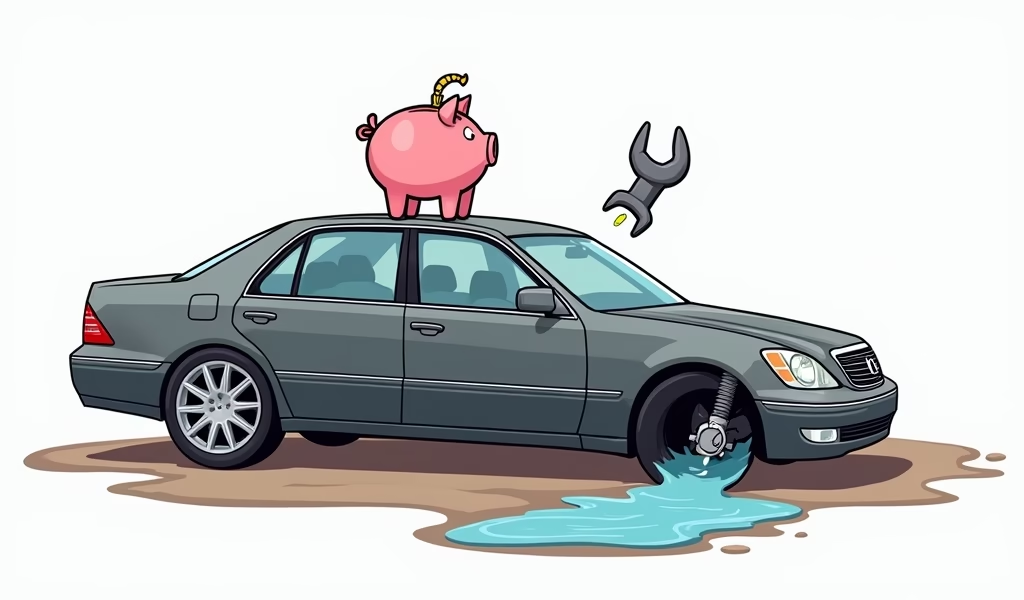
That sinking feeling when your Lexus LS500 sits unnaturally low isn’t just in your imagination—it’s likely an air suspension leak that can be diagnosed through visual inspection, listening for an overworked compressor, or using the soapy water test. While repairs can be costly (ranging from $1,800-$4,500 depending on your chosen service provider), addressing problems early, considering quality aftermarket parts, and following preventative maintenance tips can save you thousands while preserving your vehicle’s cloud-like luxury ride.
Table of Contents
- Understanding the Lexus LS500 Air Suspension
- Common Signs of Air Suspension Leaks
- What Causes Air Suspension Leaks?
- Diagnosing Air Suspension Problems
- Repair Options: Dealer vs. Independent Shop
- DIY Repairs: What You Should Know
- Cost-Saving Strategies
- Preventative Maintenance Tips
- Conclusion
- Frequently Asked Questions
Understanding the Lexus LS500 Air Suspension
That sinking feeling you get when you walk outside and see your beautiful Lexus LS500 sitting unnaturally low to the ground isn’t just in your imagination—it’s a telltale sign your air suspension system might be leaking. As someone who’s repaired countless luxury vehicles over two decades, I can tell you this is a common issue that doesn’t have to break the bank.
The air suspension in your Lexus LS500 is an engineering marvel that replaces traditional coil springs with air-filled rubber bellows. This sophisticated system adjusts automatically to maintain your ride height regardless of load or road conditions, providing that cloud-like luxury ride Lexus is famous for.
Your system consists of several key components working together:
- Air springs (sometimes called air struts) at each wheel
- An electric air compressor that pressurizes the system
- Height sensors that monitor the vehicle’s position
- A control module that serves as the system’s brain
- Air lines and connectors that transfer pressurized air
When everything’s working properly, this system delivers an incredibly smooth, comfortable ride while maintaining perfect handling characteristics. When it starts leaking, however, you’ll notice some unmistakable symptoms that shouldn’t be ignored.

Common Signs of Air Suspension Leaks
Your Lexus is pretty good at telling you when something’s wrong, if you know what to look for. With air suspension issues, the signs are usually quite noticeable:
The most obvious symptom is your vehicle sitting lower than normal, especially after being parked overnight. This happens because leaks allow air to slowly escape when the compressor isn’t running to maintain pressure.
If your Lexus seems to be sagging on one corner or side more than others, that’s typically indicating a leak in a specific air spring rather than a system-wide failure. This uneven stance is unmistakable once you know what to look for.
Listen carefully to your compressor. If it’s running much more frequently or for longer periods than normal, it’s working overtime to compensate for a leak somewhere in the system. A healthy system only needs occasional pressure top-ups.
Your dashboard might display warning messages like “Check Suspension System” or “Height Control System Malfunction.” Modern Lexus vehicles have sophisticated monitoring systems that detect when pressure isn’t maintaining properly.
You might also notice a rougher ride quality than you’re used to. Those luxurious floaty sensations gradually transform into jarring bumps as your suspension loses its ability to properly absorb road imperfections.
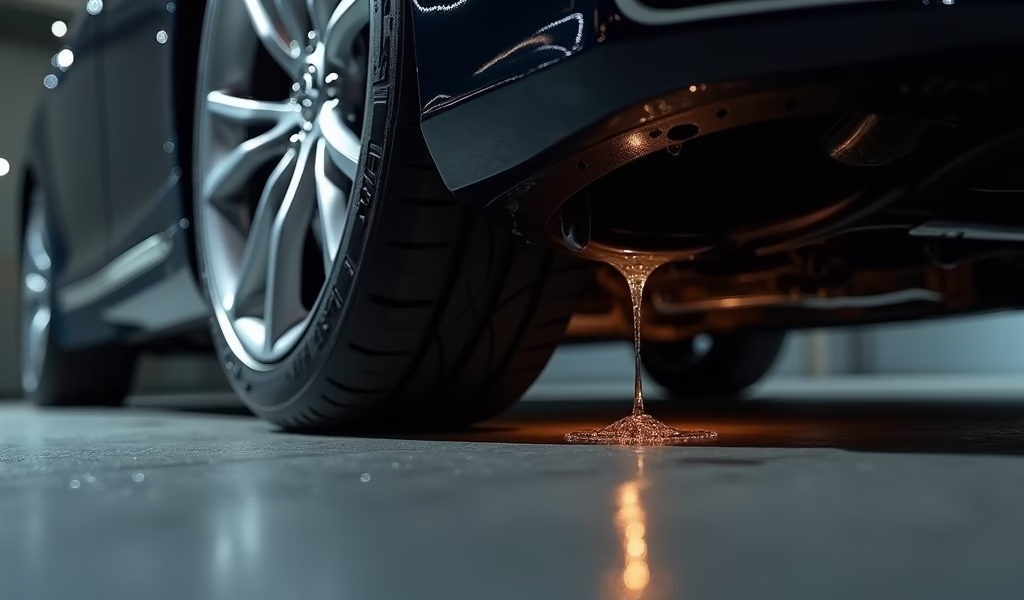
In more severe cases, you might hear air hissing from the undercarriage or notice your vehicle bottoming out over speed bumps that never gave you trouble before. These are advanced symptoms that indicate repairs are urgently needed.
What Causes Air Suspension Leaks?
Air suspension systems don’t typically fail without reason. Understanding the common causes can help you prevent problems and make informed repair decisions:
Age and normal wear is the most common culprit. The rubber components in air springs naturally degrade over time, developing tiny cracks that allow air to escape. Most Lexus LS500 owners start experiencing issues around 60,000-80,000 miles, though systems can last much longer with proper care.
Environmental factors play a huge role in how quickly your system deteriorates. Extreme temperatures, road salt, and UV exposure accelerate the aging of rubber components. Owners in harsh climates typically experience problems earlier than those in moderate environments.
Impact damage is another common cause. Hitting potholes, speed bumps, or road debris at speed can damage the rubber bellows of your air springs. Even small tears will eventually lead to leaks.
Connection points throughout the system are vulnerable areas. The fittings where air lines connect to springs, valves, and the compressor can loosen over time due to vibration and temperature cycling.
Sometimes the compressor itself fails, unable to maintain adequate system pressure. This often happens when it’s been overworking to compensate for minor leaks elsewhere in the system, causing it to wear out prematurely.
According to J.D. Power reliability data, suspension issues account for approximately 12% of all reported problems in luxury vehicles after the 5-year mark, with air suspension systems showing higher repair frequencies than conventional suspension designs.
Diagnosing Air Suspension Problems
Before you rush to the dealer and face a potential four-figure repair bill, let’s talk about how to properly diagnose what’s happening with your Lexus LS500’s air suspension.
Start with a visual inspection when the vehicle has been sitting overnight (when leaks are most evident). Look for uneven ride height or a vehicle that’s sitting noticeably lower than normal. One corner sitting lower than the others typically indicates a leak in that specific air spring.
Listen for your compressor running excessively when you start the vehicle. A healthy system should pressurize relatively quickly and then remain silent. If your compressor runs for extended periods or cycles on and off frequently, it’s struggling to maintain pressure.
The soapy water test is remarkably effective for finding leaks. Mix dish soap with water in a spray bottle, then spray suspected leak areas while the system is pressurized. Bubbles will form where air is escaping. Pay special attention to connection points and the surface of the air springs themselves.
For a more precise diagnosis, consider using an OBD-II scanner capable of reading Lexus-specific codes. Many air suspension problems trigger fault codes that can pinpoint exactly which component is causing trouble. Basic scanners start around $30, while more advanced models with Lexus-specific capabilities might cost $100-200—still far cheaper than paying for professional diagnosis.
If your vehicle has a suspension adjustment button, try cycling through the different height modes. If the system struggles to reach or maintain certain positions, this provides valuable diagnostic information.
Keep in mind that proper diagnosis is crucial for avoiding unnecessary parts replacement. What appears to be a leaking air spring could actually be a faulty height sensor or control module issue, which requires a completely different repair approach.
Repair Options: Dealer vs. Independent Shop
When it comes to getting your Lexus LS500’s air suspension repaired, you’ve got several options, each with distinct advantages and cost implications:
The dealer service center offers factory-trained technicians with model-specific expertise and genuine Lexus parts. They’ll have the proper diagnostic equipment and access to technical service bulletins that might apply to your specific vehicle. However, this premium service comes with premium pricing—typically 30-50% higher than independent alternatives.
Independent luxury vehicle specialists can offer significant savings while maintaining high-quality service. Look for shops that specialize in Lexus or at least Japanese luxury vehicles, as they’ll have the necessary expertise and equipment. A good independent shop strikes the perfect balance between cost and quality.
General repair shops might offer the lowest prices, but they often lack experience with sophisticated air suspension systems. Unless they specifically advertise expertise with luxury vehicle air suspensions, this option carries higher risk of improper repairs or missed issues.
Here’s what you might expect to pay at different service providers:
- Dealer: $3,500-$4,500 for full system repair
- Luxury specialist: $2,200-$3,200 for full system repair
- General repair shop: $1,800-$2,800 (if they’re capable)
Remember that cheaper isn’t always better when it comes to sophisticated systems. Consumer Reports research indicates that specialized repair facilities typically provide better long-term value than the lowest-cost options, particularly for complex systems like air suspensions.
When choosing a shop, ask specifically about their experience with Lexus air suspension systems, what parts they use (OEM, high-quality aftermarket, or budget), and what kind of warranty they offer on their work. A good shop should provide at least a 1-year warranty on major suspension repairs.
DIY Repairs: What You Should Know
If you’re mechanically inclined and looking to save substantially on repair costs, DIY might be an option worth considering. But let me be straight with you—air suspension repair isn’t like changing your oil or replacing brake pads. It’s complex work that requires specific knowledge and tools.
First, let’s talk safety. Air suspension systems operate under significant pressure. Before attempting any repairs, you’ll need to properly depressurize the system according to Lexus service procedures. Working on pressurized components can result in serious injury if done incorrectly.
For basic air spring replacement, you’ll need:
- Floor jack and sturdy jack stands rated for your vehicle’s weight
- Torque wrench and socket set
- Air suspension line removal tools
- Service manual or detailed repair instructions
- Diagnostic scanner capable of resetting the system
Parts cost significantly less when you handle the labor yourself:
- OEM air spring: $550-$750 each
- Quality aftermarket air spring: $300-$500 each
- Compressor (if needed): $400-$900
The labor savings are substantial—typically $800-$1,200 for a full system repair. That said, if you don’t already have the necessary tools, factor their cost into your calculations.
One major challenge for DIY repairs is system initialization. After component replacement, most air suspension systems require a computer reset and calibration procedure. Some aftermarket scan tools can handle this, but not all. Research this requirement specifically for your model year before proceeding.
If you’re comfortable with advanced auto repair but not quite ready to tackle air suspension, consider a middle ground: purchase the parts yourself and hire a trusted mechanic to install them. Many independent shops will install customer-provided parts (though they typically won’t warranty them).
YouTube channels like ChrisFix offer detailed repair tutorials that can help determine if the job is within your skill level before you commit.
Cost-Saving Strategies
Even if you’re not ready to tackle repairs yourself, there are several strategies to reduce the financial impact of air suspension repairs:
Consider quality aftermarket components instead of OEM parts. Companies like Arnott and Strutmasters make excellent aftermarket air suspension components specifically for Lexus vehicles at 40-60% of dealer prices. The quality difference is minimal for most drivers, and many come with warranties comparable to or better than OEM parts.
Address problems early before they cascade. A minor leak that stresses your compressor can lead to compressor failure, turning a $500 repair into a $2,000 one. That warning light might be annoying, but ignoring it will almost certainly cost more in the long run.
Ask about rebuilt components. Some shops offer remanufactured air springs and compressors that have been professionally restored to near-new condition at substantial savings. Just make sure they come with a solid warranty.
Consider replacing components in pairs. If one front air spring is failing, the other likely isn’t far behind. Replacing both at once saves on labor costs compared to two separate repair visits.
For higher-mileage Lexus LS500s (over 100,000 miles), evaluate whether a conversion kit makes economic sense. Companies like Strutmasters offer conversion kits that replace the entire air suspension with conventional springs and struts for around $1,500-$2,000 installed. You’ll lose the adjustability and some ride quality, but gain reliability and eliminate future air suspension repairs.
Don’t be afraid to negotiate, especially at independent shops. Many will match competitors’ quotes or offer discounts during slower seasons. Some also offer financing options for larger repairs.
Check your warranty and service plan coverage. Some extended warranties and certified pre-owned programs cover air suspension components. If you’ve purchased an extended warranty, review the coverage details before paying out of pocket.
Preventative Maintenance Tips
An ounce of prevention is worth a pound of cure—especially when it comes to expensive air suspension systems. Here are practical tips to extend the life of your Lexus LS500’s air suspension:
Keep your vehicle clean underneath. Road salt, debris, and environmental contaminants accelerate the deterioration of rubber components. Regular underbody cleaning, especially in winter months, can significantly extend component life.
Listen for changes in compressor behavior. Familiarize yourself with how long your compressor normally runs when you start your vehicle. If this duration gradually increases over time, it’s a warning sign of developing leaks.
Park intelligently for extended periods. If you’ll be leaving your Lexus unused for more than a couple weeks, consider using jack stands to take pressure off the air springs. For shorter periods, parking on a level surface reduces stress on the system.
Avoid prolonged exposure to extreme elements. Whenever possible, garage your vehicle to protect it from temperature extremes, UV exposure, and moisture—all enemies of rubber components.
Consider applying a UV protectant to exposed rubber components annually. Products designed for rubber conditioning can help prevent premature aging and cracking of air springs.
Have your suspension inspected during regular service intervals. Ask your technician to check for early signs of wear or leakage before they become major issues. A good mechanic can spot developing problems before they trigger warning lights.
Maintain your compressor by keeping its air filter clean. Some Lexus models have serviceable air dryers or filters in the compressor system that should be changed according to maintenance schedules—typically every 40,000-60,000 miles.
Use your height adjustment features sparingly if equipped. Constantly cycling between height settings puts additional stress on the compressor and valves.
Conclusion
Living with a Lexus LS500 means enjoying one of the finest luxury sedans on the road, but that sophisticated air suspension does require some special attention. Armed with the knowledge in this guide, you’re now equipped to identify potential issues early, make informed repair decisions, and potentially save thousands of dollars in the process.
Remember that proactive maintenance is your best defense against major suspension failures. Regular inspections and addressing minor issues before they escalate will help preserve both your vehicle’s legendary ride quality and your wallet.
Whether you choose dealer service, an independent specialist, or tackle repairs yourself, understanding the system puts you in control rather than at the mercy of repair shops. That sagging sensation doesn’t have to sink your finances when you know what you’re dealing with.
Your Lexus was designed to provide years of comfortable, trouble-free driving. With proper care and timely intervention when issues arise, there’s no reason your air suspension can’t continue delivering that cloud-like luxury ride for many miles to come.
Frequently Asked Questions
How long do Lexus LS500 air suspension components typically last?
Most air springs last 60,000-80,000 miles, while compressors typically survive 70,000-100,000 miles under normal conditions. Environmental factors and driving habits can significantly impact these ranges.
Can I drive my Lexus with a leaking air suspension?
While possible for short distances, continued driving with leaking air suspension can damage the compressor and other components. It also compromises handling, braking performance, and safety.
How much does it cost to replace the entire air suspension system?
A complete system replacement at the dealer typically runs $4,000-$5,000, while independent shops might charge $2,500-$3,500. DIY repairs with quality aftermarket parts can reduce this to $1,200-$2,000.
Will my check engine light come on if my air suspension is failing?
Typically, suspension issues trigger a specific suspension warning light rather than the check engine light. Modern Lexus vehicles have dedicated warning systems for the air suspension.
Is it worth converting my Lexus LS500 to conventional springs?
Conversion makes economic sense for higher-mileage vehicles where ongoing air suspension repairs would exceed conversion costs. However, you’ll sacrifice the adjustable ride height and some of the signature Lexus ride quality.