
Overview
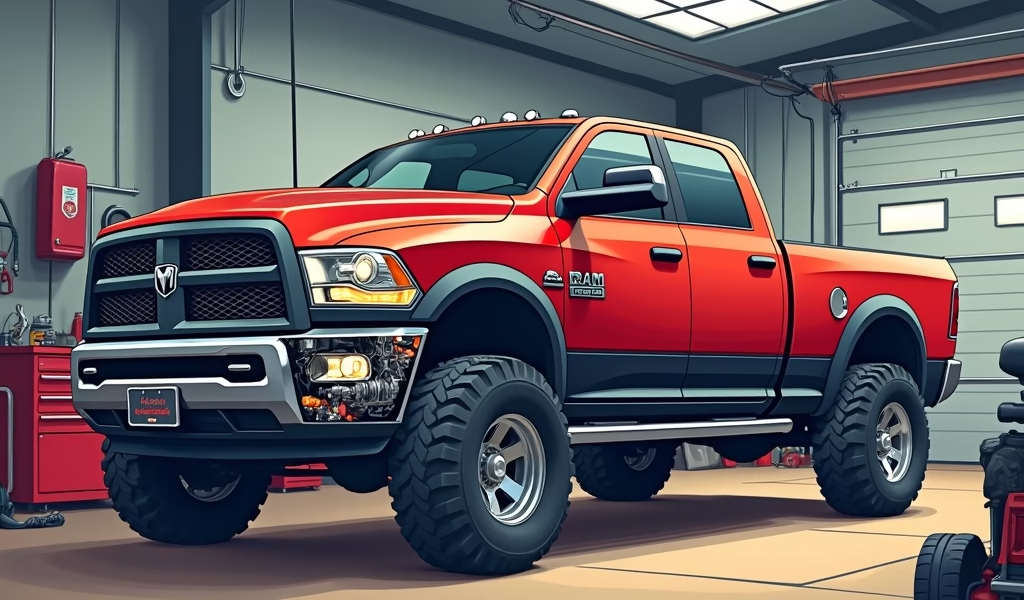
Just like your knees after a day of hauling lumber, your Ram 2500’s transmission will eventually protest if you don’t treat it right. The article outlines essential maintenance practices—including regular fluid checks, proper cooling, correct ATF+4 fluid usage, and towing best practices—that can help owners avoid the common pitfalls of overheating, torque converter failures, and premature wear that often lead to costly repairs.
Table of Contents
- Understanding Ram 2500 Transmissions
- Warning Signs of Trouble
- Common Transmission Problems
- Essential Maintenance Practices
- Towing Considerations
- Fluid Service Guidelines
- Repair vs. Replacement
- DIY Maintenance Tips
- Finding a Trustworthy Mechanic
- Conclusion
- Frequently Asked Questions
Understanding Ram 2500 Transmissions
The Ram 2500’s transmission is the unsung hero of your truck’s drivetrain. It’s the complex system that transfers power from your engine to the wheels while allowing the engine to operate in its sweet spot. Unlike lighter-duty vehicles, the Ram 2500’s transmission is engineered to handle substantial torque – especially in Cummins diesel models – making it both robust and potentially expensive to repair when things go wrong.
Most Ram 2500 trucks come equipped with one of three transmission types. The 68RFE automatic transmission is common in 2007-2018 models with the 6.7L Cummins engine. Newer models (2019+) often feature the improved AS69RC automatic transmission, while some enthusiasts prefer the G56 six-speed manual transmission available in certain model years.
What makes these transmissions unique is their heavy-duty design. They’re built to handle tremendous torque and heavy loads, which is precisely why they need special attention. The transmission fluid serves double-duty as both a lubricant and coolant, making proper fluid maintenance absolutely critical to your transmission’s health and longevity.
Warning Signs of Trouble
Your Ram 2500’s transmission will usually give you warning signs before it fails completely. Catching these early can save you thousands in repair costs. The most common warning sign is delayed or rough shifting – that moment when you press the accelerator but the truck hesitates before engaging. This is particularly noticeable when shifting from park to drive or during acceleration.
Pay attention to unusual sounds. A healthy transmission should operate quietly. If you hear whining (often indicating low fluid or pump issues), buzzing (potentially a solenoid problem), or clunking noises (which might suggest worn gears), it’s time to investigate.
That distinct burning odor, similar to burning paper, can indicate overheating transmission fluid – a serious concern that demands immediate attention. This is especially common after towing heavy loads uphill or in hot weather conditions.

Common Transmission Problems
The number one killer of Ram 2500 transmissions is heat. When fluid temperatures exceed 200°F, transmission fluid begins to break down; at 220°F, seals and friction materials start deteriorating rapidly. Heavy towing, especially in hot weather or on steep grades, can quickly push temperatures into the danger zone.
In the 68RFE transmission, the torque converter lock-up clutch is a notorious failure point, particularly in trucks used for frequent towing. Symptoms include shuddering during light acceleration and trouble codes related to the torque converter clutch. This transmission is also particularly sensitive to fluid quality and level – using the wrong type of fluid or allowing it to become contaminated accelerates wear dramatically.
Solenoid failures are another common issue. These electronic components control gear shifts, and when they fail, shifting becomes erratic or certain gears may become completely inaccessible. What’s particularly frustrating is that sometimes the issue isn’t mechanical at all – the transmission control module (TCM) can develop glitches leading to erratic shifting.
For G56 manual transmission owners, premature clutch wear is the primary concern, especially if you frequently tow heavy loads or have a habit of “riding” the clutch. This manifests as difficulty engaging gears or clutch slippage under load.
Essential Maintenance Practices
Proactive maintenance is your best defense against expensive transmission failures. Start with regular fluid checks – ideally monthly for trucks that see heavy use. Check your transmission fluid level with the engine running and transmission warmed up. The fluid should be clear red (not brown or black) and should smell slightly sweet, never burnt.
The factory recommendation is to change fluid every 60,000 miles, but if you frequently tow, consider reducing your transmission service interval to every 30,000 miles. This might seem excessive, but it’s much cheaper than a rebuild. The internal transmission filter should be replaced with every fluid change – this is especially important in the 68RFE transmission, where filter clogging leads to pressure problems and accelerated wear.
Don’t overlook your cooling system maintenance. Your transmission relies on the engine’s cooling system for temperature regulation. Ensure your radiator, cooling fans, and water pump are all functioning properly. A compromised cooling system often leads to transmission overheating, especially during towing.
For those who regularly tow heavy loads, an auxiliary transmission cooler is one of the best investments you can make. For around $200, these upgrades can dramatically reduce transmission temperatures by 20-30 degrees under load, potentially doubling your transmission’s service life. Aftermarket transmission coolers are relatively simple to install and provide immediate benefits.
Towing Considerations
When towing with your Ram 2500, use tow/haul mode religiously. This feature optimizes shift points and helps reduce heat buildup by keeping RPMs higher and reducing transmission hunting between gears. It’s not just a gimmick – it makes a measurable difference in transmission temperatures and clutch wear.
Avoid lugging the engine in too high a gear. This creates excessive heat and strain on the transmission. When climbing hills with a heavy load, don’t be afraid to manually downshift to keep the engine in its power band. Let the engine do the work rather than forcing the transmission to compensate.
Consider installing a transmission temperature gauge to monitor heat levels during heavy pulls. These simple devices can alert you before temperatures reach damaging levels, allowing you to take action like pulling over to let things cool down or adjusting your driving style.
Remember that just because your Ram 2500 can tow up to 20,000 pounds (depending on configuration) doesn’t mean you should regularly push those limits. Regular towing at 80-90% of maximum capacity will significantly reduce transmission life compared to staying below 70% of capacity. According to transmission rebuilders, most heavy-duty truck transmissions last 50% longer when not regularly pushed to their maximum rating.
Fluid Service Guidelines
Using the correct transmission fluid is absolutely critical. Ram 2500 automatic transmissions require ATF+4 fluid (Mopar specification MS-9602). Using generic ATF or the wrong specification can cause shifting issues, accelerated wear, and even catastrophic failure. This isn’t a place to save a few dollars – stick with Mopar fluid or a quality aftermarket alternative that explicitly meets the MS-9602 specification.
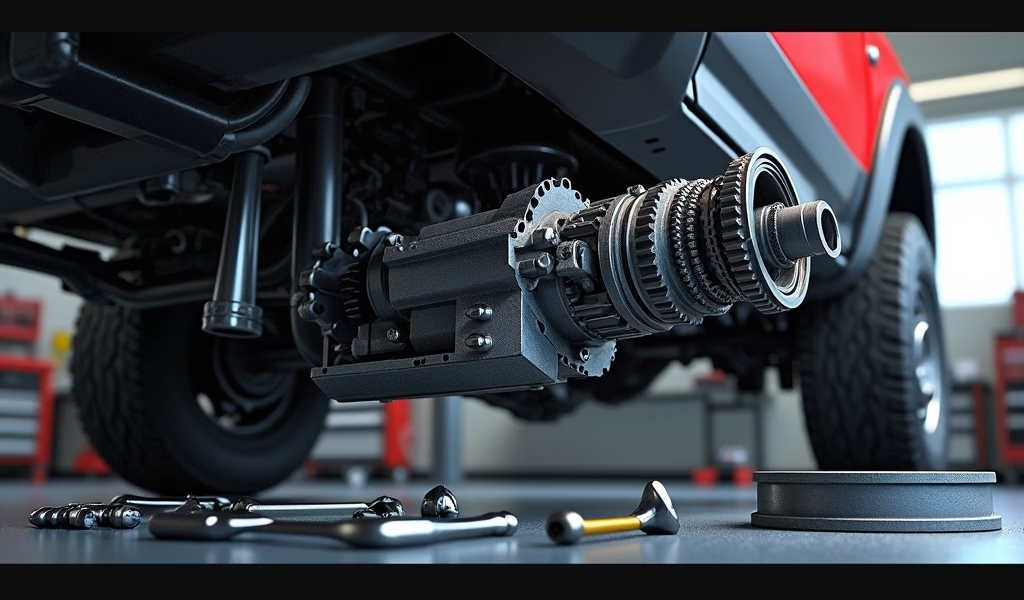
When changing your transmission fluid, follow the “drain and fill” method rather than a pressurized flush. While flushes can sometimes help, they can also dislodge debris that’s safely settled in transmission pan recesses, potentially causing more harm than good. A proper service includes dropping the transmission pan, replacing the filter, cleaning the magnet, and refilling with fresh fluid.
Pay attention to fluid color and smell. Fresh ATF+4 has a clear red color and a slightly sweet smell. As it ages, it darkens and develops a burnt odor. If your fluid is dark brown or black, or smells burnt, your transmission has likely been running too hot and may already have internal damage. Consider having a professional evaluate the transmission before simply changing the fluid.
For those in extremely cold climates, allow your transmission to warm up before driving, especially in sub-zero temperatures. Cold transmission fluid doesn’t flow well and can cause hard shifts or delayed engagement. Idle the engine for a few minutes before driving, then drive gently until operating temperature is reached.
Repair vs. Replacement
When facing transmission issues, you’ll need to decide between repair, rebuild, or replacement. For minor issues like solenoid failures or valve body problems, targeted repairs can be cost-effective. These typically run $800-1,500 depending on labor rates and parts availability.
If your transmission has more significant internal damage, a complete rebuild may be necessary. A comprehensive rebuild can range from $2,500-4,000 and involves disassembling the entire unit, replacing worn components, and reassembling with new gaskets and seals. This approach allows for upgrading wear-prone components with improved aftermarket parts.
A factory remanufactured transmission is another option, typically costing $4,500-6,500 installed by a dealership. These units are completely remanufactured to factory specifications and usually come with a solid warranty. For those who plan to keep their truck long-term, this peace of mind can be worth the premium price.
When making this decision, consider the age and mileage of your truck, how long you plan to keep it, and your typical usage. If you’re approaching 200,000 miles and use your truck for heavy towing, investing in a remanufactured unit with a warranty might make more sense than a repair that addresses only the immediate problem.
DIY Maintenance Tips
While many transmission services require specialized tools and expertise, there are maintenance tasks suitable for DIY-minded owners. Checking fluid level and condition is straightforward – simply locate the transmission dipstick (usually toward the rear of the engine bay), remove it, wipe clean, reinsert, and check the level and color against the markings. Do this with the engine running and transmission in park after the truck has reached operating temperature.
External inspections for leaks are something any owner can do. Simply look under your truck after it’s been parked overnight for any red fluid puddles. Check around the transmission pan gasket, cooler lines, and where the transmission meets the engine for seepage.
For the mechanically inclined, transmission fluid and filter changes are possible at home if you have a way to safely raise and support the vehicle, proper drain pans for fluid collection, and a means to properly dispose of used fluid. However, getting the fluid level correct afterward can be tricky, as it must be checked at specific temperatures with the engine running.
One simple DIY upgrade is installing a transmission temperature gauge. These are relatively inexpensive and installation typically involves tapping into an existing port or cooler line, then mounting the gauge where it’s easily visible to the driver.
Finding a Trustworthy Mechanic
Not all mechanics are created equal when it comes to heavy-duty transmissions. Look for shops that specialize in diesel trucks or specifically Ram/Dodge transmissions. General repair shops often lack the specialized knowledge and equipment needed for proper diagnosis and repair.
When selecting a transmission specialist, ask about their experience with your specific transmission model (68RFE, AS69RC, or G56) and whether they have factory service information access. A good shop will be able to show you examples of transmissions they’ve rebuilt and explain their process.
Before authorizing work, ask whether they use OEM or aftermarket parts, what warranty they offer, and if they perform a road test before and after service to confirm proper operation. Reputable shops should offer at least a 12-month/12,000-mile warranty on major transmission work.
Don’t be afraid to ask for references or check online reviews. A quality transmission shop will have a track record of satisfied customers and will be transparent about their diagnostic process and recommendations. Be wary of shops that immediately recommend a complete rebuild without first performing thorough diagnostics.
Conclusion
Your Ram 2500’s transmission is a remarkable piece of engineering designed to handle tremendous loads, but it requires proper care to reach its potential lifespan. By understanding warning signs, maintaining proper fluid service intervals, and driving with transmission health in mind, you can avoid joining the ranks of owners facing unexpected, budget-busting repair bills.
Remember that most catastrophic transmission failures don’t happen suddenly – they develop over time, giving warning signs along the way. The attentive owner who recognizes these signs and takes prompt action can often avoid the worst-case scenario.
For those who tow regularly, investing in cooling upgrades and more frequent maintenance isn’t just an expense – it’s insurance against much costlier repairs down the road. Your Ram 2500 is built to work hard, and with proper care, its transmission will support that mission for many miles to come.
Frequently Asked Questions
How often should I change the transmission fluid in my Ram 2500?
For normal use, follow the factory recommendation of 60,000 miles. If you frequently tow or operate in extreme conditions, reduce this interval to 30,000 miles.
What are the first signs of transmission problems in a Ram 2500?
Early warning signs include delayed engagement, rough shifting, unusual noises during gear changes, and a burning smell. Don’t ignore these signals, as they rarely resolve themselves.
Can I tow at maximum capacity regularly without damaging my transmission?
Regular towing at maximum capacity significantly reduces transmission life. For best longevity, try to keep loads under 70% of your truck’s rated capacity for everyday use.
Is a transmission flush good for my Ram 2500?
Traditional pressure flushes can sometimes cause more harm than good by dislodging debris. A proper drain and fill with filter change is generally safer and more effective.
What’s the best upgrade for a Ram 2500 used primarily for towing?
An auxiliary transmission cooler is the most cost-effective upgrade for towing applications. This simple addition can reduce fluid temperatures by 20-30 degrees under load.