
Overview
Just like your morning coffee needs the right blend, your Chrysler 300’s transmission requires specific maintenance to avoid costly $2,200-4,500 repairs—particularly fluid changes every 30,000-60,000 miles despite “lifetime fluid” claims. Understanding warning signs like delayed engagement and unusual noises, plus adopting protective driving habits and finding specialized mechanics, can help your transmission reach 150,000-200,000 miles rather than failing prematurely.
Table of Contents
- Understanding Chrysler 300 Transmissions
- Common Transmission Issues
- Warning Signs of Transmission Problems
- Preventative Maintenance Tips
- Transmission Fluid Maintenance
- Driving Habits That Protect Your Transmission
- When to Repair vs. Replace
- Finding the Right Mechanic
- Conclusion
- Frequently Asked Questions
Understanding Chrysler 300 Transmissions
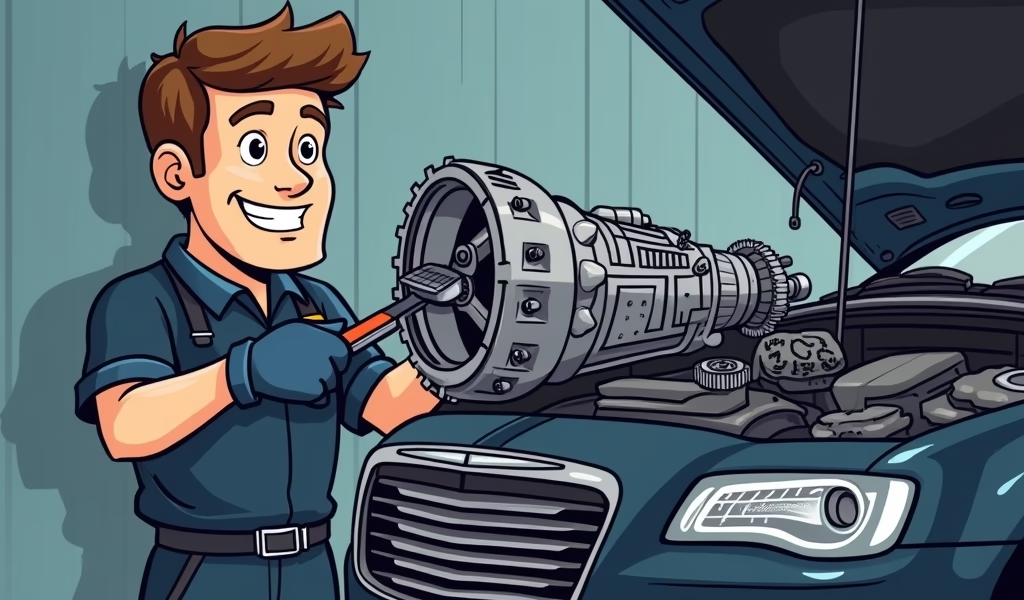
Let’s talk about what’s actually going on under your Chrysler 300. Over the years, these vehicles have primarily featured two main transmission types: the 5-speed W5A580 (NAG1) in 2005-2010 models and the more sophisticated 8-speed ZF 8HP70 in models from 2011 onwards.
The 5-speed was decent for its time, but I’ve seen plenty come through my shop with valve body and solenoid issues around 70,000-100,000 miles. These typically show up as hard shifts or delayed engagement when cold.
The newer 8-speed ZF is a different animal altogether – smoother, more efficient, and generally more reliable. But don’t let that fool you – they still have weak points, particularly with the transmission control module and torque converter.
What makes the Chrysler 300 transmission unique is its balance of performance and comfort. When working correctly, these transmissions deliver power smoothly while handling the substantial weight of this luxury sedan. They’re engineered to be practically invisible when functioning properly – you shouldn’t feel much shifting at all.
Understanding which transmission you have helps target your maintenance appropriately. Your maintenance records should indicate what type of fluid and service intervals are recommended for your specific model year.
Common Transmission Issues

After working on hundreds of Chrysler 300s over the years, I’ve noticed some patterns. The most common issues I see in my shop include:
Valve body failures are particularly prevalent in the 2006-2008 models. This complex hydraulic control center directs fluid throughout your transmission, and when it starts failing, you’ll notice erratic shifting or sudden jerking during gear changes.
Solenoid pack problems plague many 5-speed transmissions. These electrical components control fluid flow, and when they fail, shifting becomes unpredictable. The good news? Replacing solenoids is significantly cheaper than a full rebuild.
Torque converter lock-up issues often create a shuddering sensation, particularly noticeable at highway speeds between 45-60 mph. This feels like driving over rumble strips briefly as the converter struggles to lock properly.
Transmission overheating is another common culprit. The Chrysler 300’s weight combined with its powerful engine generates substantial heat during operation. Without proper cooling, internal components break down prematurely. This is why transmission experts recommend supplemental cooling for vehicles frequently used in hot climates or for towing.
Finally, fluid degradation accelerates wear even in otherwise healthy transmissions. Despite Chrysler’s claims of “lifetime” transmission fluid in some models, real-world experience shows this fluid breaks down over time, particularly under stress.
Warning Signs of Transmission Problems
Your Chrysler 300 will typically give you plenty of warning before a catastrophic transmission failure. Here’s what to watch for:
Delayed engagement when shifting from Park to Drive or Reverse should never be ignored. If you press the gas and experience a 1-2 second delay before the car moves, your transmission is telling you something’s wrong.
Unusual noises are clear indicators of trouble. Listen for whining sounds during acceleration, clunking when shifting gears, or a persistent buzzing. These noises typically indicate internal mechanical problems that won’t resolve themselves.
Slipping gears feels like your engine revving higher without corresponding acceleration. It’s as though someone briefly disconnected your engine from your wheels. This symptom often indicates clutch material wear inside your transmission.
Check engine lights with transmission-related codes (typically P0700-P0799) should be taken seriously. Many auto parts stores will scan these codes for free, but interpretation often requires professional expertise.
Fluid leaks appear as red or dark brown spots where you park. Unlike some engine oil leaks that might be monitored, transmission leaks demand immediate attention as they quickly lead to internal damage.
A burning smell, particularly noticeable after driving, suggests your transmission fluid is overheating. Fresh transmission fluid has a sweet smell, but when burned, it produces an acrid odor similar to burning paper.
The infamous “limp mode” happens when your Chrysler 300’s computer detects a serious transmission problem and limits functionality to prevent further damage. You’ll notice severely restricted performance and typically being stuck in 2nd or 3rd gear.
Preventative Maintenance Tips
The truth about transmission maintenance is simple – an ounce of prevention is worth pounds of cure. Here’s what I recommend to keep your Chrysler 300’s transmission healthy:
Regular transmission fluid and filter changes are absolutely essential, regardless of what the “lifetime fluid” marketing suggests. For the 5-speed transmission, change fluid and filter every 50,000 miles for normal driving, and every 30,000 for severe conditions. The 8-speed ZF transmission is even more sensitive to fluid condition – don’t exceed 60,000 miles between services.
Transmission cooling system inspection should be part of your regular maintenance routine. Look for leaks, damaged lines, or clogged coolers. Your transmission depends on proper cooling to prevent premature wear.
Address minor issues immediately. That occasional hard shift or momentary slip won’t fix itself. Early intervention often means the difference between a simple solenoid replacement and a complete rebuild.
Consider a transmission fluid flush rather than a simple drain and fill if your vehicle has over 60,000 miles. A proper flush removes more contaminated fluid from remote passages and the torque converter.
If you’re frequently towing or driving in extreme temperatures, investing in an auxiliary transmission cooler is cheap insurance. For around $200-300 installed, you can significantly reduce transmission operating temperatures and extend service life.
Keep comprehensive service records documenting all transmission maintenance. This not only helps you track service intervals but also increases resale value by demonstrating proper care.
Transmission Fluid Maintenance
Let’s talk about transmission fluid – the lifeblood of your Chrysler 300’s transmission. Getting this right is critical.
First, using the correct fluid type is non-negotiable. The 5-speed transmissions require ATF+4 fluid, while 8-speed ZF transmissions need specific ZF-approved fluid. Using incorrect fluid is a recipe for disaster – I’ve seen transmissions fail within 10,000 miles after being filled with the wrong fluid type.
Checking fluid level on older models with dipsticks is straightforward. With the engine running and warmed up, cycle through all gears, then check with the vehicle on level ground. The fluid should be between the “MIN” and “MAX” marks and appear clear red, not brown or cloudy.
For newer models without dipsticks (most 8-speeds), fluid level checks require specialized equipment. This is best left to professionals with the proper tools and procedures, as incorrect level setting can damage the transmission.
Fluid condition tells a story about your transmission’s health. Fresh fluid is clear red, while darkened fluid indicates oxidation. Fluid with a burnt smell suggests overheating, and particles in the fluid point to internal wear. If you notice metal flakes when wiping the dipstick, that’s a serious red flag indicating component failure.
According to transmission specialists, fluid breakdown begins occurring around 30,000-50,000 miles, depending on driving conditions. This contradicts the “lifetime fluid” claims from manufacturers, which are often more about reducing warranty service costs than maximizing transmission life.
When having your fluid changed, request that the technician show you the old fluid – its condition provides valuable insights about your transmission’s health that might warrant further inspection.
Driving Habits That Protect Your Transmission
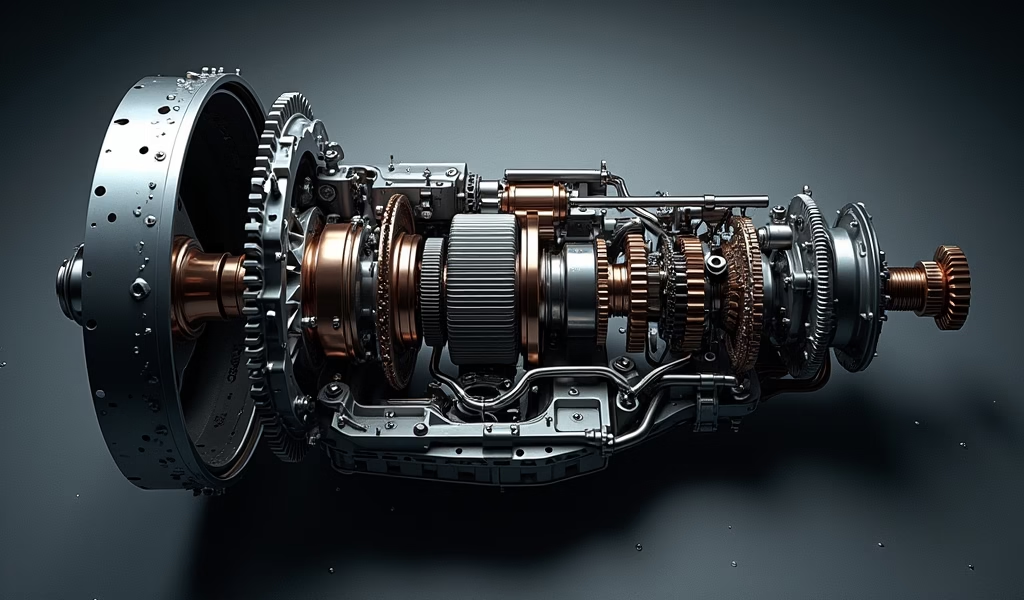
The way you drive your Chrysler 300 has a huge impact on transmission longevity. Here are some habits that help protect your investment:
Allow your vehicle to warm up before demanding hard acceleration, especially in cold weather. Transmission fluid needs to reach proper operating temperature (usually after about 5-10 minutes of driving) to provide adequate lubrication and hydraulic pressure.
Come to a complete stop before shifting between Drive and Reverse. Shifting while the car is still rolling places excessive stress on clutches and bands.
Avoid “power braking” – the practice of holding the brake while pressing the gas to build engine power before release. This generates extreme heat in your transmission fluid and strains the torque converter.
Use your parking brake on inclines rather than relying solely on the transmission’s parking pawl. This small metal component isn’t designed to hold your vehicle’s entire weight repeatedly on steep hills.
When stopping for more than 30 seconds (like at long traffic lights), consider shifting to Neutral. This reduces the load on your transmission’s clutches and minimizes fluid temperature rise.
If you tow with your Chrysler 300, invest in proper equipment like transmission coolers and follow the manufacturer’s guidelines for maximum tow ratings. The extra strain from towing dramatically increases transmission operating temperatures.
Finally, respect the break-in period if you’ve had transmission work done. Drive gently for the first 500 miles after a rebuild or replacement to allow components to properly seat and wear patterns to establish.
When to Repair vs. Replace
When facing transmission troubles with your Chrysler 300, you’ll eventually need to decide whether to repair or replace. Here’s how I guide my customers through this decision:
Minor issues like individual solenoid failures, external sensors, or fluid leaks are almost always worth repairing regardless of vehicle age. These targeted repairs typically cost $300-800 and can add years of service life.
For more significant internal problems, consider your vehicle’s overall condition and your long-term plans. If your Chrysler 300 is in excellent shape with under 120,000 miles and you plan to keep it for years, a quality rebuild or remanufactured transmission makes sense.
The cost breakdown looks like this: Rebuilds typically run $2,200-3,200 installed. Remanufactured units cost $2,800-3,600 installed. New factory transmissions will set you back $3,500-4,500 installed. Each option has pros and cons beyond just price.
Rebuilding your existing transmission allows addressing the specific issues in your unit. A skilled rebuilder can focus on known problem areas while preserving components still in good condition. The downside? Quality varies tremendously based on the rebuilder’s expertise.
Remanufactured transmissions offer consistency and typically include design improvements that address common failure points. They usually come with 2-3 year warranties and represent a good middle ground between price and reliability.
New factory transmissions provide maximum peace of mind with the latest engineering updates and typically the longest warranty coverage. For newer, low-mileage vehicles you plan to keep long-term, this option makes the most sense.
If your Chrysler 300 has multiple systems requiring expensive repairs, or already has very high mileage (150,000+), you might be better off putting that transmission money toward a newer vehicle instead.
Finding the Right Mechanic
Not all shops are created equal when it comes to transmission work. Here’s how to find someone who’ll treat your Chrysler 300 right:
Look for specialists, not generalists. Transmission repair is a specialized field, and shops that focus exclusively on transmissions typically have more experience, better equipment, and more expertise with specific models like the Chrysler 300.
Check online reviews, but look specifically for mentions of Chrysler or Dodge transmission work. A shop might have great ratings overall but limited experience with your specific transmission type.
Ask about warranties. Quality transmission shops stand behind their work with solid warranties – typically 12-36 months for rebuilds and 24-36 months for remanufactured units. Shops offering very limited warranties (or none at all) should raise red flags.
Request to see the facility. A clean, organized shop with modern diagnostic equipment suggests attention to detail and professionalism. Don’t be afraid to ask to see their work area – reputable shops are usually proud to show off their facilities.
Inquire about their rebuild process. Do they replace all clutches and seals, or just the visibly worn ones? Do they pressure test the valve body? Are solenoids tested individually or automatically replaced? The answers reveal their thoroughness.
Consider using our mechanic recommendation service to find pre-screened transmission specialists in your area with proven track records working on Chrysler vehicles.
Beware of quotes significantly lower than others – proper transmission work requires quality parts and substantial labor. Unusually low quotes often indicate corners being cut that will lead to premature failure.
Finally, trust your gut. A mechanic who takes time to explain issues, answers questions patiently, and doesn’t pressure you is more likely to provide honest service. Good transmission shops educate rather than intimidate.
Conclusion
Your Chrysler 300’s transmission doesn’t have to be a ticking financial time bomb. With proactive maintenance, attentive driving, and prompt attention to minor issues, you can dramatically extend its service life and avoid that dreaded $4,000+ replacement bill.
Remember that the most expensive transmission repair is the one you could have prevented with basic maintenance. Regular fluid services, addressing minor issues promptly, and driving habits that minimize stress on your transmission all pay significant dividends in longevity.
If you do face transmission problems, take time to research your options thoroughly. The cheapest repair isn’t always the most economical in the long run, and quality work from specialists typically provides better value than bargain fixes that need to be redone.
Consider joining Chrysler 300 owner forums where you can learn from others’ experiences and get model-specific advice. These communities often identify common issues and solutions before they become widely known.
Finally, remember that maintaining your transmission is protecting your investment. A well-maintained Chrysler 300 can easily provide 200,000+ miles of service, with its transmission lasting the vehicle’s lifetime with proper care. By understanding your transmission, recognizing warning signs, and implementing preventative maintenance, you’re setting yourself up for thousands of miles of trouble-free driving.
When you need replacement parts for your transmission service, make sure to source them from reputable suppliers who specialize in Chrysler components to ensure proper fit and function.
Frequently Asked Questions
How long should a Chrysler 300 transmission last?
With proper maintenance, you can expect 150,000-200,000 miles from the 8-speed ZF transmission and 100,000-150,000 miles from the 5-speed NAG1. Regular fluid changes can extend these estimates significantly.
Is it worth fixing the transmission in an older Chrysler 300?
For vehicles under 150,000 miles that are otherwise in good condition, transmission repair is typically worthwhile. Consider the vehicle’s overall condition and market value against the repair cost.
How much does it cost to replace a Chrysler 300 transmission?
Expect to pay $2,200-3,200 for a rebuild, $2,800-3,600 for a remanufactured unit, or $3,500-4,500 for a new transmission. These prices include labor and vary by location and model year.
Can I drive with a slipping transmission?
While you might be able to drive short distances, continuing to drive with a slipping transmission will cause additional damage and potentially lead to complete failure. It’s also dangerous if the transmission unpredictably loses power during critical driving maneuvers.
Does Chrysler 300 have transmission problems?
Certain model years (particularly 2006-2008) have higher rates of transmission issues than others. The 2014-2017 models have shown better-than-average reliability for their transmissions.