

Overview
Like a luxury pillow that occasionally deflates, the Genesis G90’s sophisticated air suspension system delivers cloud-like comfort but requires vigilant maintenance to avoid catastrophic failures costing upwards of $4,000. Understanding warning signs such as uneven ride height and unusual noises, performing regular inspections, and investing in quality repairs can dramatically extend the system’s lifespan, saving both your driving experience and wallet from a painful crash landing.
Table of Contents
- Understanding Genesis G90 Air Suspension
- How the Air Suspension System Works
- Common Air Suspension Problems
- Warning Signs to Watch For
- Maintenance Tips to Extend Lifespan
- Repair Options and Costs
- DIY vs. Professional Repairs
- Protecting Your Investment
- Conclusion
- Frequently Asked Questions
Understanding Genesis G90 Air Suspension
The Genesis G90 comes equipped with an advanced air suspension system that delivers that cloud-like, floating sensation luxury car owners crave. Unlike traditional coil spring setups, air suspension uses pressurized air contained in flexible bellows to support your vehicle’s weight. It’s a sophisticated system that allows your G90 to glide over imperfections while maintaining precise handling characteristics.
When functioning properly, this system automatically adjusts ride height based on road conditions, vehicle speed, and passenger load. It’s one of the features that makes your G90 feel special — but when it fails, the experience can quickly turn from luxurious to nightmarish. A malfunctioning air suspension doesn’t just affect comfort; it impacts safety, handling, and your wallet in a significant way.
Most G90 owners don’t think about their suspension until something goes wrong. By then, what could have been a minor fix has often cascaded into a multi-thousand dollar repair. I’ve seen owners face bills exceeding $4,000 for complete system replacements that might have been prevented with earlier intervention and proper maintenance.
How the Air Suspension System Works

Your Genesis G90’s air suspension isn’t just a single component but an integrated network of sophisticated parts working together. At its heart lies the air compressor that connects to the system’s brain — the control module. This electronic control unit processes data from height sensors at each corner of your vehicle and determines how much pressure each air spring needs.
When you start your G90, the system performs a quick self-check. The compressor activates, pressurizing the air springs to bring the vehicle to its proper ride height. As you drive, height sensors continuously monitor the position of each wheel relative to the body, making micro-adjustments to maintain optimal stance.
The air struts themselves are engineering marvels. Each one contains a flexible air bladder that expands and contracts based on the amount of air pressure supplied by the compressor. Integrated dampers control the movement of the suspension, preventing excessive bouncing while absorbing impacts.
The system also includes air lines (those small tubes running throughout the undercarriage), a dryer to remove moisture from the air (moisture is the enemy of any pneumatic system), and various valves that direct air flow. It’s complex, but this complexity is what enables your G90 to adjust ride characteristics on the fly — firming up during spirited driving or softening for maximum comfort on rough roads.
Common Air Suspension Problems
After working on hundreds of luxury vehicles with air suspension systems, I’ve seen patterns emerge in how they tend to fail. The Genesis G90 is generally reliable, but its air suspension components have predictable wear points you should understand.
Air leaks are by far the most common issue. The rubber air springs naturally degrade over time due to heat, ozone exposure, and flexing during normal operation. Tiny cracks form, allowing air to escape gradually. You’ll notice this as a vehicle that sits level when parked but slowly sinks overnight.
Compressor failure is another frequent culprit. This workhorse component operates under significant stress, especially if there are leaks elsewhere in the system. The compressor contains both mechanical and electrical components, either of which can fail. Overheating from continuous operation is a leading cause of premature compressor death.
Height sensors are exposed to road debris, moisture, and temperature extremes. Their delicate internal components can become corrupted, sending inaccurate information to the control module. This leads to improper ride height adjustments — sometimes with the vehicle sitting too high or too low on one corner.
Control module issues are less common but more difficult to diagnose. Electrical gremlins can cause intermittent problems that frustrate both owners and mechanics. Modern diagnostic equipment is essential for properly identifying these electronic faults.
Air line failures typically occur at connection points or where lines rub against other components. A small leak can quickly become a major headache as it forces other components to work harder, creating a cascade of failures throughout the system.
Warning Signs to Watch For
Your G90 will usually give you several warning signs before experiencing a catastrophic suspension failure. Catching these early can save you thousands in repair costs.
The most obvious sign is uneven ride height. If your G90 appears to be sagging in one corner or sitting noticeably lower after being parked overnight, you likely have an air leak. Don’t ignore this symptom — it won’t fix itself, and continuing to drive with an uneven suspension puts additional stress on other components.
Listen for unusual suspension noises. A healthy air suspension operates silently. Hissing sounds indicate an air leak, while grinding or whining often points to a struggling compressor. Knocking or clunking noises when going over bumps suggest worn components or loose connections.
Pay attention to dashboard warning lights. The G90 monitors its suspension system and will illuminate a warning light when it detects problems. Some owners ignore these warnings because the vehicle still drives normally, but this is a critical mistake. By the time you notice ride quality issues, the damage is usually extensive.
Excessive compressor running time is another red flag. Your compressor should run briefly after startup and occasionally while driving. If you hear it running constantly or cycling on and off repeatedly while parked, it’s fighting against a leak somewhere in the system.
Changes in handling characteristics — such as excessive body roll in corners, nose-diving during braking, or a generally floaty feeling — suggest the system isn’t maintaining proper pressure. You might also notice the vehicle taking longer to level itself when loaded with passengers or cargo.
Maintenance Tips to Extend Lifespan
Preventative maintenance is your best defense against costly air suspension failures. A few simple practices can significantly extend your system’s lifespan.
First, keep your G90 clean underneath. Road salt, mud, and debris can accelerate corrosion of metal components and abrasion of air lines. A thorough underbody wash several times a year — especially after winter driving — can prevent premature deterioration.
Monitor your vehicle’s ride height regularly. Park on a level surface and visually check that all four corners sit at approximately the same height. A slight difference might be normal, but significant variances indicate developing problems.
Have your system inspected during routine maintenance visits. A qualified technician should examine air springs for cracks, check compressor operation, and scan for error codes. This only adds about 15-20 minutes to a standard service but can catch issues before they become expensive repairs.
- Avoid prolonged periods of disuse. Air suspension components benefit from regular operation that keeps seals lubricated and mechanisms exercised.
- Be gentle with your suspension when possible. Avoid harsh impacts with potholes or speed bumps.
- Consider replacing components in pairs. If one front air spring fails, the other isn’t far behind.
- Use only high-quality replacement parts from reputable suppliers.
If you live in an area with extreme temperature swings, be aware that your system may need additional attention. Extreme cold can make rubber components more brittle, while high heat accelerates deterioration. Regular inspections become even more important in these environments.
Repair Options and Costs
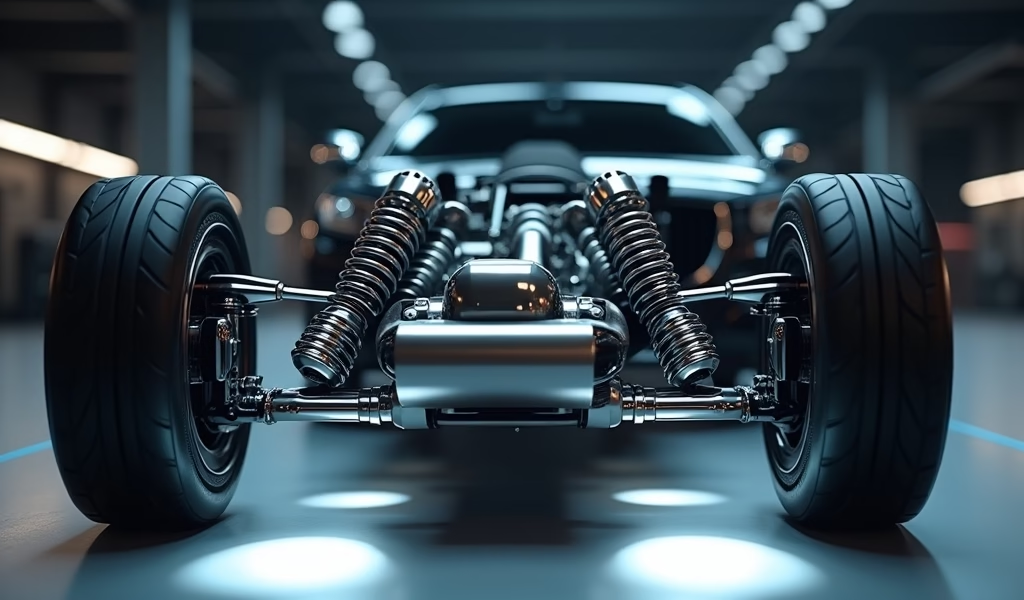
When your G90’s air suspension needs repair, you’ll face several options with varying costs and benefits. Understanding these choices helps you make informed decisions rather than panicked ones.
Factory replacement parts installed at a Genesis dealership represent the highest quality option but also the most expensive. Expect to pay $800-1,200 per air strut, $900-1,200 for a new compressor, and $200-300 for each height sensor. Labor adds another $120-180 per hour, with most complete system replacements requiring 6-8 hours of work.
High-quality aftermarket parts from respected manufacturers can reduce costs by 30-40% while maintaining about 90% of OEM performance. Companies like Arnott and Strutmasters specialize in air suspension components that meet or exceed original specifications at lower price points.
Some shops offer rebuilt components, particularly for compressors and control modules. These can save you money, but quality varies widely. If going this route, choose a shop with a solid warranty and positive reviews specifically for air suspension work.
For older G90s (7+ years), conversion kits that replace the air suspension with traditional coil springs are worth considering. Priced between $700-1,000 plus installation, these eliminate the complexity and potential for air system failures. The trade-off is a ride that, while comfortable, lacks the adaptive capabilities of the original system.
Whatever option you choose, avoid the temptation to repair just one component when multiple parts show wear. I’ve seen countless customers return weeks later needing more extensive repairs because they tried to save money initially. With integrated systems like air suspension, component failures often cascade — fixing everything at once is usually more economical in the long run.
DIY vs. Professional Repairs
As someone who’s been elbow-deep in luxury car suspensions for decades, I have to be straight with you: air suspension work is typically not DIY-friendly, especially on sophisticated vehicles like the Genesis G90.
That said, some maintenance and minor troubleshooting tasks are within reach of mechanically inclined owners. Visual inspections for leaks, cleaning exposed components, and listening for abnormal compressor operation are all valuable owner checks.
For actual repairs, you’ll need specialized tools including air suspension diagnostic equipment, calibration tools, and proper spring compressors. Without these, you risk personal injury and further vehicle damage. The system operates under significant pressure (up to 150 PSI), creating hazards for the uninitiated.
If you decide professional repair is the way to go (and for most owners, it is), finding the right shop is crucial. Dealerships have the proper equipment and training but charge premium rates. Independent shops can offer value, but make sure they have specific experience with Genesis air suspension systems.
When selecting a shop, ask pointed questions about their experience with G90 suspensions specifically. Request to see examples of previous work and inquire about their warranty coverage. A reputable mechanic will recommend a comprehensive solution rather than a quick fix.
If you’re determined to tackle some work yourself, invest in a quality OBD-II scanner with air suspension capabilities. This allows you to read error codes and perform basic diagnostics before deciding whether to proceed or call for professional help.
Protecting Your Investment
Your Genesis G90 represents a significant investment, and protecting its sophisticated air suspension system requires a proactive approach. Beyond basic maintenance, consider these strategies to maximize reliability and minimize expenses.
First, consider an extended warranty if your G90 is still relatively new. Factory extended coverage or quality third-party warranties can provide peace of mind, especially for air suspension components that typically fail after the standard warranty expires. Read the fine print carefully — some extended warranties exclude or limit coverage for suspension components.
Create a suspension fund as part of your car ownership budget. Setting aside $50-75 monthly means you’ll have resources available when repairs become necessary. This prevents the financial shock of unexpected four-figure repair bills.
Keep detailed service records documenting all inspections and maintenance. These records not only help track the system’s health but can prove valuable when seeking warranty coverage or selling your vehicle. They demonstrate your commitment to proper care.
When replacing parts, seek out a reputable parts supplier to contact for quality components. The market is flooded with inferior air suspension parts that may fit but fail prematurely. Saving $100 on a cheap air spring that fails in 12 months instead of 5-7 years is no bargain.
Consider preventative replacement of key components approaching their typical lifespan. For the G90, this often means addressing the compressor and front air springs at around 70,000-80,000 miles, even if they’re still functioning. The labor costs for accessing these components represents the majority of repair expense, so replacing them while they’re already exposed makes financial sense.
Conclusion
Your Genesis G90’s air suspension is an engineering marvel that contributes significantly to the luxury experience this flagship sedan delivers. While more complex than traditional suspension systems, understanding its operation, recognizing warning signs, and committing to proper maintenance can help you avoid the shock of catastrophic failures and thousand-dollar repair bills.
Remember that air suspension issues rarely improve on their own. That slight sag you notice today could become a disabled vehicle tomorrow. Early intervention is always less expensive than emergency repair.
Whether you choose dealer service, independent shops with Genesis expertise, or tackle basic maintenance yourself, the key is consistency. Regular inspections, prompt attention to minor issues, and quality replacement parts when needed will keep your G90 floating down the road with the dignity and comfort befitting a luxury flagship.
The luxury car ownership experience should be about enjoyment, not anxiety over potential failures. With the knowledge you’ve gained from this guide, you’re well-equipped to maintain your G90’s sophisticated suspension system and protect both your investment and your driving experience for years to come.
Frequently Asked Questions
How long does a Genesis G90 air suspension typically last?
With proper maintenance, most G90 air suspension components last 60,000-80,000 miles. Environmental factors, driving habits, and maintenance frequency can significantly impact this lifespan.
What causes the air suspension warning light to come on?
The warning light activates when the system detects abnormal pressure, height sensor irregularities, or compressor issues. It’s the vehicle’s way of alerting you to have the system diagnosed before more serious problems develop.
Can I still drive my G90 if the air suspension is failing?
Limited driving with a failing air suspension is possible but not recommended. Continued operation with compromised components causes accelerated wear to other parts and potentially unsafe handling characteristics.
Is it worth converting to conventional springs?
For G90s beyond 7-8 years old, conversion can be cost-effective if facing complete air system replacement. You’ll lose the adaptive capabilities but gain long-term reliability and lower ongoing maintenance costs.
Will aftermarket parts void my warranty?
Quality aftermarket parts won’t automatically void your warranty under the Magnuson-Moss Warranty Act. However, if an aftermarket part causes damage, the manufacturer can deny warranty coverage for the affected components.