
Overview
Navigating the charging quirks of your Volvo C40 doesn’t have to feel like decoding ancient hieroglyphics, as this guide walks you through common issues from slow charging to complete failures while providing practical troubleshooting steps. From simple resets and proper charging habits to knowing when professional help is needed, these expert insights can save you thousands in repairs while ensuring your electric Volvo stays reliably powered for all your adventures.
Table of Contents
- Understanding Volvo C40 Charging
- Common Charging Problems
- Diagnosing Charging Issues
- Preventing Charging Problems
- Troubleshooting Steps
- When to Seek Professional Help
- Cost-Saving Tips
- Conclusion
- Frequently Asked Questions
Understanding Volvo C40 Charging
The Volvo C40 Recharge is a fantastic electric vehicle, but like any complex piece of technology, it can experience charging issues. As someone who’s spent years working with electric vehicles, I can tell you that understanding how your C40’s charging system works is the first step in preventing costly problems.
Your Volvo C40 uses a sophisticated charging system built around a 78kWh lithium-ion battery pack. This powerhouse is designed to provide approximately 260 miles of range on a full charge, though real-world numbers vary based on your driving style and conditions.
The charging process isn’t as simple as plugging in your phone. When you connect your C40 to a power source, multiple systems spring into action. The Battery Management System (BMS) monitors temperature, state of charge, and overall battery health. Meanwhile, the onboard charger converts incoming AC power from your wall charger to DC power that your battery can store.
Most C40 owners charge at home using Level 2 chargers (240V), which typically deliver a full charge in about 8 hours. When you’re on the road, DC fast chargers can take you from 10% to 80% in approximately 40 minutes. These charging speeds assume everything is working correctly – which, unfortunately, isn’t always the case.
Like other electric cars that don’t use oil for lubrication, the C40 relies entirely on its electrical systems for power delivery. This makes proper maintenance of charging components particularly important.
Common Charging Problems
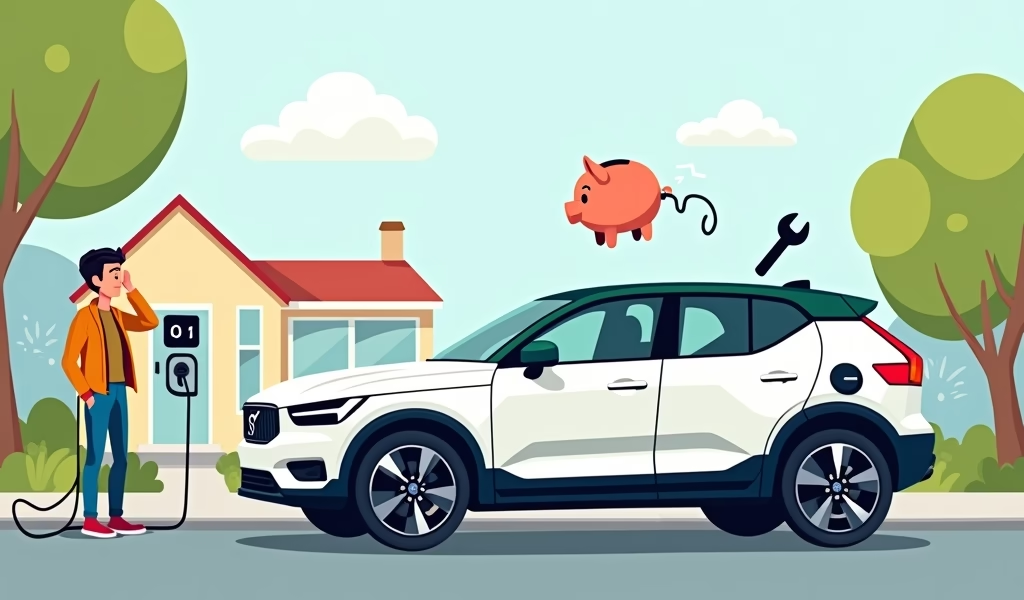
After working with hundreds of Volvo EVs, I’ve seen patterns emerge in the charging issues that plague C40 owners. Let’s break down the most common problems you might encounter:
Slow Charging
One of the most frequent complaints I hear is about unexpectedly slow charging speeds. You plug in your C40 expecting a full charge by morning, only to wake up to a half-charged battery. This issue typically stems from several possible causes:
- Software glitches affecting the charging management system
- Reduced power delivery from your home charging setup
- Battery conditioning issues, especially in cold weather
- Degraded charging components creating resistance
Charging Failure
More concerning is a complete failure to charge. You connect the cable, but nothing happens – no charging indicator, no acknowledgment from the vehicle. This frustrating situation often points to:
- Damaged charging port contacts
- Faulty charging equipment (either the cable or wall unit)
- Onboard charger malfunction
- BMS safety lockouts protecting the battery
Intermittent Charging
Perhaps the most maddening issue is intermittent charging, where your C40 starts charging normally but randomly disconnects throughout the session. These inconsistent problems are frequently caused by:
- Loose connections between the charging cable and port
- Communication errors between the car and charging station
- Unstable power supply from your home electrical system
- Weather-related issues affecting outdoor charging equipment
According to a J.D. Power study, charging problems account for significant dissatisfaction among EV owners. Understanding these common issues helps you recognize warning signs early, potentially saving thousands in repair costs.
Diagnosing Charging Issues
Before you can fix a charging problem, you need to properly identify it. Let’s go through the diagnostic process I use when a Volvo C40 comes into my shop with charging complaints.
Check for Error Messages
Your C40’s dashboard and center display are your first diagnostic tools. Look for specific error codes or messages like “Charging System Service Required” or “Reduced Charging Performance.” These indicators help narrow down the culprit.
The Volvo Cars app also stores charging history and error events, even if they’ve disappeared from your dashboard. This data can reveal patterns that point to specific components or conditions triggering the problem.
Inspect Physical Components
Next, examine the charging hardware. Check the charging port for obvious damage, bent pins, or debris. Inspect your charging cable for cuts, kinks, or connector damage. These visual inspections often reveal the source of charging problems.
Don’t forget to check your home charging station too. Look for status lights indicating proper operation and inspect the connection where it plugs into your C40. Sometimes the issue isn’t with the car at all, but with the power supply.
Monitor Performance Patterns
Tracking when problems occur can provide valuable clues:
- Do issues only happen at public chargers, or at home too?
- Are problems more frequent in certain weather conditions?
- Does charging fail immediately or after a period of normal operation?
- Has charging performance gradually declined or suddenly failed?
The answers to these questions help distinguish between software issues, hardware failures, and external factors affecting your charging experience.
Preventing Charging Problems
An ounce of prevention is worth a pound of cure – especially when it comes to your C40’s charging system. Here are the preventative maintenance steps I recommend to every Volvo EV owner:
Regular Inspection Routine
Set a monthly reminder to check your charging equipment. Look for physical damage, loose connections, or signs of wear on both the vehicle’s charging port and your charging cable. Pay special attention to the cable’s connectors – they take the most abuse during daily use.
Keep your charging port clean and protected. Use compressed air to gently remove dust and debris, but never insert cleaning tools into the port itself. For outdoor charging, consider a port cover to prevent moisture and contaminants from entering.
Software Updates
Volvo regularly releases software updates that improve charging efficiency and fix known issues. Make checking for these updates part of your routine maintenance. You can usually install them through your center display or at your dealer during service visits.
Recent updates have specifically addressed charging optimization in different temperature conditions, which can significantly improve your experience during winter months when many EVs struggle with reduced charging speeds.
Smart Charging Habits
How you charge matters as much as when you charge. Follow these best practices:
- Keep your battery between 20-80% for daily use (only charge to 100% before long trips)
- Use scheduled charging to finish just before departure
- Avoid frequent DC fast charging when possible
- In cold weather, pre-condition the battery while still plugged in
- Use high-quality charging equipment approved for your vehicle
Proper electrical connector wiring for your home charging station is crucial. Having a certified electrician install your charging equipment ensures it meets the power requirements of your C40 without stressing your home’s electrical system.
Troubleshooting Steps
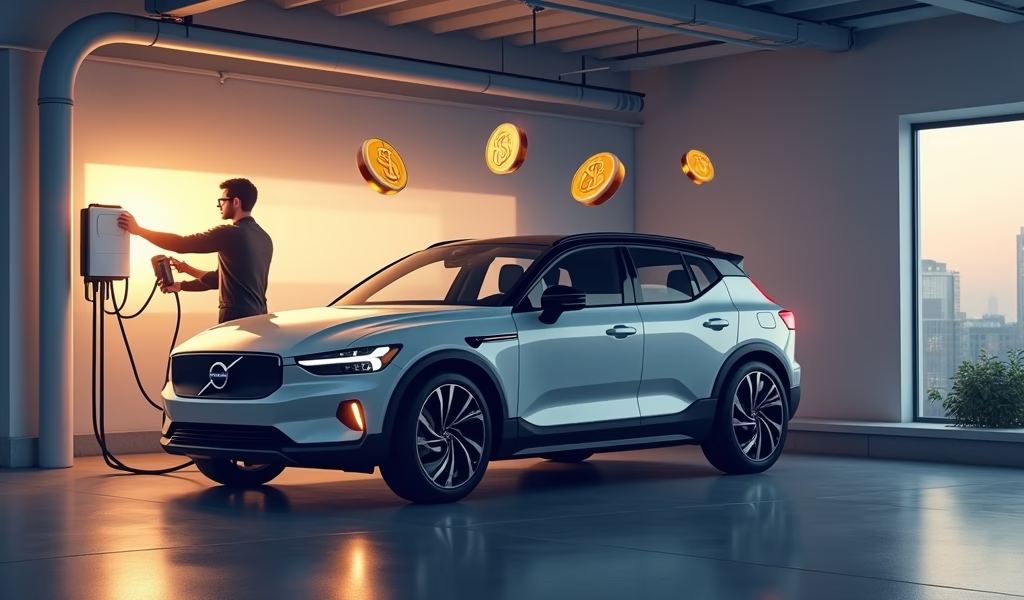
When charging problems do arise, don’t panic. Try these step-by-step troubleshooting techniques that I’ve used successfully with hundreds of Volvo EV owners:
Basic Reset Procedure
Many charging issues stem from temporary software glitches that a simple reset can fix. Here’s my go-to reset procedure:
- Disconnect the charging cable
- Lock the vehicle and walk away with the key for 2-3 minutes
- Return and try charging again
- If unsuccessful, hold the start button down for 15 seconds for a complete vehicle reset
This reset sequence often resolves communication errors between your C40’s charging system and its central computers. Think of it as rebooting your smartphone when an app freezes – sometimes the simplest solution works best.
Try Different Charging Equipment
If resetting doesn’t help, the issue might be with your charging equipment rather than the vehicle. Try these alternatives:
- Use your portable emergency charger (Level 1) if you normally use a wall-mounted unit
- Try a different public charging station from another network
- Borrow a charging cable from another EV owner (if connector types match)
If your C40 charges normally with different equipment, you’ve identified the culprit. If problems persist across multiple charging options, the issue likely lies within the vehicle itself.
Check Home Electrical System
For home charging issues, verify that your electrical system is functioning properly:
- Check the circuit breaker for your charging station
- Verify that other high-draw appliances aren’t running on the same circuit
- Consider having an electrician check voltage levels at your charging point
- Look for signs of electrical problems like flickering lights when charging begins
In some cases, a portable battery pack can be useful for testing whether your home power supply is causing charging inconsistencies. These devices can provide stable power for diagnostic purposes.
When to Seek Professional Help
While many charging issues can be resolved through DIY troubleshooting, some problems require professional attention. Here are the red flags that tell me a C40 needs expert diagnosis:
Warning Signs That Require Immediate Attention
Don’t attempt DIY repairs if you notice any of these serious symptoms:
- Burning smells coming from the charging port or equipment
- Visible damage to internal charging port components
- Charging port or cable becoming extremely hot during charging
- Multiple vehicle systems showing errors simultaneously
- Battery range suddenly decreasing by more than 20%
These issues could indicate electrical problems that pose safety risks. The high-voltage systems in your C40 operate at over 400 volts – enough to cause serious injury or worse if mishandled.
Finding Qualified Help
Not all mechanics are qualified to work on EV charging systems. When seeking professional assistance:
- Start with Volvo dealerships with certified EV technicians
- Consider independent shops with specific EV certifications
- Ask local EV clubs for recommendations of experienced technicians
- Check online forums for shops with positive reviews from other C40 owners
According to Consumer Reports, EVs typically require less maintenance than gas vehicles, but when they do need service, it’s important to find technicians with specific training in high-voltage systems.
Cost-Saving Tips
Let’s talk money. Charging system repairs can be expensive, but there are ways to minimize costs while maintaining your C40 properly:
Warranty Coverage
Volvo provides an 8-year/100,000-mile warranty specifically for the C40’s battery and charging components. Before paying for repairs, check if your issue is covered. Even if you’re slightly outside the warranty period, Volvo sometimes offers goodwill coverage for known issues.
Keep detailed records of charging problems, including dates, error messages, and conditions when issues occur. This documentation strengthens your warranty claim if problems develop.
DIY vs. Professional Repairs
Some maintenance can be safely performed yourself:
- Cleaning charging port exteriors
- Software updates through the infotainment system
- Basic inspection of cables and connectors
- Resetting vehicle systems after minor glitches
However, never attempt repairs involving high-voltage components, internal charging port elements, or battery systems. The cost of professional service is far less than the potential consequences of DIY mistakes with high-voltage systems.
Preventative Economics
The most cost-effective approach is preventing problems before they develop:
- Regular software updates (free but often overlooked)
- Protective covers for charging equipment ($20-50)
- Annual inspection by qualified technicians ($100-150)
- Quality charging cables from reputable manufacturers ($200-300)
These investments pale in comparison to major repairs like replacing the onboard charger ($1,800-2,500) or a complete charging port assembly ($600-1,200).
Conclusion
Volvo C40 charging problems can range from minor inconveniences to serious issues requiring professional intervention. By understanding your vehicle’s charging system, recognizing warning signs early, and following proper maintenance procedures, you can avoid most common problems before they develop into expensive repairs.
Remember that prevention is always cheaper than repair. Regular inspection of charging equipment, proper charging habits, and staying current with software updates will keep your C40 running reliably for years to come. When problems do arise, start with simple troubleshooting steps before seeking professional help.
The electrical systems in your Volvo C40 are sophisticated but not mysterious. With the knowledge shared in this guide, you’re well-equipped to handle minor charging issues and know when to call in the experts. This balanced approach will save you money, prevent breakdowns, and ensure you enjoy all the benefits of electric driving without the headaches of charging problems.
Frequently Asked Questions
Why does my Volvo C40 charge slower in winter?
Cold temperatures reduce the battery’s ability to accept charge quickly. The car must use power to warm the battery before charging can proceed at normal speeds.
Can using third-party chargers damage my C40’s battery?
Certified third-party chargers (J1772/CCS) are designed to be compatible with your C40. Stick to reputable charging networks to minimize risk.
How often should I update my C40’s software?
Check for updates monthly or whenever Volvo sends a notification. Regular updates improve charging efficiency and fix known issues.
Is it normal for the charging cable to feel warm?
Slight warmth is normal, especially during fast charging. If the cable becomes too hot to touch, disconnect immediately and seek professional help.
What’s the best charging routine for battery longevity?
Keep your battery between 20-80% for daily use, only charging to 100% before long trips. Avoid frequent DC fast charging when possible.