
Overview
While your Jeep Grand Wagoneer’s air suspension delivers that cloud-like luxury ride you love, it’s also a complex system prone to expensive repairs ranging from $1,500-$4,000 when components like air springs, compressors, or control modules inevitably fail. Understanding the warning signs (uneven stance, excessive compressor noise, dashboard warnings), performing regular maintenance, and deciding between DIY fixes, professional repairs, or conversion to conventional springs can help you maintain your vehicle’s performance while avoiding financial surprises down the road.
Table of Contents
- Understanding Air Suspension in Your Jeep Grand Wagoneer
- How Air Suspension Works in the Grand Wagoneer
- Warning Signs of Air Suspension Problems
- Common Air Suspension Failures and Their Causes
- Repair Costs: What to Expect
- Preventative Maintenance to Extend System Life
- DIY vs. Professional Repairs: What You Can Handle
- Conversion Options: Is Traditional Suspension Right for You?
- Conclusion
- Frequently Asked Questions
Understanding Air Suspension in Your Jeep Grand Wagoneer
If you’ve invested in a Jeep Grand Wagoneer, you’re driving one of the most luxurious SUVs on the market. That cloud-like ride you enjoy comes courtesy of the vehicle’s sophisticated air suspension system – a marvel of engineering that replaces traditional metal springs with air-filled components.
While this system delivers an exceptionally comfortable ride, enhanced towing capacity, and adjustable ground clearance, it also introduces complexity that can lead to costly repairs down the road. The average air suspension repair on a Grand Wagoneer can run between $1,500 and $4,000 depending on what components need replacing.
I’ve been working on these systems for over 15 years, and I can tell you they’re incredible when working properly – but they require understanding and maintenance to avoid those eye-watering repair bills.
How Air Suspension Works in the Grand Wagoneer

Let’s break down what makes your Grand Wagoneer’s ride so special. The air suspension system consists of four main components working together to keep your ride smooth and level:
- Air springs (sometimes called air bags) at each wheel
- An electric air compressor and reservoir system
- Height sensors that monitor vehicle position
- A control module that manages the entire system
When you start your Wagoneer, the system performs a self-check. The compressor pumps air through a network of lines to inflate the air springs to the appropriate height. As you drive, height sensors continuously monitor the position of each wheel relative to the body, sending signals to the control module.
If you hit a bump, load up the back with luggage, or add passengers, the system detects the change in height and adjusts accordingly. The compressor kicks in to add air where needed or releases air through solenoid valves when necessary.
This constant adjustment is what gives your Grand Wagoneer that magic carpet ride that makes highway cruising feel like floating on air. It also enables the vehicle’s adjustable ride height settings, letting you raise the suspension for off-road adventures or lower it for highway efficiency and easier entry/exit.
According to J.D. Power’s analysis of luxury SUVs, this adaptive air suspension is one of the top features that distinguishes premium vehicles in the segment.
Warning Signs of Air Suspension Problems
Your Grand Wagoneer will usually give you plenty of warning before a catastrophic air suspension failure. Catching these signs early can save you thousands in repair costs. Here’s what to watch for:
Uneven Vehicle Stance
The most obvious sign is when your vehicle sits noticeably lower on one corner or side. This usually indicates a leaking air spring or line. You might notice this especially after the vehicle sits overnight – the affected corner will gradually sink as air escapes.
Compressor Running Excessively
A healthy system’s compressor should run briefly and occasionally. If you hear the compressor running for extended periods (more than a minute) or cycling on and off repeatedly, it’s likely working overtime to compensate for a leak.
Over time, this overwork can burn out the compressor – one of the most expensive components to replace. Listen for unusual noises from the compressor as well; grinding or straining sounds often precede complete failure.
Dashboard Warning Lights
The Grand Wagoneer’s sophisticated electronics will usually alert you to suspension issues. Messages like “Service Air Suspension” or “Suspension System Failure” on the dash display are clear indicators something’s wrong.
Degraded Ride Quality
If your once-smooth ride suddenly feels bouncy, stiff, or you’re bottoming out over bumps, your suspension isn’t maintaining proper pressure. This change in ride quality is often subtle at first but becomes increasingly noticeable.
Sometimes the system will compensate well enough that the vehicle appears level, but the ride quality tells a different story. Trust your seat-of-the-pants feeling – you know how your Wagoneer should feel.
Common Air Suspension Failures and Their Causes
After diagnosing hundreds of air suspension issues, I’ve found these failure points are most common in the Grand Wagoneer:
Air Spring Leaks
The most common failure point is the air springs themselves. These rubber components are constantly flexing and exposed to road debris, weather extremes, and ozone, which gradually degrades the material. Small pinhole leaks develop, often around seams or where the rubber connects to metal components.
Unfortunately, air springs can’t be effectively patched or repaired – they must be replaced when they fail. Typical lifespan is 60,000-100,000 miles, though this varies widely based on climate and driving conditions.
Compressor Failure
The air compressor is the workhorse of the system. Like any motor that runs under load, it eventually wears out. What hastens its demise is running continuously to compensate for leaks elsewhere in the system.
Compressor failure often cascades from minor issues left unrepaired. That small leak in an air line forces the compressor to run more frequently until it eventually overheats and fails.
Air Line Issues
The Grand Wagoneer uses a network of rubber and plastic air lines to connect components. These can develop leaks at connection points or crack due to age, especially in cold climates. Road salt and debris can also damage these lines.
The good news is that air line repairs are typically the least expensive fix, often running $200-500 including labor.
Control Module Problems
The electronic brain of your suspension system can occasionally develop glitches or fail. Sometimes a simple module reset will solve the problem, while other cases require replacement.
Modern vehicles like the Grand Wagoneer rely heavily on electronic controls, and these sophisticated components occasionally develop issues that can affect the air suspension.
Repair Costs: What to Expect
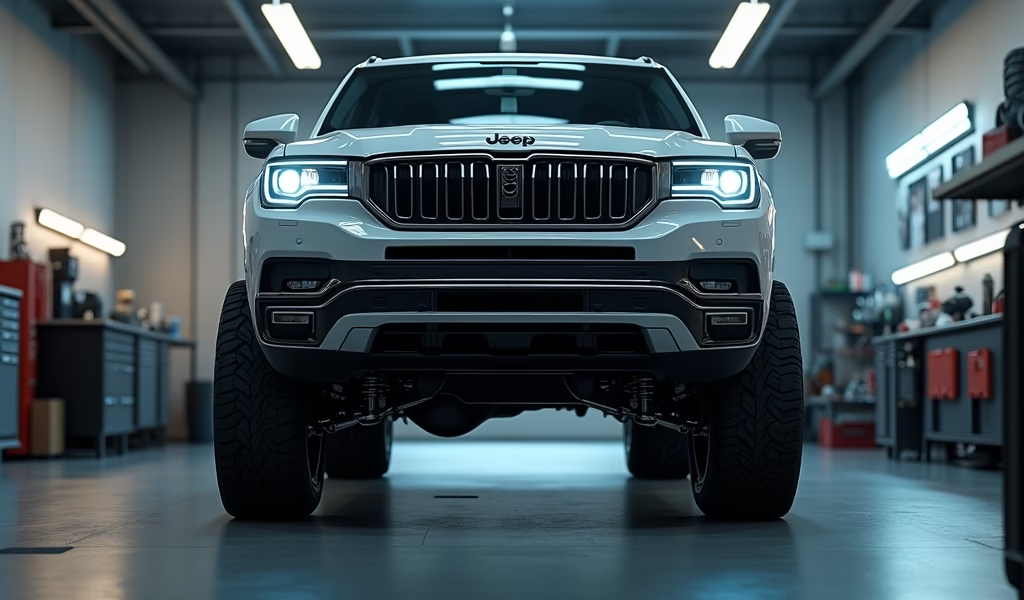
Let’s talk dollars and cents. Air suspension repairs aren’t cheap, but understanding the costs can help you budget appropriately:
Component-by-Component Breakdown
- Air spring replacement: $400-700 each (parts and labor)
- Compressor replacement: $800-1,200
- Control module: $700-1,100
- Height sensors: $200-350 each
- Air lines and fittings: $200-500 to repair multiple lines
- Complete system rebuild: $3,000-4,500
Keep in mind that dealership prices typically run 20-30% higher than independent shops. However, dealership technicians often have specialized training specifically for these systems.
If your Grand Wagoneer is still under warranty, these repairs may be covered. The factory warranty typically includes 3 years/36,000 miles of comprehensive coverage, with the powertrain warranty extending to 5 years/60,000 miles. Extended warranties may provide additional coverage.
When budgeting for repairs, consider that it’s often most cost-effective to replace pairs of components (both front air springs together, for example) even if only one has failed. This preventative approach often saves money long-term since the companion component is likely nearing the end of its life as well.
According to RepairPal’s cost estimator, suspension repairs on luxury SUVs like the Grand Wagoneer rank among the most expensive maintenance categories, averaging 15-20% higher than comparable repairs on non-air suspension vehicles.
Preventative Maintenance to Extend System Life
An ounce of prevention really is worth a pound of cure when it comes to air suspension. Here’s how to get the maximum lifespan from your system:
Regular Inspections
Every 15,000 miles, have your suspension system inspected by someone who knows what to look for. This visual inspection should check for cracking or chafing on air springs, secure line connections, and proper height sensor operation.
Many shops will perform a quick suspension check during oil changes if you ask. It only takes a few minutes for them to examine the major components.
Keep It Clean
If you take your Grand Wagoneer off-road or drive in areas where road salt is used, make sure to thoroughly rinse the undercarriage afterward. Road salt and mud accelerate corrosion of air suspension components, particularly the metal fittings and height sensors.
A clean suspension system lasts significantly longer – some off-road enthusiasts even use a light coating of silicone spray (not on rubber parts) to protect metal components.
Listen to Your Vehicle
Get familiar with how your compressor sounds during normal operation. This baseline knowledge helps you identify unusual noises that might indicate problems developing.
The compressor should run briefly after startup and occasionally while driving – excessive runtime is your early warning system for leaks.
Address Minor Issues Promptly
If you notice the vehicle sitting slightly low in the morning but correcting itself after starting, don’t ignore it. This minor symptom indicates a slow leak that’s stressing your compressor. Fixing small problems before they cascade into major failures will save you significant money.
Remember that your Grand Wagoneer has diagnostic capabilities built-in. If you have access to an OBD-II scanner, periodically check for stored codes even if no warning lights are illuminated. Sometimes the system records issues before they become severe enough to trigger dashboard warnings.
DIY vs. Professional Repairs: What You Can Handle
As a mechanic, I’m all for DIY repairs when appropriate, but air suspension work requires careful consideration:
What You Can DIY
If you’re mechanically inclined and have the right tools, these tasks are within reach:
- Basic diagnostics using an OBD-II scanner
- Visual inspection of components
- Air line repairs at connection points
- Resetting the system after minor repairs
For simple air line repairs, you’ll need specialized quick-disconnect tools that safely release the pressure-fit connections. Always ensure the system is depressurized before disconnecting any air lines.
When working underneath your Grand Wagoneer, proper jack stand placement is critical for safety. Never rely solely on a hydraulic jack to support the vehicle.
When to Call a Pro
These repairs are best left to professionals:
- Air spring replacement
- Compressor replacement
- Control module programming
- Complex electrical issues
- System-wide diagnostics
The air suspension system operates under significant pressure, making improper repairs potentially dangerous. Additionally, the system integrates with various electronic modules, requiring specialized diagnostic equipment to properly troubleshoot.
If you do attempt DIY repairs, always consult model-specific repair information rather than general guides. The Grand Wagoneer’s system has unique characteristics that differ from other Jeep models and other manufacturers’ air suspension systems.
Before starting any work, ensure you have the correct lug wrench size for your specific wheels. The Grand Wagoneer typically uses 22mm lug nuts, but sizes can vary based on whether you have factory or aftermarket wheels.
Conversion Options: Is Traditional Suspension Right for You?
Sometimes, particularly with older vehicles facing multiple air suspension issues, converting to conventional springs becomes a consideration:
Conversion Kit Basics
Several companies offer conversion kits that replace your air springs with conventional coil springs. These kits typically cost $700-1,200 plus installation (4-6 hours of labor).
The primary advantage is eliminating future air suspension failures completely. Once converted, you’re dealing with a much simpler system with fewer potential failure points.
What You’ll Lose
Before converting, understand what you’ll be giving up:
- The adjustable ride height feature
- Automatic load-leveling capability
- The ultra-smooth ride quality
- Some off-road capability
- Potentially 5-10% of resale value
For many owners, these sacrifices aren’t worth the savings, especially on newer Grand Wagoneers where the luxury experience is a primary reason for purchase.
Who Should Consider Conversion
Conversion makes the most sense for:
- Older vehicles (7+ years) facing complete system failure
- Vehicles you plan to keep long-term as a utility vehicle rather than a luxury SUV
- Situations where budget constraints make proper air suspension repair impossible
If you use your Grand Wagoneer primarily for towing or off-roading, specialized conversion kits are available that maintain some of the capability of the original system, though at higher cost.
Conclusion
Your Grand Wagoneer’s air suspension is a sophisticated system that delivers exceptional ride quality and capability, but it requires understanding and maintenance to avoid costly repairs. By recognizing early warning signs, performing regular maintenance, and making informed repair decisions, you can enjoy the luxury ride for years to come without breaking the bank.
Remember that preventative care is always less expensive than reactive repairs. A small investment in regular inspections and addressing minor issues promptly can save thousands down the road. Trust your senses – unusual noises, uneven stance, or degraded ride quality are your vehicle’s way of asking for attention.
Whether you choose to tackle some maintenance yourself or rely on professional service, staying informed about your suspension system empowers you to make smart decisions that protect both your driving experience and your wallet.
Frequently Asked Questions
How long does the air suspension typically last in a Jeep Grand Wagoneer?
The air springs typically last 60,000-100,000 miles, while compressors generally last 80,000-120,000 miles. Environmental factors and driving habits significantly impact component lifespan.
Can I drive with a failed air suspension?
While technically possible, driving with failed air suspension can damage other components and creates unsafe handling conditions. It’s best to have the vehicle towed if the suspension has completely failed.
Will air suspension issues be covered under warranty?
New Grand Wagoneers include a 3-year/36,000-mile bumper-to-bumper warranty that covers suspension components. Extended warranties may provide additional coverage depending on terms.
How can I tell if my compressor is failing?
Listen for unusual noises (grinding, squealing) and note if it runs longer than normal (over 30 seconds at startup). A failing compressor may also cycle on and off frequently or fail to maintain proper vehicle height.
Is it worth converting to conventional springs?
For newer vehicles, maintaining the air suspension typically offers better value and preserves the luxury experience. Conversion makes most sense for older vehicles facing complete system replacement or those used primarily as utility vehicles.