
Overview
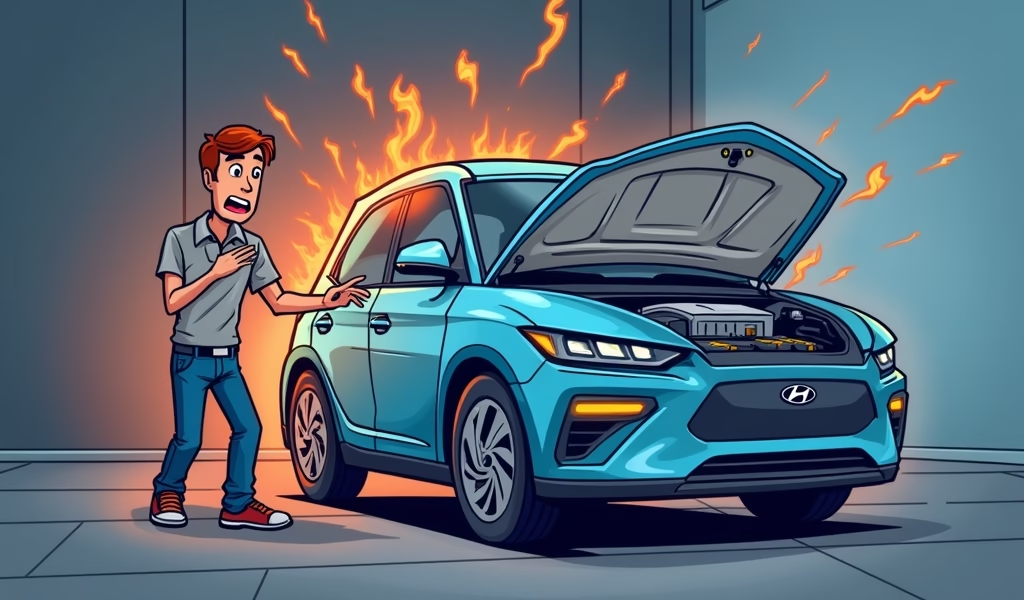
Just like your smartphone battery that mysteriously dies right before an important call, Hyundai Ioniq batteries can develop issues ranging from capacity degradation to BMS malfunctions, though many can be prevented through proper charging habits and temperature management. The article provides a thorough examination of warning signs, diagnostic approaches, and cost considerations for Hyundai Ioniq battery problems, while emphasizing the importance of professional repairs for high-voltage components and the protection offered by Hyundai’s 10-year/100,000-mile battery warranty.
Table of Contents
- Understanding Hyundai Ioniq Batteries
- Common Battery Issues in the Hyundai Ioniq
- Warning Signs of Battery Problems
- Diagnostic Steps for Battery Problems
- Preventative Maintenance Tips
- Warranty Coverage and Support Options
- DIY Solutions vs. Professional Repairs
- Cost Considerations for Battery Repairs
- Conclusion
- Frequently Asked Questions
Understanding Hyundai Ioniq Batteries
The Hyundai Ioniq lineup represents one of the most versatile eco-friendly vehicle options on the market today, but like any complex system, Hyundai Ioniq battery problems can occur without proper attention. As someone who’s spent years diagnosing and repairing these sophisticated power systems, I’ve seen firsthand how understanding your Ioniq’s battery can save you thousands in potential repair costs.
Hyundai Ioniq vehicles come in three variants: hybrid (HEV), plug-in hybrid (PHEV), and all-electric (EV), each with different battery configurations. The hybrid model uses a 1.56 kWh lithium-ion polymer battery, while the plug-in hybrid features a larger 8.9 kWh version. The fully electric Ioniq contains a substantial 38.3 kWh battery (or 40.4 kWh in newer models). These aren’t your standard car batteries – they’re complex energy storage systems that require special care.
What makes these batteries special is their lithium-ion polymer chemistry, which offers excellent energy density and longevity compared to older battery technologies. Under ideal conditions, these batteries should last 8-10 years or even longer. However, several factors can impact their performance and lifespan, including temperature extremes, charging habits, and overall vehicle usage patterns.
Common Battery Issues in the Hyundai Ioniq
When it comes to Hyundai Ioniq battery problems, several recurring issues have emerged across the model range. Understanding these common problems can help you identify potential issues before they escalate into costly repairs.
Capacity degradation tops the list of concerns. Over time, all lithium-ion batteries gradually lose their ability to hold a full charge. While some degradation is normal, accelerated capacity loss can significantly reduce range and performance. I’ve seen Ioniq owners experience up to 20% capacity reduction after just 3-4 years under certain conditions, particularly in regions with extreme temperatures.
Battery management system (BMS) malfunctions represent another common issue. The BMS monitors battery health, temperature, and state of charge. When it malfunctions, you may experience reduced performance, inaccurate range estimates, or even complete system shutdowns. These electronic issues can sometimes be resolved through software updates, but hardware problems may require component replacement.
Cell imbalance problems occur when individual cells within the battery pack charge or discharge at different rates. This imbalance stresses the entire system and can lead to premature failure if not addressed. In my experience, this issue often manifests as inconsistent performance or unexplained range fluctuations.
Charging system failures can also occur, preventing proper power flow to the battery. This might involve the onboard charger, charging port, or connection components. These failures are particularly frustrating for PHEV and EV owners who depend on reliable charging for daily use. Fortunately, proper battery care practices can prevent many of these issues.
Warning Signs of Battery Problems
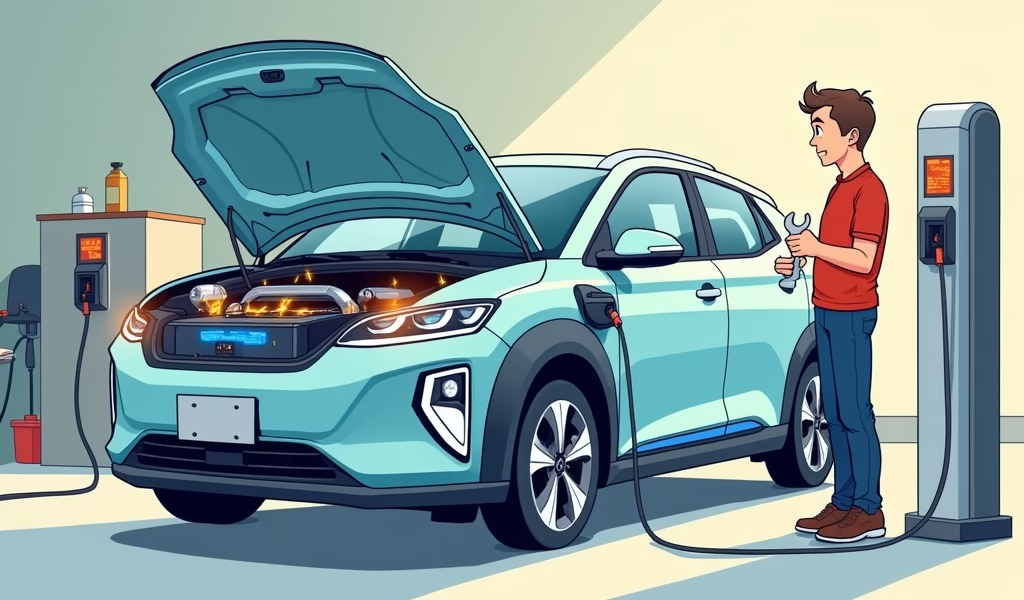
Detecting Hyundai Ioniq battery problems early can save you significant headaches and repair costs down the road. From my years in the shop, I’ve identified several warning signs that indicate your Ioniq’s battery might be developing issues.
The most obvious indicator is reduced driving range. If you’re consistently getting fewer miles per charge than when your vehicle was new (beyond the normal seasonal variations), your battery capacity may be degrading. For hybrid models, this might manifest as reduced fuel economy as the vehicle relies more heavily on the gasoline engine.
Dashboard warning lights should never be ignored. The battery management system is quite sophisticated and will trigger warning indicators when it detects abnormalities. Pay particular attention to the battery, check engine, or EV system warning lights. These aren’t suggestions – they’re urgent notifications that something needs attention.
Unusual charging behavior is another red flag. If your Ioniq takes significantly longer to charge than previously, stops charging before reaching full capacity, or displays error messages during charging, these could indicate battery or charging system problems. I recently worked with a customer whose 2018 Ioniq Electric would only charge to 80% despite showing no error messages – a classic symptom of cell imbalance issues.
Performance inconsistencies, such as unexpected power loss, hesitation during acceleration, or the vehicle unexpectedly switching to “limp mode,” often point to battery system issues. These symptoms may be intermittent at first but typically worsen over time if not addressed.
Strange noises coming from the battery area, including clicking, buzzing, or whining sounds, may indicate problems with cooling systems, contactors, or other battery-related components. Modern electric powertrains should operate nearly silently, so any unusual sounds warrant investigation by a qualified technician who understands how electric cars work from the inside out.
Diagnostic Steps for Battery Problems
When faced with potential Hyundai Ioniq battery problems, a systematic approach to diagnosis can help pinpoint the exact issue. Before heading to the dealership, there are several steps you can take to gather information and potentially resolve minor issues.
Start with the basics: check for software updates. Hyundai periodically releases updates that can resolve battery management issues. These updates may be available through the vehicle’s infotainment system or might require a dealer visit. In many cases, what appears to be a hardware problem can be fixed with updated software that better manages the battery system.
Next, review your vehicle’s onboard diagnostics. Modern Ioniqs provide detailed battery information through the infotainment system. Navigate to the EV or hybrid information screens to check battery health statistics, charging status, and energy flow. Look for any abnormal readings or error codes that might indicate where the problem lies.
If you’re comfortable with technology, consider investing in an OBD-II scanner compatible with hybrid and electric vehicles. These devices can retrieve detailed diagnostic information beyond what’s shown on the dashboard. Professional-grade scanners can access battery cell data, temperature readings, and specific fault codes that point to particular components or systems.
- Check all charging equipment for damage (cables, adapters, home charging stations)
- Test charging from multiple power sources if possible
- Document when and how frequently issues occur
- Note any correlation with weather conditions or driving patterns
For more advanced diagnosis, specialized equipment is required. Battery capacity testing, individual cell voltage measurement, and insulation resistance testing require professional equipment and training. These tests can definitively identify issues like cell degradation, internal shorts, or isolation faults that might be causing your problems.
Remember that proper diagnosis is essential before any repair attempt. As Department of Energy research shows, many battery issues are complex and interconnected, requiring systematic troubleshooting rather than parts replacement.
Preventative Maintenance Tips
An ounce of prevention is worth a pound of cure, especially when it comes to avoiding Hyundai Ioniq battery problems. Based on my experience, following these preventative maintenance practices can significantly extend your battery’s lifespan and performance.
Manage your charging habits wisely. For the plug-in and electric Ioniq models, try to keep the battery between 20% and 80% charged for daily use. Only charge to 100% when you need the full range for a longer trip. Consistently charging to 100% and letting the battery drain to near-empty places additional stress on the cells. The battery management system helps prevent extreme conditions, but your charging habits still make a difference.
Temperature management plays a crucial role in battery health. Extreme heat accelerates chemical degradation within the battery, while extreme cold temporarily reduces capacity and performance. When possible, park your Ioniq in climate-controlled or shaded areas during hot weather. Using pre-conditioning (warming the battery while still plugged in) during cold weather not only improves comfort but also optimizes battery performance and longevity.
Regular software updates are essential maintenance items for modern vehicles. Hyundai continues to refine its battery management algorithms, and these updates can improve efficiency, address minor issues before they become major ones, and enhance overall vehicle performance. Check with your dealer about available updates during routine service visits.
Don’t ignore scheduled maintenance. While electric vehicles have fewer mechanical components than traditional cars, they still require professional attention. Regular inspections can catch early signs of battery cooling system issues, connection corrosion, or other potential problems. Hyundai’s recommended maintenance schedule is designed to maximize all systems’ longevity, including the battery.
Driving habits also impact battery health. Gentle acceleration and braking not only improve efficiency but reduce stress on the battery. Using regenerative braking effectively captures energy that would otherwise be wasted, reducing the depth of discharge cycles. As one scientific study found, driving style can impact battery degradation rates by up to 33% under otherwise identical conditions.
Warranty Coverage and Support Options
Understanding your warranty coverage is crucial when dealing with Hyundai Ioniq battery problems. Fortunately, Hyundai offers some of the most comprehensive battery warranty protection in the industry, though coverage varies by model year and powertrain type.
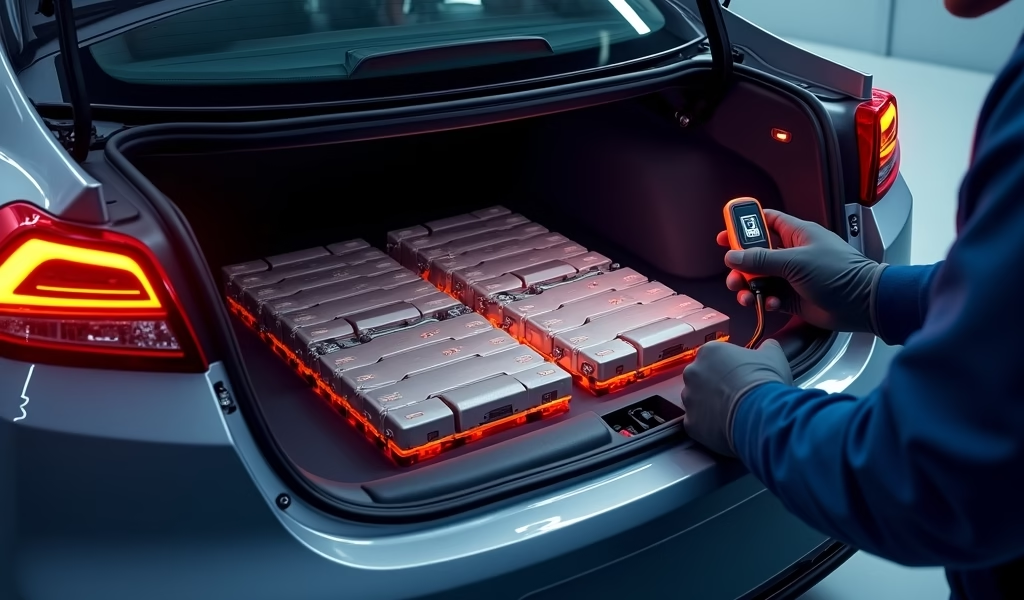
For most Ioniq models, the high-voltage battery comes with a 10-year/100,000-mile warranty. This lengthy coverage period exceeds industry standards and provides significant peace of mind. However, it’s important to note that this warranty specifically covers defects in materials and workmanship – not normal degradation. Hyundai typically considers battery capacity loss of up to 30% within the warranty period as normal wear.
The standard powertrain warranty (which covers many battery-related components) extends for 10 years/100,000 miles for the original owner. If you purchased your Ioniq used, this coverage may be reduced to 5 years/60,000 miles from the original purchase date. Always verify your specific coverage through your VIN number with Hyundai customer service or a dealership.
If you’re experiencing battery issues, start by contacting your Hyundai dealer’s service department. They have the specialized tools and training to properly diagnose and address high-voltage battery concerns. For unresolved issues, Hyundai Customer Care (1-800-633-5151) can provide additional support and escalation paths.
Hyundai has also issued several Technical Service Bulletins (TSBs) related to Ioniq battery systems over the years. These bulletins instruct dealers on addressing specific known issues, often at no cost to customers even outside normal warranty parameters. A dealership can check if your vehicle might be covered by any applicable TSBs.
In cases of significant battery issues, Hyundai has occasionally offered goodwill repairs or partial coverage even outside the warranty period, especially for known issues. This isn’t guaranteed, but I’ve seen several customers receive assistance after respectfully escalating their concerns through the proper channels.
DIY Solutions vs. Professional Repairs
When facing Hyundai Ioniq battery problems, you might wonder what you can safely handle yourself versus when to seek professional help. Let me offer some clarity based on my experience working with these sophisticated systems.
DIY diagnostic steps are a reasonable starting point. Using the vehicle’s built-in diagnostic screens, checking for obvious connection issues, and ensuring charging equipment is functioning properly are all safe owner interventions. You can also reset minor electronic glitches by disconnecting the 12V auxiliary battery (following proper procedures in your owner’s manual) – but only after ensuring you have any necessary radio and security codes.
Software updates sometimes resolve battery management issues, and newer Ioniq models may allow over-the-air updates through the infotainment system. Following the manufacturer’s instructions for these updates is generally straightforward and safe, though you’ll want to ensure the vehicle has a full charge and remains stationary during the process.
However, I must strongly caution against any DIY repairs involving the high-voltage battery system. These components operate at potentially lethal voltage levels (up to 400 volts), requiring specialized tools, training, and safety equipment. Even seemingly simple tasks like cleaning battery connections can be dangerous without proper knowledge of isolation procedures.
Professional repairs by certified technicians offer several advantages. They have access to specialized diagnostic equipment that can identify issues at the cell level. They’re trained in proper high-voltage safety protocols and understand the complex interplay between mechanical, electrical, and software components. Additionally, professional repairs maintain your warranty coverage, which may be voided by unauthorized DIY attempts.
The exception to this rule involves the 12V auxiliary battery, which powers vehicle electronics and is separate from the high-voltage system. Like in conventional vehicles, this battery can be safely checked and replaced by owners comfortable with basic automotive maintenance. Just remember that even this smaller battery contains significant power and should be handled with appropriate precautions, including proper maintenance procedures for electric vehicles.
Cost Considerations for Battery Repairs
Understanding the potential costs associated with Hyundai Ioniq battery problems helps in planning for repairs and making informed decisions about your vehicle. The financial impact varies significantly depending on the specific issue, the model year, and whether repairs fall under warranty coverage.
Minor issues often have manageable costs. Software updates, when not covered under warranty, typically range from $100-200 at the dealership. Repairs to charging port components or cooling system elements generally fall between $300-800, depending on the specific parts needed. These moderate repairs, while not insignificant, represent reasonable maintenance costs for sophisticated technology.
Battery management system components present medium-range costs. Replacing sensors, control modules, or contactor assemblies typically costs between $800-1,500 plus labor. These repairs address many common electrical issues without requiring replacement of the entire battery pack.
Complete high-voltage battery replacement represents the most significant expense. For out-of-warranty Ioniq Electric models, a full battery pack replacement can cost between $5,000-10,000, including labor. Hybrid and plug-in hybrid models generally have lower replacement costs due to their smaller battery packs, typically ranging from $2,500-6,000. These substantial costs underline the importance of preventative maintenance and warranty coverage.
Before committing to major repairs, consider several factors. First, the vehicle’s age and value – investing in expensive battery repairs for an older vehicle might not make economic sense. Second, explore partial repair options – sometimes individual modules can be replaced rather than the entire pack. Finally, investigate aftermarket options, as third-party battery rebuilders are beginning to offer more affordable alternatives for out-of-warranty vehicles.
If you’re facing significant battery repair costs, remember that electric vehicle technology continues to improve while costs decrease. In some cases, trading in your current Ioniq for a newer model with updated technology and fresh warranty coverage might be more economical than major repairs on an aging battery system.
Conclusion
Hyundai Ioniq battery problems, while concerning, don’t have to spell disaster for your eco-friendly driving experience. With proper understanding, preventative maintenance, and timely intervention, many issues can be avoided or addressed before they escalate into major expenses.
Remember that knowledge is your strongest ally. Understanding the warning signs, performing regular maintenance, and respecting the battery’s operating parameters will go a long way toward ensuring your Ioniq delivers years of reliable service. When problems do arise, starting with proper diagnosis – whether through DIY troubleshooting or professional assessment – allows for targeted, cost-effective solutions.
Hyundai’s extensive warranty coverage provides significant protection against manufacturing defects, but your driving and maintenance habits remain crucial factors in long-term battery health. By following the preventative measures we’ve discussed, you can potentially extend your battery’s useful life well beyond warranty periods.
As battery technology continues to evolve, we’re seeing improvements in durability, capacity, and repairability. Future Ioniq owners will likely benefit from these advancements, but current owners can maximize their investment through informed care and timely maintenance.
Whether you’re currently experiencing battery issues or simply want to protect your investment, I hope this guide has provided valuable insights into managing and maintaining your Hyundai Ioniq’s sophisticated battery system. With the right approach, you can enjoy the benefits of electrified driving while minimizing unexpected costs and disruptions.
Frequently Asked Questions
How long should a Hyundai Ioniq battery last?
Under normal conditions, a Hyundai Ioniq’s high-voltage battery should last 8-10 years or approximately 100,000 miles before significant capacity degradation occurs. Driving habits, climate conditions, and charging practices can significantly impact this lifespan.
Can Hyundai Ioniq battery problems be fixed without replacement?
Yes, many issues stem from software glitches, connection problems, or individual module failures that can be repaired without full replacement. Professional diagnostics can identify specific components needing attention rather than replacing the entire battery pack.
What does the Ioniq battery warranty cover?
Hyundai’s battery warranty typically covers defects in materials and workmanship for 10 years/100,000 miles for the original owner. Normal degradation (up to about 30% capacity loss) is considered expected wear and not covered under warranty.
How much does it cost to replace an Ioniq EV battery?
A complete battery replacement for an out-of-warranty Ioniq Electric can cost between $5,000-10,000 including labor. Hybrid and plug-in hybrid models generally cost less ($2,500-6,000) due to their smaller battery packs.
Can I replace just part of my Ioniq battery?
In many cases, yes. Skilled technicians can often replace individual modules or components rather than the entire pack, significantly reducing repair costs. This option depends on the specific nature of the damage and the vehicle’s design.