

Overview
Even the smallest transmission leak in a Dodge Viper can quickly escalate from a messy driveway to catastrophic drivetrain damage, with common culprits including deteriorating gaskets, loose pans, worn seals, and cracked fluid lines. Regular maintenance, prompt attention to warning signs like fluid spots and strange noises, and knowing when to DIY versus seeking professional help can protect your high-performance investment—potentially saving thousands in repair costs while preserving the exceptional driving experience that makes the Viper legendary.
Table of Contents
- Understanding Dodge Viper Transmission Leaks
- Common Causes of Transmission Leaks
- Warning Signs of Transmission Problems
- Diagnosing a Transmission Leak
- DIY Solutions for Minor Leaks
- When to Seek Professional Help
- Maintenance Tips to Prevent Future Leaks
- Cost Breakdown: DIY vs. Professional Repair
- Conclusion
- Frequently Asked Questions
Understanding Dodge Viper Transmission Leaks
Dodge Viper transmission issues can strike fear into any owner’s heart, and for good reason. These high-performance machines demand proper care, especially when it comes to transmission maintenance. As someone who’s worked on these beasts for over 15 years, I’ve seen firsthand how a small leak can quickly escalate into a wallet-emptying repair.
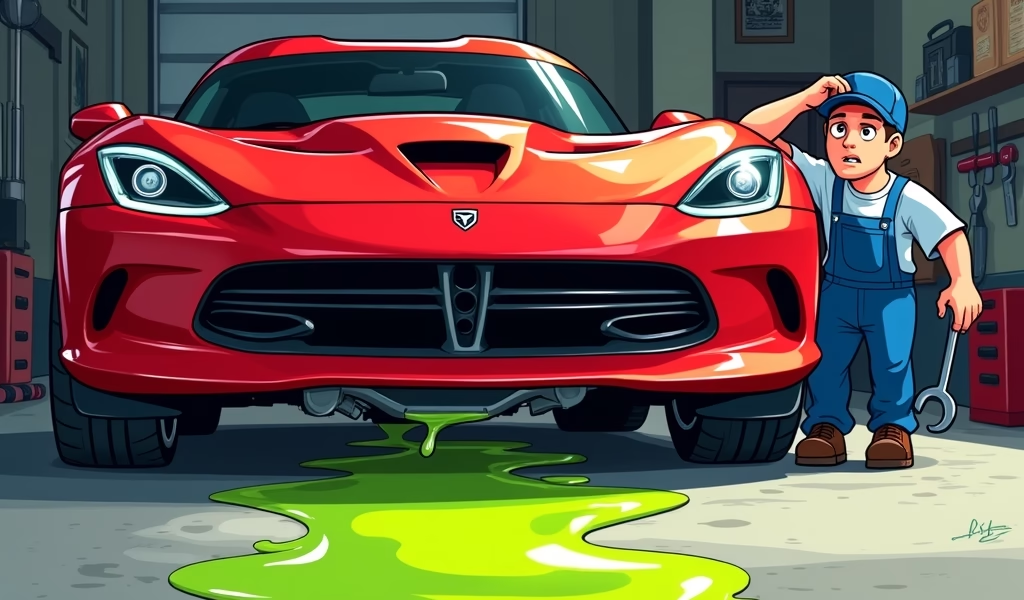
Transmission fluid serves as the lifeblood of your Viper’s gearbox system. It lubricates moving parts, prevents overheating, and ensures smooth gear transitions. When this fluid begins to escape, it’s not just a messy driveway you’re facing – it’s potentially compromising the entire drivetrain of your prized performance vehicle.
The Dodge Viper transmission system is particularly sensitive to fluid levels due to its high-stress design. Unlike everyday vehicles, the Viper’s transmission handles extreme torque loads and heat generation. Even a minor leak can lead to inadequate lubrication, causing accelerated wear on precision components.
Let’s break down what you need to know about these leaks – from identifying the problem early to understanding your repair options without breaking the bank. With the right knowledge, you can protect your investment and keep your Viper performing at its peak for years to come.
Common Causes of Transmission Leaks
After years in the shop, I’ve pinpointed several culprits behind Dodge Viper transmission leaks. Understanding these common causes will help you identify potential problems before they turn serious.
Deteriorating gaskets and seals top the list of transmission leak sources. Over time, the extreme heat cycles and performance demands of the Viper cause these rubber components to harden, crack, and lose their sealing properties. The transmission pan gasket is particularly vulnerable, as it’s constantly exposed to road debris and temperature fluctuations.
Loose or damaged transmission pans also frequently cause leaks. The pan can get dented from road debris or develop loose bolts due to vibration. A single loose bolt can create enough space for fluid to escape, especially during high-RPM driving.
Input and output shaft seals wear out from the constant rotational forces they endure. These seals are critical because they contain fluid at the points where rotating shafts enter and exit the transmission. When they fail, leaks often appear at the bell housing or rear of the transmission.
Cracked fluid lines represent another common issue. The Dodge Viper uses high-pressure lines to circulate transmission fluid through coolers, and these lines can develop cracks from age, heat cycling, or physical damage. These leaks can be deceptive, as fluid might travel along the line before dripping, making the source difficult to pinpoint.
The torque converter seal presents a more serious problem. Located deep within the transmission, this seal contains fluid in the torque converter – the component that transfers power from the engine to the transmission. When it fails, the repair typically requires transmission removal, which significantly increases labor costs.
Even the transmission’s cooling system can be a source of leaks. Radiator cracks or deteriorated cooler lines often lead to transmission fluid mixing with coolant or leaking externally. This type of failure can be particularly damaging as it may contaminate both systems simultaneously.
Warning Signs of Transmission Problems
Catching transmission issues early can save you thousands in repair costs. From my experience with Vipers, here are the telltale warning signs you shouldn’t ignore.
Fluid spots on your garage floor often provide the first clue. Transmission fluid has a distinctive red or brown color and sweet smell that differentiates it from other automotive fluids. Fresh fluid appears bright red, while darker brown fluid indicates it’s older or potentially burned.
Unusual shifting behavior should immediately raise concerns. If your Viper hesitates before engaging gears, slips out of gear while driving, or shifts roughly, your transmission likely has inadequate fluid levels due to a leak. These symptoms may come and go initially, making them easy to dismiss.
Strange noises during operation often signal transmission trouble. Listen for whining, buzzing, or clunking sounds, especially during gear changes. These noises typically indicate that internal components aren’t receiving proper lubrication.
A burning smell coming from under your vehicle often means transmission fluid is overheating. This occurs when fluid levels drop too low, causing increased friction and heat. The smell resembles burnt toast and may be accompanied by smoke in severe cases.
Dashboard warning lights shouldn’t be ignored. Modern Vipers have sophisticated monitoring systems that can detect transmission temperature anomalies or performance issues. If your check engine light illuminates alongside shifting problems, a transmission leak could be the underlying cause.
Delayed engagement when shifting from park to drive often indicates low fluid levels. If you notice a pause or “clunk” when putting your Viper in gear, check your transmission fluid immediately.
Performance degradation might manifest as reduced acceleration or power. When a transmission lacks optimal performance, it cannot efficiently transfer power from the engine to the wheels, resulting in sluggish response.
Diagnosing a Transmission Leak
Properly diagnosing a transmission leak in your Dodge Viper requires methodical investigation. Let me walk you through the process I use to pinpoint leak sources accurately.
Start with a visual inspection of your transmission. Park your Viper on a level surface over clean cardboard overnight. The next morning, examine any fluid spots – their position relative to the car helps identify the general leak area. Front spots typically indicate front seal issues, while rear spots might point to output shaft seal problems.
Check the fluid level and condition using the dipstick. Low levels confirm a leak exists, while burnt-smelling or dark fluid suggests the transmission has been running hot due to insufficient lubrication. Remember that Vipers should be checked with the engine running and at normal operating temperature for accurate readings.
Examine the transmission pan carefully. This common leak source often shows wetness around the gasket edges or at bolt locations. Tightening loose bolts might solve minor seepage, but a damaged pan or deteriorated gasket requires replacement.
Inspect all visible seals and gaskets. Pay particular attention to where the transmission connects to the engine and where axles enter the transmission. These areas experience significant stress and temperature variations.
Look for leaks at the cooler lines and connections. Follow the metal or rubber lines that run from the transmission to the radiator or external cooler. Cracks, loose fittings, or damaged line sections can all be leak sources.
For hard-to-find leaks, consider using a UV dye test. This professional diagnostic technique involves adding a special ultraviolet-reactive dye to the transmission fluid, running the vehicle, and then using a UV light to make leak paths glow brightly. This method can reveal even slow, intermittent leaks that might otherwise go unnoticed.
Pressure testing might be necessary for elusive leaks. This specialized test, typically performed at repair shops, pressurizes the transmission system to reveal weaknesses that only manifest under operating conditions. According to transmission specialists, pressure testing can identify internal seals that standard visual inspections might miss.
DIY Solutions for Minor Leaks
For Viper enthusiasts with mechanical aptitude, addressing minor transmission leaks can be a rewarding weekend project. Here are some approachable DIY solutions that can save you considerable repair costs.
Replacing the transmission pan gasket offers an excellent starting point for DIY repair. This job requires basic tools and moderate skill. First, drain the transmission fluid into an appropriate container. Then remove the pan bolts, carefully lower the pan, and thoroughly clean both mating surfaces before installing the new gasket. Always use a high-quality replacement gasket specifically designed for your Viper model.
Tightening loose fittings and connections often resolves minor seepage. Inspect all accessible transmission line connections and fasteners, using the appropriate torque specifications. Be careful not to overtighten, as this can damage threads or crush sealing surfaces.
Replacing cooler lines represents another manageable DIY task. If you discover cracked or deteriorated transmission cooler lines, you can purchase pre-formed replacements or have custom lines made at specialist shops. Ensure you use the correct line wrenches to avoid damaging the fittings during removal and installation.
Stop-leak additives deserve mention but warrant caution. While some products claim to seal minor transmission leaks, professional mechanics generally advise against them for high-performance vehicles like the Viper. These additives can potentially affect shift quality and may only provide temporary results. If you choose this route, select products specifically formulated for performance transmissions.
Here’s a list of tools and materials you’ll need for basic transmission leak repairs:
- Jack and jack stands rated for your Viper’s weight
- Drain pan (at least 10-quart capacity)
- Socket set with extensions
- Torque wrench
- Gasket scraper
- Degreaser and cleaning supplies
- Model-specific transmission fluid (typically 4-6 quarts)
- New gaskets and seals as required
- Thread locking compound (medium strength)
Remember that DIY repairs should only address external, accessible components. Internal transmission repairs require specialized knowledge and tools that most home mechanics don’t possess.

When to Seek Professional Help
While DIY repairs can address some transmission issues, certain situations demand professional intervention. Knowing when to hand your Viper over to a specialist can prevent further damage and ultimately save money.
Internal transmission leaks always require professional attention. If your diagnosis points to torque converter seals, valve body issues, or other internal components, these repairs involve disassembling the transmission – a complex procedure requiring specialized tools and expertise. According to Motor Trend’s transmission guide, improper internal repairs often lead to catastrophic failures.
Persistent leaks that return after DIY repairs signal deeper issues. When you’ve replaced external gaskets and seals but fluid continues to escape, this typically indicates problems beyond the scope of home repairs. A professional transmission specialist can perform comprehensive testing to identify the root cause.
Shifting problems accompanying leaks require expert diagnosis. While leaks and shifting issues often go hand-in-hand, the relationship isn’t always straightforward. Modern transmissions contain complex hydraulic and electronic systems that require dealer-level diagnostic equipment to properly evaluate.
Consider the age and condition of your Viper when deciding between repair and overhaul. In older Vipers with high mileage, a single leak might be symptomatic of overall transmission wear. In these cases, investing in a complete rebuild or remanufactured unit might prove more economical than addressing issues piecemeal.
When selecting a shop for professional repairs, seek specialists with specific Dodge Viper experience. These high-performance vehicles differ significantly from conventional cars, and transmission work requires familiarity with their unique characteristics. Ask potential shops about their experience with Vipers specifically, not just general transmission work.
Get detailed quotes before authorizing work, as transmission repairs can vary tremendously in cost. A reputable shop will perform a thorough diagnosis before suggesting extensive repairs. Be wary of shops that immediately recommend a complete rebuild without first investigating simpler solutions.
Warranty considerations also factor into the decision between DIY and professional repair. If your Viper is still under any form of warranty coverage, unauthorized repairs might void your protection. Always check warranty documentation before attempting DIY fixes.
Maintenance Tips to Prevent Future Leaks
Preventative maintenance represents your best defense against costly Dodge Viper transmission leaks. From my years working with these remarkable machines, I’ve developed these essential practices to keep transmissions healthy and leak-free.
Regular fluid checks form the cornerstone of transmission maintenance. Check your transmission fluid level at least monthly, and always before any high-performance driving events. The fluid should be bright red, smell sweet rather than burnt, and reach the appropriate mark on the dipstick. Remember to check with the engine running and at normal operating temperature for accurate readings.
Follow the manufacturer’s recommended fluid change intervals, but consider more frequent changes if you drive aggressively. The factory schedule typically recommends changes every 30,000-60,000 miles, but performance driving generates more heat and contaminants, warranting service every 15,000-30,000 miles instead.
Always use the correct transmission fluid specification. Vipers require specific fluid formulations, and using incorrect fluids can damage seals and gaskets, directly leading to leaks. The owner’s manual specifies the exact fluid type, or you can consult with Dodge specialists if uncertain.
Install a high-quality transmission cooler if you frequently drive in hot conditions or push your Viper’s performance envelope. Excessive heat represents the primary enemy of transmission longevity, causing fluid breakdown and premature seal failure. Aftermarket coolers can significantly reduce operating temperatures.
Address minor leaks promptly before they escalate into major problems. Small seepages rarely improve on their own and typically worsen over time. Early intervention prevents fluid from reaching critical low levels and protects internal components from accelerated wear.
Allow proper warm-up time before spirited driving. Cold transmission fluid doesn’t flow or lubricate optimally. Give your Viper a few minutes of gentle driving before demanding peak performance, especially in colder weather. This simple habit helps automatic transmissions reach proper operating temperature gradually without thermal shock to seals.
Consider periodic transmission pan removal and cleaning every 30,000-50,000 miles. This allows inspection of the magnetic particles in the pan (which collect metal debris) and provides an opportunity to replace the pan gasket before it fails. Many transmission specialists recommend this service as preventative maintenance for performance vehicles.
Cost Breakdown: DIY vs. Professional Repair
Understanding the financial implications of transmission repairs helps Viper owners make informed decisions. Let’s examine the typical costs associated with addressing transmission leaks, comparing DIY approaches with professional services.
For DIY pan gasket replacement, expect to spend $30-80 for the gasket kit and filter, plus $60-100 for transmission fluid. This relatively simple job saves substantial labor costs while addressing one of the most common leak sources. Your total investment typically ranges from $90-180 plus your time.
Professional pan gasket replacement generally costs $250-450 at independent shops, with dealership prices running $350-600. This service includes parts, labor, and fluid. While more expensive than DIY, professional service often includes a limited warranty on the work performed.
For external seal replacement (like front pump or output shaft seals), DIY costs include $20-50 per seal plus fluid costs. However, these repairs require moderate to advanced mechanical skills and specialized tools. Your total DIY investment ranges from $80-150 plus considerable time investment.
Professional external seal replacement typically runs $350-800 depending on which seals need attention and their accessibility. Front pump seals generally cost less to replace than output shaft seals due to better access.
Addressing cooler line leaks as a DIY project costs approximately $50-120 for parts plus fluid. The replacement process is straightforward but requires careful attention to proper fitting connection.
Professional cooler line replacement generally costs $200-400, including parts, labor and fluid. This service typically includes pressure testing to ensure the repair resolves the leak completely.
For major internal leaks requiring transmission removal, professional services represent the only practical option. Rebuilds typically cost $2,500-4,000 for Vipers at independent shops, while dealership rebuilds can exceed $5,000. Remanufactured transmission installations generally run $3,000-5,000 including labor.
When evaluating these costs, consider these additional factors: the value of your time, your mechanical skill level, tool availability, and the potential cost of errors. Even minor mistakes during DIY transmission work can lead to expensive consequences. For many owners, handling simple maintenance while delegating complex repairs to professionals offers the best balance of economy and reliability.
Conclusion
Taking care of your Dodge Viper transmission doesn’t have to break the bank or leave you stranded. By understanding the warning signs, performing regular maintenance, and addressing small issues before they escalate, you can protect your investment and enjoy your high-performance machine for years to come.
Remember that transmission fluid leaks aren’t just inconvenient – they’re warning signs that deserve prompt attention. Whether you choose the DIY route for simple repairs or seek professional help for complex issues, acting quickly will minimize damage and repair costs. Your Viper’s transmission is a marvel of engineering that performs best when properly maintained.
The balance between DIY maintenance and professional service depends on your mechanical abilities, available tools, and comfort level. Many Viper owners find that handling routine checks and simple tasks themselves, while establishing a relationship with a knowledgeable specialist for more complex work, provides the best ownership experience.
Ultimately, your Dodge Viper represents not just transportation but a passion for performance and engineering excellence. By giving its transmission the care it deserves, you’re preserving both your investment and the exceptional driving experience that makes the Viper legendary among automotive enthusiasts.
Frequently Asked Questions
How often should I check the transmission fluid in my Dodge Viper?
Check your Viper’s transmission fluid monthly and before any high-performance driving sessions. More frequent checks are recommended if you’ve noticed even minor seepage or if you regularly push your vehicle’s performance limits.
What color should healthy Dodge Viper transmission fluid be?
Healthy transmission fluid should be bright red to pink and have a sweet smell. Brown or black fluid with a burnt smell indicates overheating and requires immediate attention.
Can I drive my Viper with a transmission leak?
Minor seepage might allow limited driving, but active leaks should be addressed before driving. Low fluid levels from leaks can cause catastrophic transmission failure within minutes of operation.
What’s the average lifespan of a Dodge Viper transmission?
With proper maintenance, a Viper transmission typically lasts 100,000-150,000 miles. Performance driving, high heat conditions, and inadequate maintenance can significantly reduce this lifespan.
Are transmission stop-leak products safe for my Viper?
Most professional mechanics advise against using stop-leak products in high-performance vehicles like the Viper. These additives may temporarily seal leaks but can potentially affect shift quality and cause long-term damage.