

Overview
Like having a piece of the future parked in your garage, the Honda Clarity fuel cell vehicle converts hydrogen into electricity while requiring specialized maintenance to prevent costly repairs. This guide explores how the innovative technology works, common issues owners might encounter, and practical strategies for finding qualified technicians and implementing preventative maintenance that can save thousands in unnecessary repairs over the vehicle’s lifetime.
Table of Contents
- Understanding the Honda Clarity Fuel Cell
- How Fuel Cell Technology Works
- Common Honda Clarity Issues
- Preventative Maintenance Tips
- Cost-Saving Strategies
- Finding Qualified Service Technicians
- Long-Term Ownership Considerations
- Conclusion
- Frequently Asked Questions
Understanding the Honda Clarity Fuel Cell
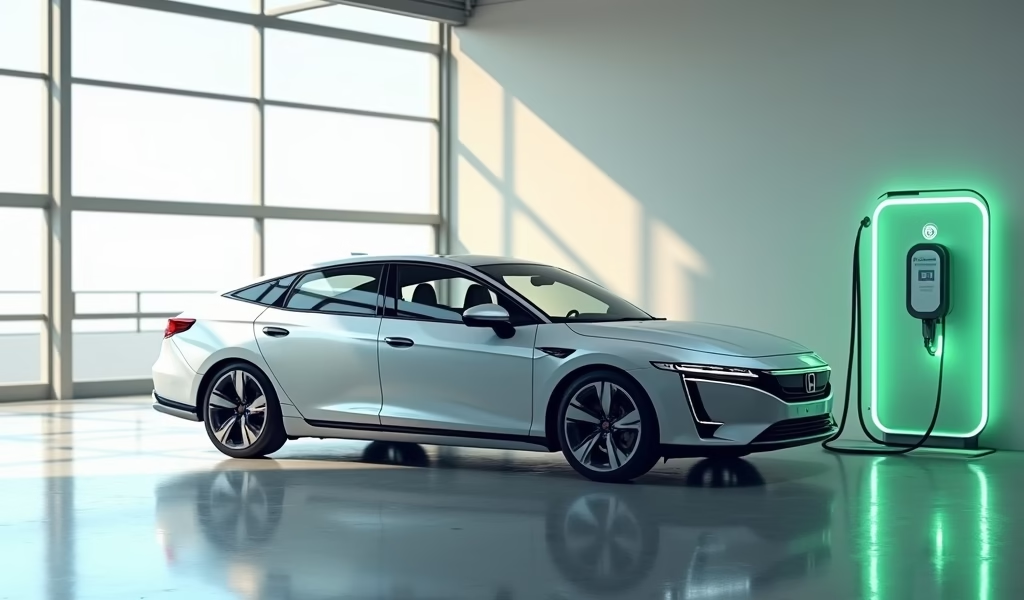
The Honda Clarity fuel cell represents one of the most innovative approaches to eco-friendly driving on the market today. Think of it as the quiet revolutionary in your garage—silently converting hydrogen into electricity while emitting nothing but water vapor from its tailpipe. Unlike traditional vehicles that burn fossil fuels and cough out carbon emissions, the Clarity gives us a glimpse into what could be the future of personal transportation.
As a mechanic who’s had his hands inside everything from classic carburetors to modern hybrid systems, I can tell you the Clarity’s hydrogen fuel cell technology is fascinating stuff. But like that one complicated tool in your toolbox that does amazing things but requires special handling, the Clarity demands specific knowledge to keep it running smoothly and avoid costly repairs.
Honda introduced the Clarity as part of their commitment to alternative fuel vehicles, positioning it alongside electric cars that run on batteries but with a unique advantage: refueling in minutes rather than charging for hours. That convenience comes with its own set of maintenance considerations, though, which is why understanding this vehicle’s quirks can save you thousands in unnecessary repairs.
The good news? Despite its space-age technology, many preventative maintenance principles that apply to conventional cars still hold true for the Clarity. The key difference is knowing which components require special attention and which problems should send you straight to a specialist rather than attempting DIY solutions.
How Fuel Cell Technology Works
At its heart, the Honda Clarity’s fuel cell system works a bit like reverse electrolysis—remember that science experiment from school where you split water into hydrogen and oxygen? The Clarity essentially runs that process backward. Hydrogen from the tank combines with oxygen from the air inside the fuel cell stack, creating electricity to power the motor while emitting only water vapor.
The beauty of this system is its simplicity in operation—no internal combustion, no pistons dancing up and down, and far fewer moving parts to wear out. It’s like comparing a ceiling fan to a grandfather clock; both can tell you about air movement, but one has dramatically fewer components that can break.
The fuel cell stack itself contains hundreds of individual cells, each generating a small amount of electricity. Together, they produce enough power to drive the electric motor that propels your car down the road. The whole process happens silently, with none of the rumbling soundtrack you get from conventional engines. In fact, many new Clarity drivers tell me they keep checking if the car is actually running—it’s that quiet.
One critical component unique to the Clarity is the hydrogen storage system. The car stores hydrogen in carbon-fiber tanks at about 10,000 PSI—that’s serious pressure, roughly 700 times what’s in your car tires. These tanks undergo rigorous safety testing, including being shot with bullets, to ensure they can withstand extreme conditions. Honda’s engineers have prioritized safety in the design, implementing multiple safety systems that exceed standard requirements.

Common Honda Clarity Issues
Even with its cutting-edge design, the Honda Clarity fuel cell isn’t immune to problems. Like finding that one mysterious squeak in your house that only happens at night, tracking down issues in a fuel cell vehicle requires specific knowledge and sometimes specialized equipment.
The fuel cell stack, while generally reliable, can experience performance degradation over time. Think of it like your smartphone battery gradually holding less charge—it’s a natural aging process, but knowing the warning signs can help you address issues before they leave you stranded. If you notice reduced range or sluggish acceleration, it might be time for a diagnostic check of the fuel cell system.
Hydrogen sensor failures represent another potential headache for Clarity owners. These sensors are your car’s canary in the coal mine, designed to detect any hydrogen leaks and shut systems down if necessary. When they fail, your vehicle might refuse to start or could shut down unexpectedly—not exactly the kind of surprise you want on your morning commute. Regular system checks can catch these issues before they become roadside emergencies.
The cooling system in a Clarity works overtime compared to conventional vehicles. The fuel cell operates most efficiently within a narrow temperature range, making the cooling system crucial for performance and longevity. Issues here often manifest as warning lights or reduced power—what mechanics call “limp mode.” Unlike traditional radiator problems, cooling system failures in a fuel cell vehicle should always be addressed by qualified technicians familiar with hydrogen vehicles.
Software glitches can also plague these high-tech vehicles. The Clarity relies on sophisticated computer systems to manage everything from power distribution to safety monitoring. Sometimes these systems need updates or recalibration, similar to how your computer occasionally needs a reboot to work properly. If dashboard warnings appear or systems behave erratically, a software update might be the simple fix you need rather than costly component replacements.
Preventative Maintenance Tips
Preventative maintenance for your Honda Clarity fuel cell isn’t just about saving money—it’s about ensuring your high-tech hydrogen ride stays on the road where it belongs. Think of preventative care like flossing your teeth; it’s not the most exciting task, but neglecting it leads to painful and expensive consequences down the road.
First and foremost, stick to Honda’s recommended maintenance schedule. The Clarity’s service intervals differ from conventional vehicles, with some checks happening more frequently and others less often. This isn’t a case where the manufacturer is trying to extract more service dollars—fuel cell systems genuinely require specific maintenance to operate efficiently and safely.
- Have the hydrogen system inspected annually by certified technicians
- Replace air filters regularly to prevent contaminants from reaching the fuel cell
- Check cooling system integrity every 15,000 miles
- Monitor tire pressure weekly—proper inflation improves efficiency and range
- Keep software updated through dealer service visits
Pay special attention to the cooling system—it’s the unsung hero of fuel cell performance. Just as your body needs proper cooling during exercise, your Clarity’s fuel cell generates significant heat that must be managed efficiently. Check coolant levels monthly and look for any signs of leaks under the vehicle. Coolant in a fuel cell vehicle often contains specific additives designed to protect sensitive components, so never top up with standard automotive coolant.
Tire maintenance might seem unrelated to fuel cell technology, but proper tire pressure and rotation directly impact your Clarity’s efficiency and range. Underinflated tires create additional resistance, forcing the fuel cell to work harder and potentially reducing its lifespan. Consider investing in a quality tire pressure gauge and check pressures when the tires are cold for the most accurate readings.
Finally, don’t ignore dashboard warnings or changes in vehicle performance. The Clarity’s onboard diagnostic system monitors dozens of parameters and can detect issues long before they become serious problems. That warning light isn’t the car’s way of suggesting an optional repair—it’s an early intervention opportunity that could save you thousands down the road. As one of my mentors used to say, “You can pay attention now, or pay with your wallet later.”
Cost-Saving Strategies
Owning a Honda Clarity fuel cell doesn’t have to drain your bank account faster than a luxury car with a fuel leak. With some strategic planning and smart ownership habits, you can enjoy this cutting-edge technology while keeping repair costs manageable.
One of the most effective cost-saving strategies is finding a qualified technician before you need one. When your high-tech hydrogen vehicle starts acting up, that’s not the time to be frantically searching for someone who knows the difference between a fuel cell and a fuel injector. Build a relationship with a certified technician familiar with the Clarity’s systems, preferably at a dealership with specific training. While their hourly rates might be higher, their efficiency and accuracy will save you money in the long run by avoiding misdiagnoses and repeat repairs.
Consider joining owner forums and online communities dedicated to the Clarity and other fuel efficient cars. These digital gathering places are goldmines of practical experience, with members who have likely encountered and solved the exact issue you’re facing. I’ve seen countless cases where a simple tip from another owner saved someone hundreds in unnecessary repairs. Just remember to verify advice against Honda’s official recommendations—enthusiastic owners sometimes suggest solutions that could impact warranty coverage.
Speaking of warranties, understand yours completely. The Clarity comes with one of the best fuel cell system warranties in the industry—typically 8 years/100,000 miles for fuel cell components. Know exactly what’s covered and what might void that coverage. Keep detailed service records and follow maintenance schedules religiously; skipping scheduled maintenance could give Honda grounds to deny warranty claims for related failures.
For those comfortable with basic maintenance, there are DIY tasks that can save money without risking damage to complex systems. Cabin air filter replacements, wiper blade changes, and even 12V battery maintenance can be handled by most owners with basic tools. Just remember the cardinal rule of hydrogen vehicle maintenance: anything involving the fuel cell system, high-voltage components, or hydrogen storage should be left to certified professionals. Your safety is worth more than the money saved by attempting complex repairs yourself.
Finding Qualified Service Technicians
Finding a qualified technician for your Honda Clarity fuel cell is a bit like searching for a specialist doctor—you want someone with specific training, not just general knowledge. The reality is that not every mechanic, even at Honda dealerships, has extensive experience with hydrogen fuel cell vehicles. These systems require specialized training and certification that goes beyond standard automotive qualifications.
Start your search with Honda dealerships that specifically sell the Clarity fuel cell model. These locations are more likely to have invested in the training and equipment necessary to service these vehicles properly. A quick call to the service department asking about their fuel cell certification and experience levels can tell you whether they’re equipped to handle your vehicle’s unique needs.
When evaluating a potential service provider, don’t be shy about asking specific questions:
- How many Honda Clarity fuel cell vehicles do they service regularly?
- What specific training have their technicians completed for hydrogen vehicles?
- Do they have the specialized diagnostic equipment needed for fuel cell systems?
- Can they provide references from other Clarity owners?
Location matters more with a Clarity than with conventional vehicles. Because of the specialized nature of fuel cell technology, you might need to travel farther for qualified service. Consider this geographic limitation before purchasing, especially if you live outside major metropolitan areas where hydrogen infrastructure is more developed. A Department of Energy resource can help you locate both hydrogen refueling stations and qualified service centers in your region.
Once you’ve found a qualified technician, build a relationship with them. Regular visits for scheduled maintenance allow them to become familiar with your specific vehicle and might help them spot potential issues before they become serious problems. A good technician who knows your car’s history is worth their weight in precious metals—especially when dealing with technology as specialized as a fuel cell system.
Long-Term Ownership Considerations
Thinking about keeping your Honda Clarity fuel cell for the long haul? Smart move—but it requires some forward thinking. Unlike conventional vehicles with decades of data on long-term ownership, fuel cell vehicles represent relatively new territory. Understanding what to expect can help you plan financially and practically for years of trouble-free driving.
First, consider the fuel cell stack’s lifespan. Honda designs these systems to last the vehicle’s lifetime, but real-world performance may vary based on usage patterns, maintenance, and even geographic location. Much like batteries in electric cars for beginners, fuel cells experience some degradation over time. The good news? This degradation typically manifests as gradually reduced range rather than catastrophic failure, giving you time to plan for eventual service needs.
Hydrogen infrastructure development will significantly impact your ownership experience. Currently, hydrogen refueling stations are concentrated in specific regions, primarily California. If you’re planning a move or frequently travel outside these areas, you’ll need to factor in refueling availability. The good news is that infrastructure continues to expand, though not as rapidly as electric charging networks.
Consider creating a dedicated maintenance fund specifically for your Clarity. While regular maintenance costs might be comparable to conventional vehicles, specialized repairs can be more expensive when they’re needed. Setting aside a small amount monthly creates a financial buffer for those inevitable service needs that fall outside warranty coverage.
Finally, stay informed about Honda’s support plans for the Clarity fuel cell. As with any specialized technology, manufacturer support is crucial for parts availability and service options. Honda has demonstrated long-term commitment to hydrogen technology, but keeping tabs on their future plans through owner communications and industry news will help you make informed decisions about how long to keep your vehicle.
Remember that pioneering technologies often require pioneering ownership strategies. Your Clarity isn’t just transportation—it’s an investment in emerging technology that requires thoughtful planning to maximize its value and minimize unexpected costs. With proper care and realistic expectations, your fuel cell vehicle can provide years of efficient, environmentally-friendly driving with manageable ownership costs.
Conclusion
Owning a Honda Clarity fuel cell is a bit like having a piece of the future parked in your garage—exciting, innovative, and occasionally requiring special attention. Throughout this guide, we’ve explored how this remarkable vehicle works, the common issues you might encounter, and strategies to keep it running smoothly without emptying your wallet.
Remember that preventative maintenance isn’t just mechanic-speak for “give us your money”—it’s genuinely the most effective way to avoid costly repairs with specialized vehicles like the Clarity. Those regular check-ups might seem unnecessary when everything’s running well, but they’re your best defense against unexpected breakdowns and expensive emergency repairs.
The hydrogen technology powering your Clarity represents one of the most promising paths toward sustainable transportation. By understanding its unique characteristics and maintenance needs, you’re not just protecting your investment—you’re participating in the evolution of automotive technology. Every mile you drive helps refine these systems for future generations of vehicles.
As with any relationship, the one between you and your Clarity gets better with good communication. Pay attention to how your vehicle sounds, feels, and performs. Those subtle changes are your car’s way of whispering that something needs attention before it starts shouting with warning lights or roadside breakdowns.
With the right knowledge, qualified service support, and preventative approach, your Honda Clarity fuel cell can provide years of efficient, environmentally-friendly driving without breaking the bank. The future of automotive technology is in your driveway—treat it right, and it’ll return the favor with reliable service and lower long-term costs.
Frequently Asked Questions
How long does the Honda Clarity fuel cell’s hydrogen tank take to refill?
Refilling the Clarity’s hydrogen tank takes approximately 3-5 minutes, similar to conventional gasoline vehicles. This quick refueling time is one of the main advantages over battery electric vehicles.
What is the driving range of a Honda Clarity fuel cell?
The Honda Clarity fuel cell offers approximately 360 miles of range on a full hydrogen tank under optimal conditions. Actual range varies based on driving style, weather conditions, and terrain.
Is it safe to park a hydrogen fuel cell vehicle in enclosed garages?
Yes, the Honda Clarity fuel cell is safe to park in enclosed garages. Multiple safety systems continuously monitor for leaks and automatically shut down if any issues are detected.
How much does it cost to fill up a Honda Clarity with hydrogen?
Hydrogen currently costs around $10-16 per kilogram, with the Clarity’s tank holding approximately 5.5 kg. A complete fill-up typically costs between $55-$90 depending on local pricing.
What happens to a Honda Clarity fuel cell in freezing temperatures?
The Clarity includes cold-weather startup systems that allow operation in temperatures as low as -22°F (-30°C). However, extreme cold may temporarily reduce range until the system reaches optimal operating temperature.