

Overview
Like a vigilant guardian of your smooth ride, the Lincoln Aviator’s sophisticated air suspension system requires regular maintenance to avoid costly failures that can exceed $4,000. By understanding warning signs like uneven stance, performing regular inspections, and choosing quality parts when repairs are needed, owners can maintain that cloud-like driving experience while protecting their investment for years to come.
Table of Contents
- Understanding Lincoln Aviator Air Suspension
- How Air Suspension Works in Your Lincoln Aviator
- Warning Signs of Air Suspension Problems
- Common Causes of Air Suspension Failure
- Preventative Maintenance Tips
- Repair vs. Replacement: Making the Right Choice
- Cost Considerations: What to Expect
- DIY vs. Professional Repairs
- Conclusion
- Frequently Asked Questions
Understanding Lincoln Aviator Air Suspension
The Lincoln Aviator’s air suspension system isn’t just a luxury feature—it’s the backbone of that smooth, cloud-like ride that makes driving this SUV such a pleasure. As a mechanic who’s worked on countless Aviators, I can tell you this sophisticated system transforms your driving experience by constantly adjusting to road conditions in real-time.
Instead of traditional metal springs, your Aviator uses compressed air inside flexible bellows (often called air springs or air bags) to support the vehicle’s weight. This system allows your SUV to automatically adjust its height based on load, driving conditions, and even your selected drive mode.
What makes this system special is its ability to provide that “floating on air” feeling while maintaining precise handling. But here’s the catch—all this sophistication comes with maintenance requirements that many owners overlook until it’s too late. When properly maintained, your air suspension should last many years. When neglected, you’re looking at repair bills that can quickly exceed $4,000.
The good news? A little knowledge and preventative care go a long way toward avoiding those expensive failures. Let’s dive into what you need to know to keep your Lincoln Aviator’s ride as smooth as the day you drove it off the lot.
How Air Suspension Works in Your Lincoln Aviator
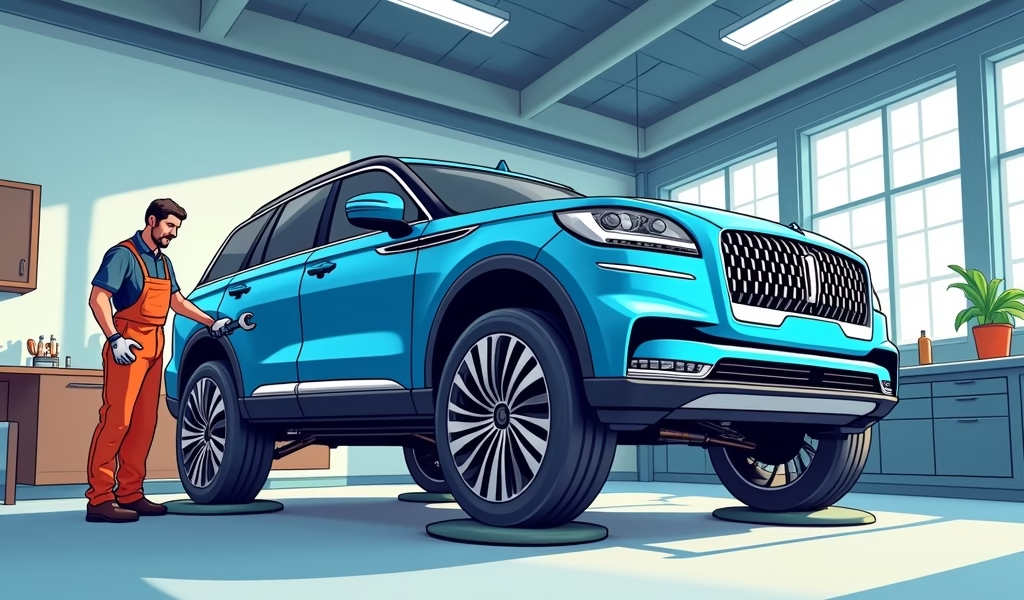
To understand why air suspension problems can be so costly, it helps to know what’s happening under your Aviator’s stylish exterior. The system consists of several key components working together:
- Air compressor: Think of this as the heart of the system. Located typically in the rear of the vehicle, it pressurizes air for the entire suspension.
- Air springs/bags: These rubber and polyurethane components at each wheel replace traditional coil springs.
- Height sensors: Electronic devices that constantly monitor the distance between the vehicle’s body and axles.
- Control module: The electronic brain that processes sensor inputs and controls the system’s operation.
- Air lines: Rubber or plastic tubing that routes compressed air throughout the system.
- Valve blocks: Components that direct air to the appropriate springs based on the control module’s commands.
When you start your Aviator, the system performs a self-check, adjusting air pressure as needed to maintain your selected ride height. As you drive, the height sensors continuously send information to the control module, which makes micro-adjustments to keep your ride smooth over varying road surfaces.
The newest Aviator models (2020+) feature the advanced “Air Glide Suspension” system with “Road Preview” technology. This remarkable technology uses forward-facing cameras to scan the road ahead and prepare the suspension before you even reach bumps or potholes. It’s like having a suspension system with predictive abilities!
When working properly, this system delivers unmatched comfort and handling capabilities. But its complexity means there are more potential failure points than in a conventional suspension. Let’s look at how to spot problems early.
Warning Signs of Air Suspension Problems
The key to avoiding massive repair bills is catching air suspension issues before they cascade into system-wide failures. Here are the telltale signs your Lincoln Aviator’s air suspension needs attention:
Uneven Stance or Sagging
The most visible warning sign is when your Aviator sits noticeably lower on one side or corner. If you notice your SUV looks like it’s kneeling or sagging, especially after being parked overnight, you likely have an air leak. This symptom is most apparent in the morning since small leaks allow the vehicle to gradually sink while parked.
Compressor Running Excessively
Your air suspension compressor should only run briefly and intermittently. If you notice it running for extended periods, especially when the vehicle is parked, the system is struggling to maintain pressure due to leaks. An overworked compressor will eventually burn out, adding a $700-1,100 replacement to your repair bill.
Dashboard Warning Lights
Modern Aviators are good at self-diagnosis. When the system detects problems, it will display specific warning messages like “Suspension Fault: Service Required” or “Reduce Speed: Suspension Lowered.” Never ignore these warnings—continuing to drive could lead to additional damage and compromise safety.
Unusual Noises
Listen for hissing sounds (indicating air leaks) or grinding/whining from the compressor area. Some owners report hearing clicking sounds from the suspension corners as valves attempt to maintain proper pressure in a failing system. These noises are the system’s way of telling you something’s wrong.
If you’re noticing a rougher ride or poor handling characteristics like excessive body roll in corners, that’s your Aviator telling you the suspension is no longer maintaining proper pressure. Don’t wait until you’re stranded with a completely failed system—these early warning signs are your opportunity to address issues before they become catastrophic.
Taking a proactive approach to car maintenance saves both money and headaches down the road. Let’s examine what typically goes wrong with these systems.
Common Causes of Air Suspension Failure
After servicing hundreds of Lincoln Aviators, I’ve identified patterns in what typically fails first. Understanding these common failure points can help you prevent issues before they occur:
Air Spring/Bag Leaks
Accounting for roughly 70% of air suspension issues, air spring failures are the most common problem. These rubber components constantly flex and are exposed to road debris, extreme temperatures, and environmental factors that cause deterioration. Small punctures from debris or cracks along seams are typical failure points. Once a small leak develops, it puts additional strain on other components.
Compressor Failure
The compressor works harder than most owners realize. When leaks develop elsewhere, it runs continuously trying to maintain pressure, leading to overheating and premature failure. The typical signs include unusual noises, longer run times, or complete inability to adjust vehicle height.
Moisture Damage to Electronics
The control modules and sensors contain sensitive electronics that can short circuit or corrode when exposed to moisture. This is particularly common in humid climates or if you frequently drive through deep water. Once moisture infiltrates these components, erratic behavior or complete system failure often follows.
Sensor Malfunctions
Height sensors must precisely measure the distance between the vehicle’s body and axles. When they provide inaccurate readings due to physical damage or electronic failure, the system might inflate or deflate inappropriately, causing uneven ride height or triggering warning lights.
Environmental factors significantly impact system longevity. Extreme temperatures (both hot and cold), high humidity, road salt, and frequent off-road driving all accelerate wear. Owners in the Midwest and Northeast often experience faster deterioration due to the harsh winter conditions and road salt exposure.
Understanding these failure points helps focus your preventative maintenance efforts. Now let’s look at what you can do to extend your air suspension’s lifespan.
Preventative Maintenance Tips

Proactive care can dramatically extend your Lincoln Aviator’s air suspension life. Here’s my recommended maintenance schedule based on years of working with these systems:
Regular Visual Inspections
Every 3 months, take 10 minutes to check:
- Vehicle stance when parked (should be level)
- Air springs for cracks, abrasions, or oil residue (sign of leaking)
- Air lines for secure connections and damage
- Compressor area for unusual moisture or debris accumulation
Use a flashlight to inspect underneath the vehicle, paying particular attention to the air springs’ outer surfaces. Look for dry rot, cracking, or abrasions that could lead to failures.
Keep It Clean
Road salt and debris are enemies of your air suspension. Regular underbody washing, especially in winter months, prevents corrosion of components and connections. Many car maintenance treatments include protective coatings that can help shield these sensitive components.
Manage Your Load
While your Aviator can handle heavy loads, constantly driving at maximum capacity puts additional stress on the air suspension. If you regularly carry heavy cargo or tow near your vehicle’s limits, consider more frequent inspections and expect slightly shorter component lifespans.
Professional Check-Ups
I recommend these service intervals:
- Every 15,000 miles: Have the system electronically scanned for error codes, even if no warning lights are present
- Every 30,000 miles: Complete inspection by a qualified technician
- At 60,000 miles: Comprehensive system check with air leak testing
Professional diagnostic testing can identify potential problems before they manifest as physical symptoms. Many Lincoln dealerships and specialist shops offer suspension system scans for $50-100—a worthwhile investment compared to major repairs.
Remember that addressing minor issues before they cascade is crucial. A $200 repair for a small air line leak can prevent a $1,000+ compressor failure. Similarly, replacing a single failing sensor ($150-250) could prevent damage to multiple components if ignored.
By following these preventative measures, you’ll significantly reduce your chances of experiencing a catastrophic (and expensive) system failure. But what happens when components do fail?
Repair vs. Replacement: Making the Right Choice
When problems arise with your Lincoln Aviator’s air suspension, you’ll face an important decision: repair individual components, replace the entire system, or convert to conventional springs. Each option has pros and cons:
Individual Component Repair
Best for: Vehicles under 5 years old with isolated failures
When a single component fails on a relatively new Aviator, replacing just that part often makes sense. For example, if only one air spring is leaking, replacing that specific component is typically cost-effective. This approach preserves the original system integrity while addressing the immediate problem.
However, be cautious about repeatedly repairing individual components in an aging system. If you’ve already replaced the compressor and now an air spring is failing, it might indicate system-wide wear that will lead to a cycle of repairs.
Complete System Replacement
Best for: Vehicles with multiple component failures or over 6 years old
When facing multiple issues or if your Aviator has higher mileage, replacing the entire system often provides better long-term value. You have two options here:
- OEM replacement: Uses genuine Lincoln parts for perfect fit and original specifications
- Quality aftermarket systems: From reputable brands like Arnott or Strutmasters at 25-40% lower cost
Complete replacement restores full functionality and often comes with extended warranties. While the upfront cost is higher ($2,400-5,200 depending on parts used), it eliminates the frustration of sequential failures and can be more economical long-term.
Conversion to Conventional Suspension
Best for: Older vehicles you plan to keep long-term where budget is a primary concern
Some owners consider converting to traditional coil springs when facing complete air system replacement. This involves installing conventional coil springs and shocks in place of the air components. The pros include lower long-term maintenance costs and improved reliability.
The cons are significant: loss of adjustable ride height, reduced ride comfort, diminished towing capability, and potential impact on resale value. This modification should be considered a last resort for older vehicles you plan to keep long-term.
When deciding between these options, consider your long-term plans for the vehicle, current mileage, and budget constraints. If you plan to keep your Aviator for years to come, investing in quality repair or replacement makes sense. If you’re likely to sell within a year, you might choose more economical options while being transparent with potential buyers.
No matter which route you choose, proper maintenance will improve car performance and value over time.
Cost Considerations: What to Expect
One of the most common questions I hear from Lincoln Aviator owners is: “How much is this going to cost me?” Let’s break down the typical expenses:
Individual Component Costs
- Single air spring replacement: $450-700 (parts and labor)
- Compressor replacement: $700-1,100
- Height sensor replacement: $150-300 per sensor
- Control module replacement: $800-1,200
- Air line repair: $150-300
Complete System Costs
- Full OEM system replacement at dealership: $3,800-5,200
- Quality aftermarket system installed by independent shop: $2,400-3,800
- Conversion to conventional springs: $1,200-2,000
Dealership prices typically run 30-40% higher than independent shops for the same repairs. This price difference reflects both higher labor rates and marked-up OEM parts. If your vehicle is under warranty, the dealership is your best option. For out-of-warranty vehicles, reputable independent shops specializing in luxury vehicles can provide excellent service at more reasonable rates.
When comparing quotes, ask detailed questions about parts quality. Some shops quote low prices but use economy parts that won’t last. Quality matters tremendously with air suspension components—cheaper isn’t better if you’re replacing the same part again in 12 months.
Also consider the warranty offered. Quality repairs should come with at least a 12-month/12,000-mile warranty on parts and labor. Premium rebuilders like Arnott often offer 3+ years of coverage on their components, making them an excellent value despite a slightly higher initial cost.
The preventative maintenance approach I outlined earlier typically costs $150-300 annually but can save thousands over your ownership period. Think of it as insurance against those $4,000+ repair bills that come with catastrophic failures.
DIY vs. Professional Repairs
As someone who’s guided many Lincoln owners through suspension repairs, I’m often asked what maintenance tasks can be handled at home versus those requiring professional expertise. Here’s my practical advice:
DIY-Friendly Tasks
Even if you’re not mechanically inclined, you can safely perform these maintenance tasks:
- Visual inspections for leaks or damage using a flashlight
- Checking for error codes with a basic OBD-II scanner ($30-100)
- Cleaning compressor intake filters (if equipped)
- Inspecting electrical connections for corrosion
- Soap/water spray testing for audible leaks around air components
These simple checks can catch problems early without specialized tools or training. Just remember to never work under a vehicle without proper jack stands and safety precautions.
Leave to the Professionals
Some jobs require specialized knowledge, tools, and safety precautions:
- Replacing air springs or struts
- Compressor replacement or repair
- Control module programming
- Diagnosing intermittent system faults
- Any work requiring system depressurization
The air suspension system operates under pressure and involves sophisticated electronics. Without proper tools and understanding, DIY attempts often lead to additional damage or safety hazards.
Finding Qualified Technicians
Not all shops are equipped to properly service Lincoln air suspension systems. When looking for a qualified technician:
- Ask if they have Lincoln-specific diagnostic equipment
- Inquire about their experience with air suspension systems specifically
- Check reviews specifically mentioning suspension work
- Ask if they use OEM or quality aftermarket parts
Specialists who work frequently on European luxury vehicles (like BMW or Mercedes) often have the expertise and equipment necessary for Lincoln air suspension, even if they’re not Lincoln-specific shops.
A good technician will take time to explain what they’re finding and provide options rather than pushing for the most expensive repair. They should be willing to show you the failing components and explain why they’re recommending specific repairs.
According to automotive experts, developing a relationship with a trusted service facility is one of the most valuable aspects of vehicle ownership. The right technician becomes a partner in maintaining your Lincoln’s performance and value.
Conclusion
Your Lincoln Aviator’s air suspension system is an engineering marvel that transforms the driving experience—when it’s working properly. By understanding how the system functions, recognizing early warning signs, and following a proactive maintenance schedule, you can avoid those eye-watering repair bills that have given air suspension systems a somewhat notorious reputation.
The key takeaways for preserving your Aviator’s cloud-like ride are:
- Perform regular visual inspections and listen for unusual sounds
- Never ignore warning lights or changes in ride height/quality
- Schedule professional diagnostics at recommended intervals
- Address small issues promptly before they cascade into major failures
- Consider the long-term value of quality parts when repairs are needed
With proper care, your air suspension system should provide many years of that magical floating feeling that makes Lincoln ownership special. And when components eventually need replacement, making informed decisions about repair options will ensure you get the best return on your investment.
Remember that a well-maintained air suspension system not only provides superior comfort and handling but also preserves your Lincoln’s resale value. Taking care of this sophisticated system is both a short-term comfort consideration and a long-term financial decision.
Frequently Asked Questions
Can I drive my Lincoln Aviator if the air suspension warning light is on?
You can drive short distances at reduced speeds (under 55 mph) when the warning light is illuminated, but prolonged driving isn’t recommended. Continuing to drive with a warning light can cause cascading damage to other suspension components, turning a simple repair into a much more expensive one.
How long do Lincoln Aviator air springs typically last?
Air springs in the Lincoln Aviator typically last 4-6 years under normal conditions, though this varies based on climate and driving habits. Vehicles in extreme climates or with frequent off-road use may experience shorter lifespans of around 3 years before leaks develop.
Is it worth fixing the air suspension or should I convert to traditional springs?
For vehicles less than 6-7 years old that you plan to keep, maintaining the air suspension is usually worthwhile as it preserves ride quality and resale value. Conversion makes more financial sense for older vehicles you’ll keep long-term, particularly if you’ve already experienced multiple system failures.
Why does my Lincoln Aviator air suspension keep failing?
Recurring failures typically stem from incomplete diagnosis of the original problem or using budget replacement parts. Another common cause is related components (like alignment issues) damaging new air springs after replacement.
Does cold weather affect Lincoln Aviator air suspension performance?
Yes, cold weather significantly impacts air suspension systems by making rubber components less flexible and more prone to cracking. In temperatures below freezing, the system may respond more slowly, and moisture in the system can freeze, causing valve and line blockages.