

Overview
Your Veloster’s turbocharger transforms a modest 1.6-liter engine into a peppy 201-horsepower powerplant, but requires vigilant maintenance including regular synthetic oil changes, proper warm-up/cool-down procedures, and prompt attention to warning signs like unusual noises or power loss. Understanding common issues such as oil supply problems, wastegate failures, and carbon buildup can help you prevent costly repairs ranging from $300 for minor fixes to $2,500 for complete turbo replacement, ultimately extending your turbo’s lifespan well beyond 100,000 miles.
Table of Contents
- Understanding Your Veloster Turbo System
- Common Symptoms of Turbo Problems
- Most Frequent Veloster Turbo Issues
- Preventative Maintenance to Protect Your Turbo
- Repair Costs and What to Expect
- DIY vs. Professional Repairs
- Tips for Extending Your Turbo’s Lifespan
- Conclusion
- Frequently Asked Questions
Understanding Your Veloster Turbo System
When you press the gas in your Hyundai Veloster Turbo and feel that satisfying surge of power, you’re experiencing the magic of forced induction. The turbocharger is essentially an air pump powered by your exhaust gases, compressing air to deliver more oxygen into your engine’s combustion chambers.
Your Veloster’s 1.6-liter turbocharged engine transforms a modest four-cylinder into a peppy powerplant, boosting output from 138 to 201 horsepower. That’s nearly 50% more power from the same engine displacement – pretty impressive engineering!
The turbo system consists of several critical components working in harmony:
- The turbocharger unit (housing both turbine and compressor wheels)
- Wastegate (controls boost pressure)
- Blow-off valve (releases pressure when you lift off the throttle)
- Intercooler (cools the compressed air before it enters the engine)
- Oil supply lines (provides crucial lubrication to the turbo)
While turbocharged engines deliver great performance improvements and can even improve fuel efficiency when driven moderately, they do add complexity to your vehicle. Understanding this system helps you recognize when something isn’t right, potentially saving you thousands in repair costs.
Common Symptoms of Turbo Problems
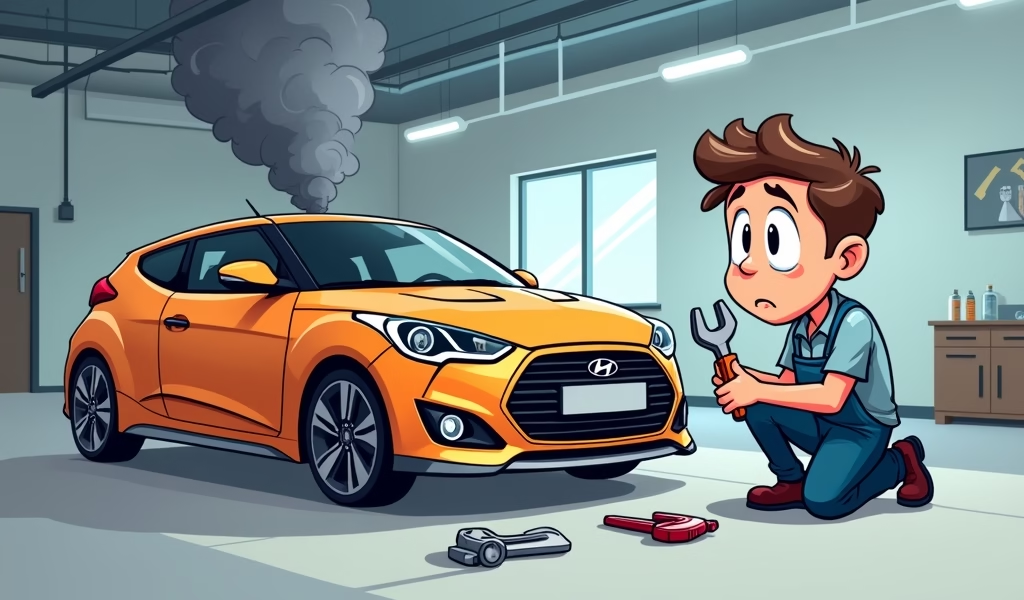
Your Veloster will usually give you clear warning signs before a catastrophic turbo failure. Catching these early symptoms can mean the difference between a minor repair and a complete engine rebuild.
The first and most common sign is a noticeable power loss. If your car feels sluggish, especially during acceleration or when climbing hills, your turbo might be struggling. This often manifests as hesitation or a delay when you press the gas pedal.
Unusual noises are another telltale sign. While all turbos make a slight whistling sound during normal operation, listen for any changes in this sound – particularly high-pitched whining, grinding, or rattling noises when accelerating. These sounds often indicate bearing wear or internal damage.
Watch your exhaust closely too. Blue smoke suggests oil is leaking into your combustion chambers, often through worn turbo seals. Black smoke might indicate a rich fuel mixture caused by turbo-related sensor issues.
The check engine light is your friend here. Modern vehicles have sophisticated engine management systems that can detect issues with boost pressure, air-fuel ratios, and turbo-related sensors long before you notice performance problems. Don’t ignore this warning light, especially if it’s accompanied by any other symptoms.
Finally, pay attention to your fuel economy. A sudden drop in miles per gallon without changes in your driving habits could signal that your turbo isn’t functioning efficiently, forcing the engine to work harder and consume more fuel.
Most Frequent Veloster Turbo Issues
After working on hundreds of Veloster Turbos over the years, I’ve noticed several recurring problems that owners should be aware of:
Oil supply issues top the list. Your turbocharger spins at incredible speeds – up to 150,000 RPM – and depends entirely on a steady supply of clean oil for lubrication and cooling. Irregular oil changes or using incorrect oil viscosity can cause premature turbo failure. The turbo’s bearings are particularly vulnerable to oil starvation or contamination.
The wastegate actuator mechanism is another common failure point, especially in 2013-2015 models. This component controls boost pressure by regulating exhaust flow. When it fails, you’ll experience inconsistent boost, rattling noises, and often a check engine light. According to Car Complaints, this is one of the most reported issues for early Veloster Turbo models.
Carbon buildup on intake valves affects many direct-injected engines, including the Veloster Turbo. Unlike port-injected engines where fuel washes over the intake valves, direct injection sprays fuel directly into the combustion chamber. This means carbon deposits can gradually accumulate on the valves, restricting airflow and reducing performance.
Intercooler and boost pipe leaks create a frustrating problem where your turbo works correctly but the pressurized air escapes before reaching the engine. Heat cycling and engine vibration can cause connections to loosen over time. Even small leaks significantly impact performance.
Heat shield damage is often overlooked but can cause annoying rattling noises and potential heat damage to surrounding components. The turbo operates at extremely high temperatures, and proper heat management is crucial for longevity.
Preventative Maintenance to Protect Your Turbo
An ounce of prevention is worth a pound of cure, especially when it comes to turbocharged engines. Following these maintenance practices can dramatically extend your turbo’s life:
Stick to a strict oil change schedule. For turbocharged Velosters, follow Hyundai’s “severe service” interval recommendations rather than the standard schedule. This typically means changing oil every 3,000-5,000 miles rather than the longer intervals suggested for normal driving. Always use synthetic oil that meets Hyundai’s specifications (usually 5W-30), as it handles high temperatures better than conventional oils.
Proper warm-up and cool-down procedures are crucial yet often overlooked. Allow your engine to idle for 15-30 seconds before driving, especially in cold weather. Even more importantly, give your Veloster a minute of idle time before shutting off after spirited driving. This allows the turbo to cool gradually while oil continues circulating through the bearings.
Replace your air filter regularly as part of your car maintenance checklist. A clean air filter prevents contaminants from damaging your turbo’s compressor wheel. Check it every 10,000 miles or more frequently in dusty conditions.
Consider having carbon cleaning performed every 40,000-60,000 miles. This procedure removes carbon deposits from intake valves, restoring proper airflow and combustion efficiency. Many shops offer walnut shell blasting, which is effective without requiring disassembly of the engine.
Check for boost leaks annually or whenever you notice a performance decrease. A professional boost leak test uses smoke or pressure to identify any escape points in your intake system. Catching and fixing small leaks early prevents additional stress on your turbocharger.
Repair Costs and What to Expect
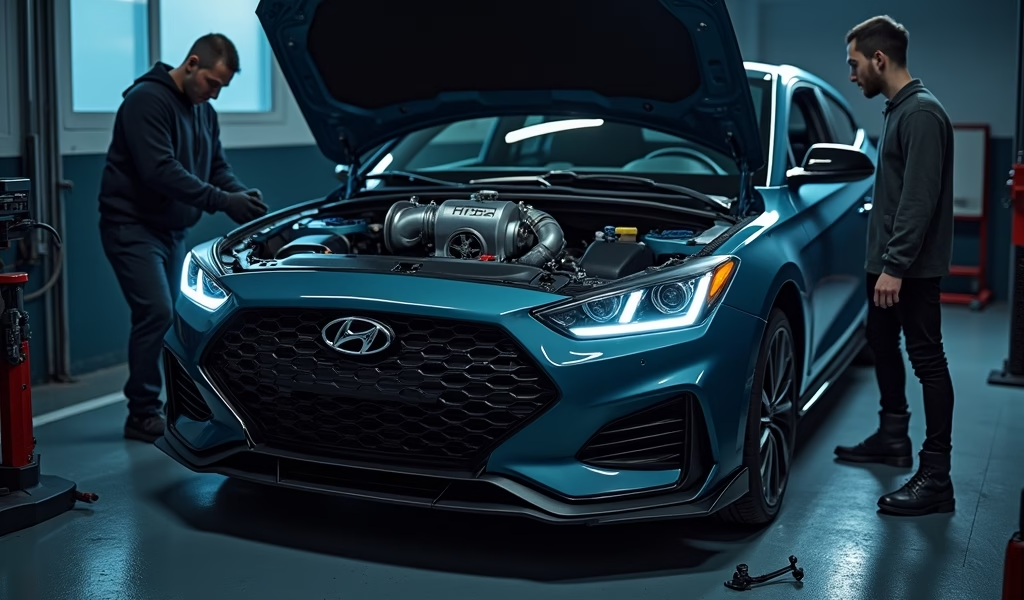
When budgeting for potential turbo issues, it helps to understand the typical costs involved. I’ve broken these down based on my experience working with Velosters:
- Diagnostic testing: $100-150 (many shops apply this toward repair costs)
- Wastegate actuator replacement: $300-500 including parts and labor
- Boost leak repair: $150-400 depending on location and severity
- Carbon cleaning service: $350-600 depending on method
- Turbocharger rebuild: $800-1,200 if your turbo housing is in good condition
- Complete turbocharger replacement: $1,500-2,500 installed
These costs vary based on your location, whether you choose OEM or aftermarket parts, and your specific model year. The 2013-2015 Veloster Turbos tend to have more issues than later models, which benefited from design improvements.
When facing a complete turbo replacement, you’ll need to decide between OEM (Original Equipment Manufacturer) and aftermarket options. OEM parts match factory specifications exactly but typically cost more. Quality aftermarket turbochargers from reputable manufacturers like Garrett or Borg Warner can offer good reliability at a lower price point.
Don’t forget to check your warranty status before paying for repairs. Hyundai’s powertrain warranty is generous (10 years/100,000 miles for original owners), and some turbo-related issues might be covered depending on your vehicle’s age and service history.
One essential car maintenance treatment that prevents costly turbo repairs is a periodic oil analysis. For about $30, you can send a sample of your engine oil to a lab that will analyze it for metal particles, contaminants, and other indicators of potential problems.
DIY vs. Professional Repairs
While I always encourage car owners to learn about their vehicles, turbo repairs require careful consideration of your skill level and available tools.
DIY-friendly tasks include:
- Visual inspections for oil leaks around the turbo
- Air filter replacement
- Oil and filter changes
- Basic boost leak checks (listening for hissing sounds)
- Monitoring performance with an OBD-II scanner
These preventative measures can help you catch problems early without specialized training. However, when it comes to actual turbo repairs, the complexity increases significantly.
Professional repairs are recommended for:
- Internal turbocharger work
- Wastegate adjustments or replacement
- Electronic control issues
- Carbon cleaning procedures
- Complete turbo replacement
Finding a qualified specialist is crucial. Not all mechanics are experienced with turbocharged engines, especially the somewhat unique Veloster. Look for shops that specialize in imports, performance vehicles, or Hyundai specifically. Independent Hyundai specialists often offer better value than dealerships for out-of-warranty vehicles while maintaining expertise with your specific model.
Before authorizing work, ask potential shops about their experience with Veloster Turbos specifically, whether they use OEM or aftermarket parts (and which brands), and what kind of warranty they provide on their labor and parts. A reputable shop will be transparent about these details.
As noted by AA1Car, many turbo failures are actually caused by underlying issues elsewhere in the engine, so comprehensive diagnostics are essential before replacing expensive components.
Tips for Extending Your Turbo’s Lifespan
Your driving habits have a massive impact on turbo longevity. Here are my top tips for extending your Veloster Turbo’s life:
Allow proper warm-up time. Let your engine reach operating temperature before pushing it hard, especially in cold weather. This ensures oil is flowing properly through the turbo bearings before they’re subjected to high speeds and temperatures.
Avoid lugging the engine. Trying to accelerate in too high a gear puts excessive strain on both your engine and turbo. Downshift when needed to keep the engine in its power band.
Give your car a minute to cool down after spirited driving. This “cool-down period” allows the turbo’s temperature to decrease gradually while oil continues circulating. Shutting off immediately after hard driving can cause oil to “coke” or burn in the hot bearings.
Be religious about oil changes, using only high-quality synthetic oil that meets Hyundai’s specifications. The modest cost difference between basic and premium oil is insignificant compared to the cost of turbo repairs.
Consider installing an aftermarket boost gauge or using an OBD-II app that can monitor boost pressure. This gives you immediate feedback if something isn’t working correctly, potentially saving your turbo from damage.
Modify wisely if you choose to upgrade your Veloster. Increasing boost pressure without supporting modifications like improved cooling, stronger internals, and professional tuning is a recipe for disaster. According to Engine Labs, improper modifications are a leading cause of premature turbo failure.
Conclusion
Your Hyundai Veloster Turbo offers an exciting driving experience with its peppy turbocharged engine, but this performance comes with maintenance responsibilities that shouldn’t be ignored. By understanding how your turbo works, recognizing early warning signs of trouble, and following proper maintenance procedures, you can enjoy thousands of trouble-free miles with your boosted Veloster.
The most important takeaways are to change your oil religiously with quality synthetic oil, allow proper warm-up and cool-down time, listen for unusual noises, and address minor issues promptly before they escalate into major repairs. These simple practices can save you thousands in repair costs while extending the life of your turbocharger.
Whether you’re a current Veloster owner or considering purchasing one, factor these maintenance needs into your ownership experience. With proper care, the Veloster Turbo can be a reliable, engaging daily driver that delivers smiles per mile without breaking the bank on repairs.
Remember that prevention is always cheaper than cure. A few extra minutes of cool-down time after a spirited drive and a few extra dollars spent on quality oil are small investments compared to the cost of a complete turbo replacement. Your Veloster will thank you with years of trouble-free performance.
Frequently Asked Questions
How long does a Hyundai Veloster turbocharger typically last?
With proper maintenance, a Veloster turbocharger should last 100,000-150,000 miles. Regular oil changes and allowing proper cool-down time after driving significantly extend turbo life.
What are the first signs of turbo failure in a Veloster?
Early warning signs include loss of power during acceleration, unusual whistling or whining noises, and excessive exhaust smoke. The check engine light may also illuminate due to boost-related fault codes.
How much does it cost to replace a Veloster turbocharger?
Complete turbocharger replacement typically costs between $1,500-2,500 installed. The price varies based on whether you choose OEM or aftermarket parts and your local labor rates.
Can I drive with a failing turbo?
While the car may still drive, continuing with a failing turbo risks more extensive engine damage. If you must drive, avoid hard acceleration and get it repaired as soon as possible.
Are aftermarket turbochargers reliable for the Veloster?
Quality aftermarket turbochargers from reputable brands like Garrett or Borg Warner can be just as reliable as OEM parts. Avoid cheap, unknown brands as they often use inferior materials and craftsmanship.