

Overview
Much like your mechanic who winces at the phrase “filled for life,” this article reveals that Jeep Renegade transmissions—particularly the complex 9-speed ZF models—require regular maintenance contrary to factory claims, with fluid changes recommended every 30,000-60,000 miles instead of Jeep’s longer intervals. Beyond maintenance schedules, the guide comprehensively covers warning signs (unusual noises, shifting problems, burning smells), repair options ranging from targeted fixes ($500-$1,800) to full replacements ($3,500-$5,500), and practical advice on extending transmission life—potentially to 200,000+ miles with proper care versus under 70,000 miles with neglect.
Table of Contents
- Understanding Jeep Renegade Transmission
- Common Transmission Warning Signs
- Typical Causes of Transmission Failure
- Essential Maintenance Practices
- Lifespan Expectations
- When to Repair or Replace
- Cost Breakdown
- DIY vs. Professional Service
- Conclusion
- Frequently Asked Questions
Understanding Jeep Renegade Transmission
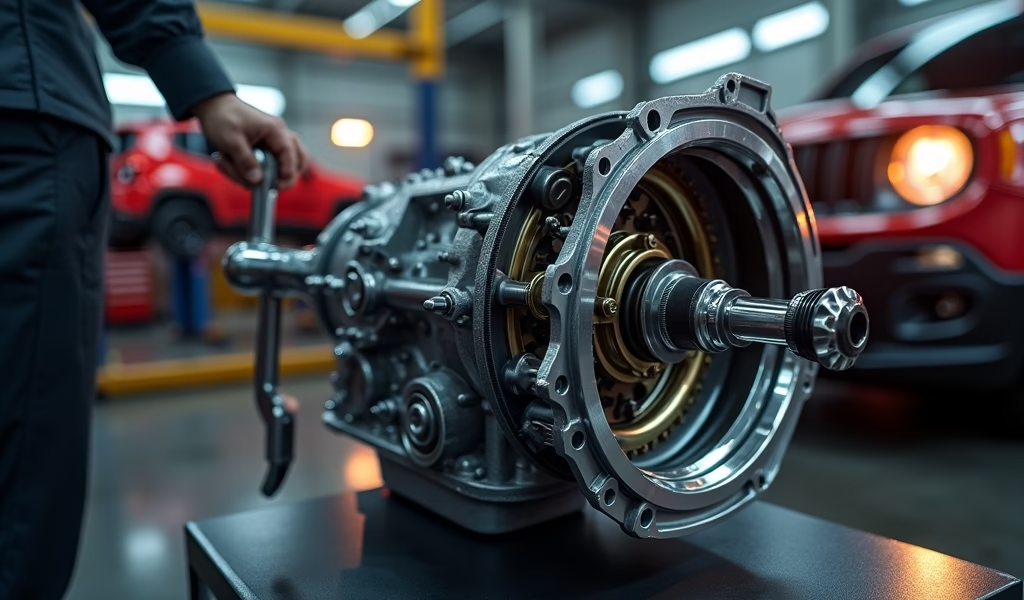
As a mechanic who’s had his hands deep inside countless Jeep Renegade transmissions, I can tell you that these complex systems are both fascinating and occasionally frustrating. The Jeep Renegade transmission is a sophisticated piece of engineering that connects your engine’s power to your wheels, allowing your vehicle to move efficiently across various speeds and terrains.
Let me walk you through what makes these transmissions tick. Since the Renegade’s introduction in 2015, Jeep has primarily used the 9-speed ZF 9HP automatic transmission in North American models. Some earlier models came with a 6-speed manual transmission (particularly those with the 1.4L MultiAir Turbo engine), while European markets sometimes received models with a 6-speed dual-dry clutch transmission.
The 9-speed automatic found in most Renegades uses a unique dog-clutch design instead of traditional friction clutches for certain gear changes. This design improves fuel efficiency but has been the source of some headaches in earlier model years. Your transmission’s brain—the Transmission Control Module (TCM)—constantly calculates the perfect moment to shift based on your driving conditions, making thousands of decisions per second.
Inside your transmission, you’ll find several critical components working together:
- Torque converter: The fluid coupling between your engine and transmission
- Valve body: Directs pressurized fluid to activate the appropriate clutches
- Planetary gearsets: Provide different gear ratios without manual engagement
- Transmission fluid: The lifeblood that lubricates, cools, and transfers power
- Solenoids and sensors: The electronic components that enable precise control
Understanding these basics helps explain why transmission repairs often carry hefty price tags. When these precision parts don’t play nice together, your vehicle’s performance suffers noticeably and repair costs can quickly escalate.

Common Transmission Warning Signs
Your Jeep will usually try to tell you something’s wrong before catastrophic failure occurs. The key is learning to speak its language. Here are the warning signs that I’ve consistently seen in Renegades with developing transmission problems:
Unusual Noises
If your Renegade starts making sounds you haven’t heard before, pay attention. A whining or buzzing noise that increases with speed often indicates low fluid levels or torque converter issues. Clunking or thumping during shifts suggests worn internal components or mounting problems. Many Renegade owners describe a distinctive “drone” at highway speeds that often precedes more serious issues.
Don’t ignore these sounds—they’re your first clue that something needs attention. Each noise tells a story about what’s happening inside your transmission.
Shifting Problems
The 9-speed ZF transmission has some quirky shift characteristics even when healthy, but certain behaviors warrant immediate attention. If you notice delays longer than 2-3 seconds when shifting from park to drive, harsh engagement when shifting between reverse and drive, or if your Renegade seems confused about which gear to choose (often called “hunting”), these are red flags.
Another common complaint is hesitation during acceleration when the transmission should downshift but doesn’t respond promptly. These issues typically start subtly and progressively worsen, so any change in your vehicle’s normal shifting behavior deserves investigation.
Burning Smell and Fluid Leaks
A burning odor resembling overheated electronics or burnt paper is a serious warning sign that your transmission fluid is overheating. This can happen due to low fluid levels, internal friction from worn components, or towing beyond capacity. If you notice this smell, safely pull over as soon as possible—continuing to drive could cause permanent damage.
As for fluid leaks, your Jeep Renegade transmission should never leak. Unlike engine oil that might occasionally seep from gaskets, any transmission fluid leak requires immediate attention. Look for red or brownish fluid puddles under the front-center of your vehicle. Even small leaks can rapidly deplete your fluid level, potentially leading to catastrophic failure.
Warning Lights and Error Codes
Modern transmissions are monitored by multiple sensors, and problems often trigger check engine lights. Some common Renegade transmission-related codes include:
- P0700: General transmission control system fault
- P0730-P0736: Incorrect gear ratio detected
- P0740: Torque converter clutch circuit malfunction
- P0841-P0871: Various pressure sensor and switch issues
While you can read these codes with an OBD-II scanner, proper diagnosis often requires professional equipment. Don’t ignore these electronic warnings—they’re designed to alert you before major damage occurs.
The “Judder” Issue
Particularly in 2015-2017 Renegades, many owners report a distinct shudder or “judder” feeling during light acceleration between 20-45 mph. This sensation, often described as feeling like driving over rumble strips, is frequently related to torque converter operation. Jeep has addressed this in several technical service bulletins (TSBs), and according to Jeep’s official documentation, it sometimes qualifies for repairs even outside the normal warranty period.
Typical Causes of Transmission Failure
After diagnosing hundreds of Jeep Renegade transmission issues, I’ve identified several common culprits behind these failures. Understanding these can help you prevent problems before they start.
Design Limitations of the 9-Speed ZF
The ZF 9HP transmission was introduced as a cutting-edge design, but early iterations had several teething problems. Shift quality issues, particularly between 1st, 2nd, and 3rd gears, were common complaints. The complex design also resulted in premature wear of specific clutch packs and valve body malfunctions that caused erratic shifting.
While Jeep and ZF have made continuous improvements, these issues are more prevalent in 2015-2017 models. The good news is that many of these problems have been addressed in later production runs and through software updates.
Software and Electronic Issues
Many Renegade transmission issues can be resolved through software updates rather than mechanical repairs. The transmission control module operates on complex algorithms that have been refined over time. If your vehicle hasn’t received transmission software updates, this could prevent potential problems.
Updates typically improve shift timing and quality, torque converter lockup strategy, and temperature management. Some owners report dramatic improvements in transmission behavior after these relatively inexpensive updates.
Heat and Fluid Issues
Transmission fluid breaks down primarily due to excessive heat, and the Renegade’s compact design means the transmission operates in a confined space. Several factors can cause overheating:
- Towing beyond rated capacity
- Extended driving in mountainous terrain
- Stop-and-go traffic in hot weather
- Cooling system problems affecting the transmission cooler
- Low fluid levels reducing cooling capacity
The 9-speed transmission is particularly sensitive to fluid quality and level. Problems arise from fluid that’s never been changed becoming oxidized, metal particles contaminating the fluid, or incorrect fluid type being used during service.
Unlike older transmissions, many modern units don’t have traditional dipsticks, making regular professional inspection more important. I’ve seen too many transmissions fail simply because owners couldn’t easily check their fluid levels.
Normal Wear vs. Manufacturing Defects
It’s important to distinguish between normal wear (gradual deterioration over time and miles) and manufacturing defects (issues that appear early in the vehicle’s life). While normal wear is inevitable, manufacturing issues are often covered under warranty or through Technical Service Bulletins, sometimes even outside the normal warranty period.
The National Highway Traffic Safety Administration maintains records of all technical service bulletins, and checking these before paying for repairs could save you considerable money if your issue is covered.
Essential Maintenance Practices
Having rebuilt numerous failed transmissions that could have been saved with proper care, I can confidently say that maintenance is your best defense against costly repairs. Here are the maintenance practices I recommend to every Jeep Renegade owner.
Fluid Service: The Lifeblood of Your Transmission
Despite Jeep’s claim that some transmissions are “filled for life,” real-world experience strongly contradicts this. While the factory might suggest the original fluid can last 150,000+ miles, I recommend a very different schedule:
- First change: 50,000 miles
- Subsequent changes: Every 30,000-60,000 miles depending on driving conditions
- More frequent changes for severe conditions: towing, extreme temperatures, or stop-and-go traffic
Almost every transmission specialist I know recommends earlier and more frequent fluid changes than the manufacturer. This single practice could double the life of your transmission.
Checking Fluid Level and Condition
Most Renegade models don’t have a traditional transmission dipstick, which complicates DIY checks. Many have a fill plug on the side of the transmission that requires special tools to access, while others require the vehicle to be lifted and level for accurate measurement.
Because of these complexities, professional inspection is recommended. However, you can still monitor for leaks by checking your parking spot and examining the transmission housing visually. For fluid condition, healthy fluid should be clear red (not brown or black), without a burnt odor, and free of visible debris.
Cooling System Maintenance
Your transmission’s longevity is directly tied to proper cooling. Ensure your engine cooling system is functioning properly, as it also cools the transmission. Clean debris from the transmission cooler (typically located near the radiator) and verify that cooling lines are intact and not leaking.
If you tow or drive in hot climates, consider installing an auxiliary cooler. This relatively inexpensive modification can significantly extend transmission life by keeping operating temperatures in the optimal range.
Filter Replacement
The internal transmission filter should be replaced during fluid changes, when any internal work is performed, if fluid shows signs of contamination, or approximately every 60,000 miles in severe driving conditions. This job is best left to professionals, as it involves partially disassembling the transmission and replacing the pan gasket.
Regular maintenance treatments like this may seem expensive in the short term, but they’re a fraction of the cost of transmission replacement.
Addressing Minor Issues Promptly
The progression from minor to major transmission problems often follows a predictable pattern. Occasional odd shift behavior becomes regular shift issues, then consistent problems. Brief hesitation evolves into extended engagement delays and eventually failure to engage gears. Slight fluid seepage becomes an active leak, leading to severe fluid loss and damage.
Addressing issues at stage one costs significantly less than waiting for stage three. Annual transmission inspections can catch these problems early when they’re still inexpensive to fix.
Lifespan Expectations
Based on my experience working with hundreds of Jeep Renegades, I can provide some realistic expectations about how long your transmission might last.
Model Year Variations
Different model years show distinct patterns in transmission longevity:
- 2015-2016 models: The earliest Renegades with the 9-speed transmission typically see issues appearing between 60,000-90,000 miles, though many reach 120,000+ with proper care.
- 2017-2018 models: Benefiting from early revisions, these often achieve 100,000-140,000 miles before major service.
- 2019+ models: With continuous improvements, these newer models are expected to reach 150,000+ miles with routine maintenance.
- Manual transmission models: Typically more durable, with many exceeding 200,000 miles before requiring major work.
Extending Your Transmission’s Life
Several owner habits directly correlate with longer transmission life:
- Regular fluid changes every 30,000-60,000 miles (more frequent than Jeep’s recommendations)
- Allowing the vehicle to warm up briefly before driving in cold weather
- Avoiding aggressive driving, particularly rapid acceleration from stops
- Installing auxiliary cooling if you tow or drive in extreme conditions
- Addressing minor issues promptly before they cause cascading damage
I’ve seen well-maintained Renegades with transmissions lasting well beyond 200,000 miles, while neglected ones failed before 70,000 miles. The difference almost always comes down to maintenance habits.
Warranty Considerations
Jeep Renegade transmissions are typically covered under the basic 3-year/36,000-mile warranty and the powertrain 5-year/60,000-mile warranty. Extended warranties provide additional coverage if purchased.
Additionally, numerous Technical Service Bulletins (TSBs) have been issued for transmission concerns. These manufacturer-recognized problems sometimes result in repairs being covered outside normal warranty periods. Notable TSBs include:
- TSB 21-003-16: Addressing harsh 1-2 upshifts and 5-4 downshifts
- TSB 21-006-15: Covering torque converter clutch shudder
- TSB 21-011-17: Resolving delayed engagement from Park to Drive
Always reference these TSBs when discussing concerns with your dealer’s service department. Sometimes, simply mentioning the appropriate TSB number can make the difference between a covered repair and an expensive bill.
When to Repair or Replace
Even with meticulous maintenance, transmissions eventually wear out. When facing serious transmission issues, you have several options to consider.
Repair Options for Minor Issues
Not every transmission problem requires complete replacement. For many issues, targeted repairs can resolve the problem at a fraction of the cost:
- Solenoid pack replacement: Often resolves electronic shifting issues for $500-$900
- Valve body replacement: Can fix many hydraulic control problems for $800-$1,500
- Torque converter replacement: Might address shudder issues for $1,000-$1,800
A qualified transmission specialist can determine which approach makes the most economic sense based on your vehicle’s age, mileage, and condition. I’ve often saved customers thousands by identifying specific components that needed replacement rather than recommending a complete rebuild.
Replacement Options
When internal damage is extensive, replacement becomes necessary. You have several options:
- Rebuilt transmission: Your existing transmission is disassembled, worn parts replaced, and reassembled. Cost: $2,800-$3,500. Typically carries a 1-2 year warranty.
- Remanufactured transmission: Factory-rebuilt unit with all components restored to original specifications or upgraded. Cost: $3,200-$4,200. Usually includes a 3-5 year warranty.
- New transmission: Factory-fresh unit with all new components. Cost: $4,500-$5,500+. Comes with full manufacturer warranty.
For vehicles you plan to keep long-term, remanufactured units often offer the best balance of quality and cost. I typically recommend these for customers who plan to keep their Renegades for several more years.
Quality Considerations
Quality varies dramatically among replacement transmissions. Look for units that use OEM-quality internal components, transmissions built with the latest technical updates incorporated, and reputable rebuilders with positive reviews. Extended warranty offerings often indicate confidence in the product.
Avoid the cheapest options, which frequently use inferior components that lead to repeat failures. I’ve seen too many customers return with failed “budget” transmissions only months after installation.
Cost Breakdown
Understanding the costs associated with transmission service helps you budget appropriately and avoid surprises. Here’s what you can expect to pay:
Preventive Maintenance Costs
A basic transmission service typically costs between $150-$300 and includes draining accessible fluid, replacing the filter (if accessible without major disassembly), refilling with new fluid, and a basic system check.
More comprehensive services may involve transmission pan removal, complete fluid exchange using specialized equipment, computer diagnostic scanning, and adjustment of bands and linkages where applicable. These more thorough services usually range from $250-$400.
Minor Repair Costs
Common minor transmission repairs include solenoid replacement, speed sensor replacement, external seal replacement, shift cable or linkage adjustment, and minor valve body work. These repairs typically range from $500-$1,500 and address specific issues without requiring complete transmission disassembly.
These targeted repairs often represent the best value, addressing the root cause of a problem before it leads to catastrophic failure. Think of them as “transmission saving” procedures.
Major Replacement Costs
Full transmission replacement costs depend on the type of replacement unit (rebuilt, remanufactured, or new), labor rates in your geographic area, whether additional components need replacement, and the warranty package selected. Expect to pay $3,500-$5,000+ for a complete replacement.
Dealership prices typically run 15-30% higher than independent transmission shops, though dealer service may offer advantages in terms of warranty coverage and access to factory parts and information.
Warranty and Insurance Options
If your vehicle is still relatively new, consider manufacturer extended warranties (most comprehensive but expensive), third-party warranties from reputable companies, or transmission-specific coverage plans.
Standard auto insurance doesn’t cover transmission failure due to wear or mechanical issues. However, some mechanical breakdown insurance policies cover transmissions, and if a transmission fails due to an accident, comprehensive or collision coverage may apply.
DIY vs. Professional Service
As a transmission specialist, I respect DIY enthusiasm, but I also know the limits of what’s practical for most home mechanics. Here’s my honest assessment of what you can handle yourself and when to call in the pros.
DIY-Friendly Maintenance
Even without specialized training, you can visually inspect for leaks and fluid condition, check transmission mounts for deterioration, listen for unusual noises during operation, document when and how transmission issues occur, and perform basic diagnostic scanning with consumer-level OBD-II tools.
These simple checks can help you catch problems early and communicate more effectively with your mechanic if service is needed.
When to Call the Professionals
Modern transmissions, especially the 9-speed ZF in the Renegade, are incredibly complex. Without specialized tools, training, and facilities, many repairs are simply beyond DIY capabilities. Professional service is recommended for:
- Fluid level checks (due to the lack of a traditional dipstick)
- Fluid changes (proper procedure requires special equipment)
- Internal component repairs or replacements
- Software updates and electronic calibrations
- Diagnostic troubleshooting beyond basic code reading
The right professional can save you money in the long run by correctly diagnosing issues and performing proper repairs the first time. I’ve seen too many DIY attempts that ultimately cost more than professional service would have.
Finding a Qualified Transmission Specialist
Not all mechanics are equally qualified to work on transmissions, especially the complex 9-speed in the Renegade. Look for shops that specialize in transmissions or have technicians with specific training on ZF transmissions. Ask about their experience with Jeep Renegades specifically and what kind of warranty they offer on their work.
A good transmission specialist will take the time to explain your options, show you the failed components, and help you make an informed decision rather than rushing you into expensive repairs.
Conclusion
Your Jeep Renegade’s transmission is a remarkable piece of engineering that, with proper care, can provide years of trouble-free service. By understanding the warning signs of transmission problems, following recommended maintenance practices, and addressing minor issues promptly, you can avoid the shock of a $4,000+ transmission replacement bill.
Remember that the factory’s “filled for life” claim should be taken with a grain of salt—regular fluid changes remain the single most effective way to extend transmission life. If you drive in severe conditions, tow frequently, or plan to keep your Renegade long-term, consider more frequent maintenance than Jeep recommends.
When problems do arise, weigh your repair and replacement options carefully. Sometimes, targeted repairs to specific components can resolve issues at a fraction of the cost of a complete replacement. If replacement becomes necessary, consider a quality remanufactured unit with a solid warranty rather than the cheapest option available.
Whether you’re a DIY enthusiast or prefer professional service, staying informed about your Jeep Renegade transmission will help you make better decisions and ultimately save money while enjoying your automatic vehicle for many miles to come.
Frequently Asked Questions
How long does a Jeep Renegade transmission typically last?
With proper maintenance, a Jeep Renegade transmission can last 150,000-200,000 miles. Earlier models (2015-2016) may experience issues sooner, while newer models benefit from design improvements.
How much does it cost to replace a Jeep Renegade transmission?
A complete transmission replacement costs between $3,500-$5,000 depending on whether you choose a rebuilt, remanufactured, or new unit. Dealer prices typically run 15-30% higher than independent transmission shops.
How often should I change the transmission fluid in my Jeep Renegade?
Despite Jeep’s “filled for life” claim, transmission specialists recommend changing fluid every 30,000-60,000 miles. The first change should occur around 50,000 miles, with more frequent changes for severe driving conditions.
What are the early warning signs of transmission problems in a Jeep Renegade?
Watch for delayed or rough shifting, unusual noises (whining, buzzing, clunking), hesitation during acceleration, and a burning smell. The check engine light may also illuminate with transmission-specific error codes.
Is the 9-speed transmission in the Jeep Renegade reliable?
The 9-speed ZF transmission had some issues in early models (2015-2017) but has improved in later years. With proper maintenance and prompt attention to minor issues, it can be reasonably reliable.