

Overview
Just like morning coffee can leave residue in your mug, the direct injection system in your Lexus NX200t allows carbon deposits to accumulate on intake valves, causing reduced performance and potential engine issues around 50,000-70,000 miles. Preventative measures like premium fuel, occasional “Italian tuneups,” and regular maintenance cost far less than professional walnut blasting repairs, ultimately saving thousands while preserving your vehicle’s performance and reliability.
Table of Contents
- Understanding Carbon Buildup in Your Lexus NX200t
- Symptoms of Carbon Buildup in Lexus NX200t
- What Causes Carbon Buildup in Direct Injection Engines
- Prevention Strategies for Lexus NX200t Carbon Buildup
- Carbon Cleaning Methods for the NX200t
- DIY vs. Professional Carbon Cleaning
- Cost Comparison of Prevention vs. Repair
- Long-Term Maintenance Plan for Your Lexus
- Conclusion
- Frequently Asked Questions
Understanding Carbon Buildup in Your Lexus NX200t
Lexus NX200t carbon buildup is a common issue that affects many owners of this otherwise reliable luxury crossover. If you drive a 2015-2020 NX200t equipped with the 2.0L turbocharged engine, you might eventually face this challenge. Carbon deposits gradually form on intake valves and ports, restricting airflow and causing performance issues.
Unlike older port injection systems, the direct injection technology in your NX200t sprays fuel directly into the combustion chamber. While this design improves fuel efficiency and power, it eliminates the cleaning effect that fuel would normally have on intake valves. The result? Carbon accumulates more readily on these surfaces.
Many Lexus owners don’t realize this is happening until symptoms become noticeable, typically around 50,000-70,000 miles. By understanding this process, you can take preventive steps before costly repairs become necessary.
Symptoms of Carbon Buildup in Lexus NX200t
Wondering if your NX200t is suffering from carbon buildup? Here are the telltale signs to watch for:
- Rough idling or vibration when stopped
- Hesitation during acceleration
- Reduced engine power, especially during highway passing
- Increased fuel consumption
- Check engine light illumination (often with misfire codes)
- Cold start misfires or rough running
- Stalling at low speeds or when coming to a stop
These symptoms typically develop gradually. You might first notice a slight hesitation when accelerating from a stoplight. Over time, this evolves into more pronounced issues. The engine management system will try to compensate, but eventually, the carbon buildup becomes too significant for these adjustments to overcome.
Don’t ignore these warning signs! Early intervention can save you from more extensive engine damage and regular maintenance checks can help catch problems before they worsen.
What Causes Carbon Buildup in Direct Injection Engines
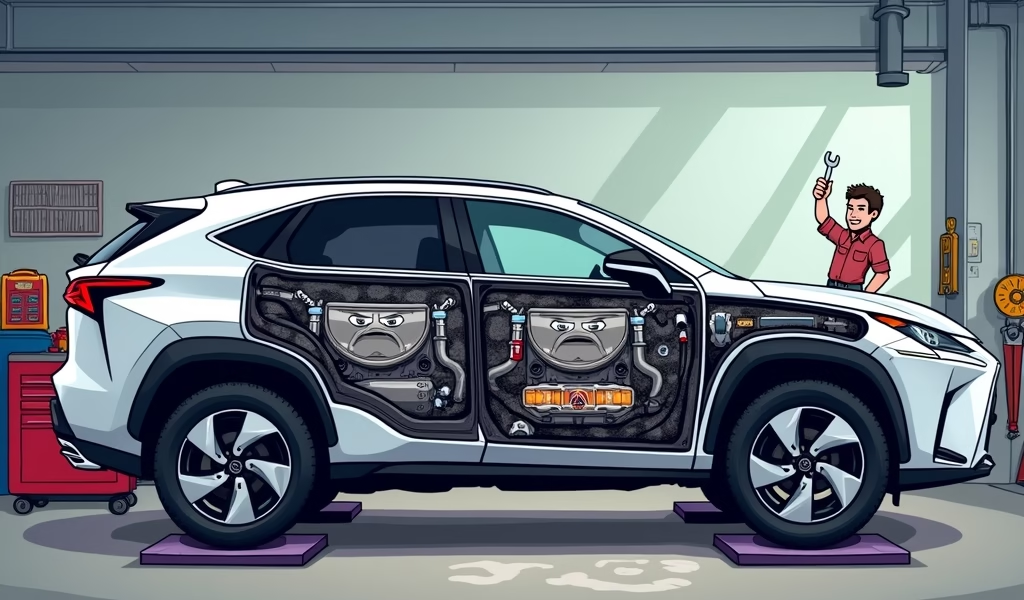
Carbon buildup in your Lexus NX200t stems primarily from the direct injection system design. In traditional port injection engines, gasoline sprays onto the back of intake valves, naturally cleaning them. Direct injection bypasses this process, injecting fuel directly into the combustion chamber instead.
Several factors accelerate carbon accumulation:
- PCV (Positive Crankcase Ventilation) system operation, which recirculates oil vapors back into the intake
- EGR (Exhaust Gas Recirculation) system, which returns exhaust gases containing carbon particles
- Short trips where the engine doesn’t reach full operating temperature
- Low-quality fuel with inadequate detergent additives
- Oil seepage past valve guides and seals
- Normal blow-by gases from the combustion process
The 2.0L turbocharged engine in your NX200t is particularly susceptible because of its high-pressure fuel system and performance-oriented design. According to research from the Society of Automotive Engineers, direct injection engines can show significant carbon deposits within 50,000 miles under normal driving conditions.
Prevention Strategies for Lexus NX200t Carbon Buildup
Preventing carbon buildup is significantly easier and less expensive than fixing the problem after it develops. Here are effective strategies to keep your Lexus NX200t’s intake system clean:
Use High-Quality Fuel
Premium fuel isn’t just a recommendation for the NX200t—it’s a requirement. Higher-quality fuels contain better detergent packages that help minimize carbon deposits. Consider brands certified as “Top Tier” gasoline, which contain additional cleaning agents beyond the minimum EPA requirements.
Regular Italian Tuneups
Don’t baby your Lexus all the time! Occasionally driving at higher RPMs (3,000-4,000) for sustained periods helps increase combustion temperatures, burning off lighter carbon deposits. Find an empty stretch of highway and accelerate moderately through the gears, allowing the engine to work harder than in typical city driving.
Fuel Additives
Quality fuel system cleaners can help minimize carbon buildup. Products containing polyetheramine (PEA) show the best results for cleaning intake valves. Add these to your tank every 3,000-5,000 miles or before oil changes.
Catch Can Installation
An oil catch can intercepts oil vapors from the PCV system before they can enter the intake and form deposits. This aftermarket modification can significantly reduce carbon buildup rates and improve car performance over time.
Follow Recommended Maintenance
Adhere to Lexus’s maintenance schedule, including:
- Regular oil changes with manufacturer-recommended synthetic oil
- Timely replacement of PCV valves and air filters
- Inspection of the EGR system for proper operation
Implementing these preventive measures costs relatively little compared to major carbon cleaning services. Most importantly, they help maintain your NX200t’s performance and fuel economy throughout its life.
Carbon Cleaning Methods for the NX200t
When prevention isn’t enough and carbon has already accumulated, several cleaning methods can restore your Lexus NX200t’s performance:
Chemical Cleaning
This less invasive approach uses specialized solvents introduced through the intake system. The chemicals work to dissolve carbon deposits without requiring engine disassembly. While convenient and less expensive, chemical cleaning has limitations:
- May not remove heavy or hardened deposits completely
- Often provides temporary improvement
- Requires repeated treatments for maintenance
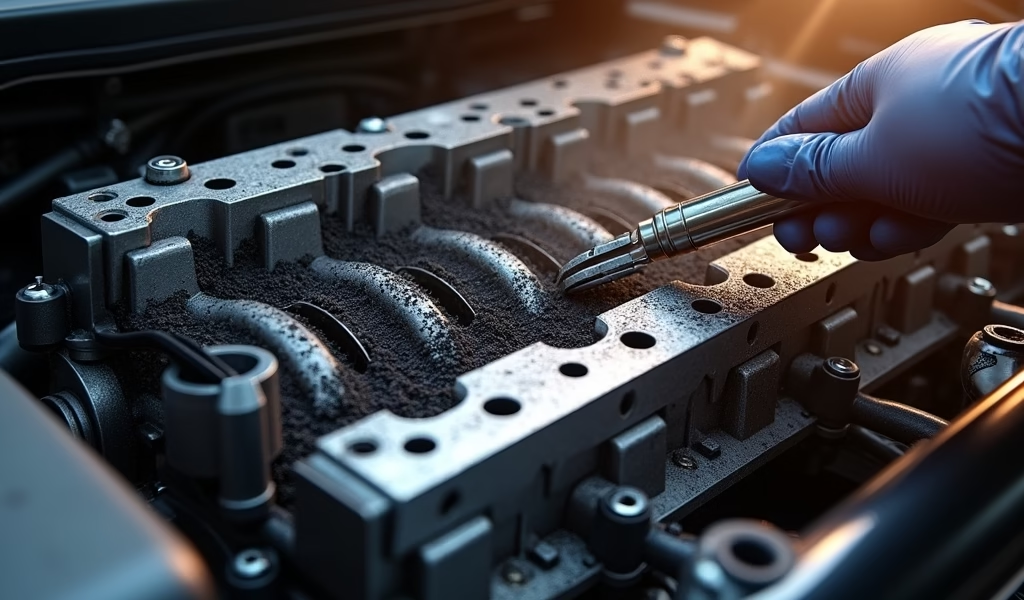
Walnut Blasting
The gold standard for carbon removal, walnut blasting involves:
- Removing the intake manifold to access intake valves
- Using crushed walnut shells as an abrasive medium
- Blasting the shells at deposits under pressure
- Thoroughly cleaning all removed carbon and walnut shell residue
This method effectively removes even stubborn deposits and restores proper airflow. Many Lexus specialists report dramatic performance improvements after walnut blasting severely affected engines.
Intake Cleaning Services
Some shops offer intake cleaning services using specialized equipment that nebulizes cleaning solutions into a fine mist. These treatments can be performed without extensive disassembly and may be effective for maintenance cleaning between more thorough services.
According to professional automotive technicians, a comprehensive cleaning should typically be performed every 30,000-60,000 miles, depending on driving conditions and preventive measures taken.
DIY vs. Professional Carbon Cleaning
Should you tackle carbon cleaning yourself or leave it to the professionals? Let’s weigh your options:
DIY Approach
For the mechanically inclined Lexus owner, DIY cleaning might be tempting. You can:
- Use intake cleaning sprays through the throttle body or vacuum lines
- Add fuel system cleaners to your gas tank
- Remove and clean the throttle body (a simpler task that helps with airflow)
These methods may help with mild carbon issues or serve as preventive maintenance. True DIY walnut blasting is possible but requires specialized equipment, mechanical knowledge, and considerable time—typically 6-8 hours for first-timers.
Professional Service
Professional carbon cleaning offers significant advantages:
- Proper tools and equipment for complete removal
- Experience in disassembling and reassembling complex intake components
- Ability to inspect for additional issues while accessing the intake system
- Warranty protection on work performed
A professional walnut blasting service for your NX200t typically costs between $500-$800. While not inexpensive, it’s significantly less than addressing engine damage caused by severe carbon buildup. Professional cleaning also typically includes before-and-after performance testing to verify improvements.
For most owners, professional service provides the best balance of cost and effectiveness, especially for the initial major cleaning. DIY methods work best as ongoing maintenance after professional treatment.
Cost Comparison of Prevention vs. Repair
Let’s break down the financial aspects of dealing with Lexus NX200t carbon buildup:
Prevention Costs
- Premium fuel: ~$0.30-0.50 more per gallon (minimal annual impact)
- Quality fuel system cleaners: $12-15 every 5,000 miles (~$30/year)
- Oil catch can installation: $150-300 (one-time cost)
- Regular maintenance following factory schedules: No additional cost
Total prevention cost over 5 years: Approximately $300-600
Repair Costs
- Professional walnut blasting: $500-800 every 50,000-60,000 miles
- Repair of carbon-related misfire damage: $350-500 (ignition coils, plugs)
- Fuel injector cleaning or replacement due to compensatory fuel trimming: $600-1,200
- Catalytic converter damage from long-term misfiring: $1,200-2,000
Potential repair costs without prevention: $2,000-4,500 over the same 5-year period
The financial case for prevention is clear. By investing in proper car maintenance treatments and prevention strategies, you’ll likely save thousands while enjoying better performance throughout your ownership experience.
Long-Term Maintenance Plan for Your Lexus
To minimize carbon buildup issues over the lifetime of your Lexus NX200t, follow this comprehensive maintenance plan:
Every 5,000 Miles
- Change oil using full synthetic oil recommended by Lexus
- Add a quality fuel system cleaner to a nearly empty tank
- Perform an “Italian tuneup” on an open highway
- Check and clean the throttle body if accessible
Every 15,000 Miles
- Inspect/clean MAF (Mass Air Flow) sensor
- Check for intake leaks that could affect air/fuel ratio
- Empty and clean oil catch can (if installed)
- Consider a professional intake cleaning service if showing early symptoms
Every 30,000 Miles
- Replace spark plugs with OEM or equivalent quality
- Replace PCV valve
- Check for intake manifold carbon with borescope inspection (if available)
Every 60,000 Miles
- Professional walnut blasting service (earlier if symptoms appear)
- Fuel injector cleaning service
- Comprehensive inspection of related systems (turbo, exhaust, etc.)
By following this schedule, you’ll maximize both performance and longevity of your Lexus NX200t. Remember that driving habits significantly impact carbon buildup rates—frequent short trips accelerate deposit formation, while regular highway driving helps minimize it.
Conclusion
Lexus NX200t carbon buildup is an inevitable consequence of the direct injection technology that powers this luxury crossover. While this design choice enables impressive performance and efficiency, it requires owners to be proactive about intake system maintenance.
By recognizing early symptoms, implementing preventive strategies, and addressing deposits before they cause significant performance issues, you can avoid the most expensive repair scenarios. Regular maintenance using quality products and occasional professional cleaning services will keep your NX200t running smoothly for years to come.
Remember that prevention is significantly more cost-effective than repair. A modest investment in maintenance now saves considerable expense later while preserving your vehicle’s performance, fuel economy, and reliability. With proper care, your Lexus NX200t can deliver the premium driving experience it was designed to provide, free from the performance-robbing effects of excessive carbon buildup.
Frequently Asked Questions
How often should I clean carbon deposits from my Lexus NX200t?
Professional carbon cleaning is typically recommended every 50,000-60,000 miles. More frequent cleaning may be necessary if you primarily drive short distances or in stop-and-go traffic.
Will using premium fuel prevent carbon buildup in my NX200t?
Premium fuel helps reduce carbon buildup but won’t eliminate it entirely. The higher quality detergents in premium fuel can slow deposit formation but can’t clean existing buildup on intake valves.
Can I drive with carbon buildup, or is immediate repair necessary?
Minor carbon buildup won’t immediately damage your engine, but significant accumulation causes performance issues and potential long-term damage. Address symptoms promptly when they appear rather than waiting for serious problems.
Do fuel additives actually work for preventing carbon buildup?
Quality fuel additives containing PEA (polyetheramine) help minimize carbon buildup but are most effective as preventive maintenance. They’re less effective at removing existing heavy deposits, which typically require mechanical cleaning.
Why doesn’t my Lexus dealer mention carbon cleaning during regular service?
Many dealers don’t include carbon cleaning in routine maintenance schedules despite it being a common issue. This service is typically performed when symptoms appear rather than as preventive maintenance.