
Overview
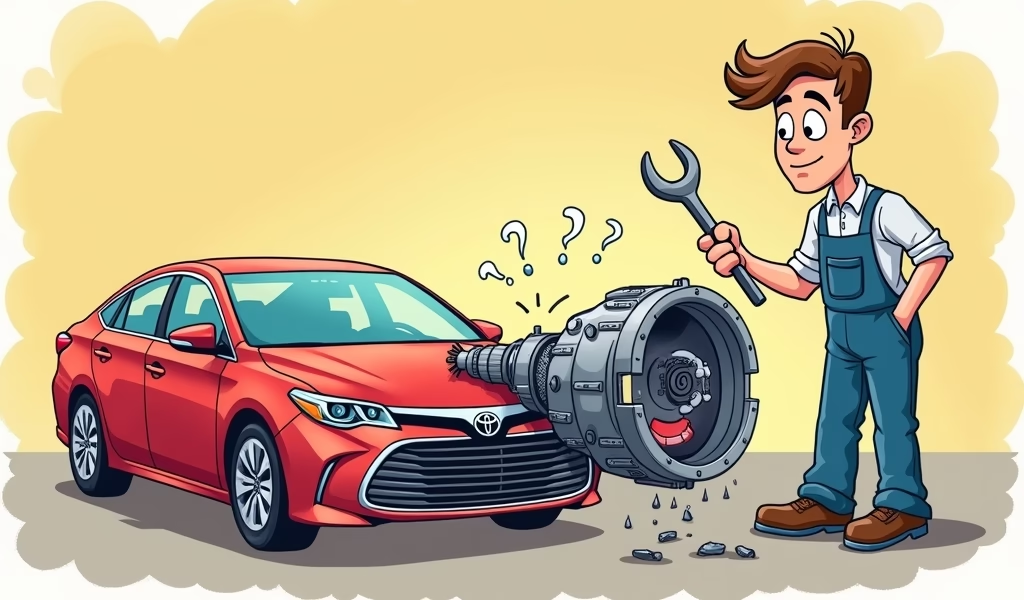
Just like that sinking feeling when your smooth ride suddenly jerks forward, Toyota Avalon transmission problems can turn luxury into stress—but most issues can be avoided with proper maintenance and early intervention. This practical guide covers everything from identifying early warning signs and understanding common transmission issues to maintenance best practices and repair options, potentially saving owners from that dreaded $4,000+ replacement bill while extending transmission life to 200,000+ miles in well-maintained models.
Table of Contents
- Introduction: When Smooth Rides Turn Rough
- Understanding Toyota Avalon Transmission Systems
- Warning Signs of Transmission Trouble
- Common Transmission Problems in Toyota Avalons
- Preventative Maintenance Tips
- Repair Options and Costs
- Problem Years vs. Reliable Years
- Conclusion: Protecting Your Avalon Investment
- Frequently Asked Questions
Introduction: When Smooth Rides Turn Rough
There’s nothing quite like that sinking feeling when your Toyota Avalon suddenly jerks forward, hesitates to shift, or makes an unusual noise. Transmission problems can turn your luxurious driving experience into a stressful situation in seconds.
I’ve been working on Toyota transmissions for over 15 years, and I can tell you that while Avalons are generally reliable vehicles, their transmissions aren’t immune to issues. The good news? Most problems can be avoided with proper maintenance and early intervention.
In this guide, I’ll walk you through everything you need to know about Toyota Avalon transmission problems – from identifying warning signs to understanding repair options. My goal is to help you avoid that dreaded $4,000+ replacement bill that I’ve unfortunately had to present to too many Avalon owners who came to me too late.
Understanding Toyota Avalon Transmission Systems
Toyota Avalons primarily come equipped with one of two transmission types: traditional automatic transmissions or, in newer models, electronically controlled automatic transmissions with more sophisticated programming.
Most Avalon models feature a 6-speed or 8-speed automatic transmission designed to balance performance with fuel efficiency. These transmissions use hydraulic pressure to shift gears, controlled by the Transmission Control Module (TCM) – essentially the brain of your transmission system.
What makes Avalon transmissions unique is their integration with Toyota’s overall vehicle management system. They’re programmed to adapt to your driving habits, which is why transmission problems sometimes manifest gradually – the computer is actually compensating for developing issues!
Warning Signs of Transmission Trouble
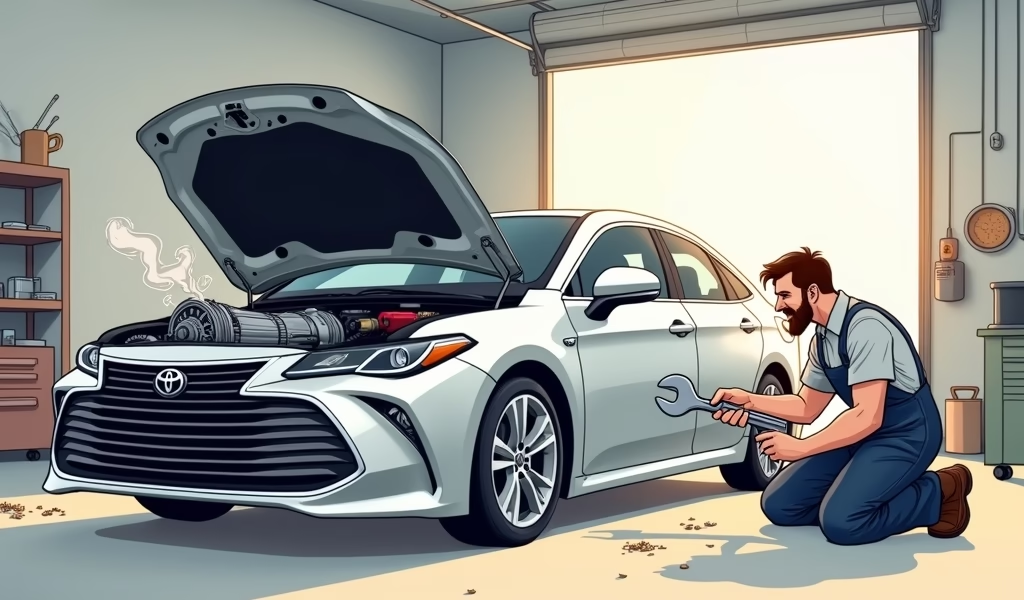
After working with hundreds of Avalon transmissions, I’ve found these are the telltale signs that should never be ignored:
Delayed Engagement
When you shift from Park to Drive, your Avalon should respond almost immediately. A noticeable delay (more than 1-2 seconds) indicates potential transmission problems. This is often one of the earliest warning signs that many drivers dismiss – don’t make that mistake!
Rough or Erratic Shifting
A healthy Avalon transmission should shift so smoothly you barely notice it. If you feel jarring, clunking, or hesitation between gears, something’s not right. Pay particular attention when the transmission shifts from 2nd to 3rd gear, as this is a common failure point in problematic model years.
Unusual Noises
Listen for whining, buzzing, or humming sounds, particularly when in neutral or during shifts. Transmission noises typically change in pitch or volume as your speed increases. Don’t turn up the radio to drown it out – that’s a costly mistake!
Slipping Gears
If your engine revs but the car doesn’t accelerate proportionally, or if the transmission unexpectedly shifts to neutral while driving, you’re experiencing transmission slipping. This is a serious issue requiring immediate attention.
Transmission Fluid Issues
Check your transmission fluid regularly – it should be bright red with a sweet smell. Dark, cloudy fluid with a burnt odor indicates overheating and internal damage. Also watch for leaks underneath your vehicle, particularly after it’s been parked overnight.
Check Engine Light
While many issues can trigger the check engine light, transmission problems frequently cause specific codes. If your light comes on, have the codes read immediately – most auto parts stores will do this for free.
Common Transmission Problems in Toyota Avalons
After diagnosing countless Avalon transmission issues, these are the most common problems I encounter:
Valve Body Malfunction
The valve body directs hydraulic fluid throughout your transmission. When valves stick or become clogged with debris, shifting problems result. This is particularly common in 2005-2007 models, often manifesting around 80,000-100,000 miles.
Torque Converter Issues
The torque converter transfers power from your engine to the transmission. Problems with the lockup clutch inside the converter often cause shuddering when accelerating from a stop. If left unaddressed, this can lead to complete transmission failure.
Solenoid Pack Failures
The solenoid pack controls the flow of transmission fluid to various parts of the transmission. Electrical failures in this component typically cause erratic shifting or the inability to shift into certain gears. I often see this in higher-mileage Avalons over 120,000 miles.
TCM (Transmission Control Module) Issues
Software glitches or electronic failures in the control module can cause transmission problems even when the mechanical components are fine. This is more common in newer models with more sophisticated electronic systems.
Internal Clutch Wear
The clutch plates inside your automatic transmission can wear over time, leading to slipping, poor acceleration, and eventually complete failure. This type of internal damage typically requires a rebuild or replacement.
It’s worth noting that many transmission problems begin as minor issues that, if caught early, can be repaired relatively inexpensively. That’s why ignoring warning signs is one of the most expensive mistakes Avalon owners make.
Preventative Maintenance Tips
In my experience, proper maintenance can often double the lifespan of an Avalon transmission. Here’s what I recommend to my customers:
Regular Fluid Changes
Despite what some manufacturers claim about “lifetime fluids,” I strongly recommend changing your Avalon’s transmission fluid every 30,000-60,000 miles. Fresh fluid provides better lubrication and heat dissipation, which are crucial for transmission longevity.
For most Avalon models, use only Toyota’s specified ATF WS (World Standard) fluid. Using incorrect fluid can cause serious damage even if it’s high quality. Regular fluid maintenance is your best defense against premature failure.
Filter Replacement
If your Avalon has a serviceable transmission filter (most do), replace it during fluid changes. This prevents contaminants from circulating through the system and causing internal damage.
Cooling System Maintenance
Your transmission relies on the engine cooling system to maintain proper operating temperatures. Regular coolant changes and radiator maintenance indirectly protect your transmission from heat-related damage.
Drive Wisely
Avoid habits that strain your transmission:
- Allow your car to warm up for 30-60 seconds before driving in cold weather
- Come to a complete stop before switching between Drive and Reverse
- Avoid aggressive driving with rapid acceleration and hard braking
- Limit extended idling in hot weather
- Use your parking brake on inclines instead of relying solely on the transmission “Park” position
Address Minor Issues Promptly
That slight hesitation when shifting might seem minor now, but addressing it early could prevent a cascade of problems later. Don’t wait until your transmission is slipping badly or making loud noises – by then, you’re likely looking at major repairs.
Repair Options and Costs
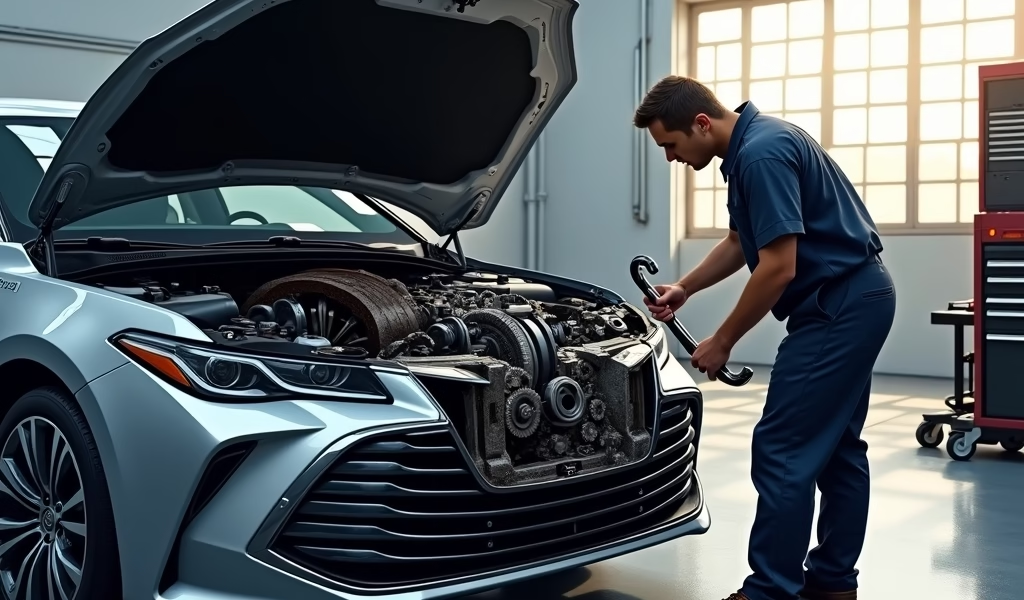
When transmission problems arise, you generally have four options:
Repair Specific Components
For isolated issues like solenoid failures or valve body problems, targeted repairs may be possible. These typically cost $800-$1,500 and are most successful when problems are caught early.
In my shop, I’ve successfully resolved many Avalon transmission issues with targeted repairs, saving customers thousands compared to full rebuilds or replacements.
Transmission Rebuild
A rebuild involves disassembling your existing transmission, replacing worn parts, and reassembling everything. This typically costs $2,500-$3,500 for most Avalon models. The quality of a rebuild depends heavily on the skill of the technician and the parts used.
Remanufactured Transmission
Remanufactured transmissions are completely restored to factory specifications in a controlled environment, often with upgraded components to address known issues. Expect to pay $3,000-$4,000 for a quality remanufactured transmission installed.
This option typically comes with the best warranty coverage (often 3 years/36,000 miles) and is what I recommend for most of my customers facing significant transmission issues.
Used Transmission
While used transmissions are the most affordable option ($1,500-$2,500 installed), they come with significant risks. You’re essentially installing a unit with unknown history and wear, which may develop problems shortly after installation.
In my experience, used transmissions are rarely worth the risk for a quality vehicle like the Avalon unless they come from very low-mileage donor vehicles with documented maintenance history.
Dealer vs. Independent Shop
Dealer service typically costs 30-50% more than independent transmission specialists. While dealers have manufacturer training, many independent shops specialize exclusively in transmissions and offer comparable or better service at lower prices.
When choosing a shop, look for:
- Specialization in transmissions rather than general repairs
- Positive reviews specifically mentioning transmission work
- Warranty offerings of at least 12 months/12,000 miles
- ASE-certified technicians with transmission expertise
- A willingness to explain the specific problem and repair options
Remember: the cheapest quote is rarely the best value when it comes to transmission work. Quality parts and skilled labor cost more but provide reliability.
Problem Years vs. Reliable Years
Not all Toyota Avalon model years are created equal when it comes to transmission reliability. Based on my experience and reported complaints, here’s what you should know:
Known Problematic Years
The 2005-2007 Avalons have a notably higher rate of transmission issues, often experiencing problems before hitting 100,000 miles. The 2013-2014 models also have documented complaints regarding transmission performance.
If you own one of these model years, be especially vigilant about maintenance and addressing early warning signs.
More Reliable Years
The 2008-2012 and 2015+ model years generally have more reliable transmissions. With proper maintenance, these transmissions frequently reach 200,000+ miles without major issues.
I’ve seen well-maintained Avalons from these model years regularly exceed 250,000 miles on their original transmission – impressive longevity for any vehicle.
Expected Lifespan
With proper maintenance, a typical Avalon transmission should last:
- 150,000-180,000 miles for 2005-2007 models (with excellent maintenance)
- 200,000+ miles for 2008-2012 models
- 180,000-200,000 miles for 2013-2014 models
- 200,000+ miles for 2015 and newer models
These are general guidelines based on what I’ve observed in my shop. Individual results vary significantly based on maintenance, driving habits, and even climate (extreme heat is particularly hard on transmissions).
If you’re shopping for a used Avalon, I strongly recommend having a pre-purchase inspection by a transmission specialist. The $100-150 cost could save you thousands in unexpected repairs.
Conclusion: Protecting Your Avalon Investment
Your Toyota Avalon is a premium vehicle designed to provide years of comfortable, reliable service. While transmission issues can be concerning, they’re often preventable with proper care and prompt attention to warning signs.
The key takeaways for Avalon owners:
- Never ignore transmission warning signs – early intervention saves money
- Change your transmission fluid regularly, even if it’s supposedly “lifetime”
- Use only the Toyota-specified transmission fluid (typically ATF WS)
- Find a trusted transmission specialist before you need one
- Be especially vigilant if you own a known problematic model year
With these practices, your Avalon can easily provide 200,000+ miles of service, making it one of the most value-oriented premium sedans available. A well-maintained Avalon transmission isn’t just about avoiding repair costs – it’s about preserving the smooth, refined driving experience that made you choose this exceptional vehicle in the first place.
Remember, transmission care is like dental work – a little prevention goes a long way, and waiting until something hurts usually means you’re in for an expensive procedure. Take care of your Avalon, and it will take care of you for many miles to come.
Frequently Asked Questions
How often should I change my Toyota Avalon transmission fluid?
I recommend changing fluid every 30,000-60,000 miles, regardless of what your owner’s manual states about “lifetime” fluid. Regular fluid changes are the single most effective way to extend transmission life.
What are the first signs of transmission failure in an Avalon?
The earliest warning signs typically include delayed engagement when shifting into Drive or Reverse, subtle hesitation between gear shifts, and occasional rpm fluctuations. Address these minor symptoms immediately to prevent major failures.
Which Toyota Avalon years have the most transmission problems?
The 2005-2007 and 2013-2014 model years have the highest reported rates of transmission issues. The 2008-2012 and 2015+ model years are generally more reliable in my experience.
How much does it cost to replace a Toyota Avalon transmission?
A quality remanufactured transmission installed by a reputable shop typically costs $3,000-$4,000. Dealer replacements can exceed $5,000, while independent shops may offer options starting around $2,500.
Can I drive with a slipping transmission?
Absolutely not. Driving with a slipping transmission generates excessive heat that accelerates internal damage. What might be a simple repair can quickly escalate to complete failure requiring full replacement.