

Overview
Like a temperamental opera star, the Maserati Alfieri’s twin-turbocharged V6 engine demands meticulous attention to avoid its common pitfalls of cooling system failures, oil leaks, turbocharger issues, and timing chain problems. Following a strict maintenance schedule with more frequent service intervals than factory recommendations is the key to preventing catastrophic failures that can transform a $3,000 preventative repair into a $35,000 engine replacement nightmare.
Table of Contents
- Understanding Maserati Alfieri Engines
- Common Engine Problems
- Warning Signs to Watch For
- Preventing Costly Repairs
- Maintenance Schedule
- Repair Costs Breakdown
- Finding the Right Mechanic
- Conclusion
- Frequently Asked Questions
Understanding Maserati Alfieri Engines
The Maserati Alfieri houses one of the most exquisite powerplants in modern automotive engineering, but like any high-performance Italian thoroughbred, it comes with its unique quirks and sensitivities. Having worked on these engines for over 15 years, I’ve seen firsthand how these mechanical masterpieces can bring both joy and heartache to their owners.
At its heart, the Alfieri typically features a twin-turbocharged V6 engine derived from Ferrari technology. This powerplant delivers exhilarating performance with that distinctive Italian growl that makes the hairs on your neck stand up. However, the same precision engineering that creates that spine-tingling experience also demands meticulous care.
What separates the Alfieri’s engine from more common vehicles isn’t just the performance specs – it’s the tolerance levels. While your average Toyota might forgive the occasional maintenance delay, the Alfieri’s engine has much narrower margins for error. Components operate under higher stresses, tighter clearances, and more extreme temperatures.
The beauty of these engines lies in their character. Each has a personality all its own, responding uniquely to how you drive it, when you service it, and even where you store it. Learning these individual traits is part of the ownership experience that enthusiasts come to appreciate.
Common Engine Problems
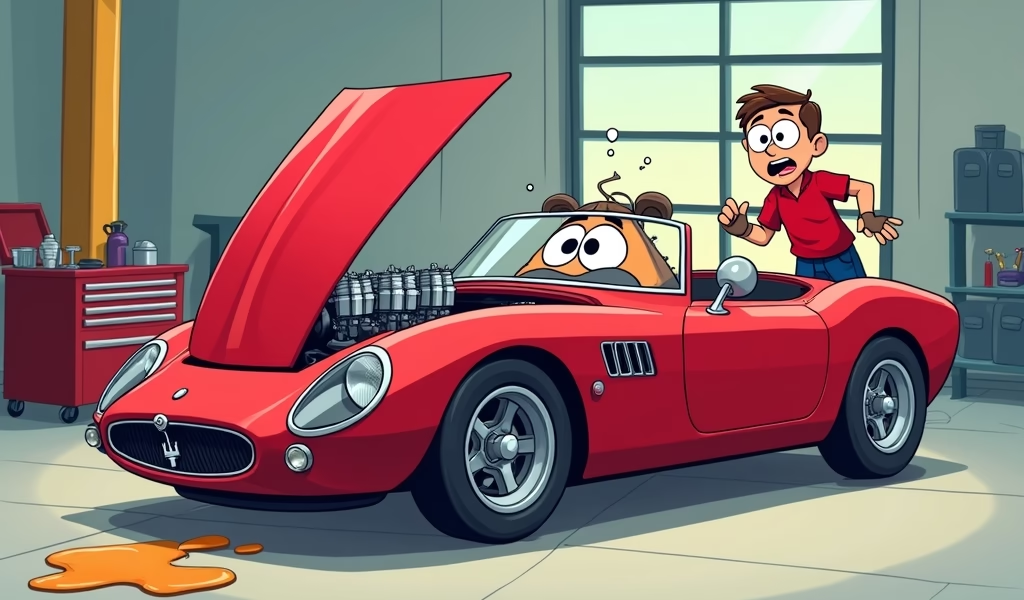
After seeing hundreds of Maserati Alfieris come through my shop, I’ve identified several recurring issues that owners should be aware of. Understanding these common problems can help you spot trouble before it escalates into a five-figure repair bill.
Cooling System Failures
The cooling system represents one of the most vulnerable areas in the Alfieri’s engine. High operating temperatures combined with complex routing create multiple failure points. Radiators commonly develop leaks around the 30,000-mile mark, often starting as small seeps before becoming more serious.
Water pumps are another frequent culprit, with impeller degradation leading to reduced coolant flow. When this happens, temperature gauges may appear normal until the situation becomes critical. I’ve seen numerous cases where owners ignored subtle temperature fluctuations until catastrophic overheating occurred.
Thermostat failures also plague these vehicles, sometimes sticking closed and preventing proper coolant circulation. This can cause rapid overheating even when the cooling system components are otherwise sound.
Oil Leaks and Consumption
Maserati Alfieri engines often develop oil leaks around valve cover gaskets and timing chain covers. These leaks typically start small but worsen over time as heat cycles cause further seal deterioration. What begins as a few drops on your garage floor can eventually lead to significant oil loss.
Oil consumption without visible leaks is another common complaint. Many Alfieri engines consume oil at rates higher than owners expect – up to a quart every 1,500 miles in some cases. While some consumption is normal in high-performance engines, excessive usage often indicates developing problems with valve seals or piston rings.
The engine diagnostic system may not always catch these issues until they’ve progressed significantly, making regular dipstick checks essential for Alfieri owners.
Turbocharger Issues
The twin turbochargers that give the Alfieri its exhilarating acceleration are also common failure points. Bearing wear typically manifests as a high-pitched whine during acceleration, often accompanied by reduced boost pressure and performance.
Wastegate actuators frequently develop issues, causing inconsistent boost control. This can manifest as surging acceleration or power delivery that feels unpredictable. The electronic actuators are particularly sensitive to heat cycles and can fail prematurely.
Oil feed lines to the turbochargers sometimes develop restrictions or leaks, starving the precision bearings of lubrication. When this happens, catastrophic turbocharger failure often follows, potentially allowing metal fragments to enter the engine.
Timing Chain Problems
Perhaps the most dreaded Maserati Alfieri engine problem involves the timing chain system. These engines use a complex chain-driven valvetrain rather than belts, theoretically providing longer service life. However, in practice, timing chains and their tensioners can develop issues as early as 40,000 miles.
The first sign is typically a subtle rattle on startup that disappears as oil pressure builds. As the problem progresses, the rattle lasts longer and may be present even at operating temperature. If ignored, chain stretch can eventually lead to timing jumps or complete failure.
When timing chains fail, the consequences are often catastrophic. The resulting valve-to-piston contact can destroy an engine in seconds, turning a $3,000 preventative repair into a $20,000+ engine replacement. I’ve seen clients make this costly mistake more times than I care to count.
Warning Signs to Watch For
Knowing what to look and listen for can save you thousands in repair costs. Here are the key warning signs that your Maserati Alfieri engine needs attention:
Unusual Noises
Your Alfieri should produce a smooth, melodious growl that builds progressively with RPM. Any deviation from this normal sound signature deserves investigation. Listen carefully for:
- Rattling or ticking, especially when cold – often indicating timing chain issues
- Whining or whistling under acceleration – typically turbocharger-related
- Deep knocking sounds – possibly bearing wear requiring immediate attention
- Hissing or gurgling – often cooling system related
Modern smartphones can be surprisingly effective diagnostic tools. I often advise clients to record engine sounds when they notice something unusual, making it easier to identify intermittent issues during service appointments.
Performance Changes
The Alfieri’s engine should deliver consistent, smooth power throughout its rev range. Any noticeable changes in performance characteristics warrant investigation:
- Hesitation or stumbling when accelerating
- Reduced power output or “flat spots” in the power band
- Surging or uneven power delivery
- Difficulty starting or rough idle
These symptoms often indicate developing fuel system, ignition, or turbocharger issues. Addressing them promptly typically means simpler, less expensive repairs.
Visual Indicators
A careful visual inspection can reveal telling signs of developing problems:
- Fluid leaks under the vehicle (noting color and location)
- Smoke from the exhaust (blue indicating oil, white suggesting coolant)
- Coolant level drops in the reservoir
- Oil level changes between service intervals
- Discoloration of engine components suggesting heat damage
I recommend clients perform a quick visual check weekly, preferably in the same lighting conditions each time to make changes more noticeable. This simple habit has saved many engines.
Preventing Costly Repairs
An ounce of prevention truly is worth a pound of cure when it comes to Maserati Alfieri engine care. The following preventative measures have saved my clients hundreds of thousands in collective repair costs over the years.
Fluid Maintenance Excellence
Nothing impacts Alfieri engine longevity more than proper fluid maintenance. Use only manufacturer-specified synthetic oils with the correct viscosity rating. In my experience, premium European oils like Liqui Moly or Motul offer excellent protection for these high-stress engines.
Change oil more frequently than the manufacturer’s recommended intervals – every 5,000 miles instead of 10,000 is a wise investment. The additional cost of more frequent changes pales in comparison to major repair bills.
Coolant requires similar attention. Use only the specified type and concentration, and flush the system every 30,000 miles rather than waiting for the factory-recommended interval. Cooling system integrity is absolutely crucial to Alfieri engine longevity.
Brake fluid, often overlooked, should be replaced every 1-2 years regardless of mileage. Though not directly engine-related, contaminated brake fluid can lead to safety issues that make engine problems seem trivial by comparison.
Driving Habits Matter
How you drive your Alfieri significantly impacts engine longevity. These engines need proper warm-up before demanding performance. Allow at least 5-10 minutes of gentle driving before pushing the engine hard, especially in cold weather.
Similarly, cool-down periods after spirited driving are essential. I recommend at least 30 seconds of idle before shutdown after normal driving, and 2-3 minutes after hard runs. This allows oil temperature to normalize and prevents “heat soak” damage to turbochargers.
Short trips where the engine never reaches operating temperature create particularly harmful conditions. Water condensation and fuel contamination in the oil accelerate wear dramatically. If your Alfieri is primarily used for brief journeys, consider more frequent oil changes.
Learning to improve car performance through proper driving techniques rather than modifications can also reduce engine stress while enhancing your driving experience.
Proactive Component Replacement
Certain components are worth replacing preventatively before failure occurs. The timing chain system tops this list – replacing chains, guides, and tensioners around 50,000 miles can prevent catastrophic engine damage, essentially resetting the clock on one of the most vulnerable systems.
Water pumps, thermostat assemblies, and cooling hoses also benefit from preemptive replacement. These relatively inexpensive components can cause extensive damage when they fail, making scheduled replacement at 40,000-mile intervals a wise investment.
Turbocharger oil feed lines should be inspected regularly and replaced at the first sign of deterioration. This simple maintenance item prevents one of the most common causes of turbocharger failure.
Maintenance Schedule
Following a regimented maintenance schedule is the single most effective way to prevent Maserati Alfieri engine problems. Here’s what I recommend to my clients based on years of specialized experience:
Every 5,000 Miles
- Oil and filter change using manufacturer-specified synthetic oil
- Thorough inspection of all visible hoses and connections
- Check for fluid leaks and address immediately if found
- Turbocharger visual inspection for oil leakage or heat damage
Every 10,000 Miles
- All 5,000-mile services plus:
- Air filter replacement
- Fuel system inspection and injector cleaning if necessary
- Spark plug inspection (replacement if needed)
- Cooling system pressure test
Every 20,000 Miles
- All previous services plus:
- Spark plug replacement regardless of condition
- Ignition coil inspection
- Comprehensive cooling system flush
- Throttle body cleaning
Every 30,000 Miles
- All previous services plus:
- Complete fuel system cleaning
- Valve cover gasket inspection and replacement if needed
- PCV system inspection and service
- Turbocharger wastegate actuator inspection
Every 50,000 Miles
- All previous services plus:
- Timing chain system inspection (replacement recommended)
- Water pump preemptive replacement
- Thermostat assembly replacement
- Cooling hose replacement
- Comprehensive engine diagnostic testing
Following this schedule may seem intensive compared to mainstream vehicles, but car maintenance treatments like these are essential for exotic vehicles. Every dollar spent on preventative maintenance typically saves three to five dollars in avoided repairs.
Repair Costs Breakdown
Understanding potential repair costs helps put preventative maintenance expenditures in perspective. Here’s what you might expect to pay for common Maserati Alfieri engine repairs:
Minor Repairs
- Oil leak repair (valve covers): $900-$1,500
- Cooling hose replacement: $600-$900
- Thermostat replacement: $800-$1,200
- Spark plugs and ignition coils: $1,200-$1,800
- PCV system service: $600-$900
Moderate Repairs
- Water pump replacement: $1,800-$2,500
- Radiator replacement: $2,200-$3,000
- Timing chain tensioner replacement: $2,500-$3,500
- Fuel injector replacement: $2,000-$3,000
- Oil pan gasket replacement: $1,800-$2,500
Major Repairs
- Complete timing chain system replacement: $4,500-$6,500
- Single turbocharger replacement: $3,500-$5,000
- Both turbochargers: $6,500-$9,000
- Cylinder head repair: $7,000-$10,000
- Complete engine rebuild: $15,000-$22,000
- Engine replacement: $25,000-$35,000
These costs typically include both parts and labor at specialist shops. Dealership rates may run 20-30% higher in many cases. Using online cost estimators can help you budget for potential repairs, though exotic vehicles like the Alfieri often exceed standard estimates.
When considering these costs, remember that preventative maintenance is invariably less expensive than reactive repairs. A $1,500 investment in timing chain replacement before failure occurs prevents a potential $20,000+ engine rebuild when the chain fails catastrophically.
Finding the Right Mechanic
Not all mechanics are created equal when it comes to Maserati service. Finding the right specialist can make the difference between a properly maintained Alfieri and a series of expensive disappointments.
Dealerships vs. Independent Specialists
Maserati dealerships offer factory-trained technicians and immediate access to genuine parts. Their facilities are typically impressive, and they can provide loaner vehicles during service. However, these benefits come with significantly higher labor rates – often $200+ per hour.
Independent Maserati specialists often provide comparable expertise at more reasonable rates. Many independent shops are staffed by former dealership technicians who bring factory training without the dealership overhead. Labor rates typically run $120-$160 per hour at quality independent shops.
The best independent shops maintain factory-level diagnostic equipment and have established relationships with parts suppliers. They can often offer more personalized service and flexibility in scheduling.
Finding a Qualified Specialist
When searching for a qualified Maserati specialist, look for:
- Specific experience with Alfieri models, not just general Maserati service
- Factory training credentials and continuing education
- Proper diagnostic equipment specific to Maserati vehicles
- A clean, organized facility with evidence of attention to detail
- Willingness to explain issues clearly without unnecessary upselling
- Strong references from other Alfieri owners
Owner forums and local exotic car clubs often provide excellent recommendations based on collective experience. The Maserati Forum maintains active discussions about reputable service providers across different regions.
Don’t hesitate to interview potential shops before entrusting them with your vehicle. A quality specialist should welcome your questions and be able to discuss their specific experience with Alfieri engines in detail.
Conclusion
The Maserati Alfieri’s engine is a mechanical masterpiece that delivers thrilling performance when properly maintained. Understanding its unique characteristics and common failure points is essential for avoiding the costly repairs that can plague these exotic powerplants.
Preventative maintenance is the cornerstone of successful Alfieri ownership. Following a comprehensive service schedule, addressing minor issues promptly, and investing in proactive component replacement will protect your investment and ensure continued driving enjoyment.
The relationship between owner, vehicle, and specialist forms a crucial triangle of care. Finding a qualified Maserati technician who understands these engines intimately provides peace of mind and typically results in lower overall ownership costs despite the premium service rates.
With proper care, your Maserati Alfieri can deliver years of exhilarating performance and that distinctive Italian character that makes these vehicles so special. The extra attention these engines demand is rewarded with an unmatched driving experience that continues to appreciate in both value and enjoyment.
Frequently Asked Questions
How much does it cost to repair a timing chain issue in a Maserati Alfieri?
Preventative timing chain replacement typically costs $4,500-$6,500. If failure occurs causing engine damage, repair costs can easily exceed $20,000.
How often should I change the oil in my Maserati Alfieri?
Every 5,000 miles or 6 months, whichever comes first. This is more conservative than factory recommendations but provides better engine protection.
Are aftermarket parts safe to use in Alfieri engines?
High-quality aftermarket parts from reputable manufacturers can be acceptable for some components. For critical systems like timing and cooling, genuine parts offer the best reliability.
What’s the most common serious engine problem in the Alfieri?
Timing chain system failures represent the most common catastrophic issue. Early warning signs include rattling noises during cold starts.
How can I tell if my turbochargers are failing?
Listen for whistling or whining noises during acceleration, and watch for blue smoke from the exhaust. Decreased power delivery and boost pressure are also common symptoms.