
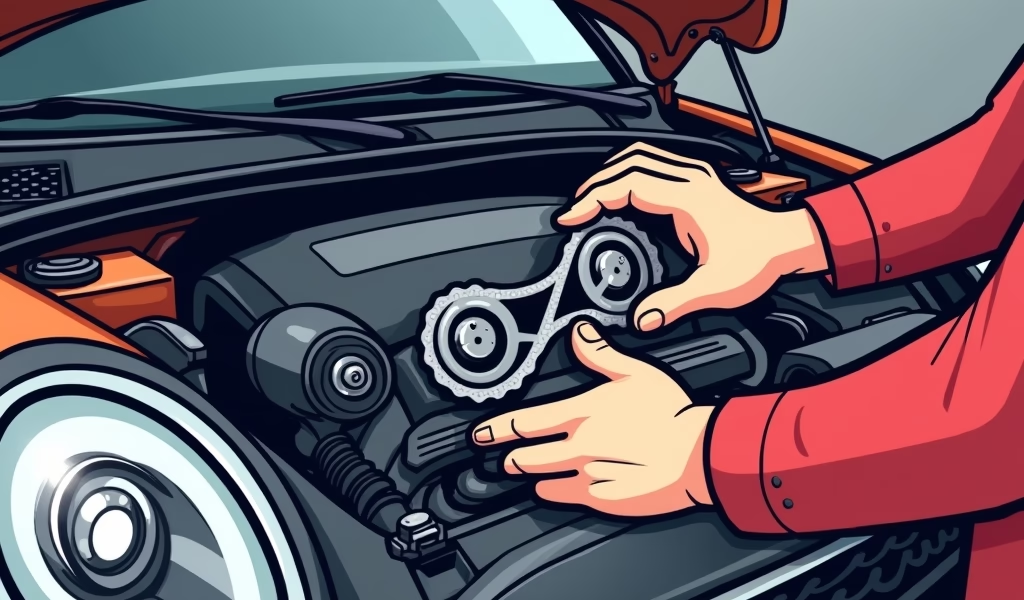
Overview
That distinctive rattle on startup in your Mini Cooper Countryman isn’t just annoying—it’s the warning sign of timing chain issues that could mean the difference between a $1,500 repair and a $6,000+ engine replacement. The article provides a complete guide to understanding, preventing, and addressing these notorious timing problems through proper oil maintenance, early symptom detection, and timely repairs, particularly for vulnerable 2010-2016 models with N14 and early N18 engines.
Table of Contents
- Understanding Mini Cooper Countryman Timing Issues
- How Timing Systems Work in Your Countryman
- Common Signs of Timing Problems
- Why Mini Cooper Countrymans Develop Timing Issues
- Preventing Timing System Failures
- Repair Options and Costs
- DIY vs. Professional Repairs
- Extending Your Mini’s Timing System Lifespan
- Conclusion
- Frequently Asked Questions
Understanding Mini Cooper Countryman Timing Issues
There’s nothing quite like the sinking feeling when your spirited Mini Cooper Countryman suddenly starts making unusual noises under the hood. That distinctive rattle on startup? It’s often the first warning of timing chain problems – one of the most notorious issues affecting these otherwise delightful vehicles.
I’ve been working on Minis for over 15 years, and I can tell you that timing issues in the Countryman aren’t just minor inconveniences – they’re potential engine killers if left unaddressed. When timing components fail, the synchronized dance between your engine’s valves and pistons breaks down, potentially leading to bent valves, damaged pistons, and in worst-case scenarios, complete engine failure.
The difference between addressing these issues at the first warning sign versus waiting until catastrophic failure can be the difference between a $1,500 repair and a $6,000+ engine replacement. That’s why catching these problems early is crucial for your wallet and your Mini’s longevity.
Let’s dive into what causes Mini Cooper Countryman timing issues, how to spot them early, and most importantly – how to prevent costly repairs through proper maintenance and timely intervention.
How Timing Systems Work in Your Countryman
Before we jump into the problems, let’s understand what this timing system actually does. Unlike many vehicles that use rubber timing belts, Mini Cooper Countrymans employ metal timing chains – similar in concept to a bicycle chain but significantly more robust.
The timing chain’s job is mission-critical: it synchronizes the rotation of the crankshaft (which connects to your pistons) with the camshaft (which controls your valves). This precise synchronization ensures that valves open and close at exactly the right moments relative to piston movement, allowing your engine to breathe, combust fuel, and create power efficiently.
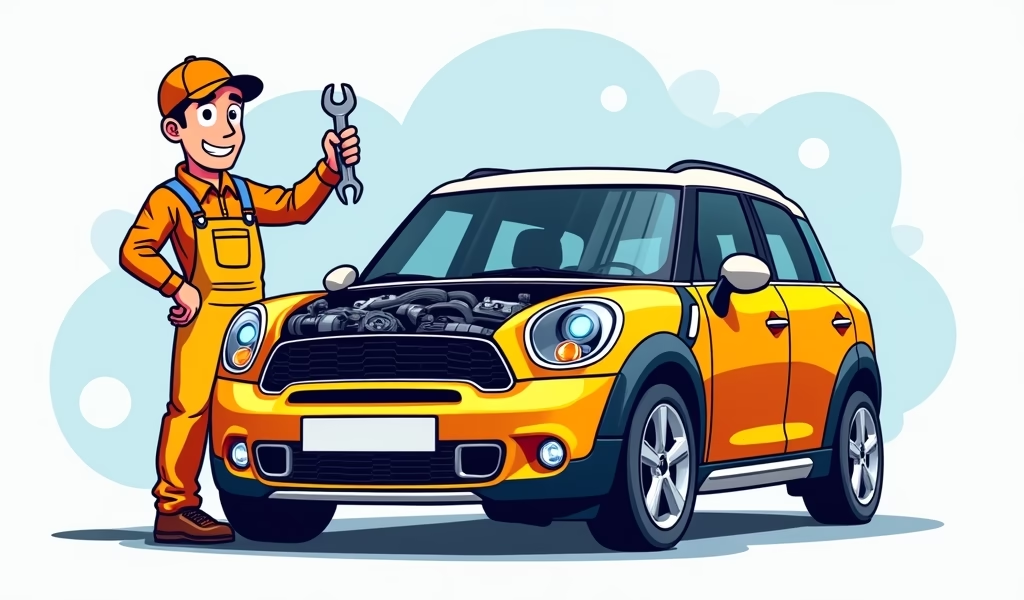
Your Countryman’s timing system consists of several key components working together:
- The timing chain – connects the crankshaft to the camshaft
- Chain tensioners – maintain proper tension to prevent slack
- Guide rails – direct the chain’s path through the engine
- Sprockets – toothed wheels that engage with the chain
In theory, timing chains should last the “lifetime” of the vehicle (which manufacturers often define as around 120,000 miles). However, in practice – especially with Mini Cooper Countrymans – these components often develop problems much earlier, particularly in models manufactured between 2010 and 2016.
The most vulnerable engine is the N14 found in 2010-2012 Countrymans, followed by early versions of the N18 engine in 2013-2014 models. While Mini made improvements to the design over the years, timing issues remain one of the common maintenance concerns for Countryman owners.
Common Signs of Timing Problems
Your Mini will usually give you several warning signs before catastrophic failure occurs. Recognizing these symptoms early can save you thousands in repair costs.
The infamous “death rattle” is the most recognizable warning sign. This distinctive rattling noise comes from the front of the engine and is particularly noticeable during cold starts. It sounds like metal marbles in a tin can being shaken and typically lasts for a few seconds after startup before quieting down as oil pressure builds. As the problem worsens, this noise will last longer and may appear even when the engine is warm.
Beyond the rattle, watch for these additional symptoms:
- Check engine light illumination (with timing-related codes like P0012, P0015)
- Noticeable power loss, especially during acceleration
- Engine hesitation or stumbling
- Difficulty starting the vehicle
- Unusual vibration at idle
- Increased oil consumption
- Poor fuel economy
According to independent Mini repair specialists, these symptoms typically begin appearing between 40,000-80,000 miles in N14 engines and 60,000-100,000 miles in N18 engines, though I’ve personally seen them emerge even earlier in vehicles driven primarily on short trips.
The golden rule with Mini timing issues: never ignore that rattle. Once you hear it, the clock is ticking. A simple diagnostic at this stage could save you from an unexpected breakdown and a much more expensive repair.
Why Mini Cooper Countrymans Develop Timing Issues
Understanding why these problems occur helps explain how to prevent them. Several factors contribute to the premature timing system failures in Mini Countrymans:
Design limitations are a primary culprit. The timing system in some generations of Mini engines (particularly the N14) prioritized weight savings and compact packaging over durability. The tensioner design proved inadequate for long-term reliability, and the plastic guide rails were prone to wear and breakage.
Oil-related issues significantly accelerate timing component wear. Mini engines are particularly sensitive to oil quality and change intervals. The timing chain, tensioners, and guides rely on proper lubrication, and when oil degrades or levels run low, these components suffer accelerated wear.
Driving habits also play a major role. Short trips where the engine never fully warms up prevent oil from reaching optimal temperature and viscosity. This creates additional friction and strain on timing components. Similarly, aggressive driving with frequent high-RPM operation increases the mechanical loads on the timing system.
Research from the Consumer Reports reliability studies shows that timing chain problems rank among the top three mechanical issues affecting Mini Countryman reliability scores, with earlier models (2010-2014) showing significantly higher failure rates than industry averages.
The good news is that Mini did implement several design improvements in later models, and with proper maintenance, even the more problematic engines can provide reliable service well beyond 100,000 miles. The key is understanding how to properly care for your Mini’s timing system.
Preventing Timing System Failures
An ounce of prevention is worth a pound of cure – especially when it comes to your Mini’s timing system. Here’s my proven approach to extending the life of your Countryman’s timing components:
First and foremost, maintain religious adherence to oil changes. Forget Mini’s recommended 10,000+ mile intervals – these are often optimistic for real-world conditions. Change your oil every 5,000 miles using only manufacturer-approved synthetic oil (typically 5W-30 meeting BMW’s LL-01 specification).
Monitor oil consumption between changes. Minis are known to consume oil, particularly as they age. Checking your oil level every two weeks takes just minutes but can prevent inadequate lubrication that accelerates timing component wear.
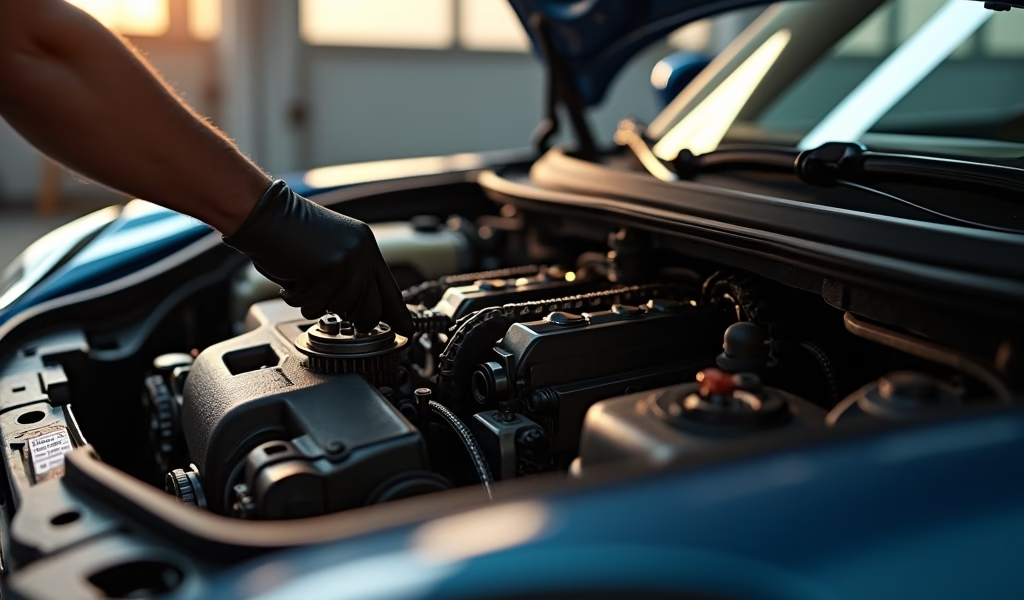
Adopt the “cold start listen” habit. Make it a practice to listen carefully during those first few seconds after starting your Mini, particularly when the engine is cold. This is when timing issues are most audible, and early detection can save thousands.
Consider preventative replacement for high-risk models. If you own a 2010-2012 Countryman with the N14 engine, consider proactive timing chain replacement around 60,000-80,000 miles, even without symptoms. For N18 engines (2013-2016), preventative replacement around 80,000-100,000 miles can be a wise investment.
Address check engine lights promptly. Don’t ignore warning lights – get them scanned immediately. Timing-related codes often appear before audible symptoms, giving you an early warning window to address issues before they escalate.
Allow proper warm-up, especially in cold weather. Let your engine reach operating temperature before spirited driving, particularly in winter months. This ensures proper oil circulation to timing components.
These essential maintenance tips significantly reduce your risk of timing system failure and help maximize your Mini’s performance and longevity.
Repair Options and Costs
When timing issues do arise, understanding your repair options and associated costs helps you make informed decisions:
The complete timing chain replacement is the most common and comprehensive solution. This includes replacing the chain, tensioners, guide rails, and often the front main seal while the engine is apart. Expect to pay between $1,500-$2,500 at independent shops or $2,000-$3,000 at dealerships.
Labor makes up the bulk of this cost – typically 8-12 hours of shop time – because significant disassembly is required to access the timing components. The front of the engine must be removed, requiring disconnection of numerous peripheral components.
Parts costs are relatively reasonable by comparison: $300-$600 for a complete timing kit, depending on whether you choose OEM or quality aftermarket components.
When comparing repair options, consider these factors:
- OEM vs. Aftermarket Parts: OEM parts cost more but may provide greater reliability
- Dealer vs. Independent Shop: Dealers charge premium rates but may have more experience
- Related Repairs: Water pump, thermostat, and various gaskets are smart to replace while the engine is apart
For perspective, the alternative to timely repair – catastrophic engine failure from a jumped timing chain – typically costs $5,000-$8,000 for a complete engine replacement, making preventative timing work seem quite reasonable by comparison.
If you’re experiencing mild symptoms and trying to extend the repair timeline, switching to a high-quality synthetic oil and more frequent oil changes may buy you some time, but this is a temporary measure. Once timing noise becomes consistent, repair should be prioritized before you find yourself stranded.
DIY vs. Professional Repairs
For the mechanically inclined, the question inevitably arises: can I tackle this job myself? Here’s my honest assessment after guiding many DIYers through this repair:
Timing chain replacement on a Mini Countryman falls squarely in the “advanced DIY” category. This isn’t a weekend project for casual home mechanics. You’ll need specialized tools including timing chain locking tools, torque wrenches, and engine service tools. The factory service manual (not just a Haynes guide) is essential, as is a clean, well-lit workspace with room to organize the many components you’ll remove.
The highest risk comes during reassembly. A single tooth misalignment when installing the timing chain can result in valve-to-piston contact and severe engine damage when the engine is started. The timing marks must be perfectly aligned and verified multiple times during reassembly.
Even experienced DIYers should budget 2-3 full days for this job. For most owners, professional service is the safer and ultimately more economical choice when considering the potential cost of errors.
If you do choose professional service, selecting the right shop matters tremendously. Look for these qualities:
- Specific Mini experience (not just general European car knowledge)
- Familiarity with your specific engine (N14 vs. N18)
- Positive reviews mentioning timing chain repairs specifically
- Willingness to show you the removed components to explain the wear
- Clear communication about what additional components should be replaced
Specialized Mini shops often charge slightly more than general repair facilities but typically provide better outcomes and fewer comeback issues. This is one repair where expertise with the specific vehicle model truly matters.
Extending Your Mini’s Timing System Lifespan
Whether you’ve just purchased a used Countryman or recently completed a timing repair, these practical steps will help maximize the lifespan of your timing system:
First, adopt a proactive oil change regimen. Use only manufacturer-approved synthetic oil changed every 5,000 miles. Consider oil analysis services periodically to identify any concerning wear metals that might indicate timing component degradation.
Adjust your driving habits slightly. Allow proper warm-up before demanding performance from your engine, especially in cold weather. Avoid extended periods of high-RPM operation until the engine reaches full operating temperature.
Consider a catch can installation if your Mini has high oil consumption. These devices help prevent oil vapor from recirculating through the intake system, reducing carbon buildup that can affect engine performance and increase strain on timing components.
Address minor issues promptly. Small problems like minor oil leaks or cooling system inefficiencies can create conditions that accelerate timing component wear. Staying on top of overall vehicle performance helps protect your timing system.
Finally, maintain comprehensive service records. Should you encounter timing issues while still under warranty or an extended service plan, documentation of proper maintenance will be crucial for coverage approval.
By implementing these strategies, many Countryman owners have successfully extended their timing system life well beyond the typical trouble points, enjoying tens of thousands of additional trouble-free miles.
Conclusion
Mini Cooper Countryman timing issues might seem intimidating, but with proper knowledge and preventative care, you can significantly reduce your risk of expensive failures. The key takeaways are straightforward: maintain religious adherence to quality oil changes, listen carefully during cold starts for the warning rattle, address check engine lights promptly, and consider preventative timing chain replacement for high-mileage vehicles – especially those with the more problematic N14 engine.
The investment in preventative maintenance is substantial but pales in comparison to the cost of catastrophic engine failure. By understanding the early warning signs and taking proactive measures, you can enjoy your Mini’s distinctive driving experience for many years to come.
Remember that timing issues, while common, don’t define the entire Mini ownership experience. These vehicles deliver unique character, styling and handling that keep enthusiasts coming back despite their maintenance quirks. With informed care decisions, you can maximize the joy while minimizing the headaches of Countryman ownership.
Whether you choose DIY repairs, independent specialists, or dealership service, the key is addressing issues early before they escalate into major failures. Your Mini will thank you with many more miles of that signature go-kart handling and distinctive motoring experience.
Frequently Asked Questions
How much does it cost to replace a Mini Cooper Countryman timing chain?
Expect to pay between $1,500-$2,500 at independent shops or $2,000-$3,000 at dealerships. Labor makes up most of this cost due to the extensive disassembly required.
Can I drive my Mini with timing chain noise?
While you might be able to drive temporarily with early timing noise, continuing to drive significantly increases the risk of catastrophic engine damage. Each additional mile is a gamble once symptoms appear.
How do I know if my Mini Countryman has timing chain problems?
Listen for a distinctive rattling noise during cold startups, watch for check engine lights with timing codes, and be alert to performance issues like power loss or rough idle. Early detection saves thousands in repair costs.
Which Mini Cooper Countryman years have the most timing chain issues?
The 2010-2012 models with the N14 engine have the highest failure rates, followed by 2013-2014 models with early N18 engines. Later models (2015+) have improved but not eliminated the issues.
How long do Mini Cooper Countryman timing chains typically last?
Despite manufacturer claims of “lifetime” components, real-world experience shows N14 engines often develop problems between 40,000-80,000 miles, while N18 engines typically reach 60,000-100,000 miles before issues arise. Regular oil changes significantly extend these ranges.