
Overview
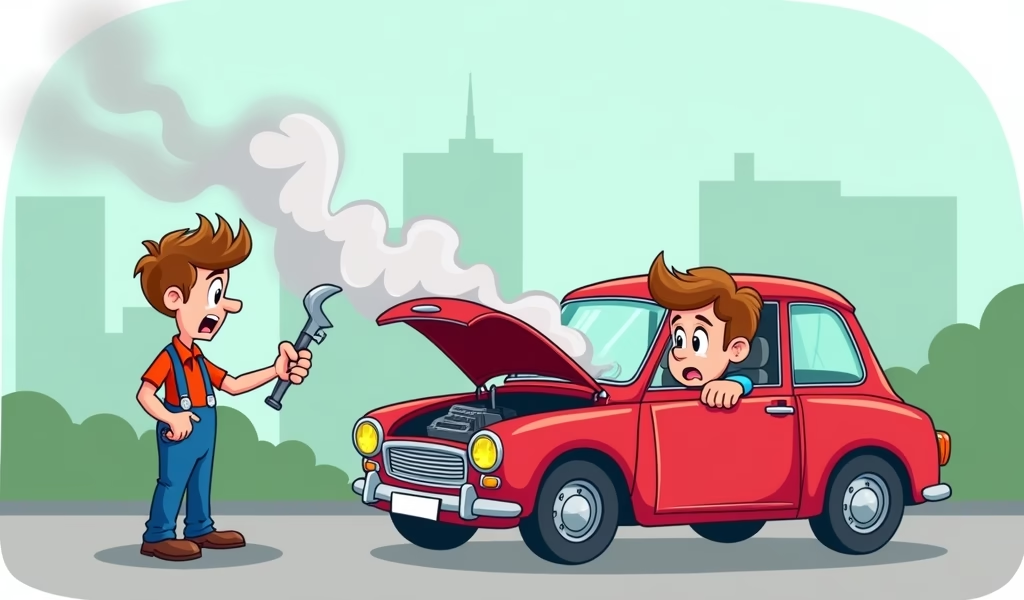
That ominous smoke coming from under your hood is your vehicle’s distress signal, communicating specific problems through different colors: white (coolant issues), blue (burning oil), or black (fuel system problems). Understanding these smoke signals allows for early intervention—potentially turning a simple $200 repair into avoiding a $4,000 catastrophe—while following proper safety protocols and maintenance schedules keeps your engine running smoke-free and extends your vehicle’s lifespan.
Table of Contents
- Understanding Engine Smoke: What That Billowing Cloud Really Means
- Smoke Colors: Your Engine’s Secret Language
- 7 Common Causes of Smoke Under the Hood
- Immediate Actions When You See Smoke
- Prevention Tips to Keep Smoke at Bay
- DIY vs. Professional Repairs: When to Call the Experts
- The Real Costs of Ignoring Smoke Signals
- Conclusion: Staying Smoke-Free on the Road
- Frequently Asked Questions
Understanding Engine Smoke: What That Billowing Cloud Really Means
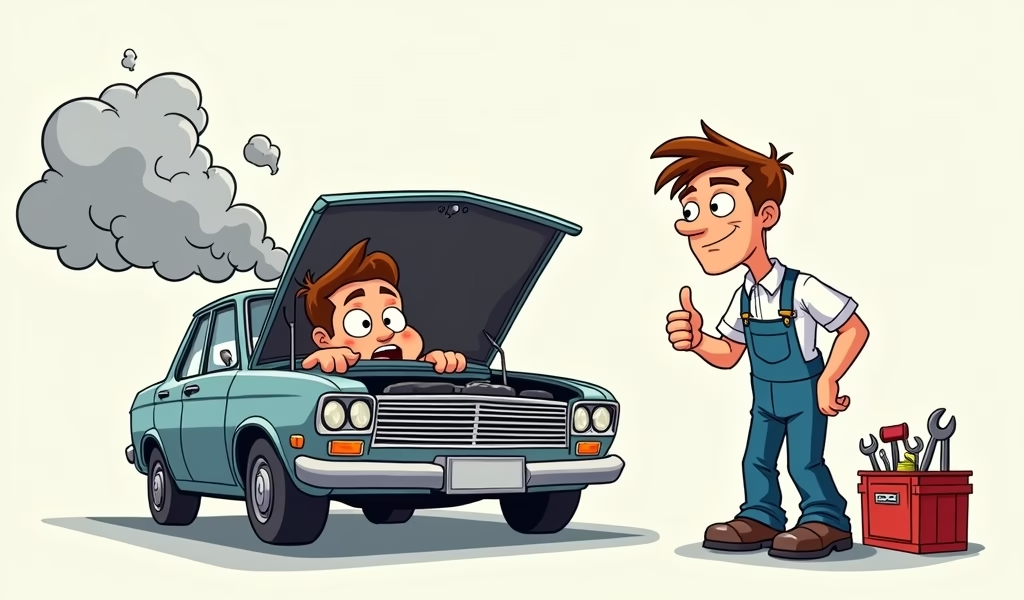
That heart-sinking moment when you spot smoke creeping from under your hood is something no driver wants to experience. As a mechanic with 20+ years in the field, I can tell you that smoke from your engine bay is never “normal” – it’s your vehicle’s distress signal, calling for immediate attention.
Just last month, I had a customer named Mike who ignored light smoke for weeks, thinking it was “probably nothing serious.” By the time his car finally refused to start, what could have been a simple $200 hose replacement had escalated into a $2,800 engine repair. That small wisp of smoke was actually a coolant leak that eventually led to catastrophic overheating.
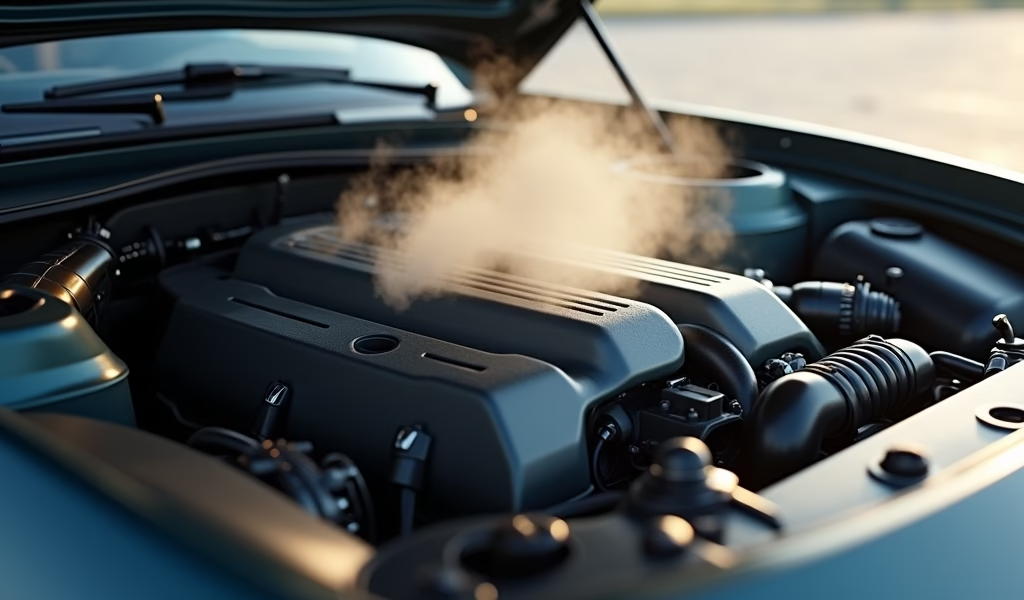
So why is my car smoking under the hood? In simple terms, smoke indicates something is burning or vaporizing that shouldn’t be. This could range from minor fluid leaks hitting hot components to serious internal engine problems. Understanding what’s happening gives you the power to make informed decisions and potentially save thousands in repair costs.
Smoke Colors: Your Engine’s Secret Language
Your vehicle communicates problems through the color and characteristics of the smoke it produces. Think of it as your car speaking a simple but important language:
White or Light Gray Smoke
This typically indicates coolant or water vapor. When coolant leaks onto hot engine parts, it creates a light-colored smoke with a sweet, syrupy smell. Common culprits include cracked radiator hoses, leaking water pumps, or a blown head gasket.
Note: Don’t confuse normal condensation with smoke. On cold mornings, what looks like white smoke might just be water vapor from normal condensation, which disappears quickly as the engine warms up.
Blue or Gray-Blue Smoke
This is the telltale sign of burning oil. When engine oil finds its way onto hot exhaust components or into the combustion chamber, it produces distinctive blue smoke with a burnt, acrid smell. This could indicate worn valve seals, piston rings, or an oil leak dripping onto hot exhaust parts.
Black Smoke
Usually related to your fuel system, black smoke suggests that fuel is burning incompletely. This might be due to a clogged air filter, malfunctioning fuel injectors, or a damaged fuel pressure regulator. Black smoke often accompanies poor performance and reduced fuel economy.
7 Common Causes of Smoke Under the Hood
1. Overheating Engine
Your engine operates optimally between 195-220°F. When temperatures climb higher, components can begin to smoke and sustain damage. Overheating commonly results from coolant leaks, a malfunctioning thermostat, a failed water pump, or a clogged radiator.
Warning signs include the temperature gauge reading high, a sweet smell in the air, and engine performance issues. If your engine is overheating, using a diagnostic tool can help identify the specific culprit.
2. Oil Leaks
Your engine contains dozens of seals and gaskets that keep oil contained. As these age, they can crack or shrink, allowing oil to escape. When this oil contacts hot exhaust manifolds or other heated components, it burns and creates smoke.
Common leak points include valve cover gaskets, oil pan seals, and front/rear main seals. The severity depends on both the size of the leak and where the oil is landing. Even small leaks should be addressed promptly before they worsen.
3. Coolant Leaks
Coolant (antifreeze) circulates through your engine to regulate temperature. When this fluid escapes the sealed system, it creates distinctive white smoke with a sweet smell.
Look for leaks at radiator connections, hoses, the water pump, or the heater core. A serious concern is a blown head gasket, which allows coolant into combustion chambers, creating white smoke from the exhaust while depleting your cooling system.
4. Electrical Issues
Modern vehicles contain sophisticated electrical systems with miles of wiring. When insulation wears down or connections corrode, short circuits can occur, creating smoke with an acrid, plastic-burning smell.
Common failure points include:
- Damaged wiring harnesses
- Faulty alternators or starters
- Overloaded circuits
- Poor aftermarket installations
Electrical fires represent a serious safety concern and require immediate attention. According to National Fire Protection Association, about 20% of vehicle fires start with electrical system failures.
5. Belt and Pulley Problems
Your engine uses belts and pulleys to drive accessories like the alternator, water pump, and A/C compressor. When a belt frays or a bearing seizes, the resulting friction generates heat and smoke.
Listen for squealing, chirping, or grinding sounds that coincide with the smoke. A broken serpentine belt can quickly cascade into other problems like overheating, since it often drives the water pump.
6. Fluid on Hot Components
Sometimes smoke appears after routine maintenance if fluids spill onto hot engine parts. Transmission fluid, power steering fluid, and brake fluid all create distinctive smoke when they burn.
This smoke typically dissipates once the spilled fluid burns away, but if it persists, you likely have an active leak that needs addressing before it causes component damage.
7. Burning Debris
Occasionally, the culprit isn’t a mechanical problem at all. Leaves, twigs, or even plastic bags can get sucked against hot exhaust components, creating alarming smoke. Similarly, rodents sometimes build nests in engine bays, which can smoke when the engine heats up.
While less serious than fluid leaks, this debris should be removed promptly as it poses a fire hazard.
Immediate Actions When You See Smoke
When smoke appears from under your hood, follow these steps to minimize damage and ensure safety:
Step 1: Pull Over Safely
Signal and find a safe location away from traffic. Choose level ground if possible.
Step 2: Shut Off the Engine
Turn off the engine immediately to prevent further damage. Engage your hazard lights.
Step 3: Allow Cooling Time
Wait at least 15-20 minutes before opening the hood. An overheated engine needs time to cool down, and rushing can result in burns or, worse, injuries from pressurized coolant.
Step 4: Cautious Inspection
Once cooled, open the hood carefully, keeping your face away from potential steam. Check for obvious leaks, loose caps, disconnected hoses, or burnt odors.
Step 5: Determine Next Steps
Based on your findings, decide whether it’s safe to continue driving or if you need a tow. When in doubt, err on the side of caution. A tow costs less than an engine replacement.
For suspected coolant leaks, never remove the radiator cap while the engine is hot – the pressurized system can cause serious burns. Instead, check the overflow reservoir level when safe.
It’s worth adding a quality roadside assistance plan to your car maintenance checklist, as towing services alone can save you significant money in the long run.
Prevention Tips to Keep Smoke at Bay
The best approach to smoke problems is preventing them in the first place. Here’s how to keep your engine running smoothly:
Regular Fluid Checks
Develop a simple routine of checking your engine oil, coolant, transmission fluid, and power steering fluid levels regularly. I recommend checking oil every other fuel fill-up and coolant levels monthly. Low fluid levels often precede smoke problems.
Timely Belt Replacements
Don’t wait for belts to fail. Replace timing belts according to your manufacturer’s recommendations (typically 60,000-100,000 miles). Serpentine belts should be inspected regularly for cracks, fraying, or glazing.
Address Small Leaks Promptly
That small oil spot on your driveway may seem insignificant, but it suggests a failing seal or gasket. Early intervention means simpler, less expensive repairs. As we say in the shop, “Fix the drip before you need a new ship.”
Cooling System Maintenance
Flush and replace coolant according to your vehicle’s maintenance schedule, typically every 30,000-50,000 miles. Fresh coolant prevents corrosion inside the cooling system and maintains proper heat transfer.
Have your cooling system pressure tested annually, especially before summer. This simple test can identify weak hoses, leaking water pumps, or radiator issues before they fail completely.
Use Quality Parts and Fluids
The few dollars saved on discount fluids or parts rarely justify the potential damage. Use manufacturer-recommended oils, coolants, and parts for your specific vehicle. This is especially important for modern, high-efficiency engines.
Investing in proper maintenance treatments might seem expensive initially but will save you significantly over your vehicle’s lifetime.
DIY vs. Professional Repairs: When to Call the Experts
While some smoke-causing issues can be handled at home, others require professional attention. Here’s a straightforward breakdown:
Suitable for DIY Repair
- Tightening loose caps (oil, coolant, etc.)
- Topping off low fluids
- Replacing accessible hoses
- Cleaning debris from the engine bay
- Basic belt replacements (on some vehicles)
For these tasks, you’ll typically need basic hand tools, replacement fluids, and perhaps an online repair guide specific to your vehicle. Always disconnect the battery before working on electrical components.
Call a Professional When:
- Smoke continues after basic troubleshooting
- You suspect internal engine problems
- The repair requires specialized tools or diagnostics
- Dealing with fuel system components
- Working with high-pressure systems like A/C
- You’re unsure about the source of the problem
Professional mechanics have specialized diagnostic equipment that can pinpoint issues quickly. According to AAA research, attempting complex repairs without proper tools often leads to additional damage and higher eventual repair costs.
When selecting a shop, look for ASE-certified technicians who specialize in your vehicle make. A good mechanic will explain the problem, show you the affected parts, and provide options at different price points.
The Real Costs of Ignoring Smoke Signals
The financial impact of ignoring smoke can be staggering. Here’s a real-world comparison of early intervention versus delayed repairs:
Minor vs. Major Repairs
- Radiator hose replacement: $150-300
- Engine rebuild after severe overheating: $2,500-4,000
- Oil leak gasket repair: $200-600
- Engine replacement after oil starvation: $3,000-7,000
- Electrical connection repair: $100-250
- Fire damage remediation: $2,000+ (potentially not covered by insurance)
I recently had a customer who ignored white smoke for about two weeks. What began as a $185 coolant hose replacement escalated into a $3,200 repair when the continuing leak caused the engine to overheat, warping the cylinder head and blowing the head gasket.
Beyond direct repair costs, consider these often-overlooked expenses:
- Towing fees ($75-250 depending on distance)
- Rental car costs while your vehicle is repaired
- Lost work time dealing with a breakdown
- Decreased vehicle resale value from major repairs
The golden rule: mechanical problems never improve on their own. That small issue today will invariably become a larger, more expensive problem tomorrow.
Conclusion: Staying Smoke-Free on the Road
Smoke from under your hood is never something to ignore or rationalize away. It’s your vehicle’s clear warning that something is amiss and needs attention. By understanding the different types of smoke and their likely causes, you’re already better equipped than most drivers to handle this stressful situation.
Remember the key points we’ve covered: act quickly when smoke appears, identify the type of smoke by color and smell, follow the proper safety procedures, and don’t hesitate to seek professional help when needed. The investment in preventative maintenance and timely repairs will always cost less than dealing with catastrophic failures.
Your vehicle is designed to run smoke-free. If it’s producing smoke, something is wrong. By addressing these issues promptly, you’ll not only save money but also extend your vehicle’s lifespan and ensure your safety on the road.
Take it from someone who’s rebuilt hundreds of engines that could have been saved with simple, timely maintenance: the few minutes you spend checking fluids and addressing minor issues can save you thousands of dollars and countless headaches down the road.
Frequently Asked Questions
Is it safe to drive my car if it’s smoking under the hood?
No, it’s not safe. Smoke indicates something is burning that shouldn’t be, which could lead to fire or major mechanical damage.
What’s the difference between smoke and steam from my engine?
Steam is typically white, dissipates quickly, and often appears on cold days from condensation. Smoke lingers, has distinct coloration (white, blue, or black), and usually has a noticeable odor.
How much does it typically cost to fix a smoking engine?
Repair costs vary widely from $150 for a simple hose replacement to $4,000+ for major engine work. The key factor is addressing the problem early before it escalates.
Why does my car only smoke when I first start it?
Morning-only smoke is typically oil that has seeped past worn valve seals or piston rings overnight. As the engine warms up, these components expand and temporarily seal better.
Can low oil cause smoke under the hood?
Yes, low oil can cause overheating and smoke. Additionally, when oil pressure drops due to low levels, remaining oil may be forced through worn seals onto hot components.