
Overview
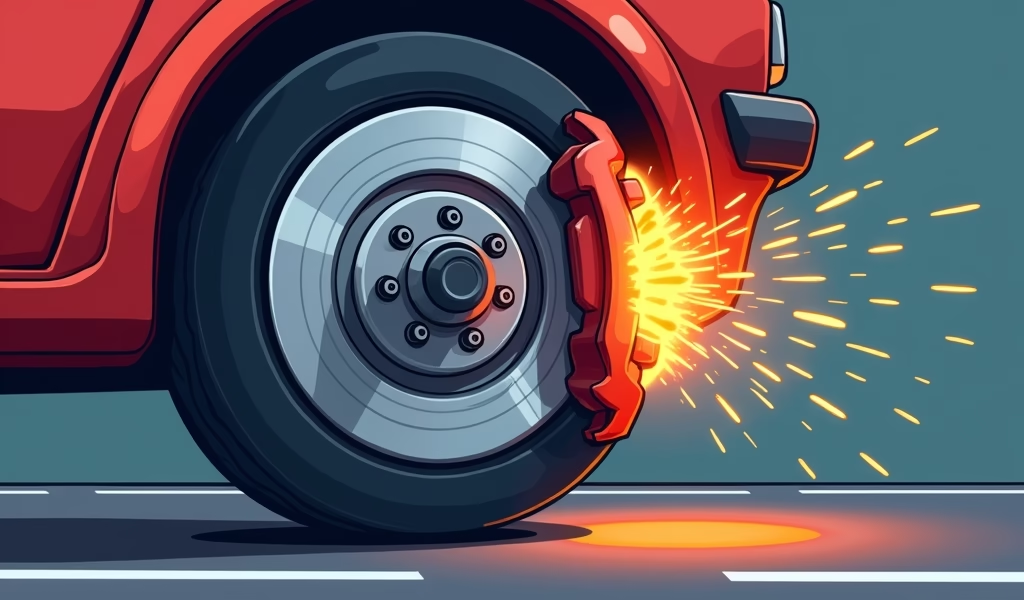
That unsettling vibration in your steering wheel while braking isn’t just annoying—it’s your vehicle warning you about warped rotors, which can lead to repair bills exceeding $500 if ignored. The comprehensive guide covers everything from identifying warning signs (vibration, unusual noises, extended stopping distances) to understanding the seven common causes (excessive heat, poor quality rotors, improper break-in), while offering practical maintenance tips to extend rotor life and guidance on when replacement becomes necessary.
Table of Contents
- The Telltale Vibration: Understanding Warped Rotors
- What Are Brake Rotors and Why They Matter
- Warning Signs Your Rotors Are Warped
- 7 Common Causes of Warped Rotors
- Typical Rotor Lifespan: What to Expect
- Preventative Maintenance to Extend Rotor Life
- When Replacement Becomes Necessary
- Cost Breakdown: What to Expect for Repairs
- DIY vs. Professional Replacement
- Common Mistakes to Avoid
- Conclusion
- Frequently Asked Questions
The Telltale Vibration: Understanding Warped Rotors
We’ve all felt it – that unsettling vibration pulsing through the steering wheel when you press the brake pedal. It’s not just annoying; it’s your vehicle sending you an urgent message about warped brake rotors.
This common issue affects countless vehicles annually, and ignoring those warning tremors can quickly transform a minor annoyance into a major problem. Left unaddressed, warped rotors can lead to repair bills exceeding $500, while significantly compromising your vehicle’s stopping power exactly when you need it most.
What causes warped rotors? The short answer involves heat, quality, and driving habits – but the complete picture is more nuanced. As a mechanic with 15 years of experience, I’ve seen firsthand how understanding this critical component can save drivers substantial money and headaches.
In this guide, we’ll explore the causes of warped rotors, how to spot the early warning signs, and practical steps to avoid costly repairs. Whether you’re commuting daily or taking weekend road trips, knowing how to care for your braking system is essential for both your wallet and safety.
What Are Brake Rotors and Why They Matter
Brake rotors (or discs) are the unsung heroes of your vehicle’s safety system. These metal discs attach to your wheel hubs and rotate with your wheels as you drive. When you press the brake pedal, hydraulic pressure pushes your brake pads against these rotors, creating friction that converts your vehicle’s kinetic energy into heat – effectively bringing you to a stop.
Think of rotors as the surface that brake pads grip to halt your vehicle. Without smooth, even rotors, your braking system can’t perform properly, regardless of the condition of other components.
Several types of rotors exist, each with specific advantages:
- Solid rotors: Found in smaller, lighter vehicles, these single-piece discs are simpler and less expensive but offer limited heat dissipation.
- Vented rotors: Most modern vehicles use these, featuring internal vanes between friction surfaces that allow airflow for better cooling – crucial for heavier vehicles.
- Drilled rotors: Distinguished by holes drilled through the surface, these enhance cooling and help dissipate water, gas, and dust. They’re popular for performance driving but may crack under extreme stress.
- Slotted rotors: Featuring grooves machined into the surface, these excel at removing gas and dust while maintaining better structural integrity than drilled rotors.
Your vehicle’s weight, typical driving conditions, and performance requirements determine which type is best suited for your needs. Regardless of type, all rotors serve the same fundamental purpose – providing a smooth, flat surface for your brake pads to grip when you need to stop.
Warning Signs Your Rotors Are Warped
Catching rotor problems early can save you from more expensive repairs down the road. Here are the telltale signs that your rotors may be warped:
Vibration or Pulsation
The most common and noticeable symptom is vibration felt through the brake pedal, steering wheel, or throughout the vehicle. This shuddering happens because your brake pads are no longer making consistent contact with the warped rotor surface, instead “jumping” over high spots. This vibration typically worsens at higher speeds or during harder braking.
Unusual Noises
Pay attention to squealing or grinding sounds when braking. Squealing often indicates that your brake pads are wearing unevenly due to warped rotors. A deeper grinding sound suggests more severe damage – possibly meaning your brake pads have worn completely and metal-on-metal contact is occurring. This requires immediate attention.
Extended Stopping Distances
Warped rotors reduce braking efficiency. You might find yourself pressing the brake pedal harder or earlier than usual to achieve the same stopping power. This performance degradation can be gradual, making it particularly dangerous as drivers often unconsciously adapt without realizing their braking system is compromised.
If you notice your vehicle requiring longer distances to stop, don’t ignore it – this is a serious safety concern that warrants immediate inspection.
Visual Indicators
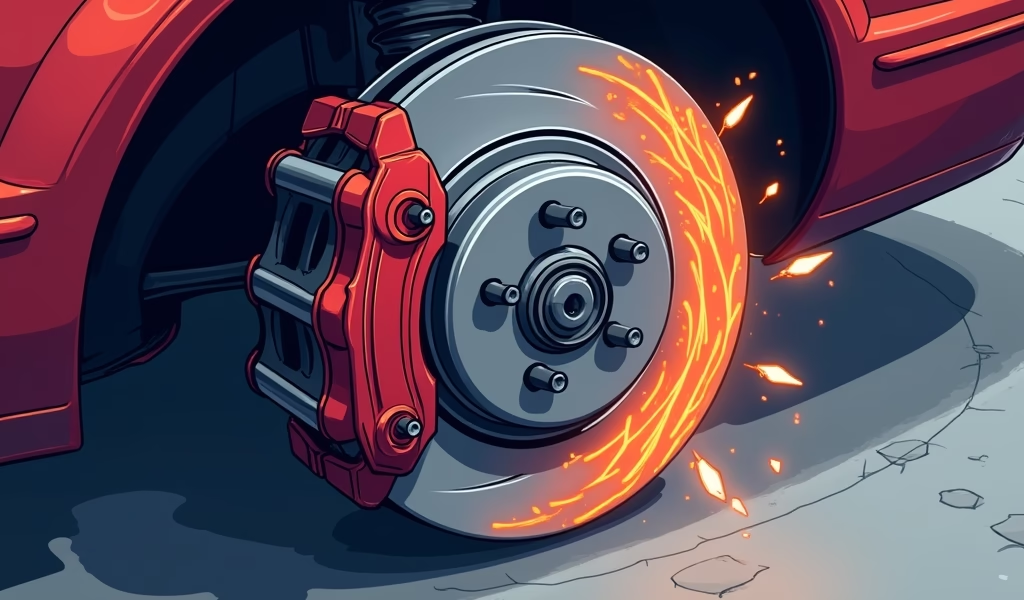
A visual inspection (with wheels safely removed) may reveal scoring, grooves, heat spots, or blue discoloration – all signs of heat damage and warping. An uneven, wavy appearance or noticeable ridges on the rotor surface clearly indicates trouble.
Uneven Brake Pad Wear
Warped rotors don’t make consistent contact with brake pads, resulting in unusual wear patterns. Inspecting your brake pads may show some areas significantly more worn than others, further compromising braking performance and accelerating system deterioration.
7 Common Causes of Warped Rotors
Understanding what causes rotor warping helps you avoid conditions that lead to this expensive problem. Here are the seven most common culprits:
1. Excessive Heat Buildup
This is the primary enemy of brake rotors. Aggressive driving with frequent hard braking generates tremendous heat that can exceed what your rotors were designed to handle. When rotors become too hot and then cool unevenly, they develop small distortions that worsen over time. This is particularly common in stop-and-go traffic or mountainous driving.
2. Poor Quality Rotors
Budget rotors often use inferior metals or manufacturing processes that make them susceptible to warping under conditions that quality rotors would handle easily. The initial savings rarely justify the shortened lifespan and potential safety concerns. According to research from the Society of Automotive Engineers, material composition significantly impacts a rotor’s heat resistance and durability.
3. Improper Break-in Procedure
New rotors need a gradual bedding-in process to establish an even transfer layer of brake pad material. Skipping this crucial step by immediately subjecting new rotors to hard braking can create uneven wear patterns and heat spots that lead to warping.
4. Leaving Brake Pads Clamped on Hot Rotors
If you’ve been driving hard and your brakes are hot, engaging the parking brake (especially on a hill) means the pads remain pressed against the rotors as they cool. This creates uneven cooling that can warp the rotor where the pad makes contact. It’s particularly problematic after aggressive driving or heavy braking.
5. Uneven Wheel Torque
Improper torquing when mounting wheels creates inconsistent pressure on the rotor, leading to minor distortions that worsen over time. Always follow manufacturer specifications and tighten lug nuts in the correct sequence using a torque wrench, not an impact gun without torque control.
6. Fluid Contamination
Leaking calipers or broken seals can introduce brake fluid, grease, or oil onto the rotor surface. These contaminants prevent proper contact between pads and rotors, creating hot spots that lead to warping. Additionally, they can degrade brake pad material, creating uneven pressure on rotors.
7. Normal Wear and Tear
Even the highest quality rotors eventually wear down. As rotors become thinner, they grow more susceptible to heat damage and warping. Microscopic imperfections develop and grow with continued use, eventually reaching the point where you’ll feel vibration during braking.
Being aware of these common causes helps you adopt driving habits and maintenance practices that can extend your rotors’ life significantly, saving you from frequent replacements and improving your car’s overall performance.
Typical Rotor Lifespan: What to Expect
Brake rotors aren’t lifetime components, but knowing their typical service life helps you budget for replacements and recognize when something’s amiss. Most rotors last between 30,000 and 70,000 miles, though this range varies considerably based on several factors.
Your driving habits play the most significant role in determining rotor longevity. Frequent hard braking, aggressive driving, and regular heavy loads dramatically reduce rotor life. Conversely, gentle, anticipatory braking and highway driving with minimal stopping can extend rotor life well beyond average expectations.
Vehicle type and weight matter significantly too. Heavier vehicles place greater demands on braking systems, and performance vehicles typically experience more intense braking conditions. A compact sedan used primarily for highway commuting will likely see much longer rotor life than a full-size SUV used for towing or a sports car driven enthusiastically.
Environmental factors contribute as well. Regions with steep terrain require more frequent braking, while areas with road salt or high humidity can accelerate corrosion. Even air quality affects rotor life, as dust and road grit can become embedded in brake pads, effectively turning them into mild abrasives.
As your rotors approach the end of their useful life, you might notice subtle changes before obvious symptoms appear. Slightly longer stopping distances, mild intermittent squeaking, or a barely perceptible pulsation during light braking can all indicate rotors nearing replacement time.
Preventative Maintenance to Extend Rotor Life
You don’t need to be a mechanic to extend your rotors’ lifespan – just some thoughtful driving habits and basic maintenance awareness. These practices can save you hundreds in unnecessary repairs:
Adopt Smarter Braking Techniques
Practice anticipatory driving by looking further ahead and gradually slowing rather than making abrupt stops. When possible, downshift to assist braking on long descents rather than riding your brakes continuously. These habits dramatically reduce heat buildup – the primary enemy of rotor longevity.
Establish a Regular Inspection Schedule
Have your brakes inspected at least annually or every 10,000-12,000 miles, whichever comes first. During oil changes, visually check your rotors for discoloration, scoring, or obvious abnormalities. Early detection prevents minor problems from becoming major repairs.
According to the National Highway Traffic Safety Administration, regular brake system maintenance is crucial for vehicle safety and preventing more extensive damage to components.
Follow Proper Break-in Procedures
When you’ve installed new rotors, break them in properly by performing 8-10 moderate stops from 35-40 mph, allowing about 30 seconds between stops for cooling. This establishes an even transfer layer of pad material on the rotor surface and helps prevent premature warping.
Be Mindful of Vehicle Weight
Avoid unnecessary cargo that increases the work your brakes must perform. When carrying heavy loads, allow additional stopping distance and brake earlier to avoid generating excessive heat.
Allow Cooling After Hard Braking
If you’ve been driving in conditions requiring frequent braking – like mountain roads or stop-and-go traffic – try to park without engaging the parking brake for a few minutes if it’s safe to do so. This prevents uneven cooling that occurs when hot spots are created by brake pads clamped against specific areas of the rotor.
Maintain the Entire Brake System
Have brake fluid flushed according to manufacturer recommendations (typically every 2-3 years) to prevent contamination. Address any fluid leaks promptly, as brake fluid or other automotive fluids can damage rotors and compromise braking performance.
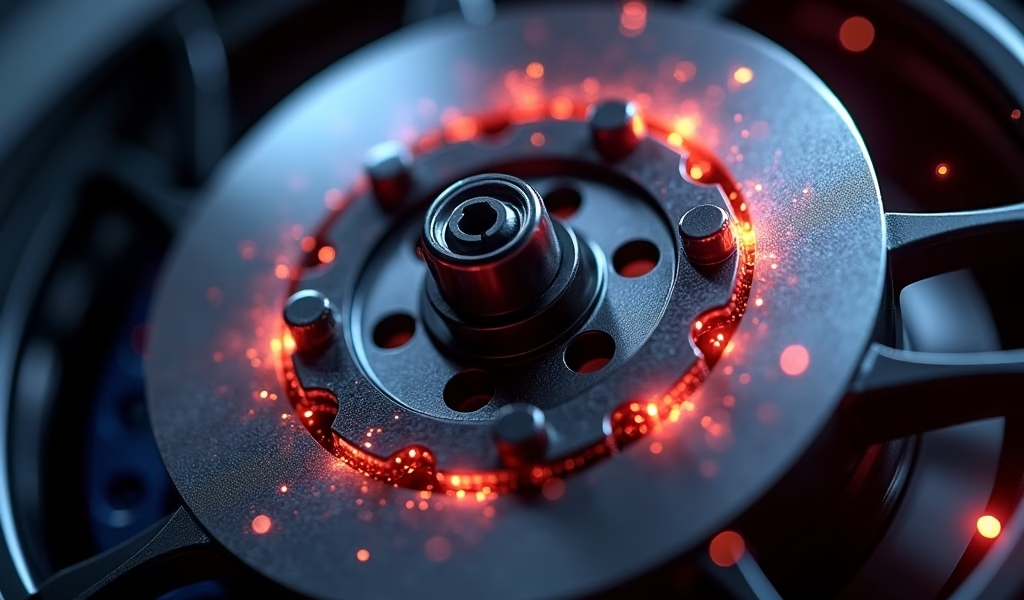
These preventative practices require minimal time investment but can significantly extend the service life of your rotors and entire braking system, making them an essential part of smart car maintenance that maximizes your vehicle’s mileage.
When Replacement Becomes Necessary
Despite your best maintenance efforts, rotors eventually require replacement. Knowing when this time has come is crucial for safety and avoiding damage to other brake components.
Manufacturers specify a minimum thickness for every rotor – often stamped directly on the rotor itself or available in your vehicle’s service manual. As rotors wear, they become thinner with each brake application. When they approach this minimum specification (typically measured with a micrometer), replacement becomes necessary regardless of their apparent condition.
Resurfacing (or “turning”) rotors used to be common, involving machining a thin layer from the rotor surface to restore smoothness. However, modern rotors are often manufactured thinner to reduce weight and improve performance, leaving little material for resurfacing. Many manufacturers now specify replacement rather than resurfacing in their service guidelines.
Resurfacing remains viable when:
- The rotor has adequate remaining thickness (at least 1mm above minimum specification after machining)
- The warping or damage is minor and superficial
- The rotors are high quality and relatively new
- Professional machining equipment is used
Complete replacement becomes necessary when:
- Rotors approach or reach minimum thickness
- Cracks, severe scoring, or deep grooves are present
- The rotor has been previously resurfaced
- Significant heat damage (blue discoloration) is evident
- Pitting or rust extends beyond the surface
Postponing necessary rotor replacement creates cascading problems. Worn rotors force brake pads to work harder, accelerating their wear. Your vehicle’s ABS system may become confused by inconsistent braking, potentially triggering warning lights. Most importantly, compromised rotors significantly extend stopping distances – a risk no driver should accept.
Cost Breakdown: What to Expect for Repairs
Understanding typical costs associated with brake rotor service helps you budget appropriately and recognize fair pricing. Costs vary significantly based on vehicle type, parts quality, and regional labor rates.
For economy vehicles, basic rotor replacement typically ranges from $250-450 per axle (including pads), with compact cars at the lower end and larger sedans at the higher end. Luxury vehicles and performance models often command $400-800 per axle due to specialized parts and sometimes more complex labor requirements. Trucks and large SUVs generally fall in the $350-600 range but can exceed this for heavy-duty applications.
The parts-versus-labor breakdown is instructive. Economy rotors might cost $30-80 each, mid-grade $80-150, and premium or specialized rotors $150-300+ each. Labor typically runs $80-150 per axle, with luxury vehicles commanding higher rates. This explains why DIY replacement is popular among mechanically inclined owners – the parts-to-labor ratio makes it one of the more financially rewarding maintenance tasks to perform yourself.
When choosing between premium and economy rotors, consider your driving habits and vehicle retention plans. Premium rotors typically offer:
- Better heat dissipation and resistance to warping
- Longer service life (sometimes 20-40% longer)
- Improved braking performance, particularly under demanding conditions
- Less brake dust and noise
- More consistent performance in extreme conditions
The long-term cost calculation often favors quality components. Premium rotors lasting 60,000 miles prove more economical than budget options requiring replacement at 30,000 miles, especially when factoring in additional labor costs and inconvenience of more frequent service.
DIY vs. Professional Replacement
Replacing brake rotors is one of the more accessible maintenance tasks for DIY-inclined owners with basic mechanical skills, but it requires proper tools and careful attention to detail.
For a DIY rotor replacement, you’ll need:
- Jack and jack stands rated for your vehicle’s weight
- Lug wrench or impact wrench
- Socket set and wrenches (including torque wrench)
- C-clamp or caliper piston tool
- Brake cleaner
- Anti-seize compound
- Possibly specialized tools for retaining screws or clips
The general process involves:
- Securing the vehicle on jack stands after loosening lug nuts
- Removing the wheel
- Unbolting the caliper and securing it aside without stretching the brake line
- Removing the caliper bracket (if necessary)
- Removing the old rotor (sometimes requiring persuasion if corroded)
- Cleaning the hub surface
- Installing the new rotor, ensuring it sits flush
- Reinstalling the caliper bracket and caliper
- Reinstalling the wheel and torquing lug nuts to specification
However, DIY replacement isn’t advisable for everyone. Seek professional help if:
- You lack proper lifting equipment or a safe work area
- Your vehicle has complex electronic parking brakes or sensors
- You’re uncomfortable working with safety-critical systems
- The vehicle has specialized brake components (common in luxury and performance vehicles)
- You notice additional brake system issues that might indicate broader problems
When choosing a professional, ask pointed questions like “Do you check for minimum thickness on all rotors or automatically replace?” and “What grade of replacement rotors do you use, and are options available?” A reputable shop welcomes these questions and provides clear answers that help you make informed decisions.
Common Mistakes to Avoid
Even experienced mechanics can make errors when servicing brake systems. Being aware of these common pitfalls helps ensure your brake service doesn’t create new problems:
Using Brake Cleaner on Hot Rotors
This can cause warping – the very problem you’re trying to solve. The rapid cooling effect of solvent evaporation creates uneven contraction. Always allow rotors to cool completely before cleaning them.
Failing to Replace Rotors in Pairs
This is false economy. Even if only one rotor shows obvious warping, replacing both rotors on an axle ensures balanced braking performance. Mismatched rotors with different wear patterns create uneven braking force that can pull your vehicle to one side.
Choosing Inappropriate Rotor Types
This compromises performance and longevity. Performance drilled or slotted rotors might seem appealing, but they often wear brake pads faster and may crack prematurely under normal driving. Conversely, basic solid rotors might not provide adequate cooling for aggressive driving.
Ignoring Related Components
A sticking caliper can cause a new rotor to warp quickly, while worn wheel bearings create uneven pressure on the rotor surface. Always inspect the entire brake system when addressing rotor issues.
Improper Torque Application
Over-tightening lug nuts, especially with impact wrenches, can distort the rotor and hub assembly. Always use a torque wrench set to manufacturer specifications and follow the correct cross-pattern tightening sequence.
Neglecting the Break-in Period
New rotors and pads need a proper bedding process to establish an even transfer layer and prevent localized hot spots. Follow manufacturer guidelines for this critical procedure – typically 8-10 moderate stops with cooling periods between them.
Conclusion
That steering wheel vibration when braking isn’t just an annoyance – it’s your vehicle’s way of telling you something’s wrong with your brake rotors. Now that you understand what causes warped rotors, you’re equipped to prevent this common but costly issue.
Remember that heat is the primary enemy of your rotors. By adopting smoother braking habits, being mindful of your vehicle’s weight, and allowing proper cooling after heavy braking sessions, you can dramatically extend the life of these essential components.
Regular inspection and maintenance are your best defenses against unexpected brake problems. Don’t wait until that telltale vibration appears – by then, replacement is often your only option. A proactive approach saves money and, more importantly, ensures your vehicle can stop safely when it matters most.
Whether you choose DIY repairs or professional service, understanding the basics of rotor care empowers you to make informed decisions about your vehicle’s maintenance. After all, your braking system isn’t just about comfort – it’s about the safety of you and everyone else on the road.
Frequently Asked Questions
How can I tell if my rotors are warped or if it’s another brake issue?
The most reliable indicator of warped rotors is a pulsating brake pedal or steering wheel vibration during braking. This vibration typically intensifies with higher speeds and firmer brake application.
Can I just resurface my rotors instead of replacing them?
Resurfacing is possible only if your rotors have sufficient remaining thickness (typically at least 1mm above minimum specification). Many modern rotors are too thin for effective resurfacing, making replacement more cost-effective long-term.
Will premium rotors really last longer than budget options?
Yes, premium rotors typically offer 20-40% longer service life due to better materials and heat dissipation. The initial higher cost often pays for itself through extended service intervals and improved performance.
How long does a typical rotor replacement take?
A professional mechanic can complete a two-wheel (one axle) rotor replacement in 1-2 hours. DIY replacements typically take 2-3 hours for someone with basic mechanical skills and proper tools.
Can driving style really affect how quickly rotors warp?
Absolutely – aggressive braking generates excessive heat that significantly increases warping risk. Adopting smoother, more anticipatory braking habits can double or even triple rotor lifespan.