

Overview
That annoying squeaking noise from your car’s belt isn’t just a nuisance—it’s a warning sign of potential issues like worn belts, improper tension, misaligned pulleys, or fluid contamination that could lead to expensive repairs if ignored. Through proper diagnosis, DIY maintenance techniques, and knowing when to seek professional help, you can silence the squeak, extend your vehicle’s life, and save significant money in the long run.
Table of Contents
- Understanding Belt Squeaks: Why Your Car Is Making That Annoying Noise
- Common Causes of Belt Squeaking Noise
- Diagnosing the Problem: How to Identify the Exact Issue
- DIY Fixes for Belt Squeaking Noise
- When to Call a Professional: Knowing Your Limits
- Preventing Future Squeaks: Maintenance Tips for Long-Term Solutions
- Cost Savings: How Proper Maintenance Prevents Expensive Repairs
- Conclusion
- Frequently Asked Questions
Understanding Belt Squeaks: Why Your Car Is Making That Annoying Noise
That high-pitched squeal coming from under your hood isn’t just annoying – it’s your car trying to tell you something important. Learning how to fix belt squeaking noise is an essential skill for any vehicle owner who wants to avoid costly repairs down the road. As a mechanic with over 15 years of experience, I can tell you that belt issues are among the most common problems I see, yet they’re often ignored until they lead to bigger troubles.
Belt squeaks typically occur when there’s friction between the belt and pulleys in your engine. This sound – sometimes resembling a high-pitched shriek or an irritating whine – often worsens during cold starts or rainy weather. It’s your vehicle’s way of warning you that something needs attention before it turns into a much more expensive problem.
The good news? Many belt issues can be resolved with simple, affordable fixes that you can handle yourself. In fact, addressing these squeaks early can save you hundreds in potential repair costs and help maintain your vehicle’s overall performance and efficiency. Let’s dive into what causes these sounds and how you can silence them for good.
Common Causes of Belt Squeaking Noise
When it comes to those annoying squeals from under your hood, several culprits might be responsible. Understanding these common causes is the first step in knowing how to fix belt squeaking noise effectively.
Belt wear and aging is perhaps the most frequent cause. Over time, even the best-quality belts deteriorate due to heat, tension, and normal wear. As rubber ages, it becomes harder, less flexible, and more prone to slipping and squeaking. Most serpentine belts last between 60,000 to 100,000 miles, but environmental factors can shorten this lifespan considerably.
Improper tension is another major contributor. A belt that’s too loose will slip on the pulleys, creating that distinctive squealing sound. Conversely, an overly tight belt puts excessive strain on bearings and can lead to premature wear of multiple components. Modern vehicles with automatic tensioners can still develop issues if the tensioner itself becomes weak or sticks.
Pulley misalignment or damage shouldn’t be overlooked either. When pulleys aren’t perfectly aligned, the belt can’t travel smoothly across them. This creates friction and that annoying noise we’re all trying to eliminate. Damaged pulleys with rough spots, corrosion, or debris can also cause similar issues.
Fluid contamination is a less obvious but equally troublesome cause. Oil, coolant, or power steering fluid leaks can splash onto belts, breaking down the rubber and reducing grip. This contamination creates the perfect conditions for slippage and squeaking, while simultaneously speeding up belt deterioration.
Environmental factors play a significant role too. Cold weather makes rubber less flexible, which is why belt squeaks are often worse during winter mornings. High humidity and rainy conditions can also temporarily reduce friction between belts and pulleys, leading to slippage and noise.
Diagnosing the Problem: How to Identify the Exact Issue
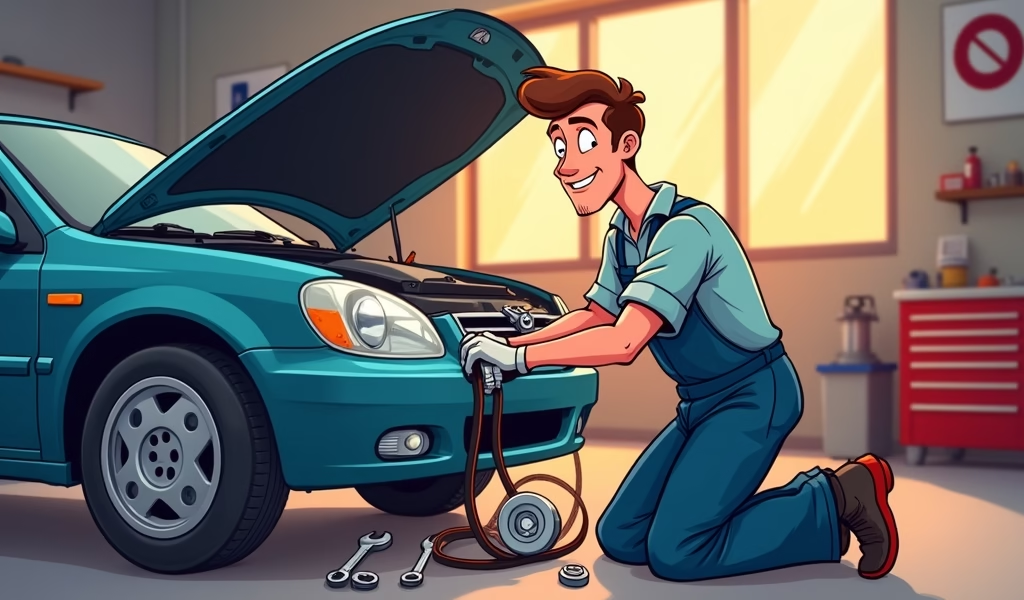
Before attempting any repairs, you need to pinpoint exactly what’s causing your belt to squeak. A systematic approach to diagnosis will save you time, money, and frustration. Let’s walk through how to identify the root cause.
Start with a visual inspection of all belts while the engine is off. Look for obvious signs of wear such as cracks, fraying edges, glazing (shiny spots), or missing chunks. A belt that’s seen better days will often have multiple small cracks perpendicular to its length or appear glazed and shiny where it contacts the pulleys. According to Gates Corporation, a leading belt manufacturer, you should replace belts showing these signs regardless of mileage.
Next, check belt tension by gently pressing on the longest exposed run of the belt. On vehicles without automatic tensioners, proper deflection is typically about 1/2 inch, though this varies by vehicle. Too much give indicates a loose belt, while no give suggests it might be too tight. For cars with automatic tensioners, inspect the tensioner for proper operation – it should move smoothly and maintain consistent pressure.
Examine all pulleys for alignment and condition. With the engine off, spin each pulley by hand (where accessible) and feel for roughness, resistance, or wobbling. Look for signs of damage or misalignment. Any pulley that doesn’t spin freely or sits at an angle relative to others could be your culprit.
Check for fluid leaks near the belt path. Oil-soaked belts will appear darker and feel slick to the touch. Follow any fluid trails to their source – a leaking gasket or seal near the belt could be contaminating it and causing the noise.
Finally, listen carefully to the noise pattern. Belt squeaks that occur primarily during cold starts but fade as the engine warms up often indicate normal rubber stiffness in cold weather. Constant squealing regardless of temperature typically points to more serious issues like misalignment or worn components. Squeals that intensify during specific actions (like turning the steering wheel) can help isolate which accessory system might be causing problems.
Remember that proper regular car maintenance checks can catch these issues before they become noisy problems. Taking this methodical approach to diagnosis ensures you’re fixing the actual problem rather than just treating symptoms.
DIY Fixes for Belt Squeaking Noise
Now that you’ve diagnosed the issue, it’s time to silence that squeak. Many belt problems can be resolved with simple DIY solutions that won’t break the bank. Here are practical fixes you can tackle yourself, even with limited mechanical experience.
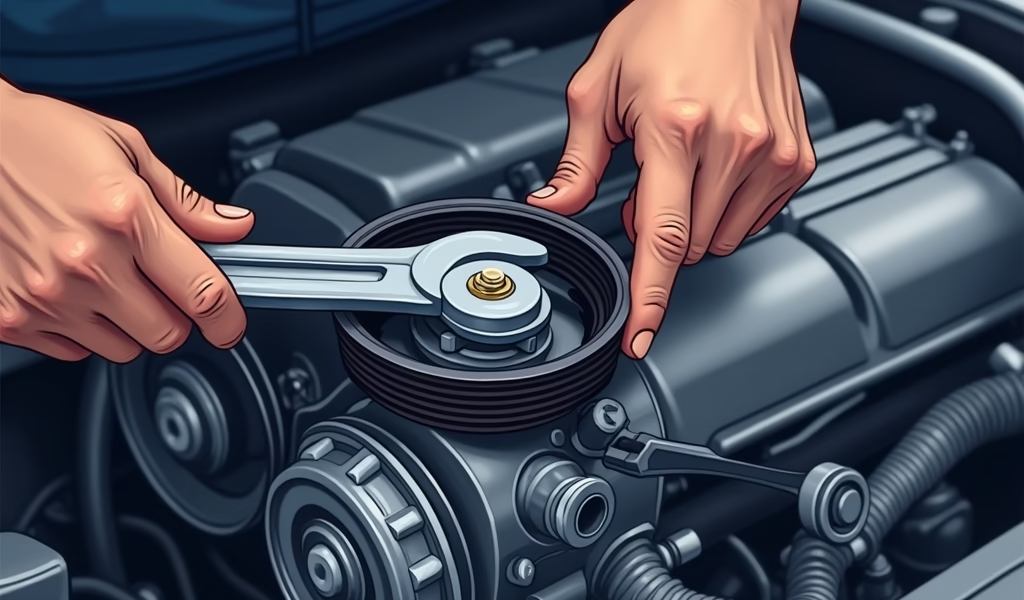
For belt tension adjustments, locate the adjustment mechanism for your particular belt type. On older vehicles with manual tensioners, you’ll typically find a bolt that allows you to pivot an accessory (like the alternator) to increase or decrease tension. Loosen the pivot bolt slightly, adjust the tension bolt until you have the manufacturer-recommended deflection (usually 1/2 inch), then retighten everything securely. For cars with automatic tensioners, check if the tensioner is functioning correctly – if it’s stuck or weak, it may need replacement.
Belt dressing products can provide a quick fix for minor squeaks. These spray-on solutions increase friction between the belt and pulleys, reducing slippage. Here’s how to apply them properly:
- Make sure the engine is off and cool
- Locate the squeaking belt
- Spray the belt dressing on the ribbed side (inner surface) of the belt
- Allow the dressing to sit for a minute before starting the engine
Keep in mind that belt dressing is typically a temporary solution. If the squeak returns quickly, you’re dealing with a more serious underlying issue.
For belt replacement, consider the following steps (though procedures vary by vehicle):
- Consult your owner’s manual for the specific belt routing diagram
- Release tension using the tensioner pulley (usually requires a breaker bar or socket wrench)
- Remove the old belt, noting its path around various pulleys
- Check all pulleys for smooth operation while the belt is off
- Install the new belt following the same routing as the old one
- Release the tensioner slowly to apply proper tension
Quality matters when selecting replacement belts. Choose OEM or high-quality aftermarket belts from reputable manufacturers. As research has shown, premium belts typically last significantly longer and perform better under stress than budget options.
If pulley issues are causing your squeaks, you may need to clean, repair, or replace affected pulleys. For cleaning, use brake cleaner on a rag to remove any oil, dirt, or debris from pulley surfaces. Be careful not to get cleaners on the belt itself. If a pulley is damaged or has rough spots, replacement is usually the best option.
For fluid contamination problems, address the source of the leak first. Common culprits include valve cover gaskets, oil pan seals, and power steering pump connections. Once you’ve fixed the leak, thoroughly clean any contaminated areas and consider replacing the belt if it shows signs of oil damage or deterioration.
When to Call a Professional: Knowing Your Limits
While many belt issues can be handled at home, there are certain situations where professional help is the wiser choice. Knowing when to put down the wrench and call a mechanic can save you time, frustration, and potentially even more costly repairs.
Complex belt systems, particularly in newer vehicles, can be intimidating. Modern cars often feature serpentine belts with intricate routing patterns and automatic tensioners that require special tools. If your vehicle has multiple accessory belts or a timing belt issue (which is critical for engine operation), professional service is strongly recommended. Misalignment during DIY timing belt work can cause catastrophic engine damage.
If you’ve attempted basic fixes like belt dressing or tension adjustments and the squeaking persists, deeper issues may be at play. Professionals have the diagnostic equipment to identify problems with bearing wear in water pumps, alternators, or other accessories that might be causing your belt to squeal.
When your diagnosis points to problems with accessory components like the power steering pump, air conditioning compressor, or water pump, professional repair is often the best route. These components typically require specialized tools and procedures to service properly. Similarly, if you’ve identified a pulley misalignment issue but can’t determine which pulley is out of position, a mechanic can use precision alignment tools to pinpoint and correct the problem.
Safety should always be your top priority. If you’re unsure about any procedure or don’t have the proper tools, it’s better to seek professional help. Working around moving engine parts presents real dangers, and some repairs require lifting the vehicle safely. Many professional shops offer free or low-cost belt inspections that can save you from expensive mistakes.
Preventing Future Squeaks: Maintenance Tips for Long-Term Solutions
The best way to deal with belt squeaks is to prevent them from happening in the first place. Implementing a few simple maintenance practices can keep your belts running smoothly and quietly for years to come.
Regular inspections are your first line of defense. Make it a habit to visually check your belts every 3-6 months or during routine oil changes. Look for the warning signs we discussed earlier: cracks, fraying, glazing, or contamination. Catching belt wear early allows you to plan for replacement before you’re stranded with a broken belt.
Follow a proper car maintenance schedule based on your manufacturer’s recommendations. Most manufacturers suggest belt inspections at specific intervals – typically every 15,000 to 30,000 miles. Some modern belts claim to be “lifetime” components, but I still recommend regular inspections, especially after the 60,000-mile mark.
Keep your engine bay clean and free of fluid leaks. Oil, coolant, and other fluids can deteriorate belt material rapidly. Address any leaks promptly to prevent contamination. A clean engine bay also makes it easier to spot potential issues before they become problems.
Consider belt replacement as preventive maintenance rather than waiting for failure. Even if your belt looks “okay” but is approaching the end of its expected lifespan, replacement is a smart investment. The cost of a new belt is minimal compared to the potential damage from a broken belt, especially if it happens at high speed or in dangerous driving conditions.
Quality matters when it comes to replacement parts. Using OEM (Original Equipment Manufacturer) or high-quality aftermarket belts from reputable manufacturers ensures proper fit and longevity. Cheap belts might save a few dollars upfront but often lead to premature wear and the return of that annoying squeal.
If you live in an area with extreme weather conditions, take extra precautions. In very cold climates, allowing your engine to idle briefly before driving can help warm up belts and reduce cold-weather squeaking. In hot, dusty environments, more frequent inspections may be necessary as these conditions accelerate wear.
Cost Savings: How Proper Maintenance Prevents Expensive Repairs
Let’s talk dollars and sense. Understanding how to fix belt squeaking noise isn’t just about eliminating an annoying sound – it’s about protecting your wallet from the costly cascade of problems that can result from neglected belt issues.
The financial math is compelling. A typical serpentine belt costs between $25-75 for the part itself, while professional installation might add another $75-150. Compare that to the potential damage from a broken belt: if it causes your engine to overheat due to a non-functioning water pump, you could be looking at repair bills in the thousands. If the timing belt breaks (on interference engines), repair costs can easily exceed $2,000-3,000 due to valve and piston damage.
Preventive maintenance creates predictable expenses rather than surprise emergencies. You can budget for a belt replacement during your regular service intervals instead of facing unexpected towing charges and emergency repair rates. Plus, scheduled maintenance allows you to shop around for the best service deals rather than being at the mercy of the nearest available shop during a breakdown.
Don’t overlook the secondary costs of belt failures either. These include missed work, canceled plans, towing fees, and the stress of dealing with a vehicle breakdown. There’s also the safety aspect – a belt failure at highway speeds could lead to sudden loss of power steering, making the vehicle difficult to control.
For those concerned about long-term vehicle value, consistent belt maintenance helps preserve resale value. Detailed service records showing timely belt replacements demonstrate to potential buyers that the vehicle has been well-maintained. This documentation can make a significant difference when selling or trading in your car.
Even if you’re not comfortable performing the repairs yourself, simply understanding belt issues allows you to speak knowledgeably with your mechanic. This knowledge helps you avoid unnecessary upsells while ensuring the real problems get addressed. As automotive repair professionals confirm, an informed customer typically receives better service and more accurate repairs.
Conclusion
Learning how to fix belt squeaking noise is more than just a way to quiet an annoying sound – it’s an investment in your vehicle’s longevity and your financial well-being. Throughout this guide, we’ve explored how these seemingly minor squeaks can signal potential problems that, if ignored, might lead to substantial repair bills and inconvenient breakdowns.
Remember that most belt issues follow a predictable pattern: minor squeaking leads to more persistent noise, which eventually results in belt failure if left unaddressed. By catching and correcting these issues early, you’re taking a proactive approach to vehicle maintenance that pays dividends in reliability and cost savings.
Whether you choose to tackle these repairs yourself or enlist professional help, being informed about the causes and solutions empowers you to make smart decisions about your vehicle’s care. Regular inspections, timely replacements, and attention to warning signs will keep your car running smoothly and quietly for miles to come.
The next time you hear that telltale squeal from under the hood, you’ll know exactly what steps to take – and you’ll have the confidence to address the issue before it becomes a major problem. Your car (and your wallet) will thank you for it.
Frequently Asked Questions
Can I drive with a squeaking belt?
You can drive short distances with a squeaking belt, but it’s not recommended for extended periods. The noise indicates a problem that could lead to belt failure and potentially cause engine damage.
How long does belt dressing last?
Belt dressing typically provides temporary relief lasting from a few days to a few weeks. It’s not a permanent solution and won’t fix underlying issues causing the squeak.
Why does my belt only squeak in the morning?
Morning squeaks are usually caused by cold weather making the belt less flexible or by overnight condensation reducing friction. This typically improves as the engine warms up and the moisture evaporates.
How much does it cost to replace a serpentine belt?
Serpentine belt replacement typically costs between $100-225 total, including parts and labor. DIY replacement costs only $25-75 for the belt itself if you have the proper tools.
Can a squeaking belt break while driving?
Yes, a persistently squeaking belt can eventually break while driving if the underlying issue isn’t addressed. Belt failure can lead to loss of power steering, electrical charging, and engine cooling.