

Overview
That squealing noise from under your hood isn’t just nature’s most annoying alarm clock—it’s your car warning you about belt issues that could lead to costly repairs if ignored. This guide helps you understand the common causes of belt squealing (from tension problems to contamination), offers step-by-step DIY solutions, and explains when it’s time to see a professional mechanic instead of risking further damage to your vehicle.
Table of Contents
- Understanding Belt Squealing: What’s That Noise?
- Common Causes of Belt Squealing
- Diagnosing the Problem: How to Identify Belt Issues
- DIY Fixes for Belt Squealing
- When to See a Mechanic
- Prevention Tips: Keep Those Belts Quiet
- Cost-Saving Benefits of Timely Belt Maintenance
- Conclusion
- Frequently Asked Questions
Understanding Belt Squealing: What’s That Noise?
That high-pitched squeal coming from under your hood is more than just annoying—it’s your car trying to tell you something. Belt squealing happens when the drive belts in your engine aren’t operating smoothly, creating that unmistakable noise that makes you cringe every time you start your car or hit the gas.
In my 20+ years as a mechanic, I’ve seen countless drivers ignore these warning sounds, often leading to costly repairs down the road. The good news? Most belt problems are relatively simple to fix if you catch them early.
Drive belts are crucial components that transfer power from your engine to various accessories like the alternator, power steering pump, air conditioning compressor, and water pump. When these belts can’t do their job properly, they protest with that characteristic squeal.
What causes belt squealing specifically? It’s usually one of three things: improper tension, contamination, or wear and tear. Let’s break down each of these culprits so you can better understand what’s happening under your hood.
Common Causes of Belt Squealing
Let’s get our hands dirty and look at the specific reasons why your belt might be singing soprano. Understanding what causes belt squealing is the first step toward fixing it and preventing future problems.
1. Belt Looseness
A loose belt is the most common cause of squealing. Over time, belts stretch and lose tension, causing them to slip on the pulleys. This slipping creates friction and that characteristic squeal—especially when you first start your engine or during sudden acceleration.
Think of it like trying to pedal a bike with a loose chain. The power transfer isn’t efficient, components don’t move as intended, and you get that annoying noise as a bonus.
2. Worn or Aging Belts
Modern vehicles typically use serpentine belts that can last between 60,000-100,000 miles. However, these belts degrade over time, developing cracks, fraying edges, and glazed surfaces. As the rubber compounds break down, the belt loses flexibility and its ability to grip properly.
An aging belt might look fine at first glance but could be hardened and less pliable than it should be. This hardening reduces grip and increases the likelihood of slippage and noise.
3. Pulley Misalignment
Even with a perfect belt, misaligned pulleys can cause squealing. When pulleys aren’t properly aligned, the belt doesn’t track correctly across them, creating extra wear and friction points that lead to noise. This is similar to how a bike chain might make noise if the sprockets aren’t aligned correctly.
Pulley misalignment often results from improper installation, damaged brackets, or worn components. It’s particularly common after belt replacements if the job wasn’t done correctly.
4. Contamination Issues
Oil, coolant, power steering fluid, or other automotive fluids can contaminate your belts, creating a slippery surface that reduces grip. Paradoxically, this contamination can cause both slipping (creating squealing) and increased wear as the chemicals break down the rubber compounds in your belt.
Fluid leaks from failing seals, gaskets, or hoses often manifest as belt noise before you notice the actual leak. Consider belt squealing as an early warning system for potential fluid leaks.
5. Bearing Problems
Failed or failing bearings in belt-driven components like idler pulleys, tensioners, or the accessories themselves (alternator, water pump, etc.) can cause belt squealing. When a bearing begins to fail, it creates additional drag on the system, making the belt work harder and potentially slip.
You might notice the squealing intensifies when certain systems engage—like when you turn on your air conditioner or make a sharp turn using power steering.
Diagnosing the Problem: How to Identify Belt Issues
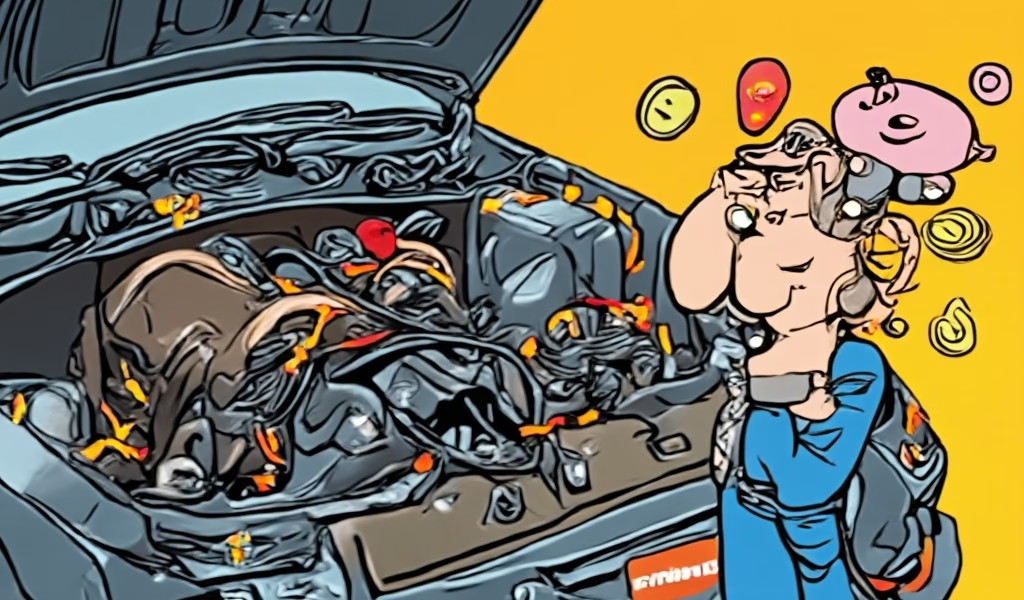
Before you can fix a squealing belt, you need to diagnose the specific problem. Here’s how to play detective with your vehicle’s belt system:
Visual Inspection
Start with the basics: pop the hood and look at your belts. Here’s what to check for:
- Cracks or fraying along the edges
- Glazed surfaces (shiny areas where the rubber looks burnished)
- Missing chunks or damaged ribs
- Signs of contamination (oily residue or grime)
- Proper alignment across all pulleys
Use a flashlight to get a good view, as belt issues can sometimes hide in the shadows of your engine bay. Pay special attention to the belt’s edges and the inner grooved surface that contacts the pulleys.
Listening Test
The sound itself can tell you a lot about what’s happening. Start your engine and listen carefully:
- Does the squeal happen only when starting the car? This often indicates a tension problem.
- Does it occur when you hit the gas? Look for slippage under load.
- Does the noise increase when you turn on accessories like AC? The problem might be related to that specific component.
- Is the squeal constant? This could indicate severe misalignment or a failing bearing.
A mechanic’s stethoscope can be incredibly useful here, but even a long screwdriver can work in a pinch. Place the metal end against different components (keeping clear of moving parts) and the handle end against your ear to help isolate the sound’s origin.
The Spray Test
This is a temporary diagnostic test, not a fix! With the engine running (being extremely careful around moving parts), you can have a helper lightly spray a small amount of water on the belt. If the squeal temporarily stops, you’re likely dealing with a slipping issue rather than a bearing problem.
Never use products like belt dressing as a diagnostic tool—these can damage modern belts and mask underlying issues while making the problem worse in the long run. Proper car maintenance means addressing root causes, not masking symptoms.
Check Tension
Modern serpentine belts often use automatic tensioners, but these can fail over time. Check if the tensioner is functioning properly by looking for:
- Proper positioning of the tensioner arm
- Smooth movement when pushed (with the engine OFF)
- No signs of fluid leaking from the tensioner
- Absence of wobble in the tensioner pulley
For older vehicles with manual adjustment, you’ll need to check belt deflection. Typically, you should see about 1/2 inch of give when you press on the belt midway between pulleys. According to Gates Corporation, a leading belt manufacturer, proper tension is critical for belt performance and longevity.
DIY Fixes for Belt Squealing
Got a squealing belt and want to tackle it yourself? Here are some effective DIY solutions based on the diagnosis you’ve made:
Adjusting Belt Tension
For vehicles with manually adjustable belts:
- Locate the adjustment bolt or bracket for your specific belt
- Loosen the pivot bolt slightly (but not completely)
- Use a pry bar or tensioning tool to increase tension while tightening the adjustment bolt
- Check tension by pushing on the belt—aim for about 1/2 inch of deflection
- Tighten all bolts securely once proper tension is achieved
For serpentine belts with automatic tensioners:
- Inspect the tensioner for proper function
- If the tensioner appears worn or stuck, it will need replacement
- Use a breaker bar or socket wrench on the tensioner pulley bolt to release tension
- Remove and replace the tensioner following manufacturer’s specifications
Remember that both too much and too little tension can cause problems. Too tight, and you risk damaging bearings in driven components; too loose, and you get the squealing we’re trying to eliminate.
Replacing a Worn Belt
If your inspection revealed a damaged or aged belt, replacement is your best option:
- Purchase the exact belt specified for your vehicle model
- Take a photo or draw a diagram of the current belt routing
- Release the tensioner using a socket wrench or breaker bar
- Remove the old belt carefully
- Install the new belt following your routing diagram exactly
- Release the tensioner slowly to apply proper tension
- Double-check the routing to ensure the belt sits properly in all pulley grooves
Replacing a serpentine belt is generally straightforward, but having the correct diagram is essential. Most vehicles have a sticker under the hood showing the correct routing, or you can find it in your owner’s manual. Upgrading to high-performance belts can improve your vehicle’s reliability in some cases.
Addressing Contamination
If your belt is contaminated with oil or other fluids:
- Identify and repair the source of the leak first
- Clean the pulleys thoroughly with brake cleaner or degreaser
- Replace the belt (cleaning a contaminated belt is rarely effective)
- Check surrounding components for damage from the leaked fluid
Simply cleaning or replacing the belt without fixing the leak is a short-term solution at best. You’ll be back to square one as soon as more fluid contaminates the new belt.
When to See a Mechanic
While many belt issues can be tackled as DIY projects, some situations call for professional help. Here’s when to hand over the wrench and make an appointment:
Complex Routing Systems
Some modern vehicles have incredibly complex belt routing systems that require special tools or techniques to service properly. If your vehicle falls into this category, a professional mechanic will have both the expertise and specialized tools to do the job right the first time.
Vehicles with dual belt systems or those requiring timing belt work (which is often related to but separate from drive belt issues) typically fall into this category. Timing belt replacements require precise tensioning and often involve manipulating engine timing components—mistakes here can be catastrophically expensive.
When Diagnosis Is Unclear
If you’ve gone through the diagnostic steps and still can’t pinpoint the source of the squealing, it’s time for professional help. Modern vehicles have numerous interrelated systems, and what sounds like a belt problem might actually be something else entirely.
Professional shops have diagnostic equipment like thermal imaging cameras that can quickly identify overheating bearings or components that might be causing your belt issues.
Multiple Failed DIY Attempts
If you’ve replaced the belt and tensioner but the squealing persists, there’s likely a deeper issue at play. This could be misaligned pulleys, damaged accessory bearings, or other problems that require more extensive diagnosis.
Continuing to replace belts without addressing the root cause will just waste your money and time. A professional can perform a comprehensive assessment of the entire belt drive system.
Additional Symptoms Beyond Noise
If your vehicle is exhibiting other symptoms along with the belt noise—like battery warning lights, overheating, power steering issues, or air conditioning problems—the belt noise might be a symptom rather than the cause. These situations typically indicate that one of the belt-driven accessories is failing and requires professional attention.
According to AAA, ignoring these combined symptoms can lead to roadside breakdowns and more extensive damage to your vehicle’s systems.
Prevention Tips: Keep Those Belts Quiet
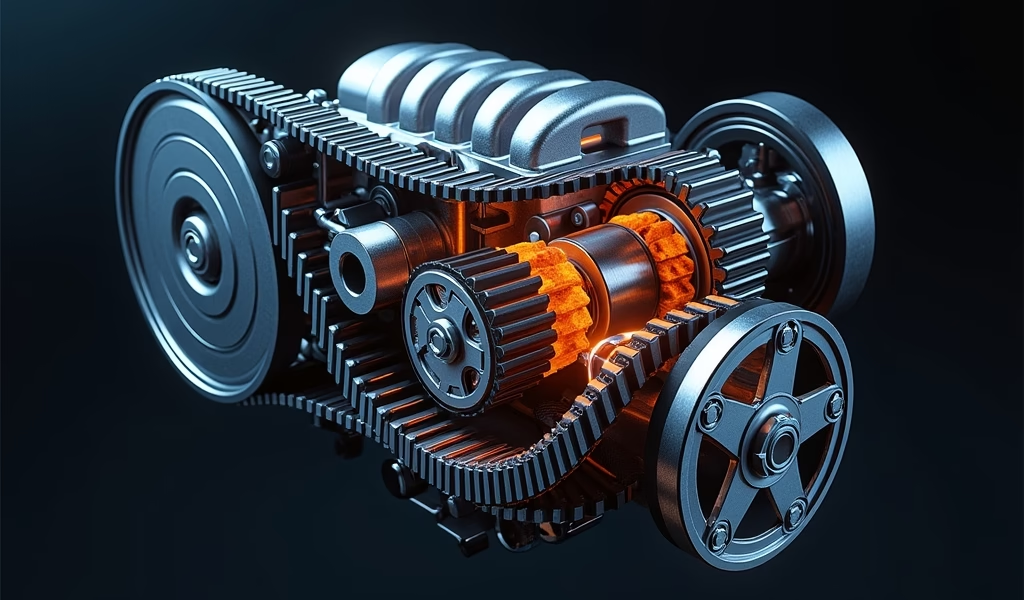
An ounce of prevention is worth a pound of cure—especially when it comes to belt maintenance. Here’s how to keep your belts running smoothly and quietly:
Regular Inspection Schedule
Make belt inspection part of your routine maintenance. Every time you change your oil (or about every 3-5,000 miles), take a minute to:
- Visually check all belts for wear, cracks, or glazing
- Look for signs of contamination or leaks near belt areas
- Ensure the tensioner is functioning properly
- Listen for early signs of noise during cold starts
Catching belt issues early can prevent that annoying squeal from ever developing. It’s much easier to replace a belt showing early signs of wear than to deal with one that’s already failing and possibly damaging other components.
Proper Belt Replacement Intervals
Don’t wait for failure—replace belts proactively according to manufacturer recommendations. Most modern serpentine belts should be replaced every 60,000-100,000 miles, even if they look okay. The internal tensile cords can weaken long before visible signs appear.
Many mechanics recommend that if your belt has more than 80,000 miles on it, replacement should be considered preventive maintenance rather than a repair. Regular maintenance treatments like this can dramatically extend your vehicle’s lifespan.
Address Fluid Leaks Promptly
Oil, coolant, and power steering fluid are enemies of belt longevity. If you notice spots on your driveway or garage floor, investigate and repair the source of these leaks before they contaminate your belt system.
Pay particular attention to:
- Valve cover gaskets (common source of oil leaks onto belts)
- Water pump seals (coolant leaks)
- Power steering pump connections
- Air conditioning compressor seals
Addressing these leaks early not only prevents belt issues but also avoids the more expensive repairs that can result from chronically low fluid levels in these systems.
Quality Parts Matter
When replacing belts or tensioners, choose quality parts from reputable manufacturers. The few dollars saved on a bargain belt can cost hundreds in premature failure or damage to other components.
Look for belts that meet or exceed OEM specifications. Major brands like Gates, Continental, Dayco, and Goodyear typically produce reliable products that come with solid warranties. According to research by Consumer Reports, certain car parts, including drive belts, should never be compromised on quality.
Cost-Saving Benefits of Timely Belt Maintenance
Being proactive about belt maintenance isn’t just about avoiding annoying noises—it’s about protecting your wallet from much more expensive problems down the road.
Preventing Secondary Damage
When belts fail completely, they can cause a cascade of expensive problems:
- A snapped belt can wrap around other components, causing physical damage
- Loss of power steering can lead to accident damage
- Without alternator function, your electrical system will run on battery alone until it dies
- Loss of water pump function can cause rapid overheating and potential engine damage
The cost comparison is stark: $20-100 for a belt replacement versus potentially thousands for engine repairs due to overheating or other consequential damage.
Improved Fuel Economy
A properly functioning belt system ensures that all accessories operate at optimal efficiency. When belts slip or accessories drag due to bearing issues, your engine works harder, consuming more fuel.
Studies show that proper maintenance of belt-driven systems can improve fuel economy by 1-2%, which adds up over the life of your vehicle. With today’s fuel prices, that’s money in your pocket.
Extended Component Life
When belts operate correctly:
- Alternators don’t have to work as hard to produce electricity
- Power steering pumps operate at designed pressures
- Air conditioning compressors cycle properly
- Water pumps provide consistent cooling
This reduces wear on these expensive components, extending their service life and pushing major repairs further into the future.
Avoiding Roadside Breakdowns
The average cost of a tow alone can range from $75-125, not counting lost time, inconvenience, and the potential premium you might pay for emergency repairs. A broken belt that leaves you stranded quickly becomes much more expensive than preventive maintenance would have been.
Regular belt maintenance is one of the most cost-effective investments you can make in your vehicle’s reliability and longevity.
Conclusion
That annoying belt squeal isn’t just a noise problem—it’s your vehicle giving you an early warning about potential issues that could lead to more serious trouble down the road. By understanding what causes belt squealing and taking proactive steps to address it, you’re not just silencing an irritating sound; you’re protecting your vehicle’s health and your financial well-being.
Remember the key takeaways: regularly inspect your belts for wear and proper tension, address any fluid leaks immediately, don’t skimp on quality replacement parts, and know when a job is beyond DIY scope. A little attention to your vehicle’s belt system today can prevent major headaches tomorrow.
Whether you’re handling the maintenance yourself or working with a trusted mechanic, staying ahead of belt problems is one of the smartest moves you can make as a vehicle owner. Your car will run more efficiently, more reliably, and yes—more quietly—when its belt system is in top condition.
So the next time you hear that tell-tale squeal, don’t just turn up the radio to drown it out. Take it as the helpful warning it is, and address the issue promptly. Your car (and your wallet) will thank you.
Frequently Asked Questions
How much does it cost to fix a squealing belt?
The cost typically ranges from $70-$200 for a serpentine belt replacement, including parts and labor. DIY replacement can cost as little as $20-$50 for just the belt.
Can I drive with a squealing belt?
You can drive temporarily with a squealing belt, but it indicates a problem that could lead to complete belt failure. Address the issue as soon as possible to avoid being stranded.
Will WD-40 stop a squeaky belt?
Never use WD-40 or similar products on drive belts. These products can damage the rubber and make the problem worse by causing the belt to slip more.
How long does a serpentine belt typically last?
Modern serpentine belts typically last 60,000-100,000 miles. However, environmental factors and driving conditions can significantly affect this lifespan.
Is a squealing belt an emergency?
It’s not usually an immediate emergency, but it is an important warning sign. You should plan to have it inspected and repaired within a few days of noticing the noise.