
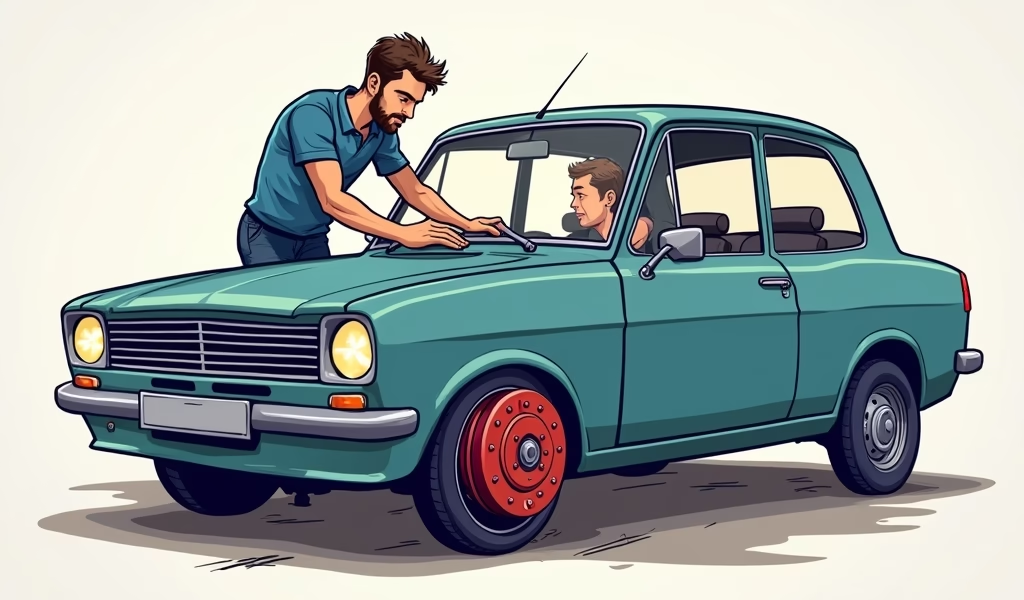
Overview
That grinding noise from your brakes isn’t just an auditory nuisance—it’s the sound of metal-on-metal contact that signals worn brake pads, damaged rotors, or other serious issues requiring immediate attention. Addressing brake problems at the earliest warning signs (like squealing) can save hundreds in repair costs, prevent dangerous brake failure, and ensure your vehicle maintains its crucial stopping power when you need it most.
Table of Contents
- What Causes Brake Grinding? Understanding the Warning Signs
- How Your Brakes Work: A Quick Primer
- Common Causes of Brake Grinding
- Early Warning Signs Before the Grinding Starts
- The Dangers of Ignoring Brake Grinding
- DIY Brake Inspection: What to Look For
- Repair Options and Typical Costs
- Preventive Maintenance: How to Avoid Brake Problems
- Conclusion: Don’t Ignore That Grinding Sound
- Frequently Asked Questions
What Causes Brake Grinding? Understanding the Warning Signs
That spine-chilling metal-on-metal screech when you press your brake pedal isn’t just unpleasant—it’s your vehicle’s desperate cry for help. As a mechanic with 20 years of experience, I’ve seen countless drivers ignore this warning until they’re facing repair bills that could have been avoided.
Brake grinding occurs when components of your braking system that should never touch are making direct contact. It’s essentially the sound of your car eating itself alive, and it should trigger immediate action.
Unlike some car issues that can wait until your next scheduled maintenance, brake grinding demands prompt attention. What starts as a simple pad replacement can quickly escalate into damaged rotors, compromised calipers, and even safety concerns if ignored.
In this guide, I’ll walk you through what causes brake grinding, how to catch problems early, and the steps you can take to save both your wallet and your safety. I’ve designed this article to be thorough yet approachable—think of it as having a chat with your neighborhood mechanic rather than reading a technical manual.
How Your Brakes Work: A Quick Primer
Before diving into grinding issues, let’s understand what happens when you press that brake pedal. Your braking system is surprisingly straightforward despite its critical importance.
Modern vehicles typically use disc brakes, which work like a bicycle hand brake but on a larger scale. When you press the brake pedal, hydraulic pressure forces the caliper (a clamp-like device) to squeeze brake pads against a metal disc called the rotor. This friction converts your car’s motion energy into heat energy, slowing the wheels.
The key components include:
- Brake pads: The friction material that presses against the rotors
- Rotors (or discs): Metal discs attached to your wheels that the pads squeeze against
- Calipers: The “clamps” that push the pads against the rotors
- Brake fluid: The hydraulic fluid that transfers force from your pedal to the calipers
These parts work in harmony to stop your vehicle safely. But like any system with moving parts and friction, wear is inevitable. Understanding this basic operation helps make sense of why grinding occurs when things go wrong.
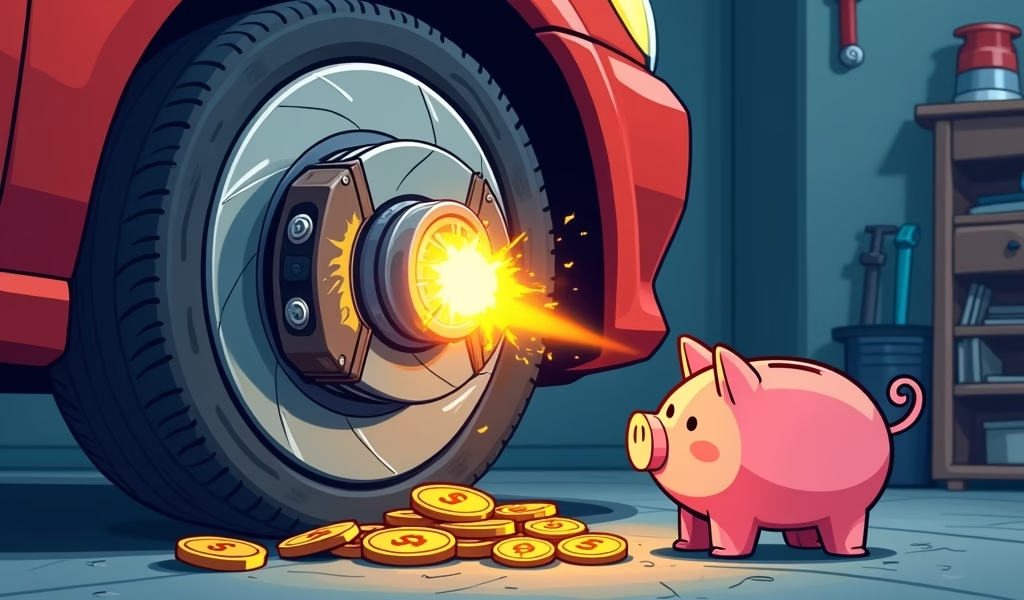
Common Causes of Brake Grinding
Completely Worn Brake Pads
The most common cause of brake grinding is completely worn brake pads. Brake pads have a friction material backed by a metal plate. When this friction material wears down completely, the metal backing plate contacts your metal rotor directly—creating that horrific grinding noise.
Brake pads are designed with wear indicators—small metal tabs that make contact with the rotor when the pad material reaches minimum thickness. These create a high-pitched squeal as an early warning. If you ignore this squeal, eventually the entire pad wears away, and grinding begins.
According to a Society of Automotive Engineers study, driving with completely worn pads can damage rotors beyond repair within just 100 miles of city driving.
Damaged or Warped Rotors
Rotors can develop problems independent of pad wear. When rotors become warped or develop significant grooves or “scoring,” the uneven surface causes vibration and grinding noises even with adequate pad material remaining.
Rotors can warp from excessive heat (like riding your brakes down a mountain) or develop scoring from previous metal-on-metal contact. Once damaged, they can’t perform their job properly and need to be resurfaced or replaced.
Foreign Objects in the Braking System
Sometimes the grinding isn’t from wear at all. Small rocks, road debris, or even hardened brake dust can become trapped between the pad and rotor, creating a grinding noise. This is usually intermittent rather than constant.
While less destructive than metal-on-metal contact, trapped debris can still damage rotors if not removed promptly. Fortunately, this cause is often the simplest to fix.
Rusted Components
If your vehicle sits unused for extended periods or you live in areas where road salt is common, rust can accumulate on your rotors. This surface rust initially causes grinding when you first apply brakes after the car has been sitting. It typically disappears after a few brake applications as the rust gets scrubbed off.
However, severe rusting can cause pitting in rotors or seize caliper components, leading to more serious grinding issues. Regular driving helps prevent this type of problem.
Stuck or Seized Calipers
Your brake calipers need to move freely to apply and release properly. When a caliper sticks or seizes, it can cause the brake pad to drag continuously against the rotor, even when you’re not braking. This constant contact accelerates wear and can lead to grinding noises.
Seized calipers are particularly common in vehicles that see limited use or in areas with harsh winter conditions where road salt causes corrosion. Regular maintenance checks can catch this problem before it becomes severe.
Early Warning Signs Before the Grinding Starts
Your brakes don’t go from perfect to grinding overnight. They’ll usually give you several warnings before things get serious. Catching these early signs can save you hundreds in repair costs.
Squeaking or Squealing
A high-pitched squeal when braking is typically the first warning sign. This sound comes from the wear indicators I mentioned earlier—small metal tabs designed specifically to make noise when your pads need replacement.
Don’t make the mistake of dismissing this as “normal brake noise.” It’s an engineered warning system telling you to replace your pads before more expensive damage occurs.
Vibration When Braking
If you feel pulsation in the brake pedal or steering wheel when slowing down, your rotors likely have uneven surfaces. This vibration typically indicates warping or thickness variation in the rotors.
This symptom often appears before grinding starts and serves as an excellent early indicator that your brake system needs attention. Addressing this promptly often means you can resurface rather than replace the rotors, saving considerable money.
Decreased Braking Performance
When your vehicle takes longer to stop than it used to or the brake pedal feels different (softer or requiring more pressure), these changes signal brewing problems. Your braking system is designed to provide consistent performance, so any noticeable change warrants investigation.
Many drivers unknowingly compensate for decreasing brake performance by pressing harder or braking earlier. Pay attention to these subtle adjustments you might be making—they’re valuable clues.
Brake Warning Light
Modern vehicles have sophisticated sensors monitoring brake pad thickness, brake fluid levels, and system pressure. If your brake warning light illuminates, don’t ignore it—your car’s computer has detected an issue requiring attention.
This built-in monitoring system is particularly valuable for checking rear brakes, which often wear without creating noticeable symptoms until they’re severely damaged.
The Dangers of Ignoring Brake Grinding
When your brakes start grinding, the clock starts ticking on both your safety and your wallet. The consequences of continuing to drive with grinding brakes extend far beyond the unpleasant noise.
Rotor Damage
Once metal-to-metal contact begins, your rotors suffer damage with every brake application. The metal backing plate of the worn pad digs grooves into the rotor surface, destroying its smooth finish. Within just a few days of city driving, rotors can be damaged beyond repair, requiring complete replacement rather than the less expensive resurfacing option.
The cost difference is significant—resurfacing might cost $20-40 per rotor, while replacement can run $70-300+ per rotor depending on your vehicle make and model.
Caliper Damage
Extended grinding can damage the caliper pistons and seals as they’re forced to extend farther to compensate for the missing pad material. Once a caliper is damaged, brake fluid leaks become possible, which can lead to complete brake failure.
Replacing calipers is substantially more expensive than replacing pads, often costing $150-400 per caliper plus labor. This is why catching brake wear early makes such financial sense.
Compromised Safety
The most critical concern is safety. Grinding brakes have significantly reduced stopping power, which extends your stopping distance in emergency situations. This performance reduction happens gradually, so drivers often don’t realize how compromised their braking has become until they need to stop suddenly.
According to the National Highway Traffic Safety Administration, brake failures contribute to approximately 22% of mechanical-failure crashes. Many of these could be prevented with proper maintenance.
Grinding brakes can also cause unpredictable braking behavior, including pulling to one side or sudden changes in pedal feel. These unexpected responses can be dangerous in emergency situations when predictable vehicle handling is essential.
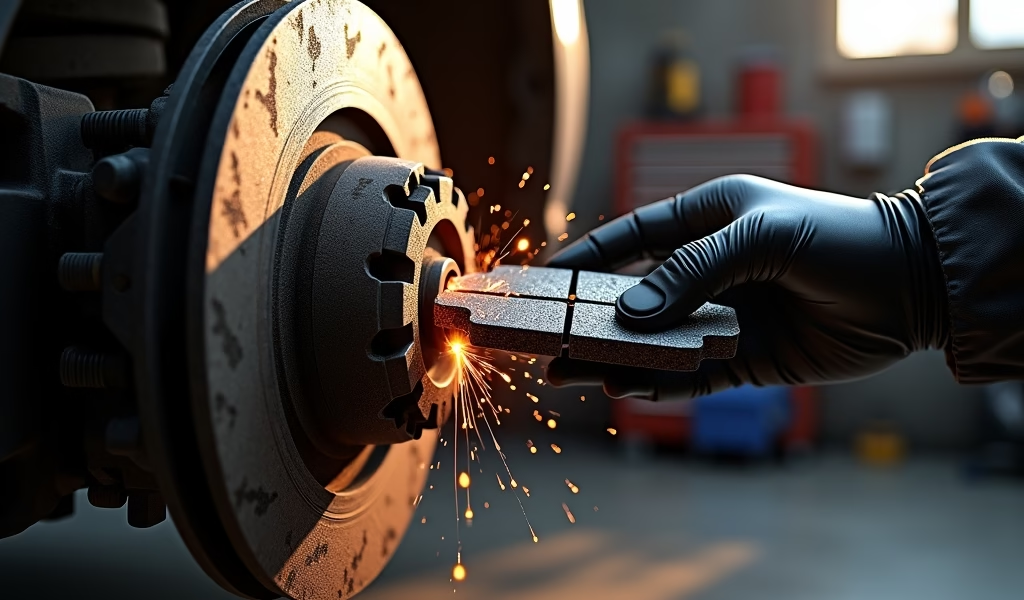
DIY Brake Inspection: What to Look For
Even without mechanical experience, you can perform a basic brake inspection to catch problems before they escalate to grinding. Here’s how to check your brakes between professional maintenance visits:
Visual Inspection
You can often see your brake pads through the spaces between wheel spokes without removing anything:
- Look through the wheel spokes toward the shiny brake rotor
- The brake pads will be the dark material pressing against the rotor
- Measure the thickness—if it’s less than ¼ inch (about the thickness of a pencil), plan for replacement soon
- Look for uneven wear—pads should wear evenly across their surface
While you’re looking, check the rotor surface too. It should be relatively smooth with no deep grooves or visible scoring. A light circular pattern is normal, but deep grooves or severe discoloration indicate problems.
Listen Carefully
Use your ears as diagnostic tools. Take a slow drive around your neighborhood with the radio off and windows down. Listen for:
- High-pitched squealing during light braking (wear indicators)
- Grinding noises (metal-on-metal contact)
- Scraping sounds that change with vehicle speed (possible debris)
Pay attention to when these sounds occur—during initial brake application, throughout braking, or when releasing the brakes—as this helps pinpoint the problem.
Feel for Changes
Your sense of touch provides valuable information about brake health:
- Vibration in the brake pedal or steering wheel during braking indicates warped rotors
- A brake pedal that feels “softer” or goes closer to the floor than usual suggests hydraulic issues
- A vehicle that pulls to one side during braking points to uneven brake performance
These tactile clues often appear before audible grinding starts. By addressing them promptly, you can prevent more expensive repairs down the road and improve your car’s overall performance.
Repair Options and Typical Costs
When brake grinding occurs, you have several repair options depending on the severity and cause of the problem. Understanding these options helps you make informed decisions and avoid unnecessary expenses.
Brake Pad Replacement
If you catch the problem early (during the squealing phase before grinding begins), you might only need new brake pads. This is the best-case scenario cost-wise:
- DIY cost: $30-150 per axle (depending on pad quality)
- Professional service: $150-300 per axle (including labor)
Premium ceramic pads cost more upfront but typically last longer and create less dust than metallic or semi-metallic options. For most daily drivers, mid-grade ceramic pads offer the best balance of performance, longevity, and value.
Rotor Resurfacing
If your rotors have minor imperfections but adequate thickness remaining, they can often be resurfaced (also called “turning” or “machining”):
- Professional service: $15-40 per rotor
This process removes a thin layer of material to restore a smooth surface. It’s only possible if the rotor hasn’t been resurfaced too many times already and still meets minimum thickness specifications.
Rotor Replacement
If grinding has created deep grooves in your rotors or they’re below minimum thickness, replacement becomes necessary:
- Economy rotors: $30-100 each
- Premium rotors: $70-300+ each
- Labor: $50-100 per axle
Vehicle make and model significantly impact these costs. German luxury vehicles, for instance, typically have higher-priced components than domestic models.
Caliper Repair or Replacement
If grinding has continued long enough to damage calipers, or if seized calipers caused the grinding in the first place:
- Caliper rebuild kit: $30-50 per caliper (DIY option)
- New/remanufactured caliper: $70-300+ each
- Labor: $80-150 per caliper
Rebuilding can be cost-effective but requires mechanical experience. For most drivers, remanufactured calipers offer the best balance of reliability and cost.
Complete Brake Service
When grinding has caused extensive damage, a complete brake service may be necessary:
- Professional service: $300-800+ per axle
This typically includes new pads, rotors, hardware (clips and shims), caliper service if needed, and a brake fluid check/top-off. While expensive, it addresses all components affected by grinding and restores proper brake function.
Remember that putting off brake repairs only increases the final cost. A $150 pad replacement becomes a $500 job when rotors and calipers become damaged. This makes preventive maintenance the most economical long-term strategy.
Preventive Maintenance: How to Avoid Brake Problems
The best way to handle brake grinding is to prevent it from happening in the first place. These preventive measures will save you money, time, and stress in the long run.
Follow a Regular Inspection Schedule
Make brake inspections part of your regular maintenance routine:
- Visual check: Every 3 months or 3,000 miles
- Professional inspection: Annually or every 12,000 miles
- Whenever you rotate tires: This creates a perfect opportunity to check brake components
Regular inspections catch wear patterns early, allowing you to plan for replacement before emergency situations develop. Many repair shops offer free brake inspections, making this a no-cost preventive measure.
Respond to Warning Signs Promptly
When your vehicle gives you those early warning signs we discussed:
- Squealing noises: Schedule brake service within the next 1-2 weeks
- Vibration during braking: Have rotors checked at your next convenient opportunity
- Any change in brake pedal feel or performance: Investigate promptly
Treating these warnings with appropriate urgency prevents minor issues from developing into major repairs. Think of that squeal as your car saying, “I need new pads soon, but not emergently.”
Adopt Brake-Friendly Driving Habits
How you drive significantly impacts brake longevity:
- Look further ahead to anticipate stops, reducing the need for hard braking
- Maintain greater following distance to allow for gradual braking
- Remove unnecessary weight from your vehicle (extra weight means extra brake wear)
- In downhill situations, use engine braking (lower gear) to reduce brake load
These driving techniques not only extend brake life but also improve fuel economy and reduce overall vehicle wear. They’re habits worth developing for multiple benefits.
Use Quality Parts
When replacement becomes necessary, resist the temptation of the cheapest option:
- Mid-grade or better brake pads provide better performance and longevity
- Quality rotors resist warping and provide better heat dissipation
- OEM or equivalent hardware ensures proper fit and function
The price difference between economy and mid-grade components is typically modest (20-40%), while the lifespan can be double or more. This makes better parts more economical in the long run.
Maintain Brake Fluid
Brake fluid is often neglected but critically important:
- Have brake fluid tested for contamination every 2 years
- Replace fluid completely every 3-5 years (follow manufacturer recommendations)
- Use the brake fluid type specified by your vehicle manufacturer
Degraded brake fluid can lead to poor braking performance and internal corrosion of brake components. This simple maintenance item prevents many brake system failures.
Conclusion: Don’t Ignore That Grinding Sound
Brake grinding isn’t just an annoyance—it’s a serious warning sign that demands prompt attention. That metal-on-metal sound indicates your vehicle’s primary safety system is compromised, potentially putting you and others at risk while simultaneously driving up repair costs with every mile.
The path from minor wear to catastrophic failure is predictable and preventable. By understanding the warning signs, performing regular inspections, and addressing issues promptly, you can avoid the expense and danger of severely damaged brakes.
Remember these key takeaways:
- Squealing precedes grinding—address it during this earlier, less expensive stage
- Regular visual inspections catch problems before they become noticeable while driving
- The cost difference between preventive maintenance and reactive repair is substantial
- Your driving habits significantly impact how long your brakes last
Your brakes are too important to neglect. They’re literally what stands between you and a collision in emergency situations. Treating them with the respect and attention they deserve isn’t just good economics—it’s essential for your safety and that of everyone sharing the road with you.
Next time you hear that first squeal, don’t reach for the radio volume knob. Reach for your phone and call your trusted mechanic instead. Your wallet—and potentially your safety—will thank you.
Frequently Asked Questions
How long can I drive with grinding brakes?
You shouldn’t drive at all with grinding brakes if possible. Every mile causes exponential damage that increases repair costs and compromises safety.
What’s the average cost to fix grinding brakes?
Repair costs typically range from $300-800 per axle when grinding has already begun. This price varies based on vehicle make/model and the extent of damage.
Will grinding brakes fail completely?
Yes, grinding brakes can eventually fail catastrophically. The metal-on-metal contact destroys braking surfaces and can lead to complete loss of stopping power.
Can I just replace the brake pads if they’re grinding?
No, once grinding occurs, rotors are almost always damaged and require resurfacing or replacement. Replacing only the pads will result in poor braking performance and continued noise.
How often should brake pads be replaced to prevent grinding?
Most vehicles need brake pad replacement every 30,000-70,000 miles, depending on driving habits and conditions. Regular inspections are better than following mileage alone.