
Overview
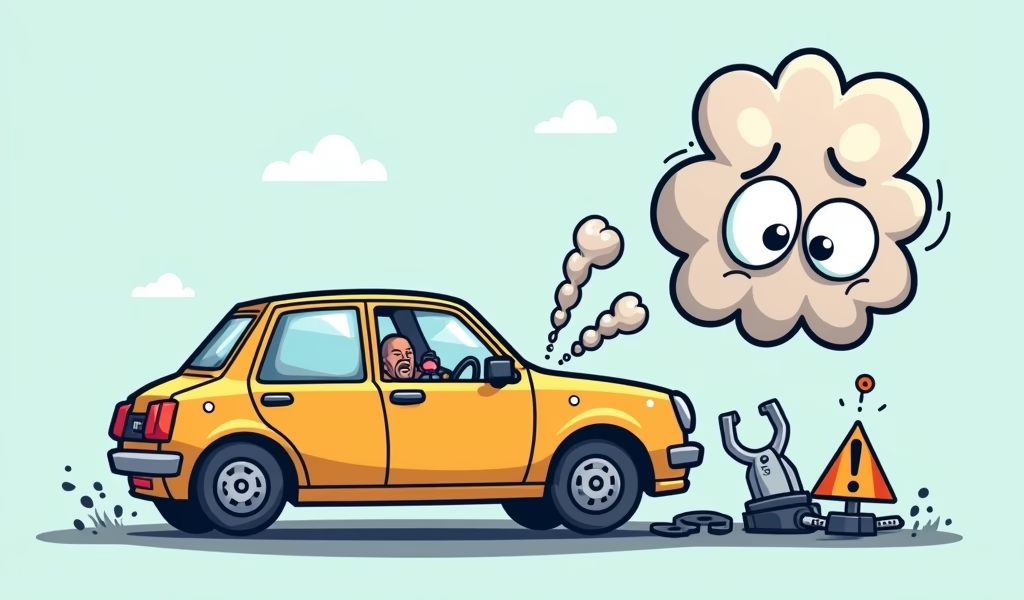
Just like that awkward cough at a quiet dinner party, your car’s sputtering is a clear signal something’s wrong—typically stemming from issues in the fuel system, ignition components, air intake, or engine sensors. Understanding these common causes can help you determine whether you can fix the problem yourself with basic maintenance like replacing spark plugs and air filters, or if you need professional help for more complex issues like fuel pump failures or catalytic converter problems.
Table of Contents
- Understanding Car Sputtering: What’s Actually Happening
- Common Causes of Car Sputtering
- Fuel System Issues That Cause Sputtering
- Ignition System Problems That Lead to Sputtering
- Air Intake Issues That Affect Engine Performance
- DIY Solutions for a Sputtering Engine
- When to See a Mechanic About Sputtering
- Prevention Tips to Avoid Future Sputtering
- Conclusion
- Frequently Asked Questions
Understanding Car Sputtering: What’s Actually Happening
You’re cruising down the highway when suddenly your car jerks, hesitates, and begins to sputter. Few things are as concerning as when your vehicle starts acting up unexpectedly. That distinctive stuttering sensation is your car’s way of telling you something’s wrong—but what exactly is happening under the hood?
When your car sputters, it’s experiencing interruptions in the combustion process. Your engine needs three key elements to run smoothly: fuel, air, and spark. When one of these components isn’t delivered properly or in the right amounts, your engine can’t maintain consistent power output. The result? That jerky, hesitating motion we call sputtering.
The good news is that diagnosing why your car is sputtering doesn’t always require advanced mechanical knowledge. With some basic understanding, you can often identify the culprit—and sometimes even fix it yourself. More importantly, addressing sputtering early can prevent minor issues from escalating into major (and expensive) repairs.
Think of sputtering as your car’s version of a cough. Sometimes it’s just a minor irritation, but it could also signal something more serious. Either way, it deserves attention before it potentially leaves you stranded or facing a hefty repair bill.
Common Causes of Car Sputtering
Most cases of engine sputtering can be traced back to issues in one of four key systems: fuel delivery, ignition, air intake, or engine sensors. Let’s break down the most common culprits in each category:
Quick Overview of Sputtering Causes
- Fuel system problems (clogged injectors, weak fuel pumps, dirty filters)
- Ignition system failures (worn spark plugs, bad coils, damaged wires)
- Air intake restrictions (dirty air filters, vacuum leaks)
- Sensor malfunctions (oxygen sensors, mass airflow sensors)
- Exhaust system issues (clogged catalytic converters)
Understanding which system is likely causing your problem can save you time and money when seeking repairs. For instance, if your car only sputters during acceleration, fuel delivery problems are often the culprit. If it happens when the engine is cold but improves as it warms up, ignition components might be failing.
Weather conditions can also influence sputtering. In cold weather, fuel doesn’t vaporize as efficiently, making fuel system issues more apparent. During hot, humid conditions, ignition system problems often become more noticeable as components work harder to create sufficient spark.
The age and mileage of your vehicle can offer clues too. Newer vehicles with higher mileage often develop fuel injector clogs and sensor issues, while older cars frequently experience ignition system deterioration and vacuum leaks. Regardless of your car’s age, most causes of sputtering are fixable—and many are preventable with proper maintenance.
Fuel System Issues That Cause Sputtering
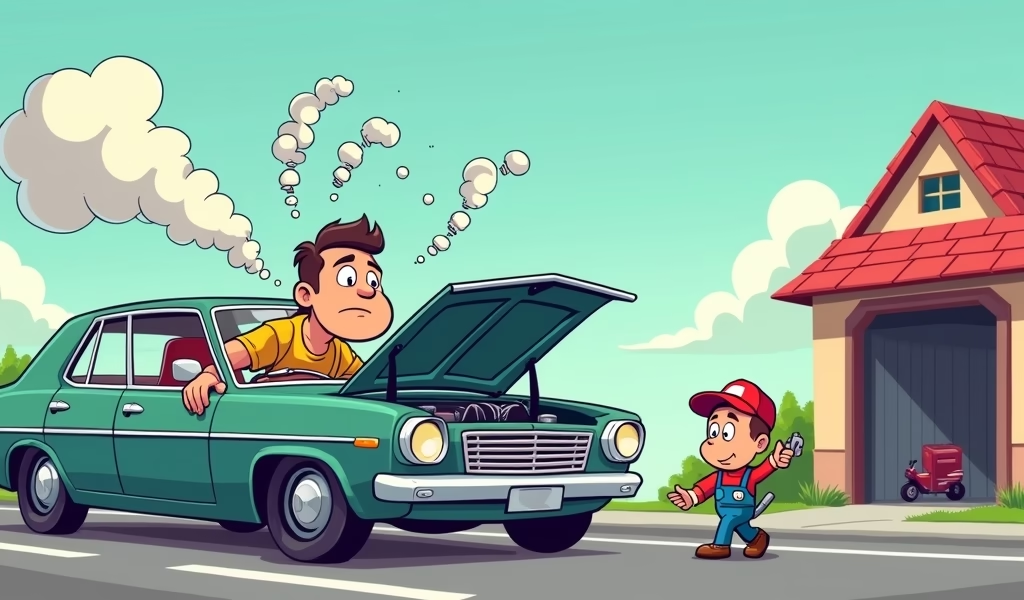
The fuel system is often the primary suspect when your car begins to sputter. This complex network is responsible for delivering the precise amount of fuel your engine needs—at exactly the right time. Here’s how fuel system components can cause sputtering:
Clogged Fuel Injectors
Fuel injectors spray a fine mist of gasoline into your engine’s combustion chambers. Over time, deposits build up on the injector tips, disrupting that perfect spray pattern. When injectors can’t deliver fuel properly, your engine might run lean (not enough fuel), especially during acceleration when fuel demands increase suddenly.
You might notice the sputtering is worse when you’re trying to pass another vehicle or climbing hills. Modern injectors are designed to last the lifetime of your vehicle, but fuel quality issues can cause premature clogging. Using quality fuel and periodic fuel system cleaners can help prevent this problem.
Failing Fuel Pump
Your fuel pump moves gasoline from the tank to your engine at specific pressure. When it starts failing, fuel pressure becomes inconsistent, causing your engine to alternate between running rich and lean. This creates that characteristic sputtering feeling as your engine struggles with varying fuel delivery.
Fuel pumps typically give some warning before complete failure. If your sputtering is accompanied by a high-pitched whining noise from the rear of your vehicle, your fuel pump might be crying for help. Modern vehicles should get 100,000+ miles from a fuel pump, but running your tank regularly below a quarter tank can shorten its lifespan significantly.
Dirty Fuel Filter
The humble fuel filter prevents contaminants from reaching your engine, but when it clogs, fuel flow becomes restricted. This restriction is most noticeable under high demand situations, like highway driving or climbing hills, when your engine suddenly needs more fuel than can pass through the clogged filter.
The result? Your car sputters as it gasps for fuel. Replacing fuel filters according to your maintenance schedule (typically every 30,000-50,000 miles) is an inexpensive way to prevent this issue.
Contaminated Fuel
Sometimes the problem isn’t your car but what you’ve put into it. Water contamination, particularly after filling up during or after heavy rain, can cause your engine to misfire and sputter as the water disrupts normal combustion. Similarly, low-quality fuel can contain contaminants that interfere with proper engine function.
If your car starts sputtering shortly after refueling, the fuel quality might be the culprit. Consider adding a fuel system treatment and filling up at a different station next time.
Ignition System Problems That Lead to Sputtering
While the fuel system delivers the combustible material, your ignition system provides the spark that makes the magic happen. When ignition components fail, that spark becomes inconsistent, leading to the tell-tale sputtering sensation.
Worn Spark Plugs
Spark plugs create the electrical spark that ignites fuel in your engine. As they wear out, the electrode gap widens, requiring more voltage to create a sufficient spark. This increased demand can exceed what your ignition system can deliver, especially under load, resulting in misfires that manifest as sputtering.
Modern vehicles use long-life platinum or iridium plugs that can last 60,000-100,000 miles, but they don’t last forever. If your vehicle has over 80,000 miles on the original plugs, they’re prime suspects in your sputtering mystery.
Faulty Ignition Coils
Ignition coils transform your battery’s low voltage into the thousands of volts needed to jump the spark plug gap. When coils start failing, they often work intermittently—functioning normally until they heat up, then failing as you drive. This creates a sputtering pattern that typically worsens the longer you drive.
Unlike catastrophic failures that throw check engine lights immediately, deteriorating coils can cause subtle performance issues for months before triggering warning lights. If your car runs fine when cold but develops a sputter after warming up, suspect ignition coils.
Damaged Spark Plug Wires
In older vehicles, high-voltage electricity travels from the coils to the spark plugs through spark plug wires. These wires have insulation that deteriorates over time, allowing voltage to leak instead of reaching the spark plug. The result? Weak sparks that cause misfires and sputtering.
Spark plug wire issues often become more noticeable in humid or rainy weather, as moisture provides an easier path for electricity to escape. If your car runs poorly during damp conditions but improves when dry, inspect your plug wires for cracks or damage.
Air Intake Issues That Affect Engine Performance
Your engine needs the right balance of fuel and air to run smoothly. When air intake problems disrupt this balance, sputtering often follows.
Dirty Air Filter
The air filter is your engine’s first line of defense against contaminants. When it becomes clogged, airflow is restricted, creating a fuel mixture that’s too rich (too much fuel, not enough air). This rich mixture causes incomplete combustion, resulting in sluggish performance and sputtering.
Air filter replacement is one of the easiest and most affordable maintenance tasks, typically needed every 15,000-30,000 miles. If you can’t remember the last time yours was changed, it’s worth checking—especially if you drive in dusty conditions.
Mass Air Flow Sensor Issues
The mass air flow (MAF) sensor measures how much air enters your engine so the computer can adjust fuel delivery accordingly. When it’s dirty or failing, it sends incorrect information, causing improper fuel mixtures that lead to sputtering, especially during changes in throttle position.
MAF sensors can sometimes be cleaned rather than replaced, potentially saving hundreds of dollars. If your car idles roughly and sputters during acceleration, but runs better at steady speeds, the MAF sensor could be the culprit.
Vacuum Leaks
Modern engines rely on a carefully controlled vacuum system. Leaks in vacuum hoses or intake manifold gaskets allow unmetered air into the engine, disrupting the air-fuel ratio. This “false air” isn’t measured by the MAF sensor, so the computer doesn’t compensate with additional fuel.
The result? A lean condition that causes hesitation and sputtering. Vacuum leaks often create a distinctive hissing sound and may cause erratic idle speeds. They’re particularly common in vehicles over 6 years old, as rubber hoses deteriorate with age and heat exposure.
DIY Solutions for a Sputtering Engine
Before heading to a mechanic, there are several diagnostic steps and repairs you can attempt yourself. With basic tools and some mechanical aptitude, you might solve your sputtering problem without a hefty repair bill.
Basic Diagnostic Steps
Start with some simple troubleshooting to narrow down potential causes:
- Check for dashboard warning lights, especially the check engine light
- Listen for unusual sounds that might indicate vacuum leaks or fuel pump problems
- Note when the sputtering occurs (cold start, acceleration, steady cruising, etc.)
- Consider recent changes (new fuel, weather conditions, maintenance work)
If your check engine light is on, an OBD-II scanner can help identify the problem. Basic models are affordable (starting around $30) and can save you diagnostic fees at repair shops. Code readers translate your car’s error codes into understandable problems like “cylinder 3 misfire” or “oxygen sensor circuit malfunction.”
DIY Repairs to Try
Based on your diagnostic findings, consider these DIY repairs:
Fuel System Fixes
- Add a quality fuel system cleaner to your tank (follow product directions)
- Replace the air filter (typically accessible under the hood with simple clips or screws)
- Check for loose fuel cap (which can trigger check engine lights and cause evaporative system issues)
Ignition System Repairs
- Replace spark plugs (requires basic socket wrenches and a gap tool)
- Inspect spark plug wires for damage (if equipped)
- Replace ignition coils if individual cylinder misfires are detected (moderate difficulty)
Spark plug replacement is particularly effective for high-mileage vehicles experiencing sputtering. It’s also one of the more approachable DIY repairs, with plenty of vehicle performance tutorials available online. Just be sure to replace plugs one at a time to avoid mixing up the firing order.
When DIY Isn’t Worth It
Some repairs are best left to professionals, either due to complexity, safety concerns, or specialized tool requirements:
- Fuel pump replacements (requires fuel system depressurization and tank removal)
- Internal engine repairs (timing chains, valve adjustments)
- Catalytic converter replacements (often requires specialized equipment)
- Complex electrical issues (intermittent problems requiring advanced diagnostics)
Always consider your skill level honestly before attempting repairs. An unsuccessful DIY attempt can sometimes create additional problems, leading to higher repair costs in the long run.
When to See a Mechanic About Sputtering
While DIY solutions can fix many sputtering issues, certain situations call for professional attention. Knowing when to call in the experts can save you time, frustration, and potentially prevent further damage.
Warning Signs That Require Immediate Attention
Don’t delay seeking professional help if you notice these symptoms:
- Severe sputtering that makes the vehicle difficult to control
- White, blue, or black smoke from the exhaust
- Engine overheating alongside sputtering
- Loud knocking or metallic sounds
- Complete stalling or failure to restart
These symptoms could indicate serious problems that might lead to catastrophic engine failure if not addressed promptly. The cost of a tow and diagnostic fee is minimal compared to potential engine replacement costs.
What to Expect at the Repair Shop
When you take your sputtering car to a professional, here’s what typically happens:
- Initial diagnostic scan to check for error codes ($50-150)
- Test drive to reproduce and evaluate the sputtering
- Visual inspection of common problem areas
- Specific testing based on initial findings
- Repair estimate and explanation of needed work
A good mechanic will explain what they’ve found in understandable terms and provide options when possible. Don’t hesitate to ask questions—understanding the problem helps you make informed decisions about repairs.
Typical Repair Costs
Budget expectations for common sputtering-related repairs:
- Fuel injector cleaning: $75-150
- Fuel pump replacement: $400-1,000
- Spark plug replacement: $100-300
- Ignition coil replacement: $150-400
- Oxygen sensor replacement: $200-500
- Mass air flow sensor replacement: $300-400
- Catalytic converter replacement: $800-2,500
These prices vary significantly based on your vehicle make, model, and your location. European and luxury vehicles typically cost more to repair than domestic or Asian models due to parts pricing and labor complexity.
Prevention Tips to Avoid Future Sputtering
An ounce of prevention is worth a pound of cure, especially when it comes to car troubles. Following these preventative measures can help you avoid future sputtering issues and keep your vehicle running smoothly.
Regular Maintenance Matters
The simplest way to prevent sputtering is adhering to your vehicle’s maintenance schedule:
- Change oil and filter at recommended intervals (typically 5,000-10,000 miles)
- Replace air filters every 15,000-30,000 miles (more often in dusty conditions)
- Follow the spark plug replacement schedule in your owner’s manual
- Have fuel injectors cleaned professionally every 30,000-60,000 miles
- Replace fuel filters according to manufacturer recommendations
These routine services might seem expensive or inconvenient, but they’re far cheaper than the repairs needed when systems fail completely.
Fuel Quality Considerations
What you put in your tank matters more than you might think:
- Use fuel with the octane rating specified in your owner’s manual
- Purchase fuel from reputable stations with high volume (fuel sits less time in their tanks)
- Add a fuel system cleaner every 3,000-5,000 miles
- Keep your tank at least quarter-full to minimize condensation and water contamination
- If your vehicle sits unused for extended periods, use a fuel stabilizer
While premium fuel isn’t necessary for most vehicles, consistent fuel quality helps prevent deposit buildup that leads to sputtering.
Driving Habits That Help
How you drive affects your engine’s health and can prevent sputtering:
- Allow your engine to warm up briefly before demanding full power (30 seconds is typically sufficient)
- Avoid frequent short trips where the engine never reaches operating temperature
- Drive moderately for the first few minutes after a cold start
- Don’t let your vehicle idle for extended periods
- Take your car on occasional highway drives to “clear out” the engine
These simple habits help your engine operate in its optimal range, reducing stress on components that could lead to sputtering when they wear prematurely.
Conclusion
Car sputtering is your vehicle’s way of communicating that something’s not right. While the potential causes are numerous, most fall into the categories of fuel delivery problems, ignition system failures, air intake issues, or sensor malfunctions. The good news is that most sputtering issues are fixable—and many are preventable with proper maintenance.
By understanding what causes sputtering and being attentive to when it occurs, you can narrow down potential causes and sometimes even fix the problem yourself. For more complex issues, knowing when to seek professional help prevents minor problems from becoming major expenses.
Remember, addressing sputtering promptly not only saves money but also extends your vehicle’s lifespan and improves its performance and reliability. A smooth-running engine is more than just a pleasant driving experience—it’s an indicator of a healthy vehicle that will serve you well for years to come.
Whether you’re dealing with a current sputtering issue or looking to prevent future problems, the knowledge in this guide empowers you to make informed decisions about your vehicle’s care. After all, your car is likely one of your most significant investments—protecting it makes good financial sense.
Frequently Asked Questions
How long can I safely drive with a sputtering engine?
You shouldn’t drive with a sputtering engine any longer than absolutely necessary. Continued driving can damage expensive components like catalytic converters and potentially leave you stranded.
Can bad gas cause my car to sputter?
Yes, contaminated fuel can definitely cause sputtering, especially if it contains water or debris. Try adding a fuel system cleaner and filling up at a different station next time.
Will a sputtering car pass emissions testing?
Most likely not, as sputtering indicates incomplete combustion which typically results in higher emissions. Fix the underlying issue before attempting an emissions test.
Does cold weather make sputtering worse?
Cold weather often exacerbates existing fuel and ignition system issues. Engines require more precise fuel delivery and stronger spark in cold conditions, making minor problems more noticeable.
Is engine sputtering covered under warranty?
It depends on the specific cause and your warranty terms. Powertrain warranties typically cover major components like fuel pumps and injectors, but maintenance items like spark plugs are usually excluded.