
Overview
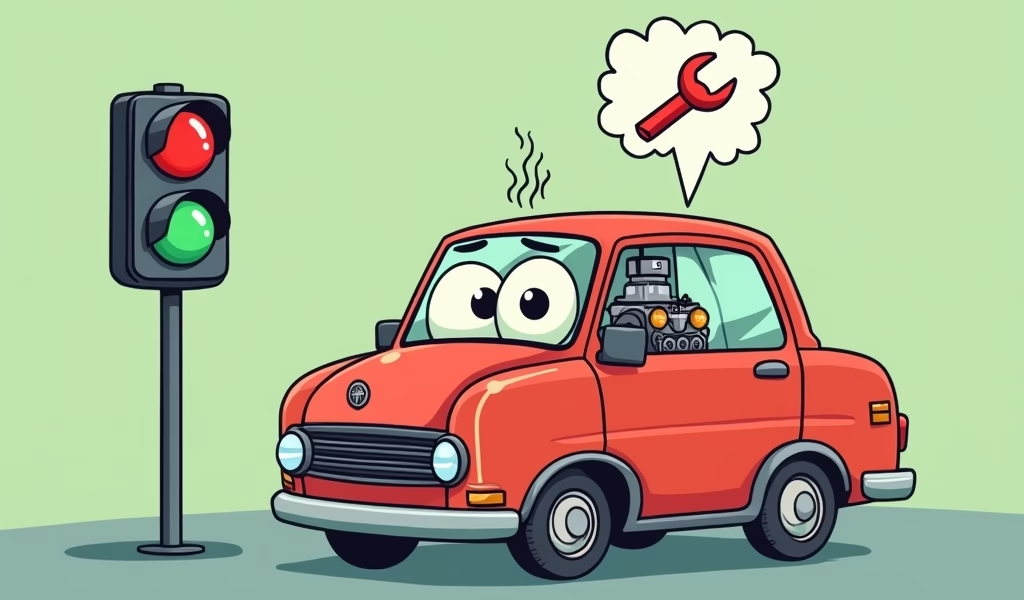
That frustrating moment when your car hesitates during acceleration is actually your vehicle’s way of signaling anything from simple maintenance needs like dirty filters to more complex fuel system, sensor, or mechanical issues. Understanding the symptoms—from stuttering when pressing the gas to RPM fluctuations—and following proper maintenance schedules can prevent these problems from escalating into dangerous driving conditions and costly repairs.
Table of Contents
- Understanding Why Your Car Hesitates When Accelerating
- Common Symptoms of Acceleration Hesitation
- Top Causes of Engine Hesitation During Acceleration
- Fuel System Issues That Cause Hesitation
- Sensor and Electrical Problems That Affect Acceleration
- Mechanical Issues Leading to Hesitation
- DIY Diagnosis: How to Troubleshoot Acceleration Problems
- How to Prevent Acceleration Hesitation Problems
- When to Seek Professional Help
- Conclusion
- Frequently Asked Questions
Understanding Why Your Car Hesitates When Accelerating
That momentary lag when you press the gas pedal and your car hesitates before responding isn’t just annoying – it’s your vehicle’s way of telling you something’s not quite right. When your car hesitates when accelerating, it’s experiencing a brief interruption in power delivery, and understanding why this happens is crucial to avoiding potentially expensive repairs down the road.
As a mechanic with over 15 years of experience, I’ve seen countless drivers frustrated by this common but concerning issue. The hesitation you feel might last only a split second or drag on for several moments, leaving you feeling vulnerable, especially when merging onto highways or navigating busy intersections. This temporary loss of power typically occurs when the combustion process is compromised in some way.
The good news? Many causes of acceleration hesitation are relatively simple to fix if caught early. In this comprehensive guide, we’ll explore everything from minor maintenance issues to more serious mechanical problems that might be causing your car to stumble when you need power most. By understanding the underlying causes, you’ll be better equipped to address the problem before it escalates into a major repair.
Common Symptoms of Acceleration Hesitation
Before we dive into causes and solutions, let’s clarify what acceleration hesitation actually feels like. Recognizing these symptoms will help you better communicate with your mechanic or tackle DIY diagnostics:
- Stuttering or stumbling when pressing the gas pedal
- Momentary loss of power when accelerating from a stop
- Inconsistent engine response during steady acceleration
- Brief engine surging followed by power loss
- The RPM needle fluctuating unexpectedly
- Hesitation particularly noticeable during cold weather
- Trouble maintaining consistent speed on hills or inclines
Many drivers describe the sensation as if the car is “thinking about” whether to accelerate or not. This delay isn’t just an inconvenience – it could potentially be dangerous in situations that require immediate power, like highway merging or avoiding road hazards.
I recall one customer who initially dismissed her car’s slight hesitation as “just getting old.” Unfortunately, by the time she brought it in, what started as a minor fuel filter issue had developed into significant injector damage. The lesson? Don’t ignore these warning signs, even if they seem intermittent or minor at first.

Top Causes of Engine Hesitation During Acceleration
When your car hesitates when accelerating, several different systems might be at fault. Understanding these potential culprits will help you narrow down the problem:
Fuel System Issues
The fuel system is often the primary suspect when acceleration problems arise. A thorough fuel injector cleaning can often resolve many hesitation issues. Problems might include:
- Clogged fuel injectors preventing proper fuel atomization
- Dirty or failing fuel filters restricting flow
- Weak fuel pumps unable to maintain proper pressure
- Low-quality fuel with contaminants
- Incorrect fuel pressure regulation
Sensor and Electronic Problems
Modern vehicles rely heavily on sensor data to make split-second adjustments to engine performance. When these sensors fail, hesitation often follows:
- Malfunctioning mass airflow (MAF) sensor
- Faulty throttle position sensor (TPS)
- Problematic oxygen (O2) sensors
- Damaged crankshaft or camshaft position sensors
- Issues with the engine control module (ECM)
Ignition System Failures
For combustion to occur properly, your ignition system must be in top shape:
- Worn or fouled spark plugs
- Deteriorated spark plug wires
- Failing ignition coils
- Problems with the distributor (in older vehicles)
Air Intake Problems
Proper combustion requires the right air-to-fuel mixture:
- Dirty or clogged air filters
- Vacuum leaks allowing unmetered air into the system
- EGR valve issues
- Intake manifold problems
Each of these potential causes requires a slightly different approach to diagnosis and repair. In my experience, about 60% of hesitation issues stem from fuel system problems, 25% from sensor issues, and the remaining 15% from ignition or air intake problems. Knowing where to look first can save you significant time and money.
Fuel System Issues That Cause Hesitation
The fuel system is your engine’s lifeline, delivering the precise amount of fuel needed for optimal combustion. When components in this system begin to fail, hesitation during acceleration is often the first symptom you’ll notice.
Clogged Fuel Injectors
Fuel injectors spray precisely measured amounts of atomized fuel into your engine’s combustion chambers. Over time, deposits can build up on injector nozzles, creating irregular spray patterns that lead to hesitation when accelerating.
Adding a quality fuel injector cleaner to your tank every 3,000 miles can help prevent this issue. For more severe cases, professional cleaning or replacement might be necessary. Many drivers underestimate how significantly dirty injectors can impact performance – I’ve seen vehicles transform from sluggish to responsive after nothing more than a thorough injector cleaning.
Fuel Filter Restrictions
Your fuel filter’s job is to catch contaminants before they reach the engine. As it traps more particles, fuel flow becomes restricted, especially when the engine demands more fuel during acceleration.
Most manufacturers recommend replacing fuel filters every 30,000 miles, but if you frequently drive on dusty roads or use lower-quality gas, more frequent replacements might be necessary. A fuel filter replacement typically costs $50-150 and can resolve hesitation issues quickly.
Fuel Pump Problems
The fuel pump creates the pressure needed to deliver fuel from your tank to the engine. When a pump begins to fail, it may not provide consistent pressure, especially under the increased demands of acceleration.
Listen for a consistent humming sound from your fuel tank when you turn the key to the “on” position before starting the engine. If you hear inconsistent noise or no noise at all, your pump might be failing. According to AAA’s automotive experts, most fuel pumps should last between 100,000 and 150,000 miles.
Low-Quality or Contaminated Fuel
Not all gas is created equal. Lower-grade fuels or contaminated gas can cause hesitation, especially in newer, more sensitive engines. Water in fuel is particularly problematic, as it disrupts combustion and can damage fuel system components.
If you suspect bad gas, consider adding a fuel water remover product and filling up at a different station for your next few tanks. I’ve resolved mysterious hesitation issues simply by switching to higher-quality fuel from reputable stations.
Sensor and Electrical Problems That Affect Acceleration
Modern vehicles are essentially computers on wheels, relying on dozens of sensors to make continuous adjustments to engine performance. When these electronic components malfunction, acceleration hesitation frequently results.
Mass Airflow Sensor Issues
The MAF sensor measures the amount of air entering your engine, allowing the computer to adjust fuel delivery accordingly. A dirty or failing MAF sensor can cause the engine to receive incorrect air-fuel mixtures, leading to hesitation during acceleration.
Cleaning a MAF sensor with specialized cleaner can sometimes resolve the issue, though replacement might be necessary for sensors with electrical failures. Many drivers have successfully diagnosed this issue using reliable engine diagnostic apps that read trouble codes and provide possible solutions.
Throttle Position Sensor Problems
The TPS monitors the position of your throttle plate, essentially telling the computer how hard you’re pressing the accelerator. When this sensor fails, the computer receives incorrect information about your acceleration demands.
Symptoms often include not just hesitation but also rough idle and unpredictable acceleration response. Replacing a TPS typically costs between $75-250 including parts and labor.
Oxygen Sensor Failures
O2 sensors monitor the oxygen content in your exhaust, allowing the engine computer to adjust the air-fuel mixture for optimal combustion. Failed O2 sensors often cause hesitation along with reduced fuel economy.
Most vehicles have multiple O2 sensors, and determining which one is problematic requires diagnostic scanning. Research from EPA studies indicates that fixing an oxygen sensor problem can improve fuel efficiency by up to 40%, making this repair particularly worthwhile.
Engine Control Module Issues
Though less common, problems with the ECM itself can cause hesitation. The ECM is your vehicle’s main computer, processing all the sensor inputs and controlling engine functions.
ECM issues often require professional diagnosis and can be more expensive to address. Before replacing an ECM, ensure all sensors and connections have been checked, as they’re more likely culprits.

Mechanical Issues Leading to Hesitation
While electronic and fuel system problems are common culprits for acceleration hesitation, several mechanical issues can cause similar symptoms. These typically develop more gradually and might be accompanied by other performance changes.
Spark Plug and Ignition Problems
The spark plugs create the spark needed to ignite the air-fuel mixture in your cylinders. Worn or fouled plugs can cause misfires that feel like hesitation during acceleration.
Spark plugs should typically be replaced every 30,000-100,000 miles, depending on your vehicle and the type of plugs installed. Modern iridium or platinum plugs last longer than traditional copper plugs but still require periodic replacement. The ignition coils that provide power to your spark plugs can also fail, often causing more pronounced hesitation under heavy acceleration.
Vacuum Leaks
Your engine’s intake system operates under carefully controlled vacuum conditions. Leaks in vacuum hoses, gaskets, or the intake manifold allow unmetered air into the system, throwing off the air-fuel ratio and causing hesitation.
Vacuum leaks often create a distinctive hissing sound and may cause irregular idle in addition to acceleration hesitation. Finding these leaks can be challenging but is often accomplished by listening carefully or using a smoke test at a repair shop.
Exhaust Restrictions
A clogged catalytic converter or restricted exhaust pipe creates back pressure that prevents your engine from expelling exhaust gases efficiently. This restriction is most noticeable during acceleration when the engine needs to move more gases through the system.
A partially clogged catalytic converter often causes the vehicle to feel like it’s hitting a “wall” during acceleration, with hesitation followed by a gradual loss of power. Replacement can be expensive, so ensure proper diagnosis before proceeding with this repair.
Transmission-Related Hesitation
Sometimes what feels like engine hesitation may actually be transmission-related, especially if you notice the issue primarily when the vehicle is shifting gears. Low transmission fluid, worn clutch plates, or electronic shifting problems can all create hesitation during acceleration.
Check your transmission fluid level and condition if you suspect this might be the cause. If the fluid is dark, has a burnt smell, or is low, addressing these issues might resolve your hesitation problem.
DIY Diagnosis: How to Troubleshoot Acceleration Problems
Before heading to a mechanic, there are several diagnostic steps you can take at home to narrow down the cause of your car’s acceleration hesitation. Here’s a systematic approach to troubleshooting:
Basic Checks First
Start with the simplest possibilities:
- Check your air filter – hold it up to a light source; if light doesn’t pass through easily, replace it
- Inspect for loose connections around the air intake
- Look for cracked or disconnected vacuum hoses
- Check your fuel level – a nearly empty tank can sometimes cause hesitation
- Verify you’re using the correct fuel grade for your vehicle
Use Diagnostic Technology
Modern diagnostic tools have made troubleshooting much more accessible to DIYers:
- Consider investing in an OBD-II scanner to read any trouble codes
- Use smartphone diagnostic apps that connect to your vehicle’s computer
- Monitor live data like fuel trim, oxygen sensor readings, and MAF sensor values while the problem occurs
Isolate Conditions When Hesitation Occurs
Pay close attention to when the hesitation happens:
- Only when the engine is cold? Suspect temperature sensors or fuel enrichment issues
- Only when the engine is hot? Look for heat-related failures
- During specific weather conditions? Consider moisture-related issues
- At specific RPM ranges? Could indicate ignition problems at those engine speeds
- Only after refueling? Might be an EVAP system issue or bad fuel
One of the most valuable diagnostic approaches is to keep a detailed log of when the problem occurs. Note the conditions, engine temperature, and any other relevant factors each time you experience hesitation. This information can be tremendously helpful for identifying patterns that point to specific causes.
How to Prevent Acceleration Hesitation Problems
As with many vehicle issues, prevention is far easier and less expensive than repair. Here are proven strategies to minimize your chances of experiencing acceleration hesitation:
Regular Maintenance Is Key
Stick to these maintenance intervals to prevent most hesitation issues:
- Change your air filter every 15,000-30,000 miles or annually in dusty areas
- Replace fuel filters according to manufacturer recommendations (typically 30,000-60,000 miles)
- Use fuel system cleaners every 3,000-5,000 miles, especially if you use lower-grade fuels
- Change spark plugs at recommended intervals before they begin to fail
- Have your fuel injectors professionally cleaned every 30,000-45,000 miles
Fuel Quality Matters
The fuel you choose significantly impacts your engine’s performance:
- Use the fuel grade recommended in your owner’s manual
- Purchase fuel from reputable stations with high turnover
- Consider adding a fuel stabilizer if your vehicle sits unused for extended periods
- Avoid running your tank near empty, as this can pull sediment into the fuel system
Driving Habits That Prevent Problems
How you drive affects your vehicle’s long-term reliability:
- Allow your engine to warm up briefly before demanding heavy acceleration
- Drive moderately for the first few minutes after starting, especially in cold weather
- Avoid rapid acceleration and deceleration when possible
- Don’t let your vehicle sit unused for extended periods
I’ve noticed that drivers who follow these preventive measures experience significantly fewer acceleration issues throughout their vehicle’s lifetime. The small investment in regular maintenance pays dividends in reliability and helps avoid those frustrating moments when your car hesitates just as you’re trying to merge onto a busy highway.
When to Seek Professional Help
While many acceleration hesitation issues can be diagnosed and even fixed at home, certain situations call for professional intervention. Here’s when to hand over the keys to a trained mechanic:
Warning Signs That Require Immediate Attention
Don’t delay seeking help if you notice:
- Hesitation accompanied by illuminated check engine or other warning lights
- Severe bucking or jerking that makes the vehicle difficult to control
- Hesitation followed by engine stalling
- Unusual sounds, smells, or smoke during acceleration
- Hesitation that suddenly worsens rather than coming on gradually
When DIY Diagnosis Hits a Dead End
Consider professional help when:
- You’ve checked the common causes but can’t identify the problem
- Your OBD scanner shows multiple or complex trouble codes
- The issue is intermittent and difficult to reproduce on demand
- You’ve replaced suspected parts but the problem persists
Choosing the Right Professional
Not all mechanics are equally equipped to diagnose complex hesitation issues:
- Look for ASE-certified technicians with experience in fuel and electronic systems
- Dealership technicians often have specialized training for your specific vehicle
- Independent shops with good reviews for solving complex problems may offer better value
- Ask if the shop has advanced diagnostic equipment beyond basic code readers
Professional diagnosis typically costs $80-150, but this investment can save hundreds in unnecessary parts replacement. I’ve seen many customers waste money replacing parts based on guesswork when a professional diagnostic session would have pinpointed the exact issue from the start.
Conclusion
When your car hesitates when accelerating, it’s sending you an important message that shouldn’t be ignored. From minor maintenance issues like dirty air filters to more complex problems with fuel delivery or electronic systems, hesitation is often the first warning sign of developing issues that could lead to more expensive repairs if left unaddressed.
Remember that hesitation during acceleration isn’t just an annoyance – it’s a safety concern that can leave you vulnerable in traffic situations requiring immediate power. By understanding the common causes and taking a systematic approach to diagnosis, you can often resolve these issues before they escalate into major repairs.
Regular maintenance remains your best defense against acceleration hesitation problems. Simple habits like using quality fuel, changing filters on schedule, and addressing minor issues promptly can help ensure your vehicle delivers smooth, consistent power when you need it most.
Whether you’re a DIY enthusiast or prefer professional service, addressing acceleration hesitation promptly will help keep your vehicle running smoothly, safely, and efficiently for years to come. Your car will thank you with reliable performance and fewer unexpected repair bills.
Frequently Asked Questions
Can bad weather cause my car to hesitate during acceleration?
Yes, cold or extremely humid weather can temporarily cause hesitation as it affects fuel vaporization and air density. Most modern vehicles should adjust for these conditions, so persistent hesitation in bad weather likely indicates an underlying issue.
Will using higher octane fuel fix my car’s acceleration hesitation?
Higher octane fuel typically won’t resolve hesitation unless your vehicle specifically requires it. Using the manufacturer-recommended fuel grade is best, as higher octane fuel in engines designed for regular gas provides no benefit.
How much does it typically cost to fix car hesitation problems?
Repair costs range from $20 for a DIY air filter replacement to $1,500+ for major fuel system repairs. Most hesitation issues can be resolved for $150-400 when addressed promptly.
Can a dirty air filter cause my car to hesitate when accelerating?
Absolutely. A clogged air filter restricts airflow to the engine, disrupting the air-fuel ratio and causing hesitation especially during acceleration. This is one of the easiest and least expensive issues to fix.
Is it safe to drive with a car that hesitates during acceleration?
It’s generally not safe to continue driving a car that hesitates during acceleration. The unpredictable power delivery can be dangerous in traffic situations requiring immediate response, and continued driving may worsen the underlying problem.