
Overview
Just when you think you’re cruising smoothly down the highway, an overheating engine can quickly turn your road trip into a costly disaster, with potential causes ranging from low coolant levels and faulty thermostats to water pump failures and radiator issues. Understanding the warning signs, taking immediate action when your temperature gauge rises, and committing to regular cooling system maintenance can prevent catastrophic engine damage and keep you safely on the road for thousands of trouble-free miles.
Table of Contents
- Understanding Engine Overheating
- Signs Your Car Is Overheating
- Common Causes of Highway Overheating
- Immediate Actions to Take
- Preventing Future Overheating
- DIY vs. Professional Repairs
- Long-Term Prevention
- Conclusion
- Frequently Asked Questions
Understanding Engine Overheating
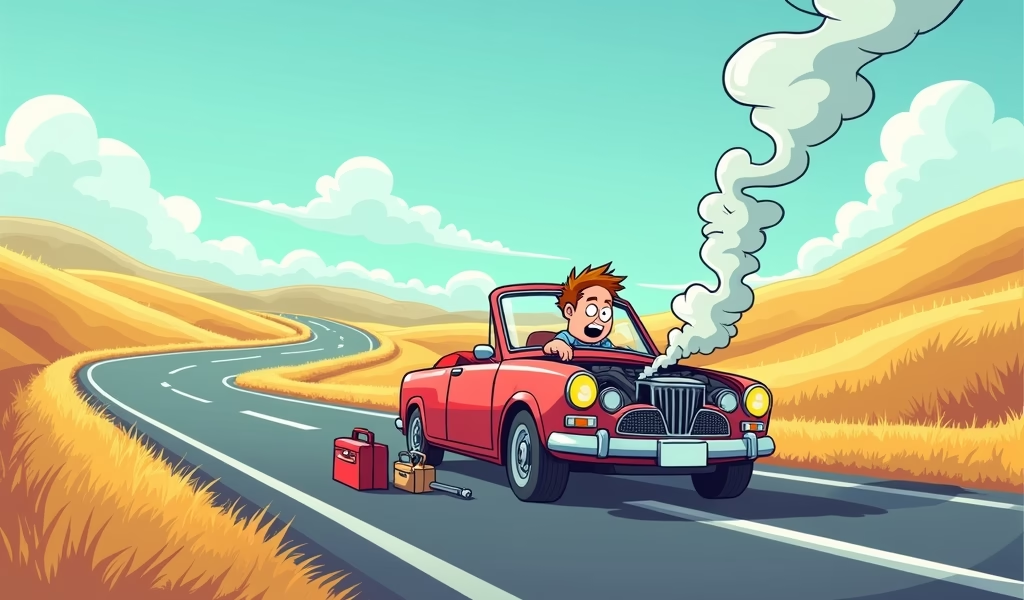
There’s nothing quite like that sinking feeling when your temperature gauge creeps into the red zone during a highway drive. One moment you’re cruising along, and the next you’re watching steam billow from under your hood. Highway overheating isn’t just inconvenient—it’s potentially catastrophic for your engine if ignored.
Your car’s cooling system has one job: maintaining optimal engine temperature. Most engines are designed to operate around 195-220°F (90-105°C). When temperatures exceed this range, components begin to warp, lubricants break down, and gaskets can fail. Worst case? You’re looking at a blown head gasket or cracked block—repairs that can easily run into thousands.
Highway driving creates unique thermal challenges because your engine sustains higher RPMs for extended periods. While the increased airflow at highway speeds should actually improve cooling, any underlying issues with your cooling system become magnified under these conditions.
Your cooling system isn’t complicated, but it does require all components working in harmony. The water pump circulates coolant through the engine, the thermostat regulates flow, and the radiator dissipates heat. Hoses connect these components, while the cooling fan ensures airflow even when you’re not moving. The regular maintenance of these systems is crucial to prevent overheating.
Signs Your Car Is Overheating
Catching overheating early can save you from expensive repairs. Here are the warning signals your vehicle is getting too hot:
- Temperature gauge climbing toward the red zone or “H” mark
- Steam (looks like white smoke) coming from under the hood
- Sweet, syrupy smell (that’s your coolant/antifreeze)
- Engine performance changes – hesitation, loss of power
- Warning lights on your dashboard
- Ticking or thumping sounds as components expand from heat
Modern vehicles often have warning lights specifically for overheating. If yours illuminates, don’t ignore it! Even without warning lights, your temperature gauge should typically sit near the middle mark during normal operation. Any consistent movement toward the hot side warrants attention.
One often overlooked sign is your car’s heater performance. Since the heater core uses engine coolant for heat, weak heating can indicate cooling system problems, even in summer months. Pay attention to these subtle clues before they become major problems.
Common Causes of Highway Overheating
In my 25 years working on vehicles, I’ve seen countless cooling system failures. Here are the most common culprits:
Low Coolant Level
The simplest and most common cause is low coolant. Small leaks can develop at hose connections, the radiator, water pump seal, or through a failing gasket. Even losing a little coolant daily can eventually lead to critically low levels. Check your coolant reservoir regularly—it should be between the MIN and MAX marks when the engine is cold.
According to CarMD’s Vehicle Health Index, cooling system failures account for nearly 7% of check engine light repairs, with low coolant being the primary issue.
Faulty Thermostat
The thermostat regulates coolant flow through your engine. When it sticks closed (most common), coolant circulation stops, causing rapid overheating. This $15-30 part can cause thousands in damage if it fails. Thermostats typically last 80,000-100,000 miles, but I recommend proactive replacement around 60,000 miles, especially if you live in hot climates.
Water Pump Problems
Your water pump is the heart of the cooling system. When it fails (usually due to bearing wear or impeller damage), coolant circulation becomes inadequate. Listen for a whining noise that changes with engine speed or look for coolant leaking from the pump’s weep hole—both indicate impending failure.
Radiator Issues
Radiators lose efficiency when clogged with mineral deposits or external debris like bugs and leaves. They can also develop internal blockages or external damage to cooling fins. Don’t overlook your cooling fans either—whether electric or mechanical, a failed fan means no airflow through the radiator during idle or low-speed operation.
Head Gasket Failure
While often a result of overheating rather than a cause, a failing head gasket can allow combustion gases into the cooling system, creating air pockets that disrupt coolant flow. This creates a vicious cycle where overheating worsens the head gasket failure, which further increases overheating.
Environmental factors also contribute to highway overheating. High ambient temperatures reduce your cooling system’s efficiency. Combined with long uphill climbs, heavy loads, or A/C use, even a slightly compromised cooling system may fail under these stacked conditions.
Using an engine diagnostic app can help you monitor temperatures and catch potential issues before they become serious problems.
Immediate Actions to Take
When your temperature gauge starts climbing on the highway, quick action can prevent catastrophic damage. Here’s what to do, step by step:
If You Notice Rising Temperature
- Turn off your air conditioning immediately (it adds heat load)
- Turn your heater on full blast and set the fan to high (this draws heat away from the engine)
- Open your windows (you’ll be uncomfortable, but your engine will thank you)
- If possible, shift to a lower gear to increase engine fan and water pump speed
These steps might stabilize the temperature temporarily. If the gauge continues climbing or reaches the red zone, you need to take more dramatic action.
If Your Engine Is Definitely Overheating
- Signal and carefully pull over to a safe location
- Turn off your engine immediately
- Do NOT open the hood right away (components are extremely hot)
- Call for assistance if you’re in an unsafe location
- Wait at least 15-30 minutes for the engine to cool down
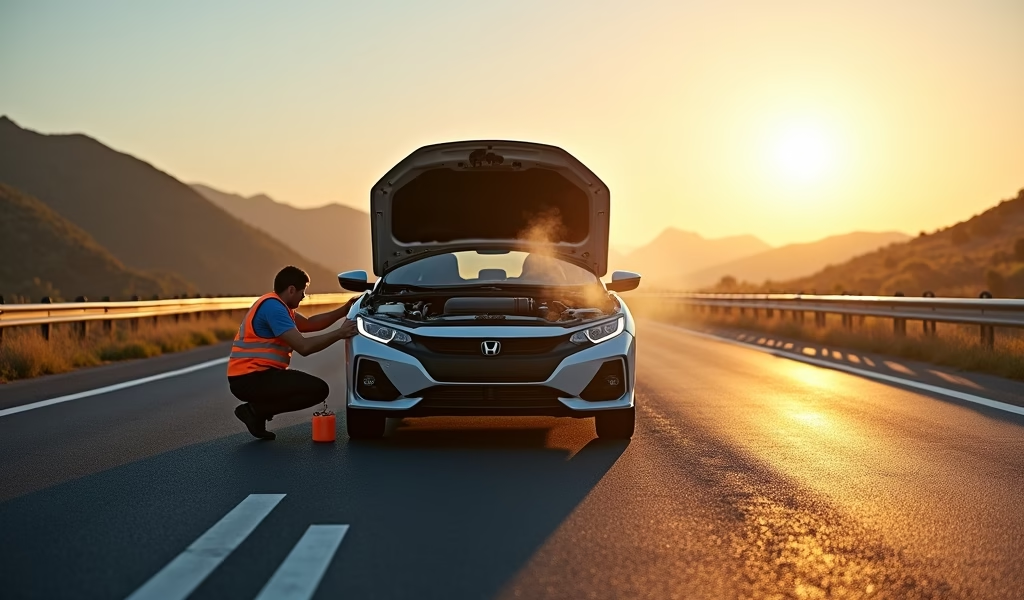
Once the engine has cooled (temperature gauge has dropped significantly), you can carefully open the hood. Look for obvious issues like coolant leaks, disconnected hoses, or visible damage. Check the coolant reservoir level (not the radiator cap—never open a hot radiator).
If you have coolant with you, and the reservoir is low, carefully add coolant to the reservoir (not directly to the radiator if the engine is still warm). In a true emergency with no coolant available, water can work temporarily, but proper coolant should be added as soon as possible.
Research from AAA roadside assistance shows that cooling system failures account for approximately 4% of their service calls, with many cases resulting from drivers continuing to operate overheating vehicles.
Preventing Future Overheating
The best way to handle overheating is to prevent it in the first place. I’ve seen too many drivers ignore basic maintenance only to end up stranded with expensive repairs. Here’s your prevention checklist:
Regular Coolant Checks and Service
Check your coolant level monthly and inspect its condition. Coolant breaks down over time and loses its corrosion inhibitors. Most vehicles need coolant changes every 30,000-60,000 miles or 3-5 years, depending on the type used. Your owner’s manual will specify the exact interval and the correct coolant type for your vehicle.
When changing coolant, a complete system flush is best—it removes old coolant along with contaminants and scale that can clog radiator passages.
Hose and Belt Inspection
Cooling system hoses degrade from the inside out, so a hose that looks fine externally might be on the verge of failure. Feel your hoses when cool—they should be firm yet flexible. If they feel soft, spongy, or extremely hard and brittle, replace them.
Don’t forget your drive belt (or belts). A broken belt means your water pump stops turning, quickly leading to overheating. Look for cracks, fraying, glazing, or missing chunks. Most modern serpentine belts should be replaced every 60,000-100,000 miles.
Radiator and Cooling System Maintenance
Keep your radiator’s external fins clean and straight. Bugs, leaves, and road debris can block airflow. A gentle rinse with a garden hose (engine off and cool) can help remove buildup. For bent fins, a fin comb can restore proper airflow.
Don’t overlook your radiator cap—this pressurizes your cooling system, raising the boiling point of the coolant. A faulty cap can’t maintain pressure, leading to boil-over. These inexpensive parts should be replaced every 2-3 years.
Consider using a car data monitor app that connects to your OBD port to keep an eye on engine temperatures during long highway trips.
DIY vs. Professional Repairs
Some cooling system maintenance is DIY-friendly, while other jobs are best left to professionals. Let’s break down which is which:
DIY-Friendly Tasks
- Checking coolant level and condition
- Inspecting hoses and belts
- Cleaning external radiator surfaces
- Adding coolant to the reservoir
- Replacing a thermostat (moderate difficulty)
- Flushing coolant (moderate difficulty)
If you’re handy with basic tools and have a service manual, thermostat replacement is often straightforward. Typically, you’ll remove a few bolts, extract the old thermostat, clean the mating surfaces, and install the new one with a fresh gasket or O-ring.
Coolant flushes can be messy but aren’t complicated. You’ll need a drain pan, fresh coolant, distilled water, and a funnel. The basic process involves draining the old coolant, refilling with distilled water, running the engine, draining again, and finally adding the proper coolant mixture.
Leave These to the Pros
- Water pump replacement (often requires special tools and timing belt knowledge)
- Radiator replacement (involves proper evacuation and recharging of refrigerant on many vehicles)
- Head gasket repairs (major engine work)
- Pressure testing to locate internal leaks
- Heater core issues (typically requires dashboard disassembly)
When selecting a repair shop, look for ASE-certified technicians with experience in cooling system repairs. Ask what testing they’ll perform—a good shop will pressure test the system, use a combustion leak detector to check for head gasket issues, and verify proper operation after repairs.
Cost expectations vary widely based on vehicle make and repair needed:
- Thermostat replacement: $150-250
- Water pump: $300-800
- Radiator replacement: $400-1,000
- Head gasket repair: $1,200-3,000
- Coolant flush service: $100-200
Long-Term Prevention
Beyond routine maintenance, several strategies can help ensure your cooling system remains reliable for highway driving:
Seasonal Considerations
Cooling systems work harder in summer, but proper maintenance is year-round. Before summer heat arrives, have your cooling system thoroughly checked. Ensure your coolant has the proper concentration—too much water reduces boiling protection, while too much antifreeze reduces cooling efficiency.
In winter, make sure your coolant has adequate freeze protection. The standard 50/50 mix provides protection to around -34°F (-37°C). If you live in extremely cold regions, you might need a different ratio.
Highway-Specific Strategies
If you frequently drive in mountainous terrain or tow trailers, consider upgrading your cooling capacity. Options include high-capacity radiators, auxiliary transmission coolers, or upgraded electric fans. These modifications can provide the extra margin of safety needed for demanding conditions.
For older vehicles, consider upgrading to a modern coolant formulation with better heat transfer properties and longer service life. Always follow manufacturer specifications for compatibility.
Developing Good Habits
Make checking your engine’s vital fluids part of your routine before any long highway trip. A quick glance at coolant, oil, and transmission fluid levels can prevent problems miles from home.
Pay attention to your temperature gauge during normal driving to establish what’s “normal” for your vehicle. This baseline awareness helps you spot abnormal readings before they become critical.
Consider carrying emergency coolant and basic tools for long trips through remote areas. A gallon of premixed coolant, some hose clamps, and basic hand tools can turn a trip-ending breakdown into a minor delay.
Conclusion
Highway overheating might seem like a random misfortune, but it’s almost always the culmination of overlooked maintenance issues. The cooling system in your vehicle is remarkably resilient when properly maintained, but can quickly become your engine’s Achilles’ heel when neglected.
By understanding the warning signs, taking immediate action when problems arise, and committing to preventative maintenance, you can avoid the stress and expense of heat-related engine damage. Remember that the cost of routine cooling system maintenance is trivial compared to major engine repairs.
Whether you’re a DIY enthusiast or prefer professional service, staying ahead of cooling system issues will keep your engine running at its optimal temperature—and keep you cruising down the highway without that dreaded dashboard warning light.
Your car’s cooling system doesn’t ask for much—just a little attention and the occasional fresh coolant. Give it that minimal care, and it will reward you with thousands of trouble-free miles on the open road.
Frequently Asked Questions
How long should I wait before driving again after my car overheats?
Wait at least 30 minutes for the engine to cool completely. After addressing the immediate cause (adding coolant if low), drive cautiously to a repair shop rather than continuing your journey.
Can I just add water if I’m out of coolant?
Water can work as an emergency measure to get you to safety, but it lacks corrosion protection and proper boiling/freezing points. Replace with the correct coolant mixture as soon as possible.
Why does my car only overheat on the highway but runs fine in the city?
Highway driving creates sustained high engine loads that stress the cooling system more than stop-and-go driving. This often reveals borderline issues with the water pump, thermostat, or radiator that aren’t apparent during less demanding driving.
How much does it typically cost to fix an overheating issue?
Costs range from about $150 for a simple thermostat replacement to over $2,000 for major repairs like head gasket replacement. Early intervention almost always results in lower repair costs.
Is it safe to drive with the temperature gauge slightly above normal?
No, even slightly elevated temperatures can cause cumulative damage over time. Address any deviation from normal operating temperature promptly to avoid expensive repairs.