
Overview
Just like your car whispers warnings before shouting for help, a failing alternator reveals itself through dimming lights, strange noises, electrical glitches, dashboard warnings, and burning smells that savvy drivers can detect before facing a roadside emergency. Understanding these warning signs, performing simple diagnostic tests, and knowing when to seek professional help can save you from costly repairs, prevent damage to other electrical components, and keep you from being stranded when your alternator eventually gives up after its typical 80,000-150,000 mile lifespan.
Table of Contents
- Warning Signs of a Failing Alternator
- Common Symptoms Explained
- Simple Diagnostic Tests You Can Do
- How to Prevent Alternator-Related Breakdowns
- Alternator Repair and Replacement Costs
- When to Seek Professional Help
- Conclusion
- Frequently Asked Questions
Warning Signs of a Failing Alternator
Learning how to tell if alternator is failing can save you from being stranded on the side of the road at the most inconvenient time. Trust me, after 20 years working under the hood, I’ve seen countless drivers who wished they’d recognized the warning signs sooner. Your vehicle’s alternator plays a crucial role in keeping your electrical systems functioning and your battery charged while the engine runs.
The first indicators of alternator trouble often appear subtly, almost like whispers from your vehicle that something isn’t right. You might notice your headlights dimming slightly when you’re idling, or dashboard lights flickering during your evening commute. These aren’t just random quirks – they’re your car communicating that its charging system is struggling.
Modern vehicles are particularly sensitive to alternator issues because they rely heavily on electrical components. From your power windows to your car’s computer systems, a failing alternator can affect virtually every aspect of your driving experience. Recognizing these early warnings can be the difference between a simple repair and a much more extensive (and expensive) problem down the road.
Common Symptoms Explained
When your alternator starts to fail, it leaves a trail of distinctive clues. Let’s break down these symptoms so you can spot trouble before it leaves you stranded.
The most common sign is battery-related issues that seem to come and go. You might find yourself with a car that starts perfectly fine in the morning but struggles to turn over after a short drive to the grocery store. This happens because a failing alternator can’t properly recharge your battery during operation. While proper battery maintenance is important, these symptoms often point to alternator problems.
Strange noises coming from the front of your engine can also indicate alternator trouble. Listen for unusual whining or grinding sounds that change pitch as you accelerate. These noises typically result from worn bearings inside the alternator—a common failure point.
Electrical issues become increasingly apparent as the alternator deteriorates. Your vehicle’s accessories may behave erratically—power windows moving slowly, radio cutting out, or interior lights dimming and brightening without reason. You might even notice your headlights pulsing in brightness, especially at idle.
The dashboard warning light—usually shaped like a battery or displaying “ALT” or “GEN”—often illuminates when alternator output falls below acceptable levels. However, understanding warning lights is critical, as this same light can indicate other electrical system issues as well.
A peculiar smell resembling burning rubber or hot wires might become noticeable when your alternator is overheating or its wiring is failing. Don’t ignore this warning—it could prevent an electrical fire under your hood.
Simple Diagnostic Tests You Can Do
Before heading to a mechanic, there are several straightforward tests you can perform to determine if your alternator is indeed the culprit. These DIY checks can save you time and give you confidence when discussing repairs.
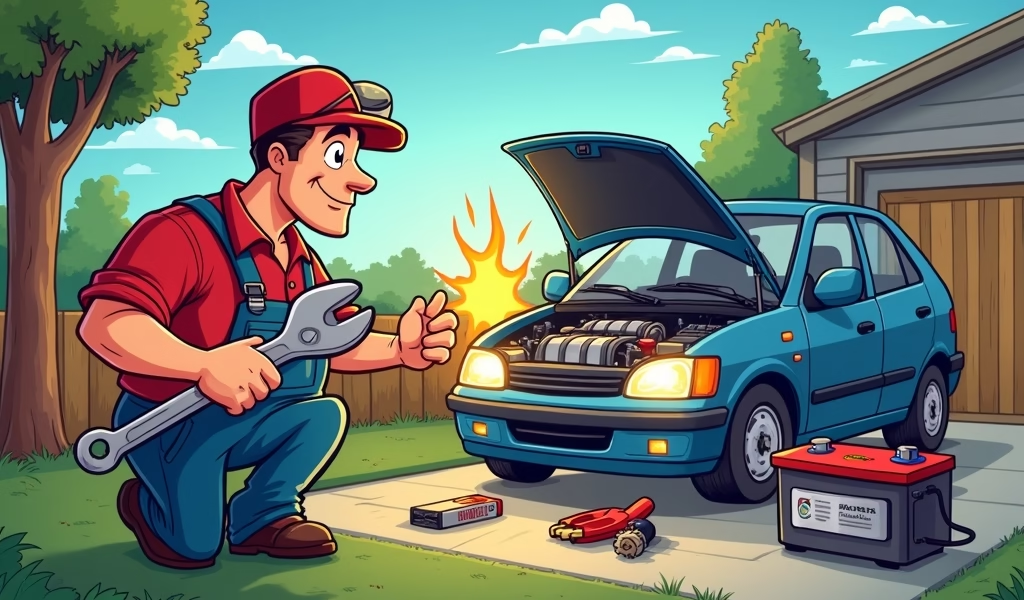
The simplest test is the headlight check. Start your engine and turn on your headlights. Let the car idle, then rev the engine slightly. If your alternator is failing, the headlights will noticeably dim when revving. Healthy alternators maintain consistent headlight brightness regardless of engine speed.
For a more precise assessment, checking battery voltage with a multimeter can provide valuable information. Here’s how to perform this test properly:
- Set your multimeter to DC voltage (20V range)
- With the engine off, measure voltage across battery terminals (should read 12.2-12.6V)
- Start the engine and measure again (should increase to 13.7-14.7V)
- Turn on headlights, blower fan, and radio, then measure again (should stay above 13V)
If your running voltage stays below 13V or drops significantly when accessories are turned on, your alternator likely isn’t producing sufficient power. According to research from professional automotive technicians, healthy alternator output should maintain at least 13.5V at idle with accessories running.
The battery drain test can also provide insights. After ensuring your battery is fully charged, disconnect it (negative terminal first) and connect an ammeter between the negative terminal and its cable. A reading above 50 milliamps indicates a parasitic drain that could be related to alternator diode failure.
Remember, these tests provide indications, not definitive diagnoses. They’ll help you gather information before speaking with a professional. And always practice safety when working around your vehicle’s electrical system—remove jewelry, ensure the engine is off when appropriate, and be cautious of moving parts.
How to Prevent Alternator-Related Breakdowns
An ounce of prevention is worth a pound of cure—especially when it comes to alternator failures. Implementing a few straightforward practices can significantly extend your alternator’s lifespan and help you avoid unexpected breakdowns.
Regular inspection of your drive belt is perhaps the simplest preventive measure. This belt transfers power from your engine to the alternator, and its condition directly impacts alternator performance. Look for cracks, glazing, or fraying during routine maintenance, and replace the belt every 60,000-90,000 miles as recommended by automotive maintenance experts.
Minimize electrical strain by avoiding excessive use of high-draw accessories when unnecessary. While modern alternators are designed to handle various electrical loads, constantly running every accessory (heated seats, rear defrosters, high-beam headlights, and maximum A/C) simultaneously places additional stress on the charging system.
Keep your battery connections clean and tight. Corroded or loose terminals create resistance, forcing your alternator to work harder to deliver the same charge. A simple maintenance routine of cleaning terminals with a baking soda solution and ensuring tight connections can prevent unnecessary alternator strain.
Pay attention to your driving habits. Short trips don’t allow your alternator sufficient time to recharge the battery fully after the energy-intensive starting process. If possible, combine errands into longer drives occasionally to give your charging system adequate operational time.
Consider an alternator’s age when troubleshooting electrical issues. Most alternators last between 80,000 and 150,000 miles depending on driving conditions and electrical demands. If you’re approaching this mileage range and experiencing minor electrical quirks, proactive replacement might save you from a roadside emergency.
Alternator Repair and Replacement Costs
Understanding potential repair costs helps you prepare financially and evaluate your options when faced with alternator issues. The expense varies widely depending on your vehicle make, model, and whether you choose DIY or professional service.
For most passenger vehicles, alternator replacement parts typically cost between $150-$500, with premium or performance alternators reaching the higher end of this range. Luxury and specialty vehicles may require alternators costing $600 or more. Remember that higher amperage alternators (needed for vehicles with extensive electrical accessories) generally command higher prices.
Labor costs add another dimension to the expense. Professional replacement typically requires 1-3 hours of labor, ranging from $85-$150 per hour depending on your location and shop rates. This puts most professional alternator replacements in the $250-$800 range all-inclusive for standard vehicles.
DIY replacement can save substantially on labor costs if you have the appropriate tools and mechanical knowledge. However, modern engine bays are increasingly compact, sometimes making alternator access challenging. Some vehicles require removal of multiple components to access the alternator, significantly increasing the complexity of DIY replacement.
Rebuilt or remanufactured alternators offer a cost-effective middle ground, typically costing 20-30% less than new units while still providing reasonable reliability. Many come with warranties comparable to new parts, making them worth considering for older vehicles.
When budgeting for alternator replacement, don’t forget potential additional parts. Drive belts, tensioners, and electrical connectors may need replacement simultaneously, adding $50-$150 to your total repair cost. Addressing these supporting components during alternator replacement can prevent follow-up issues and repeat labor expenses.
When to Seek Professional Help
While DIY diagnostics and even repairs are possible for the mechanically inclined, certain situations warrant professional attention. Knowing when to call in the experts can save time, prevent further damage, and ensure proper repair.
Seek professional help immediately if your vehicle exhibits multiple electrical failures simultaneously or if warning lights remain illuminated despite your troubleshooting efforts. Modern vehicles have complex electrical systems with interdependencies that require specialized diagnostic equipment to properly assess.
If you’ve performed the basic voltage tests described earlier and received inconsistent or borderline readings, professional testing equipment can provide more definitive results. Auto repair shops use advanced load testers that simulate various operating conditions to thoroughly evaluate alternator performance across its entire range.
Intermittent problems pose particular challenges for DIY diagnosis. If you’re experiencing occasional electrical issues that come and go unpredictably, professional diagnostics can monitor your system over time and during various operating conditions to identify elusive problems.
Consider professional assistance if you drive a hybrid or start-stop equipped vehicle. These systems utilize specialized alternators with integrated control modules that require dealer-level equipment for proper diagnosis and calibration after replacement.
Safety concerns should always trump DIY ambitions. If you detect burning smells, see smoke, or notice damaged wiring associated with your alternator, seek immediate professional help. Electrical fires can develop quickly and pose serious safety risks beyond the scope of DIY repair.
When selecting a professional, consider certified automotive electrical specialists rather than general repair shops for complex alternator issues. Their specialized knowledge and equipment often lead to more accurate diagnosis and appropriate repairs, potentially saving money in the long run by avoiding misdiagnosis.
Conclusion
Knowing how to tell if alternator is failing empowers you to address potential problems before they leave you stranded. The warning signs we’ve discussed—dimming lights, strange noises, electrical malfunctions, warning indicators, and unusual smells—provide early detection opportunities that can save you significant hassle and expense.
Remember that your vehicle’s electrical system functions as an interconnected network. While the alternator plays a critical role, it works in concert with your battery, starter, and various control modules. Proper diagnosis considers this entire system rather than focusing on components in isolation.
By performing basic tests, maintaining your electrical system proactively, and knowing when to seek professional assistance, you’ll extend your alternator’s life and avoid the frustration of unexpected breakdowns. A small investment of attention now prevents much larger investments of time and money later.
Your alternator may not be the most glamorous component in your vehicle, but its reliable operation makes every other electrical convenience possible. Give it the attention it deserves, and it will keep your driving experience comfortable, convenient, and most importantly, uninterrupted by the side of the road.
Frequently Asked Questions
How long can I drive with a failing alternator?
You can typically drive 15-30 minutes depending on your battery’s condition and the alternator’s deterioration level. Once the battery’s reserve charge depletes, your vehicle will shut down completely.
Can a bad alternator damage other car components?
Yes, a failing alternator can damage your battery, electronic control modules, and other electrical components. Voltage fluctuations from a bad alternator can send harmful power surges through your vehicle’s electrical system.
Will a car start with a bad alternator?
Yes, a car will usually start with a bad alternator if the battery still has sufficient charge. However, it will likely stall once the battery charge depletes during operation.
What’s the average lifespan of an alternator?
Most alternators last between 80,000 to 150,000 miles under normal conditions. Factors affecting lifespan include driving habits, climate conditions, and the electrical demands of your vehicle.
Is it worth fixing an alternator or better to replace it?
Replacement is typically more cost-effective than repair for most consumer vehicles. While rebuilding is possible, the labor costs often make complete replacement the more economical and reliable option.