

Overview
That annoying squeak from your car’s suspension isn’t just irritating—it’s a warning sign that typically stems from dry ball joints, worn bushings, or control arm issues that can be diagnosed through bounce tests and visual inspections. With basic tools and a systematic approach, most squeaky suspension problems can be fixed through proper lubrication or component replacement, potentially saving hundreds in repair costs while ensuring both driving comfort and safety.
Table of Contents
- Understanding Squeaky Suspension: What’s That Noise?
- Common Causes of Suspension Squeaks
- DIY Diagnosis: Locating the Source of Suspension Squeaks
- Fixing Common Squeaky Suspension Issues
- Preventive Maintenance Tips to Avoid Squeaky Suspension
- When to Seek Professional Help
- Cost Comparison: DIY vs. Professional Repairs
- Conclusion
- Frequently Asked Questions
Understanding Squeaky Suspension: What’s That Noise?
That annoying squeak when you drive over a speed bump or take a sharp turn isn’t just irritating—it’s your vehicle telling you something needs attention. Learning how to fix squeaky suspension problems can save you from bigger headaches down the road. As someone who’s spent decades under the hood, I can tell you that these noises are like your car’s way of clearing its throat to get your attention.
Suspension squeaks typically occur when metal or rubber components rub against each other without proper lubrication or when parts have worn down over time. Your vehicle’s suspension system is a complex network of components working together to provide a smooth ride. When you understand how car suspension works, addressing these sounds becomes much more straightforward.
The good news? Most squeaky suspension issues can be resolved without breaking the bank. With some basic tools, a bit of knowledge, and a few hours of your weekend, you can often silence those annoying squeaks yourself. Let’s dive into what’s causing that noise and how to fix it properly.
Common Causes of Suspension Squeaks
Before grabbing your tools, it’s important to understand what might be causing those irritating squeaks. Here are the most common culprits I encounter in my shop:
- Dry or worn ball joints: These critical components connect your control arms to steering knuckles and can create distinctive squeaking when they lack lubrication.
- Deteriorated bushings: Rubber or polyurethane bushings reduce vibration between metal parts. As they age, they can crack, shrink, or harden, leading to metal-on-metal contact.
- Control arm issues: The control arms that connect your frame to wheel assembly often have bushings at both ends that can wear out.
- Worn shock absorbers or struts: When these components start failing, they can produce squeaking as the internal parts rub against each other.
- Spring problems: Coil springs can sometimes create noise when they contact other parts without proper insulation.
- Sway bar links or bushings: These stabilizing components often develop squeaks when their rubber parts deteriorate.
Environmental factors play a significant role too. Vehicles in areas with harsh winters, road salt, or high humidity tend to develop suspension squeaks more quickly due to accelerated corrosion and rubber deterioration. Similarly, if you regularly drive on rough terrain, your suspension components will experience more wear and tear than those driven primarily on smooth highways.
DIY Diagnosis: Locating the Source of Suspension Squeaks
Finding the exact source of a suspension squeak can feel like looking for a needle in a haystack, but with a methodical approach, you can narrow it down. Let’s start with some simple diagnostic techniques:
The Bounce Test
Start with your vehicle parked on level ground. Press down firmly on each corner of your vehicle and release, causing it to bounce. Listen carefully for any squeaks during both compression and rebound. This simple test can help you determine which corner of the vehicle has issues.
Visual Inspection
Get underneath your vehicle (safely, with proper jack stands!) and visually inspect suspension components. Look for:
- Torn or cracked rubber bushings
- Rust or corrosion around mounting points
- Leaking fluid from shocks or struts
- Visible wear on ball joints or tie rod ends
- Loose or damaged mounting hardware
A flashlight and a gentle prod with a screwdriver can help identify loose components. Sometimes, simply pushing on various parts while a helper bounces the car can help pinpoint the exact location of the squeak.
The Spray Test
For persistent squeaks that are difficult to locate, try this technique that’s saved me countless hours of frustration: spray suspected components with a silicone-based lubricant or penetrating oil. Take a short test drive afterward. If the squeak disappears, you’ve found your culprit. If it persists, move on to the next potential source.
Remember, suspension noises can sometimes be confusing because they travel through the vehicle’s frame. What sounds like it’s coming from the front might actually originate from the rear, or vice versa. Patience and systematic testing are your best allies here.
Fixing Common Squeaky Suspension Issues
Once you’ve pinpointed the source of your squeaky suspension, it’s time to silence it. Here are step-by-step solutions for the most common issues:
Lubricating Ball Joints
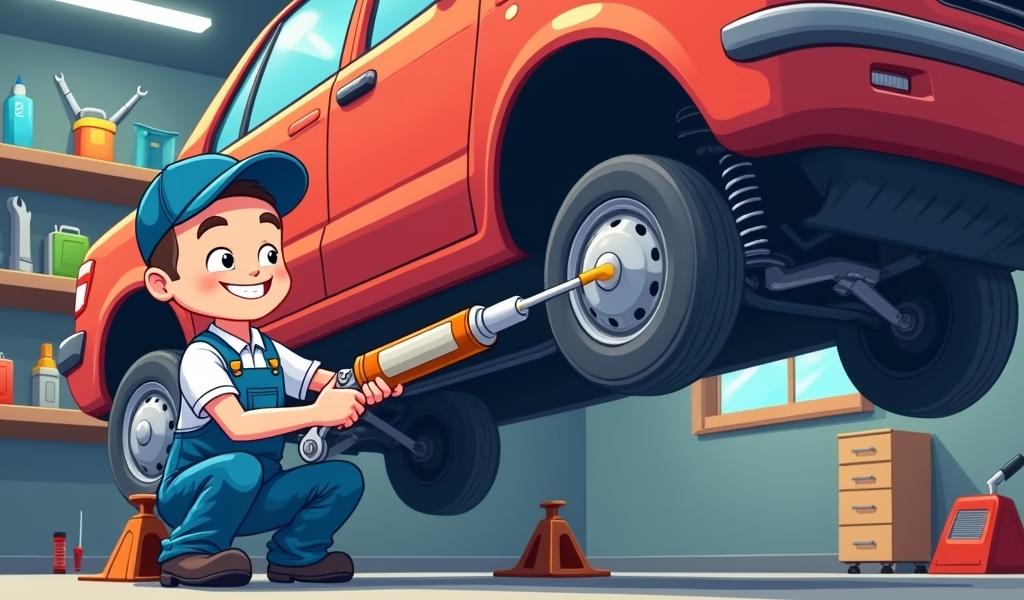
Many ball joints have grease fittings (also called zerk fittings) specifically designed for maintenance. To lubricate:
- Clean the fitting with a rag to remove dirt
- Attach a grease gun to the fitting
- Pump grease until you see a small amount of fresh grease emerging from the dust boot
- Wipe away excess grease
For ball joints without fittings (sealed units), they’ll need replacement when they start making noise, as they’re not serviceable. This job might require specialized tools like a ball joint press or separator.
Treating Bushing Squeaks
Rubber bushings shouldn’t be greased as petroleum-based products can degrade the rubber. Instead:
- Clean the bushings and surrounding areas thoroughly
- Apply a silicone-based lubricant specifically designed for rubber components
- Work the suspension by bouncing the vehicle to distribute the lubricant
For polyurethane bushings, use a specialized polyurethane grease that won’t break down the material. If bushings are cracked, torn, or severely compressed, replacement is your only option for a permanent fix.
Addressing Control Arm Issues
Control arms typically have bushings at both mounting points that can cause squeaks when worn:
- Inspect the control arm bushings for wear, cracking, or separation from the metal sleeve
- If bushings look intact but are squeaking, try a silicone lubricant at the contact points
- For severely worn bushings, replace either the bushings themselves (requiring a press) or the entire control arm assembly
When replacing control arms, always check if alignment will be needed afterward. Many front control arm replacements will require a professional alignment to ensure proper tire wear and handling.
Fixing Sway Bar Links and Bushings
These are common sources of squeaks that are relatively easy to fix:
- For sway bar bushings, remove the brackets, clean the bar, apply silicone lubricant, and reinstall
- For sway bar links, check if the ball joints at each end are worn (movement or visible damage)
- Replace links as a pair for even handling characteristics
Sway bar components are often overlooked during regular maintenance, but they’re frequent noise-makers. Adding these to your car maintenance checklist can prevent problems before they start.
Preventive Maintenance Tips to Avoid Squeaky Suspension
An ounce of prevention is worth a pound of cure, especially when it comes to suspension care. Here’s how to keep those squeaks from developing in the first place:
Regular Lubrication Schedule
Develop a maintenance schedule for components with grease fittings. Every 5,000-10,000 miles is a good interval for ball joints and other greasable parts. Mark it on your calendar or add a reminder to your phone—your ears will thank you.
Keep It Clean
Regularly washing your vehicle’s undercarriage, especially after driving on salted winter roads, can significantly extend the life of suspension components. Salt and road grime accelerate corrosion and can damage protective boots and seals.
Listen for Early Warning Signs
Squeaks that only occur in certain situations (like when it’s cold or when turning in a particular direction) are early indicators. Address these promptly before they become constant problems or lead to component failure.
Quality Matters for Replacement Parts
When replacing suspension components, resist the temptation to go with the cheapest option. OEM (Original Equipment Manufacturer) or high-quality aftermarket parts might cost more initially, but often last longer and perform better. Some beginner car modifications like upgrading to polyurethane bushings can even improve durability and performance simultaneously.
Remember that suspension components work as a system. Replacing worn shocks, for instance, can reduce stress on bushings and other components, extending their life and keeping your ride squeak-free longer.
When to Seek Professional Help
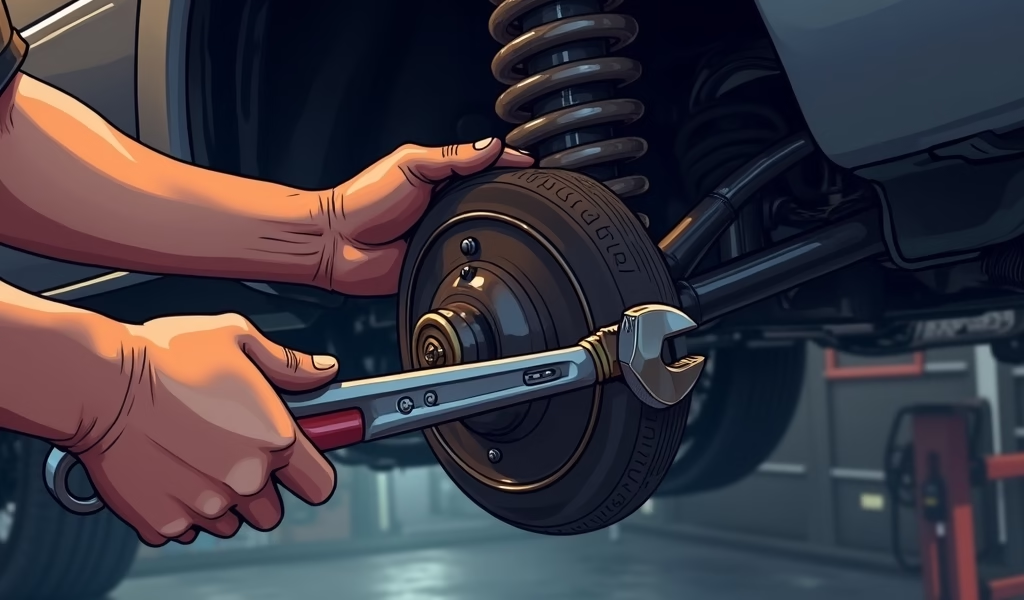
While many squeaky suspension issues can be DIY projects, some situations call for professional intervention. Consider seeking help when:
- The repair requires specialized tools you don’t own (like spring compressors or hydraulic presses)
- You’ve tried lubricating and basic fixes, but the squeak persists
- You notice additional symptoms like uneven tire wear, pulling to one side, or excessive bouncing
- The vehicle needs alignment after component replacement
- You don’t have a safe workspace with proper jack stands and adequate lighting
Safety should always be your priority. Suspension components are critical to your vehicle’s handling and can be dangerous to work on without proper equipment. According to NHTSA safety guidelines, compromised suspension can lead to loss of vehicle control in emergency situations.
When choosing a repair shop, look for ASE-certified technicians who specialize in suspension work. Ask for detailed explanations of recommended repairs and don’t be afraid to get a second opinion for expensive jobs.
Cost Comparison: DIY vs. Professional Repairs
Understanding the potential costs can help you decide whether to tackle squeaky suspension issues yourself or hire a professional. Here’s a general breakdown:
DIY Costs
- Lubricants and penetrating oils: $5-15
- Basic hand tools: $50-150 (if you don’t already own them)
- Replacement bushings: $20-50 per set
- Control arms: $50-200 each
- Ball joints: $30-100 each
- Sway bar links: $20-50 per pair
Plus, of course, your time—typically 2-6 hours depending on the repair and your experience level.
Professional Repair Costs
- Diagnostic fee: $50-150 (sometimes waived if repairs are performed)
- Lubrication service: $50-100
- Bushing replacement: $200-500
- Control arm replacement: $300-800
- Ball joint replacement: $200-400 per joint
- Strut/shock replacement: $400-1000 per pair
These are general ranges—prices vary by vehicle make, model, and your geographic location. European and luxury vehicles typically cost more to repair than domestic or Asian models due to parts costs and labor complexity.
According to AAA research on vehicle ownership costs, preventive maintenance saves an average of $100 per service over reactive repairs. This makes catching and fixing squeaky suspensions early even more financially prudent.
Conclusion
Tackling a squeaky suspension might seem daunting at first, but with the right approach, it’s a manageable task that can save you hundreds in repair bills. Remember that how to fix squeaky suspension issues often comes down to proper diagnosis first, followed by appropriate treatment—whether that’s lubrication, component replacement, or professional repair.
By addressing these noises early, you’re not just eliminating an annoyance; you’re preventing more serious damage to your vehicle’s suspension system. Regular maintenance and prompt attention to those early warning squeaks will keep your ride smooth and your wallet fuller.
Whether you choose the DIY route or professional help, understanding what’s happening under your vehicle empowers you to make informed decisions. And remember—a quiet suspension isn’t just about comfort; it’s about safety and longevity for one of your most significant investments.
The next time you hear that telltale squeak, you’ll know exactly what to do. Your suspension will thank you with miles of smooth, quiet driving.
Frequently Asked Questions
How much does it typically cost to fix squeaky suspension?
DIY fixes can cost as little as $15 for lubricants, while professional repairs range from $100-800 depending on the specific components needing attention. Simple lubrication services are on the lower end, while full component replacements fall on the higher end.
Can I drive with a squeaky suspension?
Yes, but it’s not recommended for extended periods. While initially just annoying, squeaks often indicate wear that could lead to component failure and unsafe driving conditions if left unaddressed.
How long does it take to fix squeaky suspension?
Simple lubrication can take 30 minutes to an hour. Component replacements typically require 2-4 hours for DIYers and 1-3 hours for professionals.
Will WD-40 fix squeaky suspension?
WD-40 can temporarily quiet some squeaks but isn’t a long-term solution for suspension components. For proper maintenance, use silicone lubricants for rubber parts and chassis grease for metal components with grease fittings.
How often should suspension be lubricated to prevent squeaks?
Greasable suspension components should typically be lubricated every 5,000-10,000 miles, or at least annually. Vehicles driven in harsh conditions (extreme temperatures, dirt roads, salted roads) benefit from more frequent lubrication.