
Overview
That annoying brake squeal isn’t just trying to ruin your morning commute—it’s your car’s way of signaling issues ranging from harmless moisture to serious pad wear requiring immediate attention. By understanding the difference between normal noises (like morning squeaks that disappear) and problematic ones (persistent regardless of conditions), drivers can diagnose the cause and apply appropriate fixes, from simple cleaning and lubrication to complete pad replacement, ensuring both quieter rides and safer stops.
Table of Contents
- What Causes Brake Squeal? Understanding the Noisy Culprits
- Normal vs. Problematic Brake Squealing: Knowing the Difference
- Common Causes of Brake Squealing
- Diagnosing Your Brake Squeals: DIY Assessment
- DIY Fixes for Squeaky Brakes
- When to Seek Professional Help
- Prevention Tips: Keeping Your Brakes Quiet
- Conclusion
- Frequently Asked Questions
What Causes Brake Squeal? Understanding the Noisy Culprits
That high-pitched squeal when you press the brake pedal isn’t just annoying—it’s your car trying to tell you something. Brake squeal happens for various reasons, from worn-out brake pads to environmental factors, and understanding what causes brake squeal is the first step toward quieter, safer stops.
As a mechanic with over 15 years in the shop, I’ve heard every pitch and tone of brake noise imaginable. While some squeals are harmless, others signal problems that could compromise your safety or lead to costly repairs if ignored. The good news? Many squeaky brake issues can be resolved without breaking the bank.
In this comprehensive guide, we’ll explore the root causes of squeaky brakes, how to diagnose them correctly, and practical solutions that could save you a trip to the repair shop. Whether you’re dealing with morning squeals that disappear after a few stops or persistent noise that makes you cringe at every red light, you’ll find answers here.
Normal vs. Problematic Brake Squealing: Knowing the Difference
Not all brake squeals are created equal. Some noises are completely normal, while others require immediate attention. Let’s distinguish between the two so you can react appropriately.
Normal brake squealing often occurs in specific conditions and doesn’t indicate a mechanical problem. For instance, light squeaking in the morning, especially in humid or dewy conditions, typically disappears after a few brake applications as moisture evaporates from the rotors. Similarly, high-performance or newly installed brake pads might squeal temporarily until they’re properly bedded in.
Problematic squealing, on the other hand, persists regardless of weather conditions or how long you’ve been driving. This type of noise often indicates worn brake pads, damaged rotors, or other mechanical issues that require attention. If your squeal is accompanied by a grinding noise, vibration when braking, or decreased braking performance, these are red flags that shouldn’t be ignored.
The key difference lies in consistency and context. Occasional squeaks that come and go with weather changes are rarely cause for concern, while persistent noises that worsen over time warrant investigation. Trust your instincts—if something sounds different about your brakes, it’s worth looking into.
Common Causes of Brake Squealing
Let’s dive into the most common culprits behind those annoying brake squeals. Understanding what causes brake squeal will help you address the issue correctly.
Worn Brake Pads
The most common source of brake squealing is worn brake pads. Modern brake pads come equipped with wear indicators—small metal tabs that contact the rotor when the pad material wears down to a certain point. This clever design creates a deliberate squeal to alert you it’s time for new pads. If you’re hearing a consistent high-pitched squeal, especially when braking, your pads might be telling you they’ve reached their limit.
Replacing worn brake pads before they damage your rotors is crucial for maintaining proper brake function and avoiding more expensive repairs down the road. According to a study by the Society of Automotive Engineers, driving with completely worn pads can damage rotors within just 100-150 miles of city driving.
Glazed Brake Pads or Rotors
Glazing occurs when brake components get too hot, causing the surface to harden and become smooth and shiny. This usually happens from riding the brakes, frequent hard stops, or using low-quality brake components. Glazed surfaces reduce friction and create that distinctive squeal as the hardened materials slide against each other.
Poor Quality or Incorrect Brake Pads
Not all brake pads are created equal. Bargain-basement pads might save money initially but often contain harder materials that are more likely to create noise. Similarly, using the wrong type of pad for your driving style or vehicle can lead to noise issues. Performance vehicles typically require different brake pad compounds than daily drivers.
Lack of Lubricant
Brake systems have metal-on-metal contact points that should be properly lubricated during installation. When these points dry out or weren’t properly lubricated to begin with, the metal components rub together and create noise. This is particularly common at the points where the pads contact the caliper hardware.
Rust and Corrosion
If your car sits unused for extended periods or you live in a region with salted roads, rust can build up on the rotors. This surface rust creates an uneven braking surface that produces noise until it’s worn away. In severe cases, corrosion can permanently damage rotors, requiring replacement.
Foreign Materials
Sometimes the culprit is as simple as debris caught between the pad and rotor. Small stones, sand, or other foreign materials can become embedded in the pad surface, creating a scratching or squealing noise as they contact the rotor.
Diagnosing Your Brake Squeals: DIY Assessment
Before rushing to a repair shop, you can perform some simple diagnostics to identify what causes brake squeal in your specific situation. Here’s how to assess your squeaky brakes like a pro:
Listen Carefully to the Noise
Different brake problems create different sounds. A high-pitched squeal usually indicates worn pads or lack of lubrication. A deeper grinding noise suggests metal-on-metal contact, potentially from completely worn pads. Intermittent squeaking that stops when brakes warm up often points to moisture or light surface rust.
Note When the Noise Occurs
Does the squeal happen only when you first apply the brakes, or continuously while braking? Does it occur only when backing up or turning? These patterns can help pinpoint the issue. For example, noise only during initial braking often indicates surface rust, while continuous squealing usually suggests worn pads or glazing.
Visual Inspection
You don’t need to be a mechanic to perform a basic brake inspection. With your car safely parked and the wheels properly chocked, you can look through the wheel spokes to examine your brake pads. Most pads should have at least ¼ inch of material. If they look thinner or you see a metal edge near the rotor, they’re due for replacement.
While inspecting, also check for uneven wear, cracks in the pad material, or signs of contamination like oil or grease. Look at the rotor surface for deep grooves, blue discoloration (indicating overheating), or significant rust.
Don’t forget to check your brake fluid level and condition as well. Low fluid could indicate worn pads or a potential leak in the system.
Test Drive Assessment
Find an empty parking lot or quiet road to safely test your brakes. Apply them at different speeds and pressures to see when the noise occurs. Does the car pull to one side when braking? Do you feel vibration in the pedal? These additional symptoms provide valuable diagnostic clues that can help determine the exact cause of the squeal.
DIY Fixes for Squeaky Brakes
Now that you understand what causes brake squeal and have diagnosed your specific issue, let’s explore some DIY fixes that might save you a trip to the mechanic.
Cleaning the Brakes
Sometimes, all your brakes need is a good cleaning. Surface rust and debris can often be removed with these steps:
- Safely jack up your car and secure it on jack stands
- Remove the wheels for better access
- Use brake cleaner spray to wash away dust, debris, and light rust from the rotors and calipers
- For stubborn rust, consider using fine-grit sandpaper on the rotor surfaces (be gentle and thorough)
- Clean the area again with brake cleaner after sanding
This simple cleaning can often eliminate noise caused by environmental factors. According to AAA’s automotive research, proper brake maintenance can extend the life of your braking system by 10-25%.
Applying Brake Lubricant
Proper lubrication is crucial for quiet brakes. Here’s how to lubricate key contact points:
- Purchase high-temperature brake lubricant (don’t use regular grease)
- Apply lubricant to the backs of the brake pads where they contact the caliper pistons
- Lubricate the caliper slides and hardware
- Keep lubricant away from the friction surface of the pads and rotors
This simple maintenance step can eliminate many squealing issues by reducing metal-on-metal friction in the brake assembly.
Replacing Worn Brake Pads
If your pads are worn beyond their service limit, replacement is necessary. Many DIY-oriented car owners can handle brake pad replacement with basic tools:
- Jack up the car and secure it properly on jack stands
- Remove the wheels and locate the brake calipers
- Remove the caliper bolts and carefully pivot the caliper away from the rotor
- Remove old pads and hardware
- Clean all surfaces and apply lubricant to contact points
- Install new pads and reassemble in reverse order
When selecting replacement pads, consider spending a bit more for quality ceramic or semi-metallic options that are less prone to noise. The few extra dollars spent on quality parts will pay off in quieter operation and longer service life.
Resurfacing or Replacing Rotors
If your rotors are deeply grooved or unevenly worn, they may need to be resurfaced (machined) or replaced. While rotor replacement can be done at home with basic tools, resurfacing requires specialized equipment and is best handled by a professional.
When replacing rotors yourself, be sure to clean the new rotors with brake cleaner before installation—they often come with a protective oil coating that must be removed before use.
When to Seek Professional Help
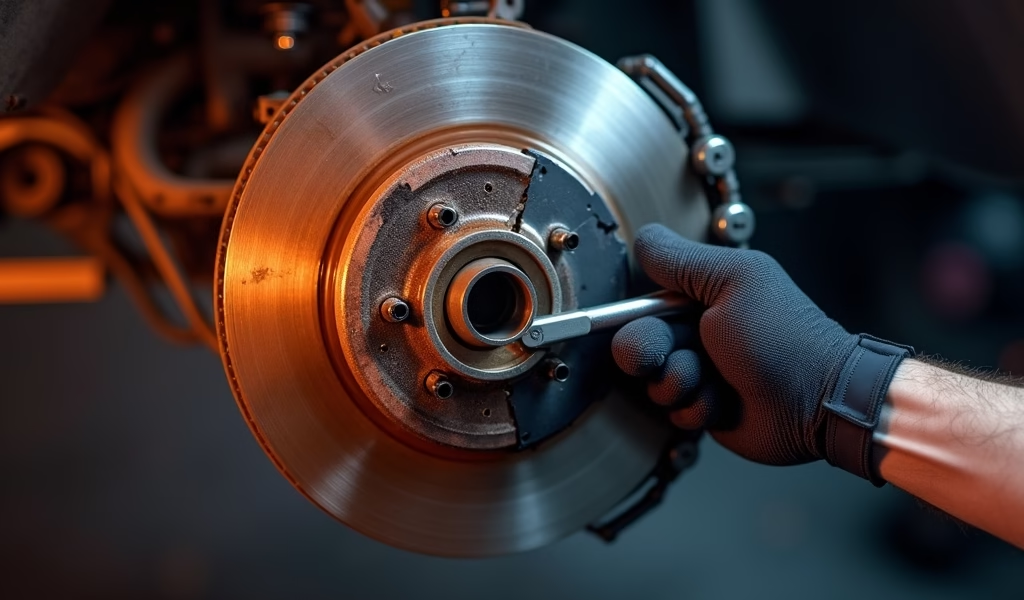
While many brake squeal issues can be resolved at home, some situations call for professional intervention. Here’s when to put down the wrench and call your trusted mechanic:
Persistent Grinding Noises
If you hear grinding rather than squealing, this indicates metal-on-metal contact that’s actively damaging your braking system. Continuing to drive with this condition can lead to rotor damage, caliper damage, and eventually, brake failure. This requires immediate professional attention.
Brake Performance Issues
Any time squealing is accompanied by changes in braking performance—whether it’s a soft pedal, pulling to one side, or increased stopping distance—you’re dealing with a safety issue that warrants expert diagnosis. Never compromise on brake performance just to save a few dollars.
Hydraulic System Problems
If your brake pedal feels spongy or gradually sinks to the floor, you might have air in the brake lines or a hydraulic system leak. These issues require specialized equipment to resolve properly and shouldn’t be attempted by most home mechanics.
Complex Brake Systems
Modern vehicles often feature complex brake systems with electronic stability control, anti-lock braking systems, and even regenerative braking on hybrids and electric vehicles. These sophisticated systems sometimes require computer diagnostics and specialized knowledge to service correctly.
Remember, there’s no shame in seeking professional help when it comes to critical safety systems like brakes. A good mechanic can often diagnose and fix issues more quickly than you might manage on your own, and the peace of mind is well worth the cost.
Prevention Tips: Keeping Your Brakes Quiet
An ounce of prevention is worth a pound of cure—especially when it comes to brake maintenance. Here’s how to prevent brake squeal before it starts:
Regular Brake Inspections
Have your brakes inspected at least once a year or every 10,000-15,000 miles. This routine check can catch wear issues before they lead to noise or performance problems. Many repair shops offer free brake inspections, making this a no-brainer for preventative maintenance.
Quality Matters
When replacing brake components, invest in quality parts from reputable manufacturers. The price difference between economy and premium brake pads is typically small compared to the benefits in noise reduction, performance, and longevity. Premium pads often include better shims and noise-reduction features built right in.
Proper Breaking-In Procedures
After installing new brake components, follow proper break-in procedures to ensure optimal performance and minimize noise:
- Make 8-10 moderate stops from about 30 mph, allowing 30 seconds between stops for cooling
- Avoid hard stops for the first 100 miles
- Try to avoid sitting with your foot on the brake pedal in traffic
This process helps transfer a thin, even layer of pad material to the rotor surface, creating a proper friction interface that reduces noise.
Mind Your Driving Habits
How you drive affects your brakes. Avoid riding the brakes on downhill stretches, which causes excessive heat buildup. Instead, downshift to use engine braking. Also, try to anticipate stops to avoid sudden, hard braking when possible. Smoother driving not only reduces noise but also extends the life of all brake components.
Regular Cleaning in Harsh Environments
If you live in areas with salted roads or coastal regions with salt air, consider having your brakes cleaned seasonally. This simple maintenance step can prevent corrosion-related noise and extend component life significantly.
Conclusion
Understanding what causes brake squeal is the first step toward quieter, more reliable stopping power. From worn pads and glazed rotors to simple maintenance oversights, brake noise typically has a logical explanation and, often, a straightforward fix.
By paying attention to when and how your brakes squeal, performing basic diagnostics, and taking appropriate action, you can often resolve these issues without breaking the bank. Remember that while some squeals are merely annoying, others signal potential safety concerns that shouldn’t be ignored.
Whether you tackle the repairs yourself or seek professional help, addressing brake noise promptly will provide peace of mind, prevent more costly damage, and ensure your vehicle stops safely every time. Your brakes are your car’s most important safety system—they deserve your attention when they start speaking up.
Keep in mind that regular maintenance is your best defense against brake problems. A little preventive care today can save you from both the annoyance of squeaky brakes and the expense of major repairs tomorrow.
Frequently Asked Questions
Is it safe to drive with squeaky brakes?
It depends on the cause of the squeal. If it’s just surface rust or moisture, it’s typically safe, but persistent squealing accompanied by performance changes requires immediate attention.
How much does it cost to fix squeaky brakes?
Costs range from $20 for DIY lubrication to $300+ for professional pad and rotor replacement. The exact price depends on your vehicle make and the underlying cause.
Will brake squeal go away on its own?
Minor squeals from moisture or light surface rust often disappear after a few stops. Persistent squealing from wear or mechanical issues will typically worsen over time.
Can weather affect brake noise?
Absolutely. High humidity, rain, and even significant temperature changes can cause temporary brake squeal due to moisture or thermal expansion.
Are ceramic brake pads quieter than metallic ones?
Generally, yes. Ceramic pads typically produce less noise than semi-metallic or fully metallic options, making them a good choice for drivers bothered by brake noise.