

Overview
That annoying dashboard rattle isn’t just disrupting your peaceful drive—it’s potentially signaling loose components that could worsen over time or mask more serious problems. This guide offers both DIY solutions (costing $15-75) and professional repair options ($150-300 on average), along with diagnostic techniques to identify the source of rattles caused by loose trim, worn materials, or improperly secured components.
Table of Contents
- Understanding Dashboard Rattles: Why They Happen
- Common Causes of Dashboard Rattling
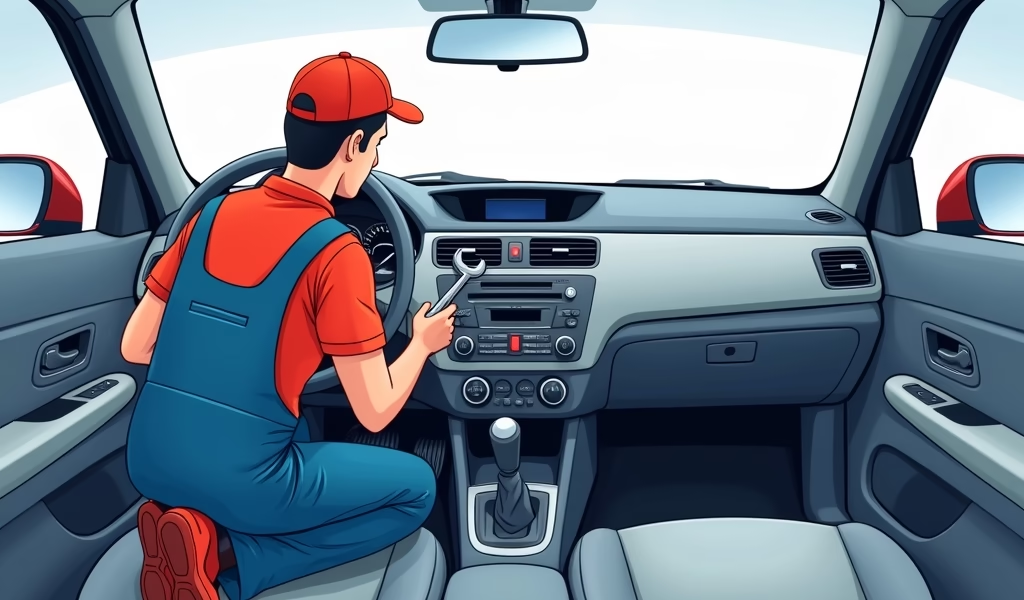
- Diagnosing the Source of Dashboard Rattles
- DIY Fixes for Dashboard Rattling
- Preventive Measures to Avoid Dashboard Rattling
- When to Seek Professional Help
- Cost Comparison: DIY vs. Professional Repair
- Conclusion
- Frequently Asked Questions
Understanding Dashboard Rattles: Why They Happen
That persistent dashboard rattle is more than just an annoying sound disrupting your peaceful drive. As a mechanic with 15 years of experience, I’ve seen countless drivers grimace when they hear how to fix rattling in dashboard issues can sometimes lead to expensive repairs if ignored. The good news? Most dashboard rattles are fixable without breaking the bank—if you catch them early.
Dashboard rattles typically occur when components within your vehicle’s cabin become loose or wear down over time. Think of your car as a moving apartment—everything inside experiences constant vibration, temperature changes, and stress. Eventually, something’s bound to work itself loose.
The dashboard itself is a complex assembly of various materials: plastic panels, metal supports, electronic components, and ventilation ducts. These pieces are designed to fit together perfectly when new, but road conditions, temperature fluctuations, and regular aging can cause these components to expand, contract, and gradually separate.
Why should you care about fixing these rattles promptly? Beyond the obvious annoyance factor, rattles can indicate developing problems that might lead to more significant issues down the road. Additionally, these noises often worsen over time, potentially masking other important sounds your vehicle might make when something critical begins to fail.
Common Causes of Dashboard Rattling
In my years working under the hood, I’ve traced dashboard rattles to several common culprits. Understanding these can help you narrow down your search when trying to silence that irritating noise:
- Loose dashboard components or trim pieces that vibrate against each other
- Items in the glove compartment or center console shifting during driving
- Deteriorated or compressed foam padding behind dashboard panels
- Climate control vents with loose parts or debris inside
- Worn instrument cluster mounts allowing for excessive movement
- Loose wiring harnesses or connectors behind the dash
- Failed or weakened dashboard mounting points
- Broken clips holding interior panels in place
The age of your vehicle plays a significant role in determining the likely cause. Newer vehicles typically experience rattles from loose items or minor assembly issues, while older cars often develop problems with deteriorated materials or worn-out components.
Road conditions also significantly impact how quickly rattles develop. If you frequently drive on rough or unpaved roads, your dashboard components experience more stress than someone who primarily cruises on smooth highways. This is why effective cabin noise cancellation systems are becoming increasingly popular in modern vehicles.
Diagnosing the Source of Dashboard Rattles
Finding the exact source of a dashboard rattle can feel like searching for a needle in a haystack, but with a methodical approach, you can usually pinpoint the culprit. Here’s my tried-and-true process for diagnosing dashboard rattles:
The Systematic Approach
First, try to recreate the conditions when the rattle occurs. Does it happen on smooth roads or only on bumpy surfaces? Is it temperature-dependent—appearing only when cold or after the vehicle warms up? Does it occur at specific speeds? Taking mental notes of these patterns will help tremendously.
Next, enlist a helper if possible. While one person drives (or sits in the parked vehicle and gently pushes on the dashboard), the other can place their hand on different sections of the dash to feel for vibrations or apply light pressure to see if the noise stops.
One effective technique I recommend is the “flashlight test.” At night (with the vehicle safely parked), turn on a powerful flashlight and shine it at a shallow angle across your dashboard. This often reveals tiny gaps or misalignments invisible in normal lighting.
Using Your Senses
Your ears are powerful diagnostic tools. Try this technique used by professional mechanics: take a paper towel tube or similar hollow cylinder and place one end against your ear while moving the other end near suspected rattle sources. This makeshift stethoscope can help isolate sounds with surprising accuracy.
Touch is equally important. While someone else is driving (or with the vehicle safely parked), press gently on different dashboard areas to see if the rattle stops or changes. When you suppress a rattle by pressing on a specific spot, you’ve likely found your culprit.
According to J.D. Power’s Initial Quality Study, rattles and unwanted noises remain among the top complaints for new vehicle owners, showing how universal this issue is across all makes and models.
DIY Fixes for Dashboard Rattling
Once you’ve identified the source of your dashboard rattle, it’s time to silence it. Here are several effective DIY solutions that have saved my customers hundreds in unnecessary repair costs:
Quick Fixes for Common Problems
- Loose trim pieces: Apply small pieces of felt tape or foam weatherstripping between plastic trim components that touch each other.
- Glove compartment rattles: Line the interior with adhesive-backed felt or add rubber bumpers to contact points.
- Loose vents: Apply a tiny amount of vinyl or plastic compatible adhesive to secure loose vent components.
- Dashboard pad shrinkage: Insert thin foam strips between the dashboard and windshield where gaps have formed.
- Center console movement: Tighten mounting screws or add thin rubber washers to eliminate play in hinged components.
For a more comprehensive approach, consider using specialized automotive anti-rattle products. Materials like Dynamat or similar sound-dampening sheets can be cut to size and applied behind dashboard panels to absorb vibrations. These materials not only reduce rattles but can improve your overall vehicle acoustic performance when installed correctly.
Step-by-Step Dashboard Rattle Fix
For the most common dashboard rattle—loose trim pieces—here’s my detailed procedure:
- Identify the specific trim pieces making contact with each other.
- Clean both surfaces with isopropyl alcohol and allow to dry completely.
- Cut small pieces of felt tape or thin foam tape to fit the contact points.
- Apply the tape to one of the surfaces, ensuring it’s not visible when components are reassembled.
- Reassemble and test by gently flexing the dashboard components.
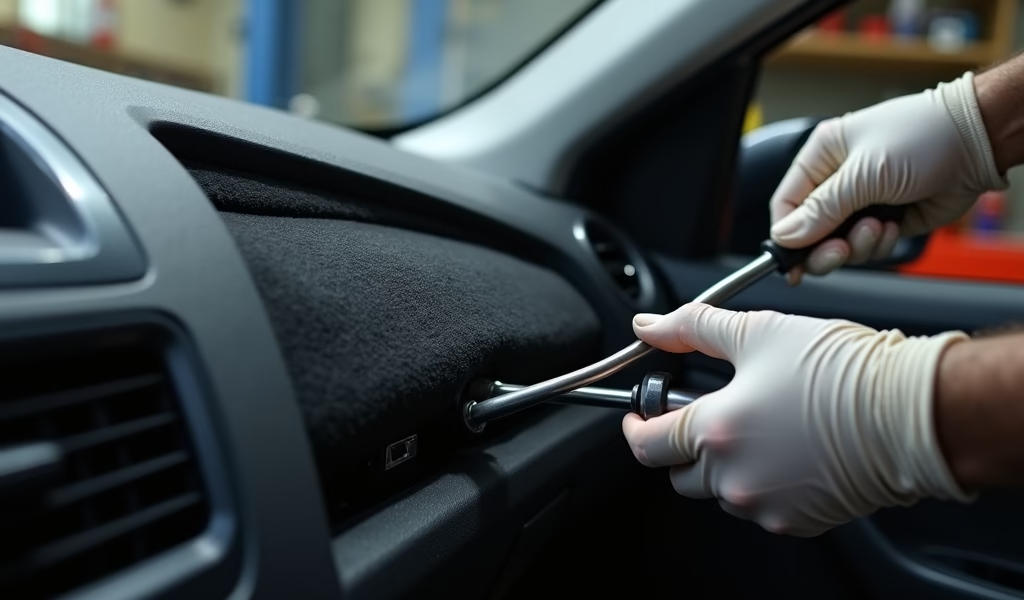
For rattles caused by dashboard mounting issues, the fix might require slightly more disassembly. Most dashboards are secured with several bolts hidden under trim pieces. Accessing and tightening these fasteners often resolves widespread dashboard movement. Just remember to work systematically and keep track of all removed components.
One often overlooked solution is using foam pipe insulation cut into small sections and placed strategically inside the dashboard where components make contact. This is especially effective for seasonal rattles that appear during temperature extremes, as detailed by Consumer Reports’ guide on eliminating car noises.
Preventive Measures to Avoid Dashboard Rattling
An ounce of prevention is worth a pound of cure, especially when it comes to dashboard rattles. Here’s how you can prevent these annoying sounds from developing in the first place:
Regular inspection of your dashboard components can catch potential issues before they become noisy problems. Every few months, take a moment to visually inspect your dashboard for any signs of wear, gaps, or loose components. Pay special attention to areas around vents, the instrument cluster, and trim pieces.
Temperature management plays a surprising role in preventing dashboard rattles. Extreme heat can cause plastic components to expand and warp, while severe cold makes them brittle. When possible, park in shaded areas during hot weather and use a sunshade for your windshield. During winter months, allow your vehicle to warm up gradually before driving.
Proper storage habits can eliminate many potential rattle sources. Keep loose items in your glove compartment to a minimum, and consider adding a small piece of foam or fabric to prevent items from shifting. The same goes for door pockets, center consoles, and any other storage compartments near your dashboard.
Consider upgrading to higher quality materials when replacing any dashboard components. Many car interior upgrades not only improve aesthetics but can also reduce noise when they incorporate better materials than the factory originals.
When to Seek Professional Help
While many dashboard rattles can be resolved with DIY solutions, some situations warrant professional attention. As someone who’s worked on thousands of vehicles, I can tell you that knowing when to call in the experts can save you time, frustration, and sometimes even money in the long run.
Consider seeking professional help if you’ve tried multiple DIY fixes without success. Persistent rattles that defy your best troubleshooting efforts might indicate a deeper structural issue that requires specialized tools or expertise to address properly.
If the rattle is accompanied by other symptoms—like warning lights on your instrument panel, issues with your climate control system, or problems with electrical components—it’s time to consult a professional. These could indicate that the rattle is just a symptom of a larger electrical or mechanical problem.
Dashboard rattles that develop suddenly after an accident or major impact should always be inspected professionally. Even minor collisions can compromise internal mounting points or structural components that aren’t visible without proper disassembly.
When dashboard repair requires extensive disassembly, professional help becomes valuable. Modern dashboards contain complex electrical systems, airbag components, and intricate assembly methods that can be challenging to navigate without proper training and tools. According to the National Automotive Service Task Force, improper dashboard disassembly is one of the leading causes of subsequent electrical issues in vehicles.
Cost Comparison: DIY vs. Professional Repair
Understanding the potential costs involved with fixing dashboard rattles can help you make an informed decision about whether to tackle the job yourself or seek professional assistance. Let’s break down what you can expect:
DIY Repair Costs
Most DIY dashboard rattle repairs are remarkably affordable. Here’s what you might spend:
- Felt tape or foam tape: $5-15
- Sound dampening materials (small sections): $15-30
- Basic tools (if you don’t already have them): $20-50
- Specialized dashboard trim removal tools: $10-25
The total investment for DIY repairs typically ranges from $15 to $75, depending on what materials you need to purchase and whether you already own the necessary tools. The biggest investment is usually your time—expect to spend anywhere from 30 minutes to 3 hours, depending on the complexity of the issue.
Professional Repair Costs
Professional dashboard rattle repair costs vary widely based on several factors:
- Diagnostic fee: $50-150 (sometimes waived if repairs are performed)
- Simple fixes (accessible rattles): $75-200
- Moderate complexity (requiring partial dashboard removal): $200-400
- Complex issues (complete dashboard removal): $400-1,000+
Labor rates at dealerships typically run higher than independent shops, with dealership rates ranging from $100-180 per hour compared to $75-130 at independent repair facilities. The complexity of your vehicle’s dashboard design also factors heavily into the cost—luxury vehicles with integrated electronics and complex dashboard assemblies generally cost more to service.
The good news is that most professional dashboard rattle repairs fall into the simple or moderate categories, with an average cost of $150-300. More extensive work is usually only necessary for severe cases or when the dashboard has sustained damage from an accident or extreme conditions.
Conclusion
Dealing with how to fix rattling in dashboard issues doesn’t have to be a headache or lead to expensive repairs. With the diagnostic techniques and DIY solutions outlined in this guide, most dashboard rattles can be resolved for minimal cost and effort. The key is addressing them promptly before they worsen or potentially mask more serious problems.
Remember that prevention plays a crucial role in maintaining a quiet, rattle-free driving experience. Regular inspections, proper storage habits, and mindful treatment of your vehicle’s interior components can help you avoid the annoyance of dashboard rattles altogether.
For those situations where professional help becomes necessary, understanding the potential costs and knowing what factors influence those costs allows you to approach repair shops as an informed consumer. This knowledge can help ensure you receive fair pricing and appropriate service for your specific situation.
Whether you choose the DIY approach or seek professional assistance, resolving dashboard rattles is well worth the effort. Beyond eliminating an annoying distraction, it contributes to a more enjoyable driving experience, potentially higher resale value, and the satisfaction of maintaining your vehicle in top condition.
So the next time you hear that mysterious rattle from your dashboard, don’t just turn up the radio—take action. Your ears, your passengers, and your wallet will thank you.
Frequently Asked Questions
What causes dashboard rattles in new cars?
New car dashboard rattles usually stem from loose trim pieces, improperly secured components, or items in storage compartments. Manufacturing variations can leave small gaps between components that develop rattles over time.
How do extreme temperatures affect dashboard rattles?
Extreme heat causes dashboard materials to expand and potentially warp, while cold makes plastics contract and become brittle. These fluctuations can create or worsen gaps between components, leading to new rattles.
Will WD-40 fix dashboard rattles?
WD-40 is not recommended for dashboard rattles as it can damage plastic and vinyl surfaces. Specialized automotive lubricants or proper padding materials are safer and more effective solutions.
Can dashboard rattles indicate serious problems?
Most dashboard rattles are harmless annoyances, but sudden or severe rattles could indicate loose components that might affect airbag deployment or other safety systems. Unusual rattles should be investigated promptly.
How do I fix a rattling air vent in my dashboard?
Clean the vent with compressed air first to remove debris. Then apply small pieces of felt tape to contact points or use a tiny amount of plastic-safe adhesive on loose components.