
Overview
That mysterious burning rubber smell in your car isn’t just an unpleasant passenger—it’s a crucial warning sign of potential issues ranging from slipping belts and fluid leaks to electrical problems that, if ignored, can transform $100 minor fixes into $2,000 major repairs or even vehicle fires. The article provides a complete troubleshooting guide to help drivers identify the source of the smell, understand when to pull over immediately, decide between DIY and professional repairs, and implement preventative maintenance practices that can save thousands over a vehicle’s lifetime.
Table of Contents
- That Concerning Burning Rubber Smell
- What Causes a Burning Rubber Smell in Your Car
- Common Sources of Burning Rubber Smells
- Diagnosing the Burning Rubber Smell
- The Dangers of Ignoring the Burning Smell
- Cost Expectations for Repairs
- DIY vs Professional Repairs
- Preventative Maintenance to Avoid Burning Smells
- Common Mistakes Car Owners Make
- Protecting Your Car and Your Wallet
- Frequently Asked Questions
That Concerning Burning Rubber Smell
You know that moment when you’re driving along, enjoying your favorite podcast, and suddenly your nose catches a whiff of something that stops you mid-thought? That distinct burning rubber smell is enough to make any driver’s heart skip a beat.
This unpleasant aroma isn’t just annoying – it’s your vehicle’s way of waving a red flag. Think of it as your car sending up a smoke signal (sometimes literally) that something underneath the hood needs attention. The good news? Most burning rubber smells point to problems that, when caught early, won’t drain your bank account.
Let me walk you through what might be happening when that unmistakable scent invades your driving experience. With over 20 years as a mechanic, I’ve tracked down hundreds of these smelly culprits, and I’m going to share exactly what you need to know to identify, address, and potentially fix these issues before they become major expenses.
What Causes a Burning Rubber Smell in Your Car
When rubber burns, it releases a cocktail of chemicals – mainly sulfur compounds – that create that unmistakable acrid smell. Your vehicle contains dozens of rubber and synthetic rubber components, from belts and hoses to seals and gaskets. Any of these can produce that distinctive burning odor when they overheat or make contact with extremely hot engine parts.
Not all burning smells are created equal, though. Your nose can actually be a pretty sophisticated diagnostic tool if you know what to sniff for:
- Pure burning rubber smell: Often indicates belt problems or rubber components contacting hot surfaces
- Burning plastic smell: Usually points to electrical issues or melting wire insulation
- Sweet burning odor: Typically signals coolant leaking onto hot engine components
- Burning oil smell: Suggests oil seeping onto exhaust components
Location matters too. If the smell seems strongest inside your cabin, the issue might be related to your heating system or something caught in your vents. If it’s more noticeable when standing outside the vehicle, you’re likely dealing with an engine compartment or undercarriage issue.
According to Consumer Reports’ research on warning odors, burning rubber smells rank among the most common indicators of developing mechanical issues. Their studies show addressing these smells promptly can reduce repair costs by up to 60% compared to waiting until the problem causes secondary damage.
Common Sources of Burning Rubber Smells
Belt Problems
The most common source of that burning rubber smell is belt trouble. Your engine uses several belts to power accessories like your alternator, air conditioning, and power steering. When these belts slip, they create friction against their pulleys, generating heat and that telltale burning rubber odor.
Signs of belt issues include:
- Squealing sounds during acceleration or when starting your car
- Visible cracks, fraying, or glazed areas on the belts
- Black dust accumulation around pulleys (rubber particles)
A slipping or worn serpentine belt typically costs $75-200 to replace, but ignoring it could lead to serious engine problems costing thousands to fix. If your accessory belt breaks completely, you could lose power steering, charging system function, and cooling system operation all at once.
Fluid Leaks
When automotive fluids leak onto hot components, they burn and create distinctive odors. Oil dripping onto exhaust components creates a burning smell with undertones of that petroleum scent we associate with motor oil. Transmission fluid leaks produce a more reddish-brown puddle and generate a sweeter burning smell when they contact hot surfaces.
Brake fluid leaks are particularly concerning, as they can compromise your stopping ability while creating burning odors. Brake fluid feels slippery and is typically clear to light amber in color. If you notice fluid around your wheels accompanied by a burning smell, have your brakes inspected immediately.
Catching fluid leaks early can save you hundreds. A simple valve cover gasket replacement might cost $150-300, while the engine damage from chronic oil leaks could run into the thousands.
Electrical Problems
Electrical issues often create a distinctive burning smell that’s slightly different from pure rubber burning – more acrid and sharp. Common electrical problems include:
- Overheating wires from excessive current draw
- Short circuits creating intense heat in a localized area
- Melting insulation around wires and electrical components
These issues might come with other symptoms like flickering lights, intermittent electrical component operation, or blown fuses. Electrical problems should never be ignored, as they present genuine fire hazards beyond just the expense of repairs.
Clutch and Brake Issues
If you drive a manual transmission, a burning rubber smell might indicate clutch problems. The clutch disc has friction material similar to brake pads, and when it slips excessively (often from “riding the clutch” or a worn clutch assembly), it creates heat and that burning odor.
Similarly, stuck brake calipers or severely worn brake pads can cause continuous friction, generating heat and burning smells. This issue often comes with reduced fuel economy and potentially a pulling sensation to one side when braking. Replacing brake pads early ($150-350 per axle) prevents damage to more expensive components like rotors.
Engine Component Issues
An overheating engine can cause multiple rubber components to burn, including hoses, gaskets, and seals. Always monitor your coolant levels and temperature gauge. If your temperature gauge climbs into the red zone, pull over safely and shut off the engine to prevent catastrophic damage.
Hoses and gaskets naturally deteriorate over time and can fall onto or against hot engine parts. Inspecting these components regularly can catch problems before they create that burning smell – and before they lead to fluid leaks or component failures.
Diagnosing the Burning Rubber Smell
When that burning rubber smell hits your nostrils, don’t panic. Instead, follow this systematic approach to track down the source:
Step-by-Step Troubleshooting
- Safely pull over and turn off the engine if the smell is strong or accompanied by other symptoms
- Check your dashboard gauges – is the temperature normal? Oil pressure okay?
- Note when you notice the smell – during acceleration, braking, or when the AC is on
- Look for visible smoke or steam (but don’t open a hot hood if there’s heavy smoke)
- Once cool enough, check fluid levels under the hood
- Inspect belts for glazing, cracks, or visible damage
- Look for fluid puddles beneath the vehicle
- Carefully check wheel areas for signs of overheating or fluid
Pay attention to patterns. Does the smell occur only when the engine is hot? Only during specific maneuvers? These clues can narrow down the possible culprits dramatically.
When to Pull Over Immediately
Some situations warrant immediate action. Pull over as soon as safely possible if:
- You see smoke coming from any part of the vehicle
- The burning smell appears alongside warning lights on your dashboard
- Your temperature gauge moves into the red zone
- You notice a sudden change in how the vehicle handles or brakes
- The burning smell intensifies rapidly
Your safety is worth more than any vehicle. If you’re uncertain about the severity of the issue, err on the side of caution and call for roadside assistance rather than continuing your journey.
Simple Checks You Can Perform Yourself
Even with minimal mechanical knowledge, you can perform several useful diagnostic checks:
- Visually inspect all accessible belts for cracks or glazing
- Check all fluid levels (oil, transmission, coolant, brake fluid)
- Look for fluid spots or puddles under your parked car
- Inspect for loose objects that might be contacting hot components
- Check for tightness around the oil filter and drain plug
These simple inspections can often identify the source of the problem without specialized tools or expertise. According to the American Automobile Association, regular visual inspections can prevent up to 30% of vehicle fires and serious mechanical failures.
The Dangers of Ignoring the Burning Smell
That burning rubber smell might seem like just an annoyance, but ignoring it can lead to serious consequences for both your vehicle and your safety.
Potential for Major Mechanical Damage
When you dismiss that burning odor, you risk:
- Complete belt failures that can disable multiple systems simultaneously
- Engine overheating leading to warped heads or blown gaskets ($1,500+ repairs)
- Transmission damage from operating with insufficient fluid
- Electrical system failures affecting everything from lights to engine management
- Brake system deterioration compromising your ability to stop safely
Many of these scenarios transform relatively inexpensive preventative repairs into major overhauls costing thousands of dollars. A $50 hose replacement becomes a $1,500 head gasket job if an engine overheats severely.
Fire Risks
Perhaps the most serious concern is fire risk. Burning rubber, electrical shorts, and fluid leaks contacting hot components create ideal conditions for vehicle fires. These fires can develop with alarming speed – often in just minutes from the first noticeable smell.
According to the National Fire Protection Association, nearly 20% of vehicle fires start in the engine compartment, and many begin with exactly the kinds of issues that produce burning rubber smells. These fires cause hundreds of millions in property damage annually and can lead to serious injuries.
Impact on Vehicle Safety and Reliability
Beyond catastrophic failures, chronic issues causing burning smells gradually degrade your vehicle’s reliability and safety systems. Your car’s components are interconnected – problems with belts affect the charging system; electrical issues compromise engine management; fluid leaks impact braking performance.
This degradation might not be immediately apparent but can manifest as unpredictable behavior exactly when you need your vehicle to perform reliably – like during emergency maneuvers or adverse weather conditions.
Cost Expectations for Repairs
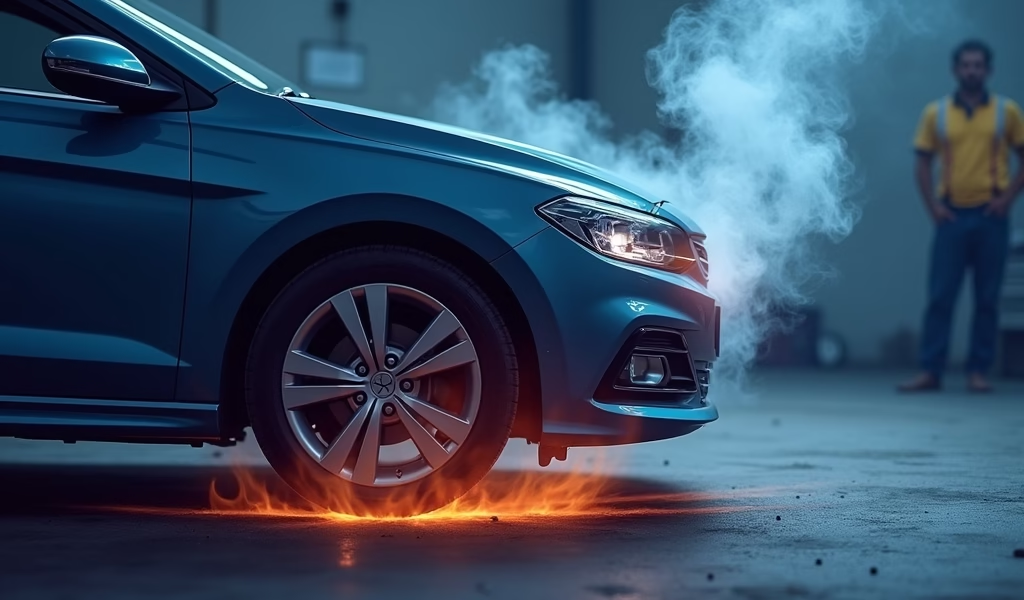
Understanding potential repair costs helps you make informed decisions about addressing that burning rubber smell. Here’s what you might expect to pay for common issues:
Price Ranges for Common Burning Rubber-Related Fixes
- Belt replacement: $75-300 depending on belt type and accessibility
- Oil leak repair: $150-1,000 depending on the source
- Brake caliper replacement: $250-750 per wheel including labor
- Clutch replacement: $800-1,500 for most vehicles
- Electrical repairs: $150-500 for basic wiring issues
- Hose replacement: $20-150 per hose depending on location
- Cooling system repairs: $300-1,200 depending on the component
- Transmission leak repair: $150-400 for minor leaks, $1,500-3,500 for major work
These ranges represent national averages – your actual costs may vary based on your location, vehicle make/model, and the specific shop you choose. Dealerships typically charge 20-30% more than independent shops for the same repairs.
Factors that Influence Repair Costs
Several factors affect how much you’ll ultimately pay:
- Vehicle make and model: Luxury and European vehicles typically cost more to repair
- Part accessibility: Components requiring significant disassembly cost more in labor
- Regional labor rates: Hourly rates vary significantly by geographic location
- Parts quality: OEM parts cost more than aftermarket options
- Additional damage: Problems left unaddressed often cause secondary damage
Perhaps the most significant factor in your repair costs is timing. Addressing issues early – when you first notice that burning smell – almost always costs significantly less than waiting until components fail completely.
Insurance Considerations
In some cases, your auto insurance might cover repairs related to burning rubber smells:
- Electrical fires might be covered under comprehensive coverage
- Damage from mechanical failures is typically not covered
- Accidents resulting from mechanical failures may be covered under liability
- Roadside assistance can help with towing if you’re stranded
Always check your policy specifics and weigh whether making a claim makes financial sense given potential premium increases. According to Insurance Information Institute data, small claims can sometimes lead to rate increases that exceed the claim benefit over time.
DIY vs Professional Repairs
When faced with a burning rubber smell, you might wonder which repairs you can tackle yourself and which require professional expertise.
Problems You Can Safely Fix Yourself
With basic tools and mechanical knowledge, you can often handle:
- Belt inspections and straightforward replacements
- Fluid level checks and top-offs
- Basic hose replacements (those with simple clamp connections)
- Cleaning debris from the engine compartment
- Simple electrical issues like fuse replacements
These DIY approaches can save you significant money. A belt replacement that might cost $150-200 at a shop might only cost $30-50 in parts if you handle the labor yourself.
When to Absolutely Call a Professional
Some situations demand professional expertise:
- Any brake system hydraulic work
- Complex electrical diagnosis
- Transmission issues
- Engine internal problems
- When specialized diagnostic equipment is needed
- If you’re unsure about the source of the problem
Safety-critical systems like brakes should generally be left to professionals unless you have specific experience. The cost of a mistake here extends beyond financial considerations.
Tools Needed for DIY Diagnosis
If you’re taking the DIY route, a basic toolkit should include:
- Socket and wrench set with common sizes
- Screwdriver set (flathead and Phillips)
- Flashlight or work light
- Jack and jack stands (rated for your vehicle’s weight)
- Fluid drain pan
- Gloves and eye protection
- Your vehicle’s service manual
For more complex diagnosis, consider investing in an OBD-II scanner that can read engine codes. Basic models start around $30 and can provide valuable diagnostic information for many issues.
Preventative Maintenance to Avoid Burning Smells
The best way to deal with burning rubber smells is to prevent them from happening in the first place. Regular maintenance isn’t just about avoiding breakdowns – it’s about saving money in the long run.
Regular Inspection Schedule
Implement this simple maintenance schedule to catch potential issues before they create that burning smell:
- Monthly: Visual inspection of belts, hoses, and check for fluid leaks
- Every 3 months: More thorough inspection of brake components and electrical connections
- Every 6 months: Comprehensive check of all rubber components for wear or damage
- Annually: Professional inspection of all major vehicle systems
This proactive approach can catch 90% of issues before they progress to the “burning smell” stage, saving you significant money and headaches.
Fluid Checks and Changes
Maintain proper fluid levels and condition:
- Check oil level weekly and change according to manufacturer recommendations
- Inspect transmission fluid color and level regularly
- Keep brake fluid clean and at proper levels
- Ensure coolant is fresh and at the correct level
Low fluid levels are often the first step toward component failures that create burning smells. A simple 5-minute fluid check every other time you fill up with gas can prevent thousands in repair bills.
Belt Maintenance
Since belts are among the most common sources of burning rubber smells, pay special attention to their condition:
- Visually inspect belts for cracks, fraying, and glazing monthly
- Ensure proper tension (not too tight, not too loose)
- Keep belts clean from oil and other contaminants
- Replace preventatively at recommended intervals (typically 60,000-100,000 miles)
A $50-100 preventative belt replacement is vastly preferable to the cascade of problems that can result from a belt failure while driving.
Common Mistakes Car Owners Make
Even well-intentioned car owners often make mistakes when dealing with burning rubber smells. Here are the most common errors to avoid:
Continuing to Drive When Smelling Burning Rubber
Perhaps the most dangerous mistake is ignoring the smell and continuing to drive. What might start as a simple belt issue can quickly escalate to engine damage or even a vehicle fire. Always pull over safely, assess the situation, and determine if it’s safe to continue or if a tow is needed.
Ignoring Early Warning Signs
That faint burning smell during acceleration might start as a minor belt slip but can progress to complete belt failure. Similarly, that slight pulling during braking could indicate a caliper beginning to stick – address it early, and you might pay $150 for cleaning and lubricating rather than $500+ for complete replacement.
Early intervention is almost always less expensive than waiting for complete failure.
Using Incorrect Replacement Parts
The temptation to save money with the cheapest parts available often leads to premature failures and recurring problems. Quality belts, hoses, and electrical components typically cost only marginally more than the cheapest options but can last two to three times longer.
This is especially true for critical components like brake parts and belts. The few dollars saved upfront can cost hundreds in premature replacements down the road.
DIY Repairs Gone Wrong
Common DIY mistakes include:
- Improper belt tension leading to slipping or bearing damage
- Cross-threading oil drain plugs causing expensive oil pan replacements
- Incorrect brake pad installation leading to uneven braking or noise
- Overlooking damaged components during repairs
If you’re not completely confident in your ability to complete a repair correctly, consulting a professional might actually save you money in the long run.
Protecting Your Car and Your Wallet
That burning rubber smell coming from your car isn’t just an unpleasant sensory experience – it’s valuable information. Your vehicle is communicating with you, alerting you to issues before they turn into major problems that could leave you stranded or facing repair bills in the thousands.
The key takeaway here is that prompt attention to burning smells almost always saves money. A $200 belt replacement is far preferable to a $2,000 engine repair caused by an overheating vehicle. Similarly, a $100 brake caliper lubrication is much easier to swallow than a $1,000 brake system overhaul.
Regular maintenance remains your best defense against these issues. Simple visual inspections, timely fluid changes, and addressing small issues before they grow can save you thousands over your vehicle’s lifetime. Remember – mechanical problems rarely fix themselves, and that burning smell is unlikely to go away without intervention.
When in doubt, consult with a trusted mechanic. A professional diagnostic fee of $75-150 might seem unnecessary when you’re trying to save money, but it can prevent much costlier repairs down the road. Your safety, and that of your passengers and others on the road, is worth the investment.
Frequently Asked Questions
Is it safe to drive my car when it smells like burning rubber?
Generally no, you should pull over safely when you smell burning rubber. While some mild cases might allow for short drives to a nearby mechanic, strong burning smells often indicate problems that could worsen quickly or pose safety risks.
How can I tell if the burning smell is from my engine or brakes?
Engine-related burning smells typically occur regardless of braking and may intensify during acceleration. Brake-related smells usually happen during or immediately after braking, particularly after heavy use, and may be stronger near specific wheels.
Why does my car smell like burning rubber when the AC is on?
When burning smells only appear with the AC running, likely causes include a slipping AC compressor belt or the compressor itself overheating. It could also indicate an electrical issue with the AC system or a foreign object caught in the blower motor.
Can a burning rubber smell indicate transmission problems?
Yes, transmission issues can create burning smells when fluid leaks onto hot components or the clutch material wears excessively. These smells often intensify during gear changes or under heavy load.
How much does it typically cost to fix issues causing a burning rubber smell?
Repair costs vary widely from around $75 for a simple belt replacement to $1,500+ for major transmission work. The key to minimizing costs is early diagnosis and repair before the problem causes secondary damage to other components.