

Overview
When your brake pedal sinks to the floor—a terrifying experience for any driver—it’s likely due to one of five main culprits: low brake fluid, fluid leaks, failing master cylinder, air in brake lines, or brake booster issues. Regular maintenance is crucial for preventing these dangerous problems, as brake failures never fix themselves and can lead to costly repairs ranging from $200 fluid flushes to complete system overhauls exceeding $2,000.
Table of Contents
- Understanding Your Brake System
- Common Causes of Brake Pedal Going to Floor
- Low Brake Fluid
- Brake Fluid Leaks
- Failing Master Cylinder
- Air in Brake Lines
- Brake Booster Issues
- What to Do When Your Brake Pedal Sinks
- Preventive Maintenance
- Cost of Repairs
- Conclusion
- Frequently Asked Questions
Understanding Your Brake System
Let me tell you something that still gives me chills after 25 years as a mechanic – there’s nothing quite as terrifying as stepping on your brake pedal only to feel it sink right to the floor. One minute you’re cruising along, confident in your vehicle’s stopping ability, and the next, you’re frantically pumping a pedal that’s got all the resistance of a marshmallow.
Before we dive into what causes your brake pedal to go to the floor, let’s take a quick look under the hood (or rather, under the car) at how your brake system actually works.
Modern vehicles use a hydraulic braking system – a brilliant bit of engineering that multiplies the force from your foot into enough stopping power to bring thousands of pounds of metal to a halt. Pretty impressive, right?
Here’s the simple version: When you press your brake pedal, it pushes a piston in the master cylinder, which pressurizes brake fluid. That pressurized fluid travels through brake lines to each wheel, where it activates either calipers (for disc brakes) or wheel cylinders (for drum brakes), forcing the brake pads or shoes against a rotating surface to create friction and slow your vehicle.
The beauty of this system is that it’s relatively simple, but that simplicity also means when something goes wrong, it tends to go wrong in a big way. A properly functioning brake pedal should feel firm with just a little bit of give. If it’s sinking to the floor, something in this hydraulic chain reaction isn’t working correctly.
Common Causes of Brake Pedal Going to Floor
When your brake pedal suddenly loses resistance and sinks toward the carpet, it’s not just annoying – it’s downright dangerous. From my years in the garage, I’ve seen this issue countless times, and it almost always comes down to a handful of culprits. Let’s walk through the most common reasons your brake pedal might be heading south.
Low Brake Fluid
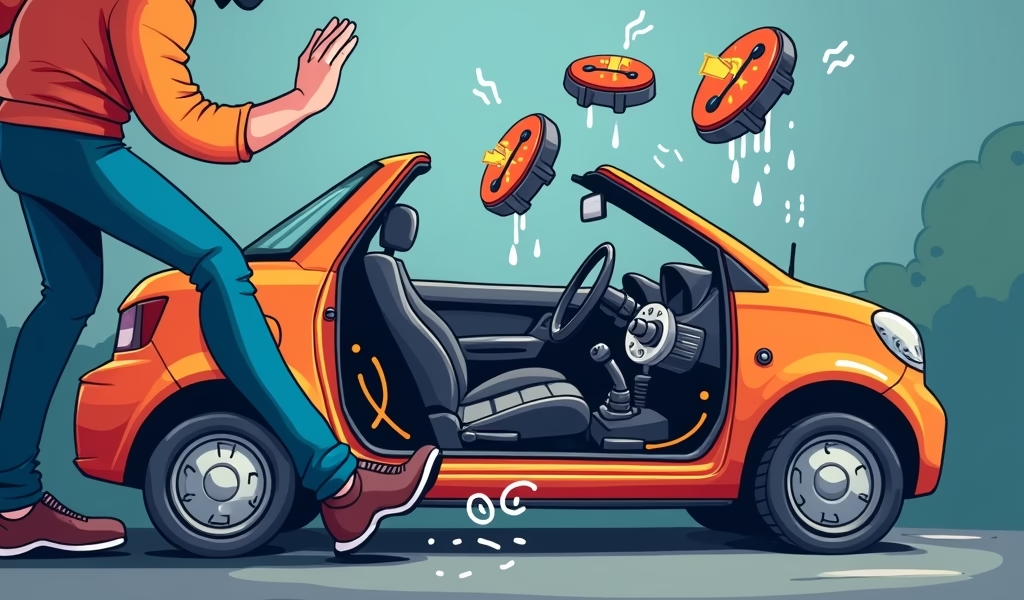
The most straightforward cause of a sinking brake pedal is often low brake fluid. Your braking system depends on having the right amount of fluid to create hydraulic pressure. When fluid levels drop, that pressure can’t build properly, and your pedal will sink closer to the floor before engaging the brakes – if it engages them at all.
Now, low brake fluid isn’t just something that happens randomly. It’s almost always a symptom of another problem, typically a leak somewhere in the system. Brake fluid doesn’t evaporate or get used up like engine oil – if it’s low, it’s going somewhere it shouldn’t.
To check your fluid level, locate the master cylinder reservoir under the hood. It’s usually a translucent plastic container with “MIN” and “MAX” lines marked on it. If your fluid is below the minimum line, you’ve found at least part of your problem. But remember – this is just treating the symptom. You’ll need to check your brake fluid level and find the source of any leaks to truly fix the issue.
Brake Fluid Leaks
Speaking of leaks – they’re a prime suspect when your brake pedal goes floorboard-diving. Brake fluid can escape from several places in your system, and each has its own set of telltale signs:
- Master cylinder leaks often show up as wet spots around the cylinder itself or down the firewall behind it
- Brake line leaks typically occur at connection points or where corrosion has weakened the lines
- Caliper or wheel cylinder leaks usually reveal themselves as wetness around the wheel area, sometimes accompanied by brake fluid on the inside of the tire
- Flexible brake hoses can develop small cracks that leak under pressure but look normal when the system is at rest
The tricky thing about brake fluid leaks is that the fluid itself is clear to light amber in color and doesn’t have a strong smell. It does, however, have a distinctive slippery feel – almost like silicone-based lubricants. If you suspect a leak, run your finger through any suspicious moisture (when the components aren’t hot!) and if it feels unusually slick, you’re probably looking at brake fluid.
According to a study by the National Highway Traffic Safety Administration, brake system failures contribute to approximately 22% of accidents related to vehicle issues. Most of these could have been prevented with regular inspections that catch leaks early.
Failing Master Cylinder
If the master cylinder is the heart of your brake system, then a failing master cylinder is like having heart disease – it’ll slowly rob your system of its vital function. Inside your master cylinder are rubber seals that create the pressure needed for braking. Over time, these seals wear out, allowing brake fluid to slip past when you press the pedal.
A failing master cylinder often creates what we mechanics call “pedal fade” – the pedal feels firm initially but slowly sinks to the floor as you hold it down. This happens because the internal seals aren’t maintaining pressure, allowing fluid to leak past them within the cylinder itself.
Sometimes you’ll see external leaks from the master cylinder, but often the failure is entirely internal. You might notice your brake fluid looking dirty or discolored, as bits of deteriorating rubber contaminate the system. Another clue is uneven braking – if your master cylinder has separate circuits for front and rear brakes (most do), one might fail before the other.
Master cylinder replacement isn’t usually a DIY job unless you’re quite comfortable with brake work. It requires proper bleeding of the system to remove all air, which can be tricky on modern vehicles with ABS systems.
Air in Brake Lines
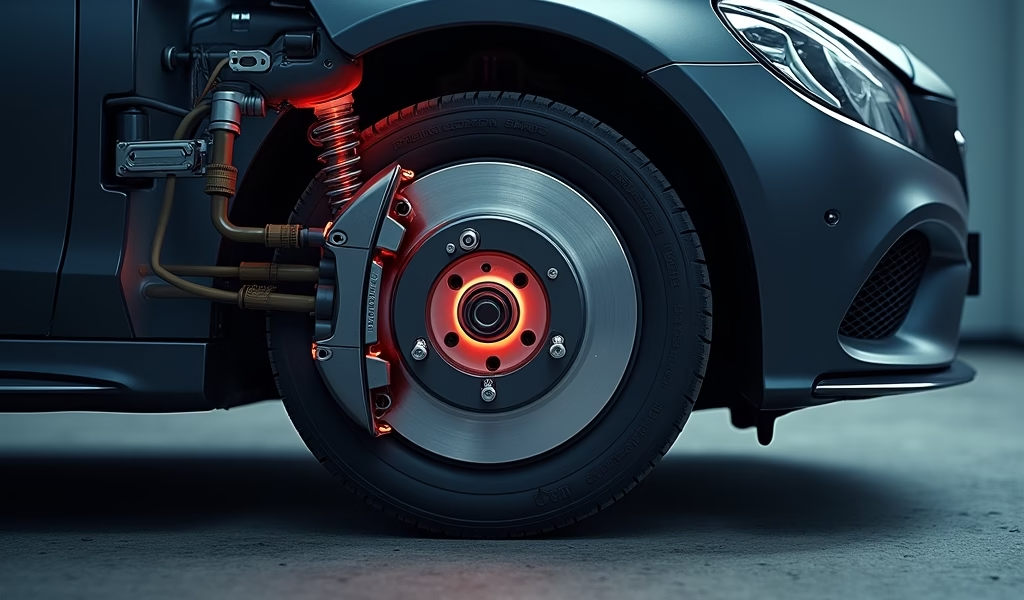
Remember how I mentioned that hydraulic systems work by pressurizing an incompressible fluid? Well, there’s a key word there – incompressible. Brake fluid barely compresses under pressure, which is why it transfers force so efficiently. Air, on the other hand, compresses quite easily.
When air bubbles find their way into your brake lines, they create a spongy feeling as you press the pedal. Instead of immediately transferring force to the brake components, your pedal first compresses the air bubbles, causing that sinking sensation. It’s like trying to push someone while standing on a trampoline – a lot of your effort gets absorbed before creating any useful movement.
Air typically enters the system during brake service if the system isn’t bled properly. It can also sneak in through tiny leaks that let fluid out and air in. Occasionally, severely overheated brakes can cause the fluid to boil, creating vapor bubbles in the system that act just like air pockets.
The solution is to bleed your car brakes properly, which involves opening bleed screws at each wheel in a specific sequence to allow the air bubbles to escape while replacing the system with fresh fluid. Mechanics use several methods for this, from the traditional two-person approach to vacuum bleeders and pressure bleeding equipment.
According to Car and Driver magazine, proper bleeding requires following the manufacturer’s specified sequence, which usually starts with the brake furthest from the master cylinder and works inward. Doing it out of order can trap air bubbles in the system, defeating the purpose of the procedure.
Brake Booster Issues
The brake booster is your friend – it multiplies the force from your foot so you don’t need thighs of steel to stop your vehicle. Most cars use a vacuum-operated booster, though some newer or higher-performance vehicles might use hydraulic or electric boosters.
When a brake booster fails, it usually creates a hard pedal that requires much more force to press. However, certain types of booster failures can actually cause the opposite problem – a pedal that sinks too easily.
If the diaphragm inside a vacuum booster develops a tear or the check valve fails, it can create inconsistent assist that sometimes allows the pedal to sink further than normal. You might notice a hissing sound when you press the brakes, indicating a vacuum leak in the booster.
On hydro-boost systems (common in diesel vehicles or those with heavy-duty packages), a failing pump or leaking power steering system can lead to a sinking pedal as the hydraulic assist becomes inconsistent.
Testing a brake booster usually involves checking for proper vacuum or hydraulic pressure and ensuring the check valves are functioning correctly. It’s not typically a DIY diagnosis unless you have specialized tools and experience.
What to Do When Your Brake Pedal Sinks
So you’re driving along and suddenly your brake pedal starts heading for the floor. What now? First thing’s first – don’t panic, but don’t ignore it either. Here’s my mechanic’s guide to handling this scary situation:
- Try pumping the brake pedal a few times – sometimes this can build enough pressure to get you stopped safely
- Downshift to lower gears if possible – this uses engine braking to help slow you down
- Use your parking brake GRADUALLY – pulling it suddenly can cause a skid
- Look for a safe place to pull over – away from traffic if possible
- Once stopped, do NOT continue driving the vehicle
- Call for a tow truck – this isn’t a “limp it home” situation
When your vehicle is safely stopped, you can do a quick visual inspection of the brake fluid reservoir and around the wheels for obvious leaks. But honestly, at this point, you’re past the DIY stage – you need professional help.
Remember, brake failure isn’t just about your safety – it’s about everyone else on the road too. Even if you managed to stop safely this time, the next time might be different. This is why most reputable ASE-certified technicians will refuse to let you drive away in a vehicle with compromised brakes.
Preventive Maintenance
Look, I’ve seen countless brake failures that could have been prevented with basic maintenance. Here’s what you need to do to keep your stoppers in top shape:
- Check your brake fluid level monthly – it takes 30 seconds
- Have your brake fluid flushed every 2-3 years (sooner for performance driving)
- Inspect brake lines, hoses, and components during routine maintenance
- Address any brake pedal changes immediately – even subtle ones
- Never ignore grinding, squealing, or pulsating brake pedals
- Replace brake fluid that appears dark or contaminated
One of the most overlooked maintenance items is brake fluid replacement. Unlike engine oil, brake fluid doesn’t have a dipstick we check regularly, so it’s easy to forget. But brake fluid absorbs moisture over time, lowering its boiling point and corroding internal components. Fresh fluid is amber and clear – if yours looks dark like maple syrup, it’s overdue for replacement.
I can’t tell you how many times I’ve seen a $200 brake fluid flush prevent a $1,000 master cylinder replacement. Preventive maintenance isn’t just cheaper – it’s safer too.
Cost of Repairs
Nobody likes surprise repair bills, so let’s talk about what you might expect to pay to fix that sinking brake pedal:
- Brake fluid flush: $80-$200 depending on vehicle and location
- Master cylinder replacement: $300-$600 including parts and labor
- Brake line replacement: $150-$1,000+ (varies widely depending on how many lines need replacement)
- Brake booster replacement: $300-$800 for most vehicles
- Caliper rebuild/replacement: $200-$400 per wheel
- Complete system overhaul: $800-$2,000+ for severe cases
These figures are general estimates – luxury vehicles or those with advanced braking systems (like performance Brembos or complex ABS setups) can cost significantly more. Your local market, the shop’s labor rates, and parts availability all affect the final price.
But here’s the straight talk: brake repairs aren’t where you want to pinch pennies. I’ve seen too many people try to save money by putting off brake work, only to end up with a much bigger repair bill – or worse, an accident that costs far more than any repair ever would.
Conclusion
A brake pedal that sinks to the floor isn’t just annoying – it’s a serious safety concern that demands immediate attention. Whether it’s low brake fluid, a leak somewhere in the system, a failing master cylinder, air in the lines, or a brake booster issue, the underlying cause needs to be addressed before you drive the vehicle again.
I’ve spent decades fixing brakes, and the one thing I can tell you with certainty is that brake problems never fix themselves. They only get worse – and often at the worst possible moment. Regular maintenance checks and addressing small issues before they become big ones isn’t just good car sense – it could save your life.
Remember that proper brake function depends on maintaining the integrity of a hydraulic system that converts your foot pressure into stopping power. Any compromise in that system – whether from fluid loss, air infiltration, or component failure – directly impacts your ability to stop safely.
When it comes to brakes, listen to what your car is telling you. That sinking pedal is your vehicle’s way of waving a red flag. Heed the warning, get it checked out properly, and you’ll be back on the road with the confidence that comes from knowing you can stop when you need to.
Frequently Asked Questions
Is it safe to drive when my brake pedal goes to the floor?
Absolutely not. A brake pedal that sinks to the floor indicates serious brake system failure that could lead to complete loss of stopping ability.
How much does it typically cost to fix a brake pedal that goes to the floor?
Repair costs range from $200 for a simple brake fluid flush to $1,000+ for master cylinder replacement or complete system repairs. The exact cost depends on the specific cause and your vehicle model.
Can I fix a sinking brake pedal myself?
Some causes like bleeding air from brake lines can be DIY projects if you have experience. However, most causes require professional diagnosis and repair with specialized tools.
How often should brake fluid be replaced to prevent pedal issues?
Most manufacturers recommend replacing brake fluid every 2-3 years regardless of mileage. Regular fluid changes help prevent internal corrosion and maintain proper hydraulic performance.
What should I do if my brake pedal suddenly goes to the floor while driving?
Pump the brakes to potentially build pressure, downshift to use engine braking, and carefully use the parking brake to stop. Call for a tow truck – never continue driving with failed brakes.