
Overview
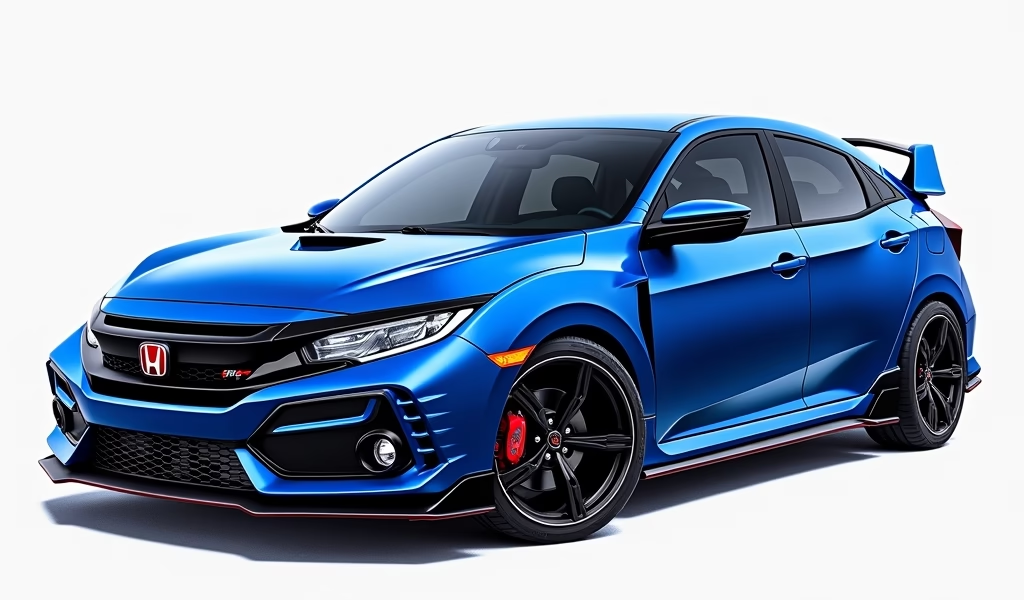
This detailed maintenance guide for the 2022 Honda Civic Sport outlines essential care routines including regular oil changes, transmission maintenance, brake system care, and seasonal considerations that can extend vehicle life beyond 200,000 miles. The article emphasizes that consistent preventative maintenance preserves the vehicle’s performance characteristics while being more cost-effective than reactive repairs, with specific recommendations for DIY tasks versus those best left to professionals.
Table of Contents
- Regular Maintenance Schedule: The Rhythm of Reliability
- Engine Care: Nurturing the Heart of Your Civic Sport
- Brake System Maintenance: Stopping Power When It Counts
- Transmission Care: Protecting Your Power Delivery
- Exterior Care and Protection: Preserving Your Civic’s Canvas
- Interior Maintenance: Caring for Your Command Center
- Performance Enhancement Through Maintenance
- DIY vs. Professional Maintenance
- Seasonal Maintenance Considerations
- Troubleshooting Common Issues
- Conclusion: A Long Road Ahead
- Frequently Asked Questions
The 2022 Honda Civic Sport isn’t just another compact car – it’s a precision machine that delivers both style and substance in one sleek package. As a mechanic who’s worked on countless Civics over the years, I can tell you this model stands out with its turbocharged performance and refined handling. But like any quality instrument, your Civic Sport needs proper care to keep playing that sweet road symphony.
Whether you just drove your Sport off the lot or you’re looking to maintain the one in your garage, this guide will walk you through everything you need to know to keep it running at its best. Let’s roll up our sleeves and get into what makes this Civic tick – and how to keep it ticking for years to come.
Regular Maintenance Schedule: The Rhythm of Reliability
The beauty of the 2022 Honda Civic Sport lies in its engineering, but even the best-built machines need consistent care. Honda’s Maintenance Minder system will flash reminders on your dashboard, but it helps to know what’s coming.
Here’s what your 2022 Honda Civic Sport needs and when:
- Oil changes: Every 7,500-10,000 miles using 0W-20 synthetic oil
- Tire rotation: Every 7,500 miles
- Air filter replacement: Every 15,000-30,000 miles
- Cabin filter replacement: Every 15,000 miles
- Transmission fluid check: At 30,000 miles
- Brake fluid flush: Every 3 years regardless of mileage
- Coolant replacement: At 100,000 miles or 5 years
I’ve seen Civics sail past 200,000 miles with minimal issues when their owners stick to this schedule. It’s not just about preventing problems – it’s about preserving that zippy, responsive feel that made you choose the Sport trim in the first place.
One thing I always tell my customers looking for reliable vehicles they can trust: the money you spend on preventative maintenance is always less than what you’ll spend fixing preventable problems.
Engine Care: Nurturing the Heart of Your Civic Sport
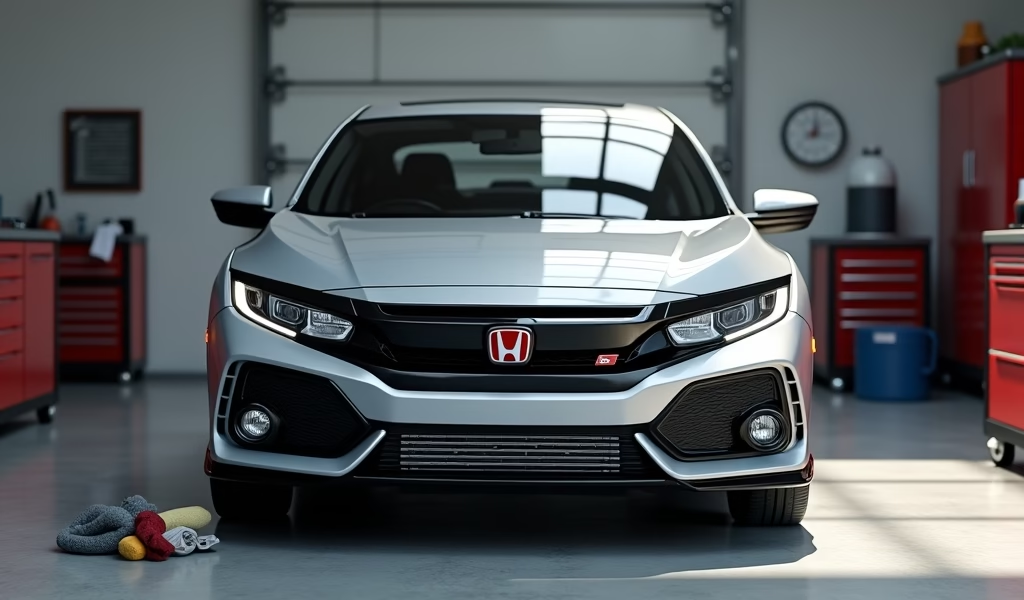
The 1.5L turbocharged engine in your Civic Sport is a little powerhouse that deserves special attention. Having worked on these engines since their introduction, I can share a few insider tips.
First, be aware of oil dilution. Some early models of this engine had issues with fuel mixing into the oil. Honda addressed this in newer production runs, but it’s still smart to check your oil level between changes. If you notice your oil level rising or smell gasoline when checking the dipstick, have it checked out immediately.
Spark plugs in turbocharged engines work harder than in naturally aspirated ones. The factory plugs should last around 100,000 miles, but I recommend having them inspected at 60,000. You’ll notice the difference in acceleration and fuel economy when they’re fresh.
Good news: your Sport uses a timing chain instead of a belt. While these typically last the vehicle’s lifetime, having it inspected during major services gives peace of mind. Honda’s service guidelines recommend this check during the 100,000-mile major service.
One maintenance item often overlooked is the PCV valve. A clogged PCV valve can cause oil consumption and reduced performance. Have it checked during your oil changes – it’s a simple inspection that can prevent bigger problems.
Brake System Maintenance: Stopping Power When It Counts
The Civic Sport’s responsive handling deserves equally responsive braking. After working on hundreds of these systems, I’ve developed a good sense of their needs.
Brake pads on the Sport typically need replacement every 30,000-50,000 miles, but I’ve seen enthusiastic drivers need them sooner. If you enjoy those quick launches from stoplights or spirited driving on winding roads, you might be looking at 25,000 miles instead.
Listen for that high-pitched squeal – it’s not just annoying, it’s your brake pad wear indicators telling you it’s time for service. Don’t ignore them, as the next sound will be the grinding of metal on metal.
Rotors generally last through two pad replacements when properly maintained. Have them measured during each pad change – resurfacing can extend their life if they’re within spec. For the best braking performance, consider upgrading to high-quality aftermarket pads that reduce brake dust while improving stopping power.
Brake fluid is often neglected, but it’s crucial. This hydraulic medium absorbs moisture over time, lowering its boiling point and potentially causing brake fade during hard stops. I’ve seen too many drivers surprised by diminished braking after a couple years with the same fluid. Flush it every three years, no exceptions.
If you’re serious about maintaining your vehicle for the long term, brake system care should be near the top of your priority list.
Transmission Care: Protecting Your Power Delivery
The CVT in most 2022 Civic Sports is sophisticated and generally reliable, but it needs some special attention. While Honda says the fluid is lifetime, my real-world experience suggests otherwise.
I recommend changing CVT fluid around 60,000 miles. It’s not inexpensive, but it’s far cheaper than transmission repairs. If you opted for the manual transmission (good choice for driving enthusiasts!), change that fluid every 60,000 miles too – you’ll maintain those crisp shifts that make manual driving so engaging.
Here are some CVT transmission tips from my years in the shop:
- Avoid aggressive launches from standstills
- Let the transmission warm up a few minutes in cold weather
- Don’t shift from Drive to Reverse while the car is still rolling forward
- If you notice any jerking, hesitation, or unusual noises, address them immediately
Many transmission issues I see could have been prevented with proper fluid maintenance and gentle driving habits. The Sport trim encourages spirited driving, but your transmission will thank you for smooth inputs and proper warm-ups.
For manual transmission owners, clutch life varies dramatically based on driving style. Smooth, skilled operation can extend clutch life beyond 100,000 miles, while aggressive driving might cut that in half. Proper clutch technique makes all the difference in longevity.
Exterior Care and Protection: Preserving Your Civic’s Canvas
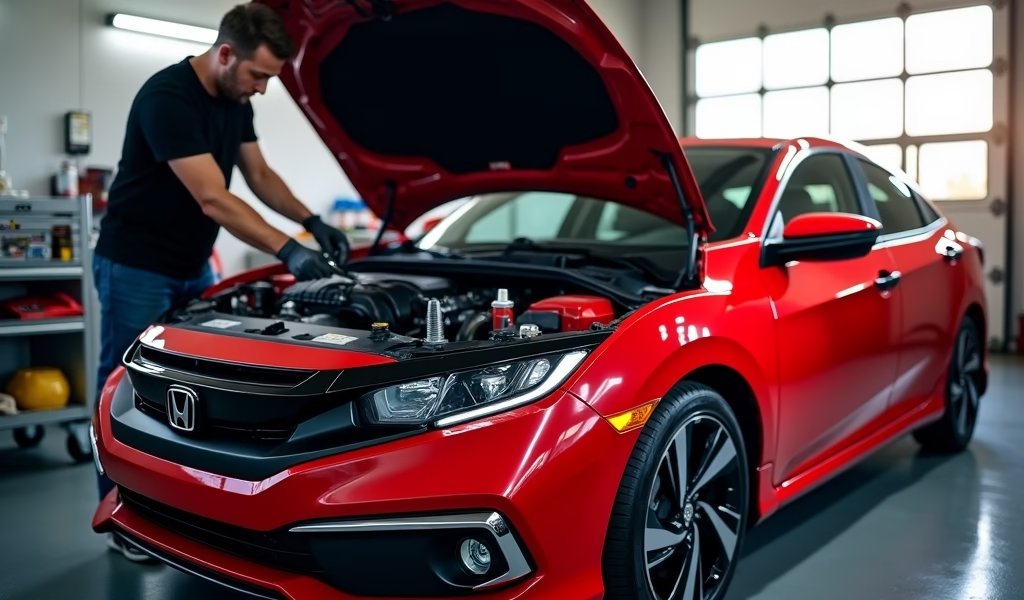
Those sleek lines and that Sonic Gray Pearl or Rallye Red finish deserve protection. In my years working on these cars, I’ve seen how dramatically proper care affects resale value.
Consider these exterior care essentials:
- Apply ceramic coating or paint protection film early in ownership
- Wash bi-weekly using the two-bucket method with microfiber wash mitts
- Apply wax quarterly if you haven’t opted for ceramic coating
- Clean brake dust from wheels weekly
- Treat weather stripping and rubber trim twice yearly
The Sport’s distinctive black accents and wheels need special attention. I recommend a dedicated wheel cleaner and detailer’s brush to reach into those intricate wheel designs. Brake dust isn’t just unsightly – it’s mildly corrosive and can permanently damage finishes if left too long.
One area many owners overlook is the undercarriage. Road salt in winter regions can cause serious damage over time. Get regular undercarriage washes during winter months – your Civic will thank you with fewer rust issues down the road.
Don’t forget the headlights! Modern headlight lenses can cloud over time from UV exposure. A quality headlight restoration kit every couple of years keeps them clear and maintains both appearance and safety.
Interior Maintenance: Caring for Your Command Center
The Civic Sport’s interior combines sporty looks with practical durability, but maintaining that showroom-fresh feeling takes effort. As someone who’s restored countless interiors, I can tell you prevention is far easier than cure.
The Sport’s cloth seats with distinctive stitching benefit from fabric protectant application before they ever see their first spill. For established stains, a quality upholstery cleaner and soft brush can work wonders, but act quickly – set-in stains become permanent fixtures.
Dashboard materials in the Civic respond well to UV protectants that prevent cracking and fading. Apply quarterly if your car sees regular sunlight. A simple microfiber cloth dampened with water handles most dust and dirt – save the protectant for after cleaning.
That 7-inch touchscreen is a fingerprint magnet. Use electronics-safe microfiber cloths and cleaner specifically formulated for screens. Household glass cleaners can damage anti-glare coatings, so avoid those entirely.
Here’s an often-overlooked tip: vacuum under the seats monthly. The Sport’s seat tracks collect an impressive amount of debris that can eventually affect adjustment mechanisms. A small detailing vacuum or crevice tool on your home vacuum makes quick work of this task.
The climate control system deserves attention too. Replace the cabin air filter on schedule and run the A/C weekly even in winter. This prevents seal deterioration and keeps the system lubricated. Your nose will thank you when summer arrives.
Performance Enhancement Through Maintenance
The “Sport” in your Civic’s name isn’t just marketing fluff – it’s engineered to deliver an engaging driving experience. Proper maintenance enhances this performance in ways you’ll feel every day.
The Sport-tuned suspension provides that responsive handling you love, but it needs attention to maintain its character. Have alignment checked annually or after encountering significant potholes. You’ll notice the difference in how the car tracks down the highway and responds to steering inputs.
Tire pressure significantly impacts both performance and efficiency. I check mine monthly and adjust according to the driver’s door jamb specifications – not the maximum pressure listed on the tire sidewall. In cold weather, pressures drop about 1 PSI for every 10°F decrease in temperature.
For those who enjoy spirited driving in their sport models, consider these performance-maintaining tips:
- Add a quality fuel system cleaner every 10,000 miles to prevent carbon buildup
- Inspect all air intake connections during filter changes
- Use premium fuel occasionally (every 3-4 tanks) to help clean fuel injectors
- Consider performance-oriented brake pads when replacements are due
Modern direct injection engines like yours are prone to carbon buildup on intake valves. Running a quality fuel system cleaner regularly helps minimize this issue. I’ve seen noticeable performance differences in vehicles that receive this simple maintenance versus those that don’t.
DIY vs. Professional Maintenance
One thing I love about the 2022 Civic Sport is how it balances modern technology with DIY-friendly design. Some tasks are perfect for Saturday morning garage time, while others are best left to professionals.
Tasks most owners can handle themselves include:
- Oil and filter changes (with proper tools and disposal methods)
- Air filter replacement
- Cabin filter replacement
- Wiper blade installation
- Battery maintenance and replacement
- Light bulb replacements (though some require partial disassembly)
Services I recommend leaving to professionals:
- Transmission fluid changes (especially CVT)
- Brake fluid flushes
- Major engine diagnostics
- Timing chain inspection
- Suspension work
If you’re new to DIY maintenance, oil changes are a great place to start. You’ll save about $50-70 per change, and there’s something satisfying about handling this fundamental maintenance yourself. Just be sure to dispose of used oil properly at recycling centers or auto parts stores.
For specialized tasks like CVT service, the right equipment and expertise make a significant difference. Finding a trustworthy mechanic who specializes in Hondas is worth its weight in gold for these services.
Seasonal Maintenance Considerations
Your Civic Sport faces different challenges as seasons change. After 20 years turning wrenches, I’ve developed a seasonal approach that keeps cars running their best year-round.
Winter Preparation
As temperatures drop, focus on:
- Battery testing (cold starts demand peak battery performance)
- Switching to winter tires if you experience regular snow or ice
- Replacing washer fluid with winter-grade solution
- Regular undercarriage washing to remove corrosive road salt
- Using an engine block heater in extreme cold regions
That last point is crucial in areas that see prolonged sub-zero temperatures. An engine block heater not only makes starting easier but reduces wear during those critical cold startups.
Summer Heat Management
When temperatures climb:
- Check cooling system integrity and fluid level
- Verify A/C system performance before peak heat arrives
- Apply UV protection to interior components
- Check brake fluid, as heat accelerates moisture absorption
I’ve seen cooling system issues strand more drivers in summer than any other season. A simple pressure test before hot weather hits can prevent being stuck on the shoulder during a heatwave.
Spring/Fall Transitions
These moderate seasons offer ideal opportunities for:
- Comprehensive inspections after winter’s harsh conditions
- Tire swaps between winter and summer sets
- Thorough cleaning of underbody and wheel wells
- Wiper blade replacement after winter wear
Spring is my favorite time for a deep cleaning and inspection. The winter grime washes away, revealing any issues that developed during the cold months when they’re still minor and inexpensive to address.
Troubleshooting Common Issues
Even well-engineered vehicles like the 2022 Civic Sport have their quirks. Having diagnosed hundreds of these cars, I can point you to what to watch for.
Some 2022 Civic Sport owners report:
- Infotainment system glitches (usually fixed with a system reset)
- Road noise at highway speeds (typical of the model)
- A/C performance variations (regular maintenance helps)
Warning signs that demand immediate attention include:
- Check Engine Light illumination
- Unusual sounds from the transmission
- Steering wheel vibration during braking
- Turbo lag or significant power loss
- Fluid leaks of any kind
The good news: modern Civics have excellent onboard diagnostics. Consumer-level OBD-II scanners (available for under $100) can read these codes and help you determine whether an issue needs immediate professional attention or can wait for your next scheduled service.
If your infotainment system acts up (a common complaint), try the “soft reset” first: press and hold the power/volume button for about 10 seconds. This resolves most glitches without losing any settings or data.
Conclusion: A Long Road Ahead
Your 2022 Honda Civic Sport represents the culmination of Honda’s compact car expertise – a blend of efficiency, performance, and reliability that’s hard to beat in its class. With proper maintenance, that zippy turbocharged engine and responsive handling will continue to bring a smile to your face for many years to come.
The care routines I’ve outlined aren’t just about preventing problems – they’re about preserving the driving experience that made you choose the Sport trim in the first place. Every oil change, tire rotation, and fluid check maintains that special feeling you get behind the wheel.
Remember that preventative maintenance is always less expensive than reactive repairs. The small investments you make in regular care pay dividends in reliability, performance, and resale value when it’s eventually time to move on to your next vehicle.
I hope this guide helps you enjoy many trouble-free miles in your Civic Sport. There’s nothing more satisfying to me as a mechanic than seeing well-maintained vehicles still performing at their best after 100,000+ miles. Your 2022 Civic Sport has that potential – with your help, it will reach it.
Frequently Asked Questions
How often should I change the oil in my 2022 Honda Civic Sport?
Follow Honda’s Maintenance Minder system, which typically suggests changes every 7,500-10,000 miles. Always use 0W-20 synthetic oil as specified by Honda.
Does the 2022 Civic Sport require premium fuel?
No, the 2022 Civic Sport runs perfectly well on regular (87 octane) fuel. Premium fuel provides no performance benefit for this engine.
How long do the brakes typically last on a Civic Sport?
Brake pads typically last 30,000-50,000 miles, depending on driving style. Spirited driving or frequent stop-and-go traffic will shorten their lifespan.
Is the CVT transmission in the 2022 Civic Sport reliable?
Yes, when properly maintained. I recommend a transmission fluid change around 60,000 miles despite Honda’s “lifetime fluid” claim.
What’s the expected lifespan of a 2022 Honda Civic Sport?
With proper maintenance, these vehicles can easily exceed 200,000 miles. Many Honda engines run strong well beyond that milestone when cared for properly.