
Overview
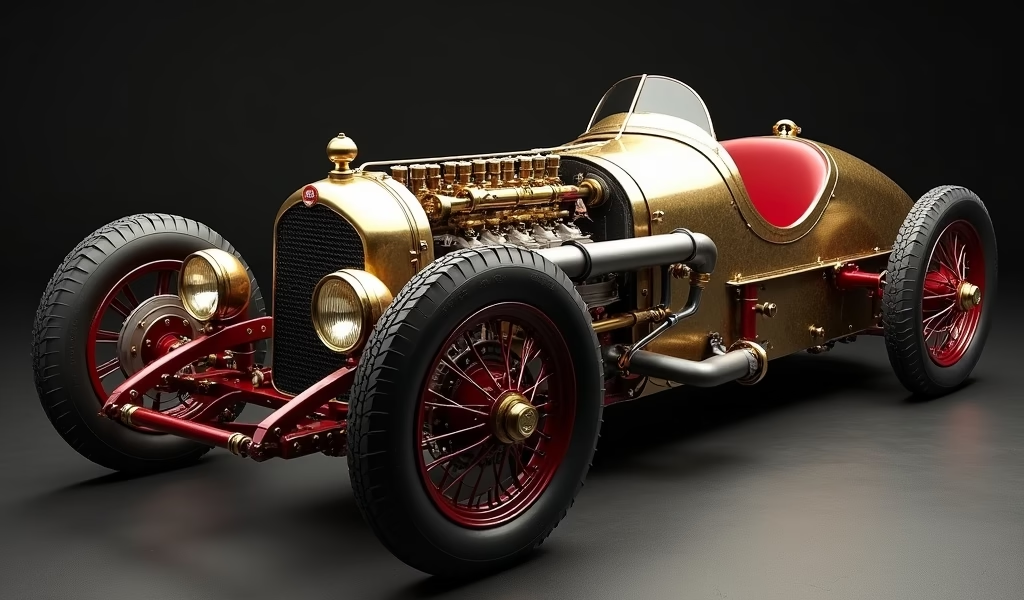
Ever wondered what happens when your 110-year-old car starts coughing? This guide details seven essential maintenance practices for 1910 brass-era automobiles, covering everything from proper oil management (straight-weight, non-detergent oils only, please) to brass polishing techniques, leather care, wooden component preservation, ideal storage conditions (40-50% humidity), fuel system adaptations for modern gasoline, and the importance of regular operation. These mechanical time capsules require specialized care that differs dramatically from modern vehicles, with an emphasis on period-appropriate techniques and materials to maintain both authenticity and functionality.
Table of Contents
- Introduction
- Engine Oil Management: The Lifeblood of Your Vintage Engine
- Brass and Metal Polishing: Preserving the Signature Shine
- Leather and Upholstery Care: Maintaining Century-Old Interiors
- Wooden Component Preservation: Caring for Automotive Carpentry
- Proper Storage Solutions: Creating the Ideal Resting Place
- Fuel System Maintenance: Adapting Old Systems to Modern Fuels
- Regular Exercise and Operation: Use It or Lose It
- Conclusion
- Frequently Asked Questions
Introduction
The 1910s marked a pivotal era in automotive history, when cars transformed from novelties to necessities. These brass-era treasures represent the foundation of our modern driving experience, with their distinctive wooden wheels, gleaming brass fixtures, and hand-cranked engines.
As a master mechanic specializing in vintage vehicles, I’ve spent decades preserving these automotive ancestors. These 1910 cars require specialized care that differs dramatically from modern vehicle maintenance. Think of them as mechanical time capsules—each one tells a story of early innovation and craftsmanship that deserves to be preserved.
Unlike today’s computerized vehicles, these centenarians communicate their needs through sounds, smells, and performance. Learning to listen to these signals is essential for proper maintenance. With the right approach, these mechanical marvels can continue performing beautifully for another century.
Let’s explore seven essential treatments to keep your brass-era automobile in peak condition, combining period-appropriate techniques with modern knowledge to ensure these rolling museums remain both authentic and operational.
Engine Oil Management: The Lifeblood of Your Vintage Engine
The heart of any 1910 car beats differently than its modern counterparts. These pioneering engines were designed for oils that bear little resemblance to what’s on today’s auto store shelves. Making the wrong choice here can lead to catastrophic damage.
Straight-weight, non-detergent oils are the proper choice for most brass-era vehicles. Typically, SAE 30 or 40 weight works best, depending on your climate and operating conditions. Modern detergent oils can actually damage these engines by loosening decades-old deposits that currently serve as part of the seal system in these precisely worn components.
The fundamental engine design of these vehicles lacks the sophisticated filtration systems we take for granted today. This means more frequent oil changes—every 500 miles or twice yearly, whichever comes first. This might seem excessive compared to modern standards, but it’s crucial for engines where every moving part was hand-fitted.
Watch for these warning signs that your engine needs fresh oil:
- Increased knocking or tapping sounds beyond the normal mechanical symphony
- Dark, sooty exhaust that exceeds the typical output
- Rapidly dropping oil pressure on equipped gauges
- Increased operating temperature without changes in conditions
When changing oil, warm the engine first to ensure proper drainage of contaminants. Always dispose of used oil properly—it was harmful to the environment then, and remains so today. Historical automotive preservation guides recommend keeping detailed maintenance logs for these vintage engines, tracking oil consumption and performance changes.
Brass and Metal Polishing: Preserving the Signature Shine
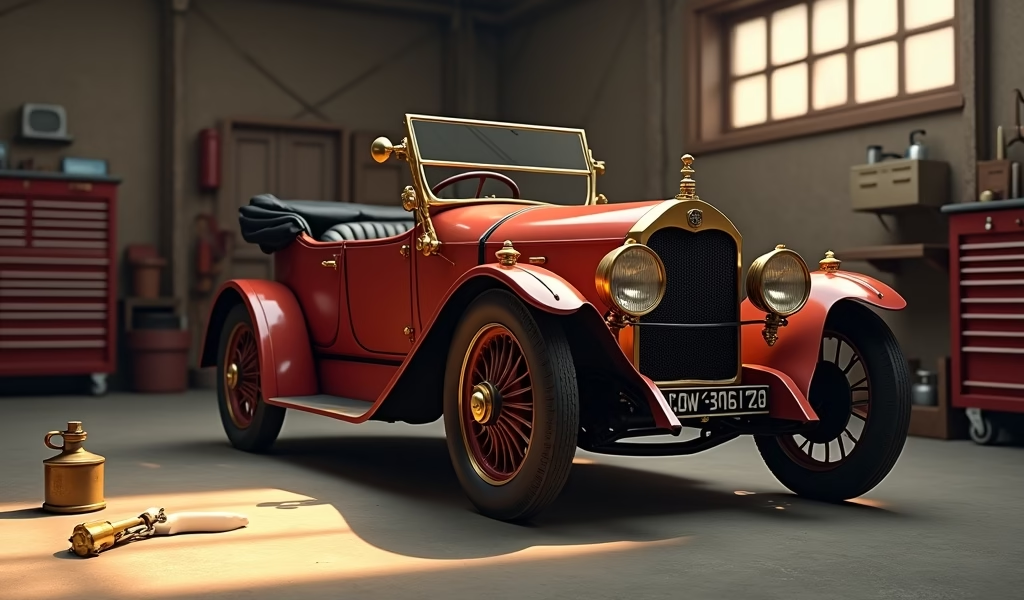
The defining characteristic of 1910 cars is undoubtedly their gleaming brass components. Radiators, headlamps, horns, and trim—these golden elements aren’t just decorative; they’re functional pieces that define the era. Proper polishing isn’t vanity; it’s preservation.
Begin any brass cleaning session with a gentle washing using mild soap and lukewarm water. This removes surface dirt without scratching. For tarnished areas, avoid modern abrasive compounds in favor of traditional methods. A mixture of equal parts white vinegar, salt, and flour creates an effective, period-appropriate cleaning paste that lifts tarnish without aggressive scouring.
For stubborn oxidation, commercial brass cleaners formulated specifically for antiques work well, but test in an inconspicuous area first. Always polish with the grain of the metal using soft cotton cloths, never synthetic materials that can introduce microscopic scratches.
After polishing, protection is essential. A thin coat of high-quality carnauba wax creates a barrier against oxidation without altering the authentic appearance. In harsh climates, quarterly polishing may be necessary, while those in more forgiving environments might maintain their brass biannually.
Remember, unlike modern chrome that maintains a mirror finish, properly maintained brass should have a warm, slightly golden glow rather than a blinding shine. The goal is preservation of character, not transformation into something these vehicles never were.
Leather and Upholstery Care: Maintaining Century-Old Interiors
The interiors of 1910 cars feature materials and construction techniques rarely seen in modern vehicles. Original leather upholstery from this era was typically vegetable-tanned and treated with natural oils—a far cry from today’s chrome-tanned, sealed leather surfaces.
For authentic care, approach these materials as you would museum artifacts. Begin with gentle cleaning using a slightly dampened cloth with distilled water. For stubborn soil, a minimal solution of castile soap and water applied sparingly, then immediately blotted dry, removes most stains without damaging delicate surfaces.
Conditioning is where many owners make critical mistakes. Modern leather products containing silicones or petroleum derivatives can damage century-old upholstery. Instead, use neatsfoot oil or specialized historic leather conditioners that penetrate deeply. Apply sparingly, as over-conditioning can be as damaging as neglect.
For fabric upholstery, avoid water whenever possible. Dry brushing with a soft natural-bristle brush removes surface dust, while stubborn spots can be treated with dry cleaning solvents specifically formulated for antique textiles. Always test any product in an inconspicuous area first.
Environmental control is perhaps the most important aspect of interior preservation. Maintain consistent humidity between 40-50% and avoid direct sunlight, which can fade and embrittle these irreplaceable materials faster than almost any other factor.
Wooden Component Preservation: Caring for Automotive Carpentry
Unlike modern vehicles built primarily of metal and plastics, 1910 cars incorporate significant wooden components. From structural body framing to wheel spokes, these elements require maintenance approaches borrowed more from furniture conservation than automotive care.
Regular inspection forms the foundation of wooden component preservation. Check carefully for signs of dry rot, splitting, or loosening joints—particularly in load-bearing areas like wheel spokes and body frames. Small issues addressed early prevent catastrophic failures later.
Moisture control presents perhaps the greatest challenge in wooden component preservation. Too dry, and wood shrinks and cracks; too humid, and swelling and rot occur. Aim for storage environments with 40-50% relative humidity, monitoring with inexpensive hygrometers placed inside the vehicle.
When refinishing becomes necessary, research historically accurate finishes. Many early automobiles used shellac, boiled linseed oil, or varnish rather than modern polyurethanes. Museum conservation guidelines recommend choosing finishes that allow the wood to “breathe” while providing protection.
For wheel spokes specifically, check tension regularly. A loose spoke doesn’t just make noise—it transfers additional stress to adjacent spokes, potentially creating a cascade of failures. Traditional wheelwrights recommend tightening spoke nipples in a star pattern, similar to modern wheel lug patterns, to ensure even tension.
Proper Storage Solutions: Creating the Ideal Resting Place
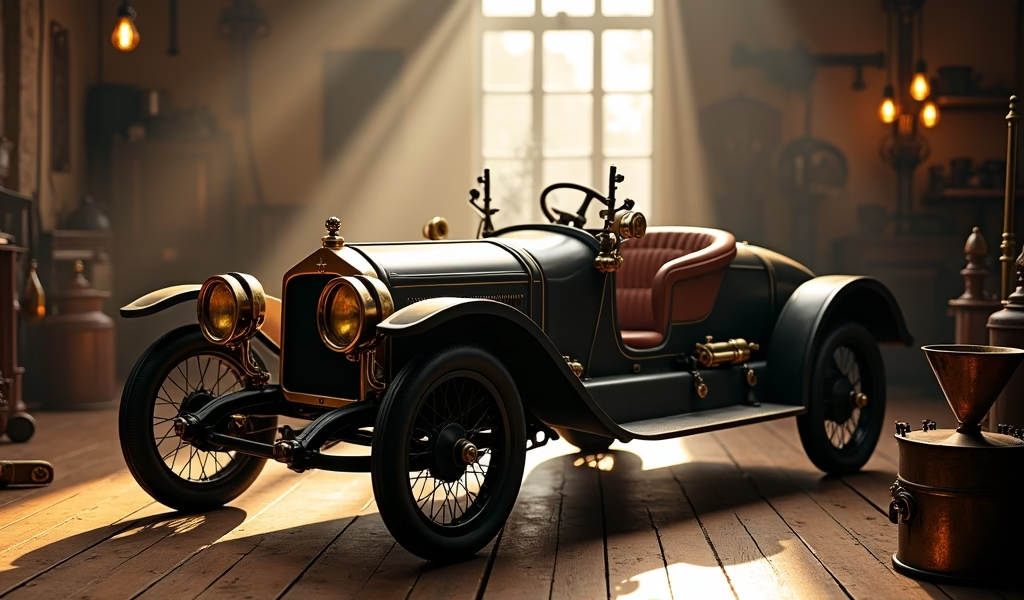
The reality of owning a 1910 car typically includes periods of storage. Creating the right environment during these dormant periods significantly impacts long-term condition. Think of storage not as simply parking, but as active preservation.
The ideal storage space maintains consistent temperature and humidity year-round. Aim for 50-70°F with 40-50% relative humidity—conditions that prevent extremes that stress materials. Concrete floors can release moisture, so place a vapor barrier beneath your vehicle to prevent undercarriage corrosion and wood rot.
When covering your brass-era treasure, choose only breathable materials designed specifically for vintage vehicles. Cotton or cotton-blend covers allow moisture to escape while protecting from dust. Avoid plastic covers entirely—they trap moisture against surfaces, creating perfect conditions for corrosion and mold.
For extended storage, consider these essential steps:
- Elevate the vehicle on proper stands to prevent flat-spotting tires and relieve spring tension
- Drain fuel or add appropriate stabilizer to prevent gum formation
- Remove the battery and store separately on a trickle charger
- Place moisture absorbers inside the vehicle to control humidity
- Consider periodic starting and component movement even during storage
The electrical systems in these vehicles, though simpler than modern cars, still require attention during storage. Disconnecting batteries prevents potential shorts and electrical fires while preserving the charging system for future use.
Fuel System Maintenance: Adapting Old Systems to Modern Fuels
Perhaps no system in a 1910 car faces more challenges than the fuel system. Designed for gasoline formulations long since discontinued, these components must now contend with ethanol-blended fuels that would have been unrecognizable to their creators.
Modern ethanol-blended fuels present several challenges for vintage fuel systems. Ethanol attracts water, accelerates corrosion, and can damage original rubber components. Whenever possible, source non-ethanol fuel for your vintage vehicle—many specialty stations offer this option specifically for classic cars.
When ethanol-free isn’t available, fuel stabilizers formulated for vintage vehicles become essential. These products help minimize phase separation and protect delicate fuel system components. Replace them every storage season, as their effectiveness diminishes over time.
Cleaning brass fuel tanks, carburetors, and fuel lines requires gentle approaches. Harsh modern solvents can damage soft-soldered joints and deteriorate original materials. Instead, use dedicated brass-safe cleaners and mechanical cleaning methods that avoid chemical damage.
Common issues to watch for include:
- Varnish formation in fuel tanks and carburetor passages
- Corrosion at fuel line connections, particularly where dissimilar metals meet
- Deterioration of cork or leather gaskets and floats
- Clogging of exceptionally narrow passages in early carburetors
Many owners of 1910 cars find that installing an inline filter between the fuel tank and carburetor provides valuable protection against tank debris reaching delicate carburetor components. Choose brass or bronze filters that match the aesthetic and metallurgical properties of the original system.
Regular Exercise and Operation: Use It or Lose It
The final and perhaps most enjoyable maintenance practice for 1910 cars is simply using them regularly. Vehicles of this era were designed for operation, and many problems emerge specifically from extended inactivity rather than actual use.
Monthly operation at minimum keeps lubricants distributed, prevents seals from drying out, and maintains the operational knowledge that comes only from regular use. Even brief runs of 20-30 minutes provide significant benefits, though longer drives that fully warm all components are ideal.
Proper warm-up procedures are critical for these vintage engines. Allow ample time for oil to circulate through precision-clearance bearings before increasing RPMs. Similarly, cool-down periods prevent “heat soak” that can vaporize fuel in lines and cause starting difficulties—a common frustration with manual operation vehicles from this era.
During operation, pay careful attention to all gauges and sensory feedback. These vehicles communicate their needs differently than modern cars. Unusual sounds, smells, or performance changes often provide early warning of developing issues that, if addressed promptly, prevent more serious damage.
Consider creating an operating checklist specific to your vehicle. Unlike modern cars designed for instant operation, 1910 automobiles typically require specific sequences for starting, operating, and shutting down. Documenting these procedures ensures consistent care regardless of how frequently you drive.
Conclusion
Maintaining a 1910 car transcends ordinary vehicle care—it’s preserving automotive heritage. These seven essential treatments create a foundation for responsible stewardship that balances authenticity with functionality. By following these guidelines, you’re not just maintaining transportation; you’re preserving living history.
Remember that each 1910 car represents irreplaceable craftsmanship and innovation. The care you invest today ensures these mechanical time capsules continue telling their stories for generations to come. With proper oil management, meticulous brass care, thoughtful upholstery preservation, wooden component maintenance, appropriate storage, fuel system adaptation, and regular operation, your brass-era automobile will reward you with reliable performance and historical authenticity.
The joy of owning these remarkable vehicles comes not just from occasional parade appearances, but from the ongoing relationship between caretaker and machine. Each maintenance session deepens your understanding of early automotive engineering and connects you directly to the dawn of motoring. There’s something profoundly satisfying about maintaining the same systems that thrilled drivers over a century ago—a direct connection to automotive ancestry that no modern vehicle can provide.
Frequently Asked Questions
What type of oil should I use in my 1910 car?
Use straight-weight, non-detergent oil, typically SAE 30 or 40. Modern detergent oils can damage vintage engines by dislodging deposits that actually function as part of the seal system.
How often should I change the oil in my brass-era automobile?
Change oil every 500 miles or twice yearly, whichever comes first. These engines lack modern filtration systems and require more frequent maintenance than contemporary vehicles.
Can I use modern gasoline in a 1910 car?
Ethanol-free fuel is strongly preferred when available. If using modern ethanol-blended fuels, add a fuel stabilizer specifically formulated for vintage vehicles to minimize damage to fuel system components.
How should I store my 1910 car during winter months?
Store in a climate-controlled environment (50-70°F, 40-50% humidity) with the vehicle elevated on stands. Use breathable cotton covers, remove the battery, add fuel stabilizer, and place moisture absorbers inside the vehicle.
How often should a 1910 car be driven to maintain good condition?
Operate your vehicle at least monthly for 20-30 minutes, allowing full warm-up and cool-down cycles. Regular operation distributes lubricants, prevents seals from drying, and identifies developing issues before they become serious problems.
HTML:
Table of Contents
- Introduction
- Engine Oil Management: The Lifeblood of Your Vintage Engine
- Brass and Metal Polishing: Preserving the Signature Shine
- Leather and Upholstery Care: Maintaining Century-Old Interiors
- Wooden Component Preservation: Caring for Automotive Carpentry
- Proper Storage Solutions: Creating the Ideal Resting Place
- Fuel System Maintenance: Adapting Old Systems to Modern Fuels
- Regular Exercise and Operation: Use It or Lose It
- Conclusion
- Frequently Asked Questions
Introduction
The 1910s marked a pivotal era in automotive history, when cars transformed from novelties to necessities. These brass-era treasures represent the foundation of our modern driving experience, with their distinctive wooden wheels, gleaming brass fixtures, and hand-cranked engines.
As a master mechanic specializing in vintage vehicles, I’ve spent decades preserving these automotive ancestors. These 1910 cars require specialized care that differs dramatically from modern vehicle maintenance. Think of them as mechanical time capsules—each one tells a story of early innovation and craftsmanship that deserves to be preserved.
Unlike today’s computerized vehicles, these centenarians communicate their needs through sounds, smells, and performance. Learning to listen to these signals is essential for proper maintenance. With the right approach, these mechanical marvels can continue performing beautifully for another century.
Let’s explore seven essential treatments to keep your brass-era automobile in peak condition, combining period-appropriate techniques with modern knowledge to ensure these rolling museums remain both authentic and operational.
Engine Oil Management: The Lifeblood of Your Vintage Engine
The heart of any 1910 car beats differently than its modern counterparts. These pioneering engines were designed for oils that bear little resemblance to what’s on today’s auto store shelves. Making the wrong choice here can lead to catastrophic damage.
Straight-weight, non-detergent oils are the proper choice for most brass-era vehicles. Typically, SAE 30 or 40 weight works best, depending on your climate and operating conditions. Modern detergent oils can actually damage these engines by loosening decades-old deposits that currently serve as part of the seal system in these precisely worn components.
The fundamental engine design of these vehicles lacks the sophisticated filtration systems we take for granted today. This means more frequent oil changes—every 500 miles or twice yearly, whichever comes first. This might seem excessive compared to modern standards, but it’s crucial for engines where every moving part was hand-fitted.
Watch for these warning signs that your engine needs fresh oil:
- Increased knocking or tapping sounds beyond the normal mechanical symphony
- Dark, sooty exhaust that exceeds the typical output
- Rapidly dropping oil pressure on equipped gauges
- Increased operating temperature without changes in conditions
When changing oil, warm the engine first to ensure proper drainage of contaminants. Always dispose of used oil properly—it was harmful to the environment then, and remains so today. Historical automotive preservation guides recommend keeping detailed maintenance logs for these vintage engines, tracking oil consumption and performance changes.
Brass and Metal Polishing: Preserving the Signature Shine
The defining characteristic of 1910 cars is undoubtedly their gleaming brass components. Radiators, headlamps, horns, and trim—these golden elements aren’t just decorative; they’re functional pieces that define the era. Proper polishing isn’t vanity; it’s preservation.
Begin any brass cleaning session with a gentle washing using mild soap and lukewarm water. This removes surface dirt without scratching. For tarnished areas, avoid modern abrasive compounds in favor of traditional methods. A mixture of equal parts white vinegar, salt, and flour creates an effective, period-appropriate cleaning paste that lifts tarnish without aggressive scouring.
For stubborn oxidation, commercial brass cleaners formulated specifically for antiques work well, but test in an inconspicuous area first. Always polish with the grain of the metal using soft cotton cloths, never synthetic materials that can introduce microscopic scratches.
After polishing, protection is essential. A thin coat of high-quality carnauba wax creates a barrier against oxidation without altering the authentic appearance. In harsh climates, quarterly polishing may be necessary, while those in more forgiving environments might maintain their brass biannually.
Remember, unlike modern chrome that maintains a mirror finish, properly maintained brass should have a warm, slightly golden glow rather than a blinding shine. The goal is preservation of character, not transformation into something these vehicles never were.
Leather and Upholstery Care: Maintaining Century-Old Interiors
The interiors of 1910 cars feature materials and construction techniques rarely seen in modern vehicles. Original leather upholstery from this era was typically vegetable-tanned and treated with natural oils—a far cry from today’s chrome-tanned, sealed leather surfaces.
For authentic care, approach these materials as you would museum artifacts. Begin with gentle cleaning using a slightly dampened cloth with distilled water. For stubborn soil, a minimal solution of castile soap and water applied sparingly, then immediately blotted dry, removes most stains without damaging delicate surfaces.
Conditioning is where many owners make critical mistakes. Modern leather products containing silicones or petroleum derivatives can damage century-old upholstery. Instead, use neatsfoot oil or specialized historic leather conditioners that penetrate deeply. Apply sparingly, as over-conditioning can be as damaging as neglect.
For fabric upholstery, avoid water whenever possible. Dry brushing with a soft natural-bristle brush removes surface dust, while stubborn spots can be treated with dry cleaning solvents specifically formulated for antique textiles. Always test any product in an inconspicuous area first.
Environmental control is perhaps the most important aspect of interior preservation. Maintain consistent humidity between 40-50% and avoid direct sunlight, which can fade and embrittle these irreplaceable materials faster than almost any other factor.
Wooden Component Preservation: Caring for Automotive Carpentry
Unlike modern vehicles built primarily of metal and plastics, 1910 cars incorporate significant wooden components. From structural body framing to wheel spokes, these elements require maintenance approaches borrowed more from furniture conservation than automotive care.
Regular inspection forms the foundation of wooden component preservation. Check carefully for signs of dry rot, splitting, or loosening joints—particularly in load-bearing areas like wheel spokes and body frames. Small issues addressed early prevent catastrophic failures later.
Moisture control presents perhaps the greatest challenge in wooden component preservation. Too dry, and wood shrinks and cracks; too humid, and swelling and rot occur. Aim for storage environments with 40-50% relative humidity, monitoring with inexpensive hygrometers placed inside the vehicle.
When refinishing becomes necessary, research historically accurate finishes. Many early automobiles used shellac, boiled linseed oil, or varnish rather than modern polyurethanes. Museum conservation guidelines recommend choosing finishes that allow the wood to “breathe” while providing protection.
For wheel spokes specifically, check tension regularly. A loose spoke doesn’t just make noise—it transfers additional stress to adjacent spokes, potentially creating a cascade of failures. Traditional wheelwrights recommend tightening spoke nipples in a star pattern, similar to modern wheel lug patterns, to ensure even tension.
Proper Storage Solutions: Creating the Ideal Resting Place
The reality of owning a 1910 car typically includes periods of storage. Creating the right environment during these dormant periods significantly impacts long-term condition. Think of storage not as simply parking, but as active preservation.
The ideal storage space maintains consistent temperature and humidity year-round. Aim for 50-70°F with 40-50% relative humidity—conditions that prevent extremes that stress materials. Concrete floors can release moisture, so place a vapor barrier beneath your vehicle to prevent undercarriage corrosion and wood rot.
When covering your brass-era treasure, choose only breathable materials designed specifically for vintage vehicles. Cotton or cotton-blend covers allow moisture to escape while protecting from dust. Avoid plastic covers entirely—they trap moisture against surfaces, creating perfect conditions for corrosion and mold.
For extended storage, consider these essential steps:
- Elevate the vehicle on proper stands to prevent flat-spotting tires and relieve spring tension
- Drain fuel or add appropriate stabilizer to prevent gum formation
- Remove the battery and store separately on a trickle charger
- Place moisture absorbers inside the vehicle to control humidity
- Consider periodic starting and component movement even during storage
The electrical systems in these vehicles, though simpler than modern cars, still require attention during storage. Disconnecting batteries prevents potential shorts and electrical fires while preserving the charging system for future use.
Fuel System Maintenance: Adapting Old Systems to Modern Fuels
Perhaps no system in a 1910 car faces more challenges than the fuel system. Designed for gasoline formulations long since discontinued, these components must now contend with ethanol-blended fuels that would have been unrecognizable to their creators.
Modern ethanol-blended fuels present several challenges for vintage fuel systems. Ethanol attracts water, accelerates corrosion, and can damage original rubber components. Whenever possible, source non-ethanol fuel for your vintage vehicle—many specialty stations offer this option specifically for classic cars.
When ethanol-free isn’t available, fuel stabilizers formulated for vintage vehicles become essential. These products help minimize phase separation and protect delicate fuel system components. Replace them every storage season, as their effectiveness diminishes over time.
Cleaning brass fuel tanks, carburetors, and fuel lines requires gentle approaches. Harsh modern solvents can damage soft-soldered joints and deteriorate original materials. Instead, use dedicated brass-safe cleaners and mechanical cleaning methods that avoid chemical damage.
Common issues to watch for include:
- Varnish formation in fuel tanks and carburetor passages
- Corrosion at fuel line connections, particularly where dissimilar metals meet
- Deterioration of cork or leather gaskets and floats
- Clogging of exceptionally narrow passages in early carburetors
Many owners of 1910 cars find that installing an inline filter between the fuel tank and carburetor provides valuable protection against tank debris reaching delicate carburetor components. Choose brass or bronze filters that match the aesthetic and metallurgical properties of the original system.
Regular Exercise and Operation: Use It or Lose It
The final and perhaps most enjoyable maintenance practice for 1910 cars is simply using them regularly. Vehicles of this era were designed for operation, and many problems emerge specifically from extended inactivity rather than actual use.
Monthly operation at minimum keeps lubricants distributed, prevents seals from drying out, and maintains the operational knowledge that comes only from regular use. Even brief runs of 20-30 minutes provide significant benefits, though longer drives that fully warm all components are ideal.
Proper warm-up procedures are critical for these vintage engines. Allow ample time for oil to circulate through precision-clearance bearings before increasing RPMs. Similarly, cool-down periods prevent “heat soak” that can vaporize fuel in lines and cause starting difficulties—a common frustration with manual operation vehicles from this era.
During operation, pay careful attention to all gauges and sensory feedback. These vehicles communicate their needs differently than modern cars. Unusual sounds, smells, or performance changes often provide early warning of developing issues that, if addressed promptly, prevent more serious damage.
Consider creating an operating checklist specific to your vehicle. Unlike modern cars designed for instant operation, 1910 automobiles typically require specific sequences for starting, operating, and shutting down. Documenting these procedures ensures consistent care regardless of how frequently you drive.
Conclusion
Maintaining a 1910 car transcends ordinary vehicle care—it’s preserving automotive heritage. These seven essential treatments create a foundation for responsible stewardship that balances authenticity with functionality. By following these guidelines, you’re not just maintaining transportation; you’re preserving living history.
Remember that each 1910 car represents irreplaceable craftsmanship and innovation. The care you invest today ensures these mechanical time capsules continue telling their stories for generations to come. With proper oil management, meticulous brass care, thoughtful upholstery preservation, wooden component maintenance, appropriate storage, fuel system adaptation, and regular operation, your brass-era automobile will reward you with reliable performance and historical authenticity.
The joy of owning these remarkable vehicles comes not just from occasional parade appearances, but from the ongoing relationship between caretaker and machine. Each maintenance session deepens your understanding of early automotive engineering and connects you directly to the dawn of motoring. There’s something profoundly satisfying about maintaining the same systems that thrilled drivers over a century ago—a direct connection to automotive ancestry that no modern vehicle can provide.
Frequently Asked Questions
What type of oil should I use in my 1910 car?
Use straight-weight, non-detergent oil, typically SAE 30 or 40. Modern detergent oils can damage vintage engines by dislodging deposits that actually function as part of the seal system.
How often should I change the oil in my brass-era automobile